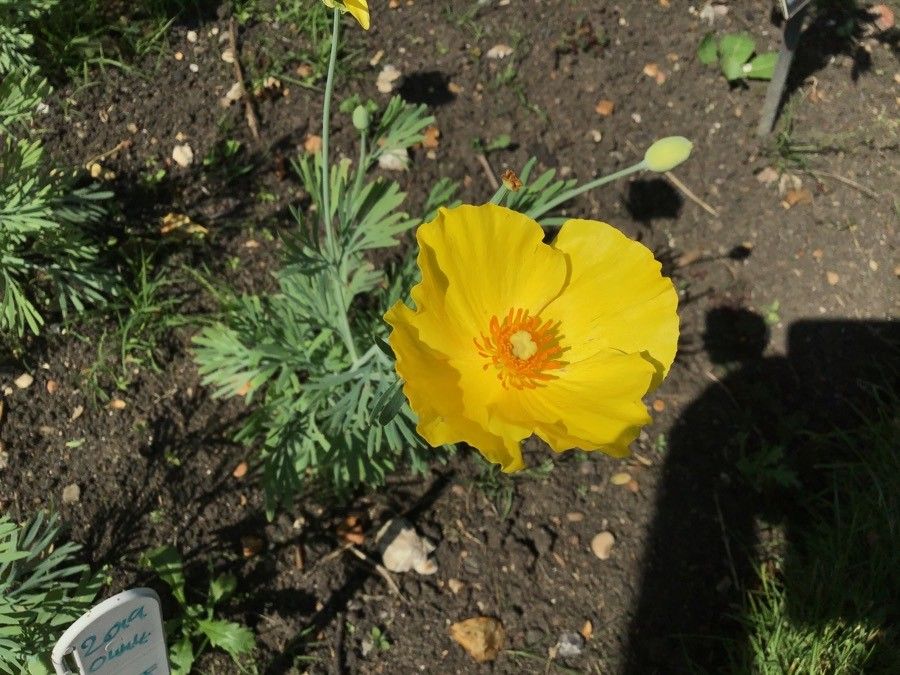
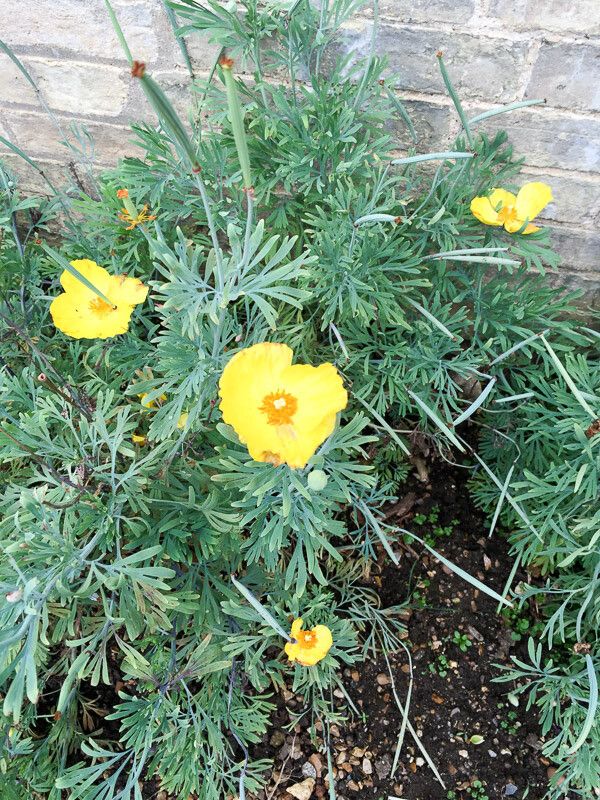
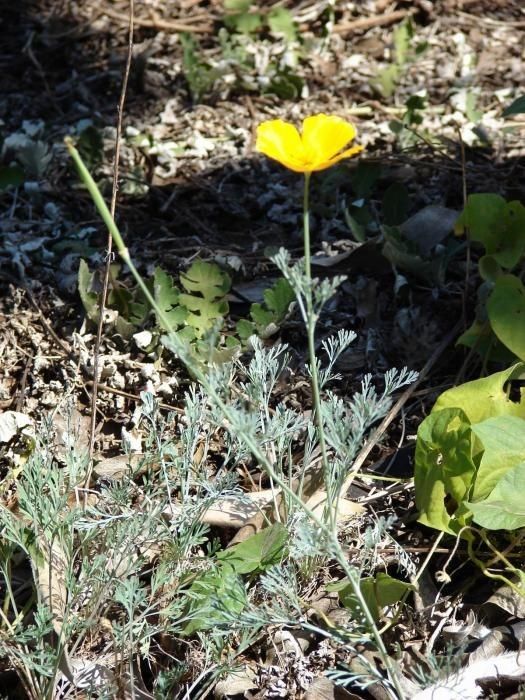
Hunnemannia fumariifolia, commonly known as the Mexican tulip poppy or golden cup, is a perennial plant native to Mexico. Part of the Papaveraceae family, it is well-known for its bright yellow, cup-shaped flowers that bloom during the summer. The plant can grow up to 60 cm in height and features deeply lobed leaves that resemble those of a fern.
Hunnemannia fumariifolia thrives in well-drained soil and full sun exposure, making it an excellent choice for rock gardens or sunny borders. Additionally, it is renowned for its medicinal properties due to the presence of alkaloids, which have been traditionally used for pain relief and sedation.
Overall, Hunnemannia fumariifolia is not only a beautiful ornamental plant but also one with cultural significance and potential health benefits.
The Mexican tulip poppy shows strong disease resistance and typically is not vulnerable to illnesses. Still, it can be affected by pests and diseases found in its environment. Such infections are generally mild. Regarding upkeep, this plant needs moderate care. Regular pruning is necessary to preserve a neat appearance and support healthy growth. Applying fertilizer can also encourage blooming. The Mexican tulip poppy is appropriate for people who have outdoor areas like a garden or patio and does not demand extensive gardening experience. It may need more attention if cultivated indoors.
How to keep Hunnemannia Fumariifolia.
Light
The Mexican tulip poppy thrives with abundant light, which is crucial for its healthy growth. It originally inhabited areas with ample brightness. Both too much and too little light can threaten its development—excess can burn its leaves, while a shortage can cause weak flowering.
Water
The Mexican tulip poppy thrives in arid environments, preferring dry conditions. It requires moderate watering once a week to avoid over-saturating the soil. This outdoor plant flourishes in full sunlight and efficiently manages water loss through its leaves during the hot growing season.
Temperature
The Mexican tulip poppy originates from a temperate zone and prefers temperatures of roughly 68 to 100 °F (20 to 38 ℃). Allowing it to adjust to seasonal temperature changes is recommended for optimal growth.
Fertilizer
Appropriate fertilization is essential for the health and appearance of the Mexican tulip poppy. Fertilize the Mexican tulip poppy during the summer, applying it once a month throughout the season. Nutrients provide energy for growth and help maintain the plant’s parts. Fertilization improves the Mexican tulip poppy’s floral display, helping it produce its best blooms.
Pruning
To maintain the health and beauty of the Mexican tulip poppy, it's important to prune it from early to late spring. Remove any dead stems and faded flowers during this time to encourage vigorous growth and flowering. Make sure to use sterilized tools when pruning to prevent disease, ensuring the plant remains vibrant and aligns with its natural growth cycle.
Pot & Repot
The Mexican tulip poppy flourishes in bright light and should be repotted every 2-3 years during the spring. Select a container that is slightly larger to accommodate root growth and ensure it has proper drainage. After repotting, water the plant moderately to support its recovery and maintain optimal health.
Botanical profile.
- Plant Type
- Herb
- Life Cycle
- Perennial
- Genus
- Hunnemannia
- Family
- Papaveraceae
- Hardiness Zone
- 9-11
- Mature Height
- 91 cm
- Mature Spread
- 30 cm
- Leaf Color
- Green, Blue, Gray
- Leaf Type
- Deciduous
- Flower Color
- Yellow
- Flower Size
- 6.35 cm to 7.62 cm
- Bloom Time
- Summer, Fall
- Planting Time
- Spring, Summer
- Harvest Time
- Late summer, Fall, Early winter
- Native Area
- Honduras, Mexico
Other names.
Reader questions.
How should I water my Mexican tulip poppy?
To properly water the Mexican tulip poppy, it is recommended to use filtered water at room temperature. Tap water may contain harmful particles, making filtered water a better choice. Because the Mexican tulip poppy is accustomed to warm environments, it is best to avoid using cold water, as it can shock the plant. Additionally, it is advised to refrain from overhead watering, as it can cause issues with the foliage. Instead, apply filtered room temperature water directly to the soil until it is fully soaked. This method benefits the plant by providing moisture to the roots and aiding in the spread of nutrients through the soil.
Why do I have to put plant food on my Mexican tulip poppy?
Fertilizer and soil nutrients are like fuel for your Mexican tulip poppy. They help the plant grow and keep its parts healthy. Fertilization is especially important for this plant because it helps its flowers look their best. Gardeners often use fertilization to ensure the flowers are in top shape.
What are the sunlight requirements for the Mexican tulip poppy?
The Mexican tulip poppy requires full sun, meaning it needs to be exposed to above 6 hours of sunlight daily for optimal growth. It's crucial to observe how sunlight moves through your garden to find spots that offer a balance of light and shade, ensuring the plants thrive. In its natural habitat, abundant illumination is essential for the Mexican tulip poppy's healthy development, with too much or too little exposure potentially harming the plant. Excessive sunlight may scorch its leaves, while insufficient light can result in less vibrant blooming.
What are the ideal temperature requirements for Mexican tulip poppy?
Mexican tulip poppy, also known as Hunnemannia fumariifolia, thrives in temperate zones, with ideal temperature ranges between 68 to 100 °F (20 to 38 °C). It is crucial for the plant to adapt to seasonal temperature fluctuations for optimal growth. As an extremely heat-loving plant, Mexican tulip poppy can be negatively affected by cold temperatures. During the autumn, it is advised to bring outdoor-grown Mexican tulip poppies indoors near a bright window, ensuring they are not too close to heaters. Maintaining temperatures above 20°C during winter promotes healthy growth, while exposure to temperatures around 0°C can be harmful.
What should I do if I either give too much or too little water to my Mexican tulip poppy?
Overwatering and underwatering can both harm your Mexican tulip poppy, but overwatering is more common. Excess water can cause wilting, yellowing leaves, and diseases like root rot, mold, and mildew that can kill the plant. Underwatering is less likely because this plant is somewhat drought-tolerant, but it can still happen, resulting in brittle, brown leaves. It's important to recognize signs of overwatering early and take action. Some diseases caused by overwatering may not be fixable if you wait too long. Decrease watering if you notice early signs and check the soil's drainage. If it drains poorly, replace it with well-draining potting mix. Alternatively, if your plant shows signs of underwatering, simply water it more regularly until the signs improve.
When should I fertilize my Mexican tulip poppy for best results?
The Mexican tulip poppy undergoes two main phases each year. The first phase is the dormant phase, which occurs during the winter and involves minimal new growth. The second phase is the active growth phase, taking place in spring and fall. During this phase, fertilization is most needed for the Mexican tulip poppy. It is recommended to start fertilizing in the spring and continue doing so once a month throughout the rest of the spring and most of the summer. As fall approaches, the fertilization rate can be reduced.
How can artificial lighting support the growth of indoor Mexican tulip poppies?
Artificial lighting can be a vital solution for indoor Mexican tulip poppies, especially when natural sunlight is insufficient, like during winter or in spaces that don't get much sun. Adequate lighting promotes faster, healthier growth. LED lights are recommended because they can be customized to provide specific light wavelengths needed by the plants. Full sun plants require 30-50W/sq ft of artificial light, partial sun plants need 20-30W/sq ft, and full shade plants need 10-20W/sq ft. The light source should be placed 12-36 inches above the plant to mimic natural sunlight and should be on for 8-12 hours per day to mimic natural daylight hours.
How should you care for Mexican tulip poppy in low temperatures?
In low temperatures, it's important to protect Mexican tulip poppy as it prefers warm environments and does not tolerate cold well. The plant performs best when temperatures remain above 20°C and should always be kept above 0°C during winter. Exposure to temperatures below -5°C may cause the leaves to lighten in color, followed by browning or blackening after frost damage, as well as symptoms like wilting and drooping. To care for your plant, trim off the frost-damaged parts and move it to a warm indoor area. Placing the plant near a south-facing window ensures ample sunlight, but make sure to avoid direct contact with heaters or air conditioning vents to prevent air dryness.
How frequently should I water my Mexican tulip poppy plant?
If your Mexican tulip poppy is in a pot, the most accurate way to determine if it needs water is to stick your finger in the soil. If the top two to three inches of soil are dry, it's time to water. If you have it planted outdoors in the ground, you can use the same method to test the soil. Once the top few inches of soil have dried out, it's time to water. Typically, during the spring and early fall, you'll need to water this plant about once a week using this method. However, during extremely hot weather, you may need to water it two or more times per week. That being said, mature, well-established Mexican tulip poppies have an impressive ability to survive drought conditions.
When should I not add fertilizers to my Mexican tulip poppy?
If you wish to encourage the growth of Mexican tulip poppies without causing root burn, it is important to provide extra nutrients during the active growth period of spring and summer. However, during the fall and winter when the plant enters its dormancy stage, it is best to refrain from fertilizing.
What are the symptoms of inadequate lighting for Mexican tulip poppies?
Mexican tulip poppies show several symptoms when they do not receive enough light, including smaller new leaves, leggy or sparse growth, faster leaf drop, slower or no new growth, lighter-colored new leaves due to a lack of chlorophyll, chlorosis (leaves turning yellow), sunscald (damage from intense light exposure), leaf curling (as a defense mechanism against excessive sunlight), wilting (due to increased water loss), and leaf scorching (brown, dry, crispy leaf edges). These symptoms indicate the plant's struggle with the light conditions and the need for adjustments.
What steps should be taken if Mexican tulip poppy experiences high temperatures?
During summer, it's crucial to ensure that the environment for Mexican tulip poppy does not exceed 38°C. Temperatures above 43°C can cause the leaves to lighten, increasing the risk of sunburn. In such cases, trimming away the sunburned and dry parts of the plant will help. Relocating the plant to an area shaded from strong midday and afternoon sun is also beneficial. Watering the plant in the morning and evening helps keep the soil moist and aids in preventing the adverse effects of high temperatures.