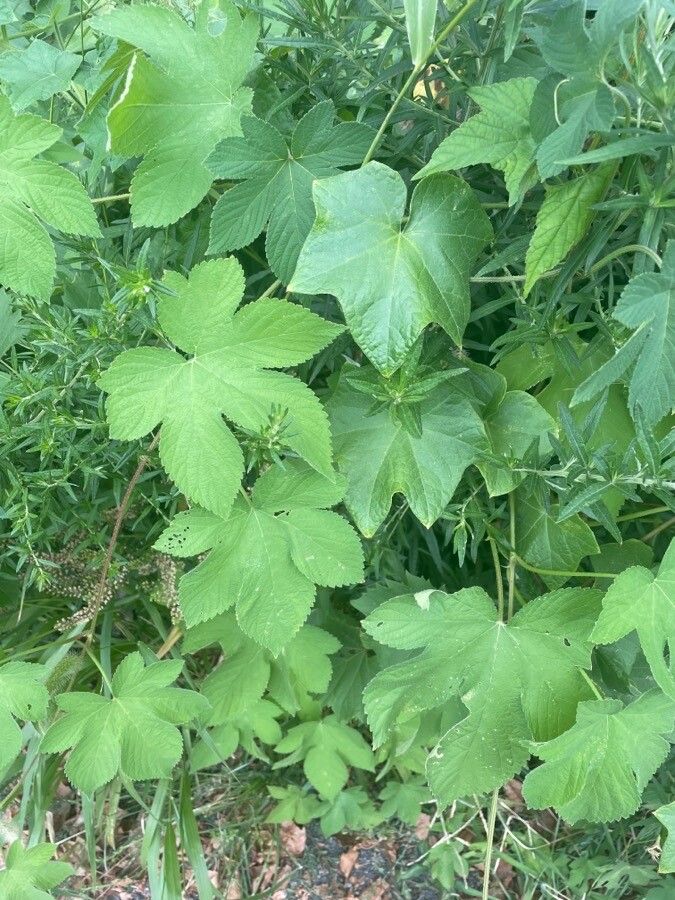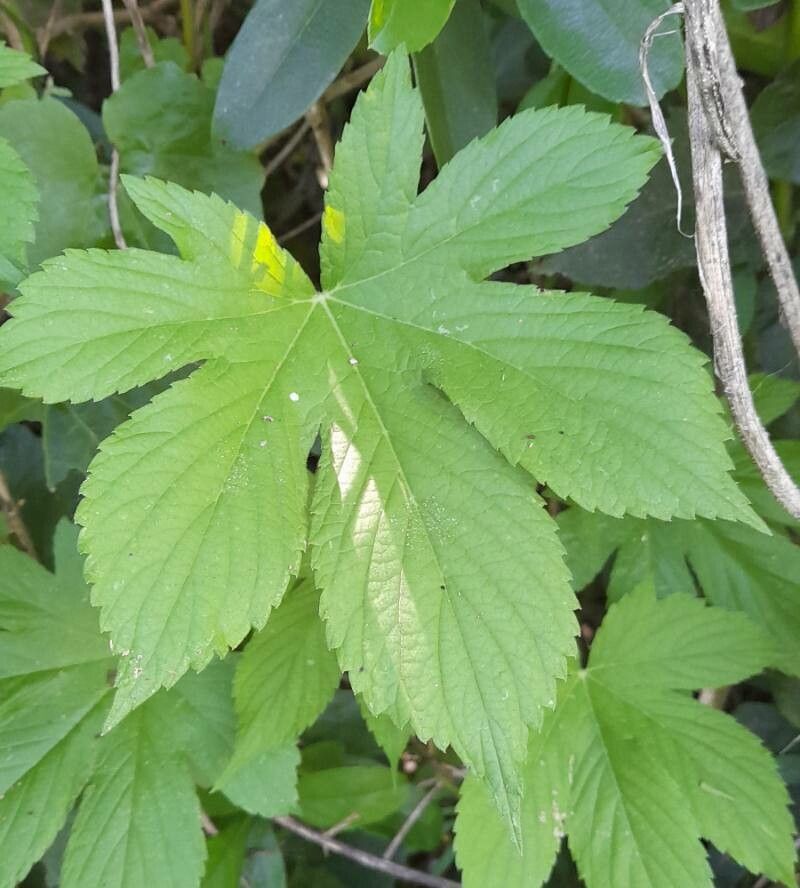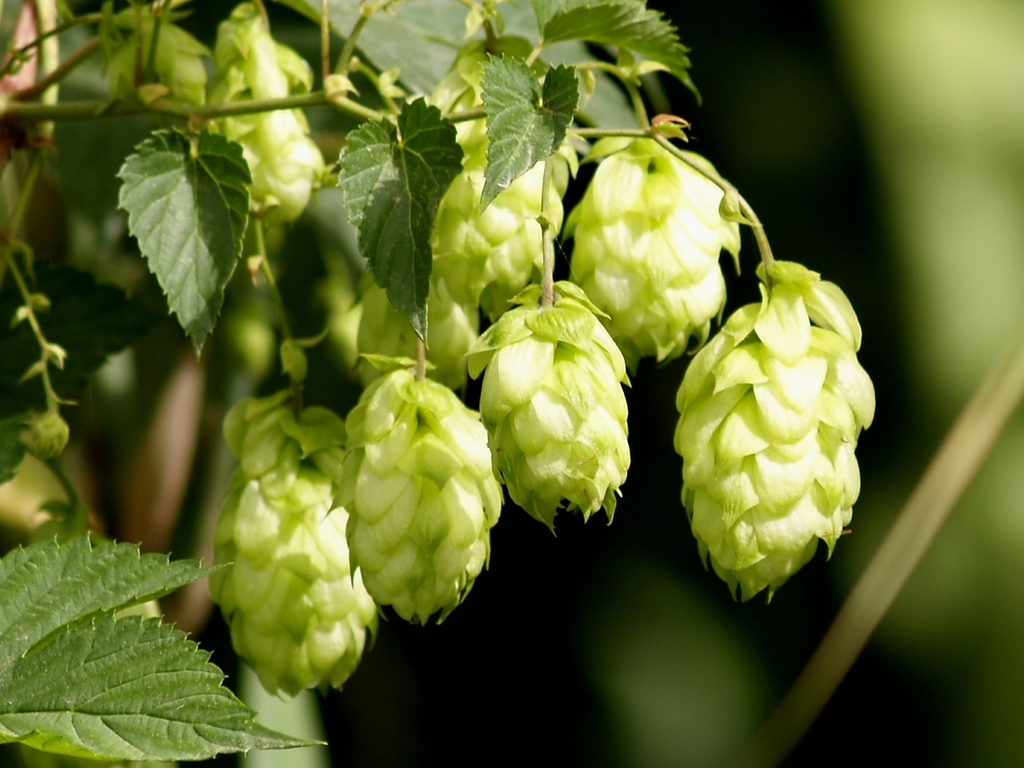
Humulus lupulus, commonly known as hops, is a perennial climbing plant that belongs to the Cannabaceae family. Native to Europe, Asia, and North America, this plant is widely cultivated for its crucial role in the brewing industry. Characterized by a vigorous growth habit, its long, twining stems can reach heights of up to 6 meters.
The leaves of Humulus lupulus are heart-shaped with serrated edges, arranged alternately along the stem. The plant’s flowers are small and greenish-yellow, forming in cone-shaped clusters known as strobiles or hop cones.
These hop cones are rich in resins and essential oils, imparting beer with its characteristic bitter flavor and aroma. Beyond brewing, Humulus lupulus has also been valued for its medicinal properties, such as promoting sleep and reducing anxiety.
For optimal growth, Humulus lupulus requires well-drained soil and plenty of sunlight. It can be propagated through seeds or cuttings but needs support structures like trellises or poles due to its climbing nature.
Overall, Humulus lupulus plays a significant role not only in the brewing industry but also in traditional medicine, making it an important plant species globally.
Common Hop: The fragrant flower cones, known as hops, are recognized for their bitter flavor, as well as their aromatic and preservative qualities. The English word "hop" is derived from the Middle Dutch word "hoppe," which means the same thing. Because this plant is widespread, it is referred to as the common hop.
Common hop has strong resistance to diseases and is generally not prone to illness. Still, it can be affected by pests and diseases present in its environment. These infections are generally mild. With respect to care, this plant needs moderate upkeep. Regular pruning is required to keep a good appearance and support healthy growth. Fertilizing can also help encourage flowering. Common hop is appropriate for anyone with outdoor space, such as a garden or patio, and does not demand extensive plant-care experience. It may need more attention if cultivated indoors.
How to keep Humulus Lupulus.
Light
The common hop grows best in open areas where it can get plentiful sunlight, promoting healthy growth. It can, however, tolerate sites with reduced sun intensity. Too much or too little solar radiation can harm it, impacting the plant's health and development.
Water
Common hop is native to temperate regions and thrives in environments with consistent moisture and balanced humidity. While it can withstand moderate drought, it grows best when watered weekly to mimic natural rainfall. During its active growing season, it's important to closely monitor moisture levels to keep the plant healthy.
Humidity
This plant will thrive in moderate humidity, which is probably the level in your home. However, misting it a few times a week can be very beneficial. Make sure the room has good ventilation.
Temperature
The common hop prefers a temperate climate, with ideal temperatures from 32 to 95 ℉ (0 to 35 ℃). With proper care it can tolerate winter lows down to 23 ℉ (-5 ℃). In spring and summer it should be kept in a cooler spot and protected from direct sunlight. In hot, dry weather, frequent watering and misting can help keep the plant at a comfortable temperature.
Fertilizer
A single fertilizer application in spring is generally enough for Common hop, though multiple feedings can maximize growth. Fertilize every month to six weeks. Feeding improves the leaves’ appearance and function, maintaining even color and a healthy texture. It also promotes root development and nutrient uptake for long-term plant health.
Pruning
The vigorous climbing plant known as the common hop benefits greatly from early spring pruning. During this time, cut back the old stems all the way to the ground. By thinning out excess shoots, you can improve air circulation, which helps reduce the risk of disease. Regular pruning not only enhances flowering but also improves the quality of the cones. It's important to use clean, sharp tools during pruning to prevent any damage to the plant.
Pot & Repot
Repot Common hop in early spring, choosing a pot only slightly larger than the current one and with adequate drainage. Use a well-draining potting mix and position the root ball at the same level as before. Gently tease out any root-bound roots. After repotting, water thoroughly and place the plant in a warm, shady spot. Prune regularly to keep size in check and encourage new growth.
Botanical profile.
- Plant Type
- Vine, Herb
- Life Cycle
- Perennial
- Genus
- Humulus
- Family
- Cannabaceae
- Hardiness Zone
- 3-9
- Mature Height
- 10.06 m
- Mature Spread
- 0.91 m to 2.13 m
- Leaf Color
- Green, Yellow
- Leaf Type
- Deciduous
- Flower Color
- Green, Yellow
- Flower Size
- 1.02 cm to 6.35 cm
- Bloom Time
- Early summer, Mid summer
- Planting Time
- Spring
- Harvest Time
- Mid summer
- Native Area
- Turkey, Sweden, Austria, Slovakia, Montenegro, Slovenia, Morocco, Croatia, Belarus, Uzbekistan, Russia, Germany, Estonia, Romania, Latvia, Belgium, Moldova, Portugal, Netherlands, France, Czech Republic, Bulgaria, Armenia, Poland, Greece, Ukraine, Serbia, Lithuania, Norway, Syria, Kyrgyzstan, Kazakhstan, Italy, Spain, Switzerland, Denmark, Japan, Finland, Iran, Albania, Azerbaijan, United Kingdom, Hungary
Other names.
Reader questions.
What is the most effective way to water my Common hop plant?
To properly water the Common hop plant, it is recommended to use filtered water at room temperature. Tap water may contain harmful particles, so filtered water is preferable. The water should be at room temperature or slightly warmer to avoid shocking the plant, as it is accustomed to warm environments. It is advised to avoid overhead watering, as it may cause issues with the plant's foliage. Instead, the filtered room temperature water should be applied directly to the soil until it is thoroughly soaked. This helps in moistening the roots and enables them to spread and collect the necessary nutrients from the soil.
Why should I put fertilizer on my Common hop plant?
The Common hop relies on its leaves for structure, and fertilization is key to ensuring both their appearance and function. Proper fertilization promotes consistent color and a healthy texture in the leaves. Additionally, it benefits the plant's root system, enabling it to generate new roots and maintain existing ones. By fertilizing, you not only keep the plant healthy in the present but also enhance its ability to absorb nutrients from the soil in the long run.
What are the sunlight requirements for common hop plants?
Common hop plants, known botanically as Humulus lupulus, thrive best under full sun, requiring above 6 hours of sunlight daily to ensure healthy growth. They can also adapt to partial sun conditions, which means about 3-6 hours of sunlight each day. It's important to observe the movement of sunlight in your garden to identify areas that provide an optimal balance of light and shade suitable for your plants. Ensuring the right amount of sunlight can significantly impact the health and development of your common hop plants.
What is the preferred temperature range for growing common hop (Humulus lupulus)?
The common hop flourishes in a temperate climate, thriving best within a temperature range of 32 to 95 °F (0 to 35 °C). It's important to note that while the plant has a strong resistance to cold, able to withstand winter lows to 23 °F (-5 °C) with adequate care, it requires protection from direct sunlight during the warmer months. Keeping the plant in a cooler location during spring and summer, along with frequent watering and misting during hot, dry periods, can help maintain optimal growing conditions.
What should I do if I give my Common hop plant too much water or too little water?
Overwatering is a common issue for Common hop plants, and it can have negative effects on their health. When these plants receive too much water, their leaves and stems may wilt and turn yellow. Over time, overwatering can also cause diseases like root rot, mold, and mildew, which can be fatal for the plant. On the other hand, underwatering is less common for Common hop plants because they have good drought tolerance. However, it can still happen, and when it does, the leaves of the plant may become brittle and brown. It's important to recognize the signs of overwatering and take action quickly. Some diseases caused by overwatering, like root rot, can't be fixed if you delay addressing the issue. If you notice early signs of overwatering, reduce your watering schedule immediately. You should also check the quality of the plant's soil. If it drains poorly, replace it with a loose, well-draining potting mix. Conversely, if you see signs of underwatering, simply water the plant more regularly until the signs disappear.
When should I fertilize my Common hop?
If you grow your Common hop outdoors, it will start to sprout new growth in early spring. This is when you should start fertilizing it for the year. A single application of fertilizer in spring is usually enough for the plant to do well. However, if you want to promote maximum growth, you can fertilize it multiple times throughout the spring and early summer. In this case, you can feed the plant about once every month to a month and a half.
How do common hop plants react to different light conditions?
Common hop plants flourish in open areas under adequate sunlight, which is crucial for their growth and health. However, they are adaptable enough to withstand areas with less intense sun exposure. Both excessive sun, which can lead to symptoms like sunscald and leaf scorching, and insufficient sunlight, resulting in issues such as small leaves and leggy growth, can be detrimental to the plant. Implementing artificial lighting solutions, such as LED lights, can compensate for lower light conditions, promoting healthier growth by mimicking natural sunlight with specified hours and intensity.
How should common hop be cared for during winter to protect against frost?
Common hop demonstrates significant cold resistance, meaning special frost protection measures aren't typically necessary. However, in anticipation of extremely cold temperatures that drop below the plant's growth limit, additional cold protection should be considered. Wrapping the trunk and branches with non-woven fabric or cloth can provide the needed insulation against cold weather. It's also advisable to water the plant copiously before the first freeze in autumn, ensuring the soil stays moist and enters the winter frozen. This technique aids in preventing drought and water scarcity for the plant throughout the winter and into early spring.
How frequently do I need to water my Common hop?
If your Common hop plant is in a pot, the most precise way to determine if it needs water is to check the soil moisture. Stick your finger into the soil and if the first two to three inches are dry, it's time to water. If you grow your Common hop plant outdoors in the ground, you can use a similar method to test the soil. Once the top few inches of soil have dried out, it's time to water. Typically, you'll need to water this plant about once a week during spring and early fall. In very hot weather, you may need to increase watering to twice or more per week. However, mature and well-established Common hop plants can withstand drought well.
When is it not a good idea to add fertilizer to my Common hop plant?
During late fall and winter, your Common hop will go into a dormant phase, ceasing new growth. It's important to refrain from fertilizing during this time. In the spring and summer, if you decide to fertilize, gradually decrease the rate as summer draws near, as the growth rate of your Common hop will also decrease. It's generally not a good idea to fertilize when the weather is unusually hot or the soil is very dry, as this could cause stress and premature death of your Common hop.
What are the symptoms of inappropriate light exposure in common hop plants?
Symptoms of inadequate light exposure in common hop plants include small leaves, leggy or sparse growth, faster leaf drop, slower or no new growth, and paler new leaves indicating a lack of chlorophyll. Overexposure to sunlight can lead to chlorosis, sunscald, leaf curling, wilting, and leaf scorching. These symptoms harm the plant's ability to photosynthesize and maintain overall health. Adjusting the plant's exposure to sunlight and using artificial lighting when necessary can help mitigate these issues.
What symptoms indicate common hop is experiencing stress from low or high temperatures, and how can these issues be addressed?
For common hop, stress from low temperatures becomes apparent when no new shoots emerge in spring, accompanied by branches that may become brittle and dry. This typically happens if the plant is kept in conditions below its tolerable growth threshold during winter. Pruning away the dead branches that do not produce new leaves in spring is recommended to address this issue. Stress from high temperatures can manifest as lighter-colored leaves, tips that may dry and wither, and an increased risk of sunburn. This is of concern when the plant is exposed to temperatures above its suitable growth maximum during summer. Remedies include trimming sunburned and dried parts, moving the plant to a shaded area, or utilizing a shade cloth to protect it from intense midday and afternoon sun. Watering in the morning and evening aids in keeping the soil moist, further mitigating the effects of high temperatures.