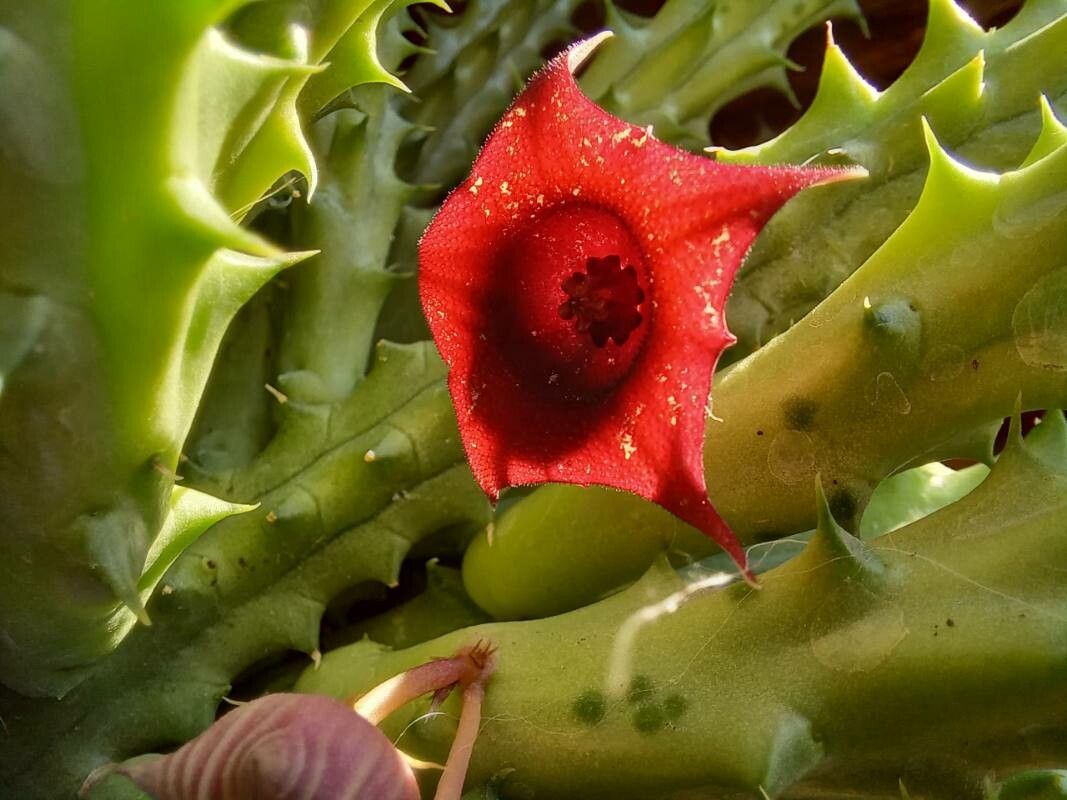
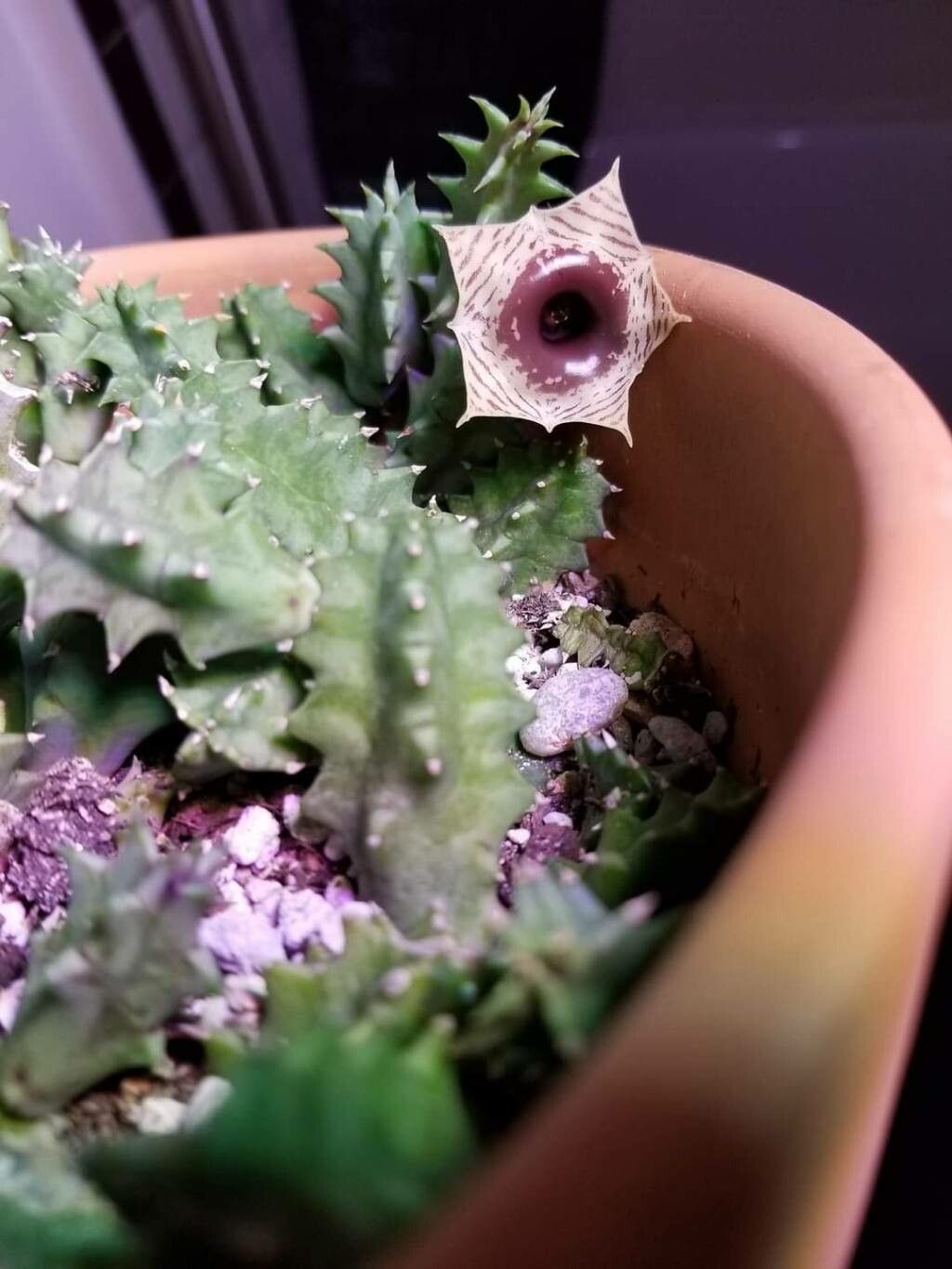
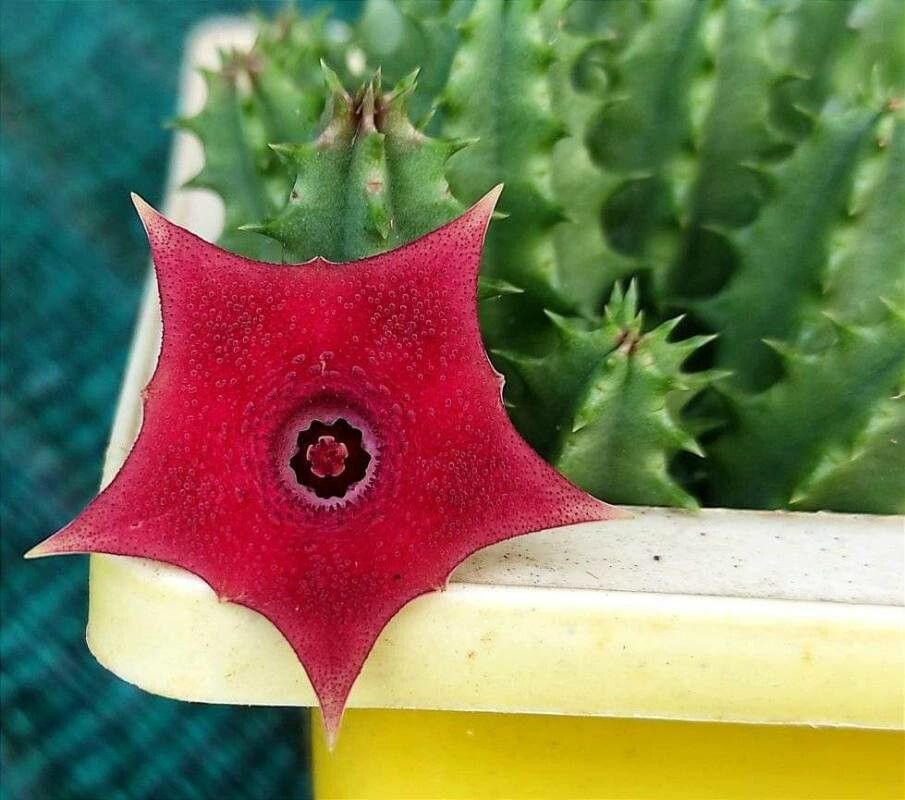
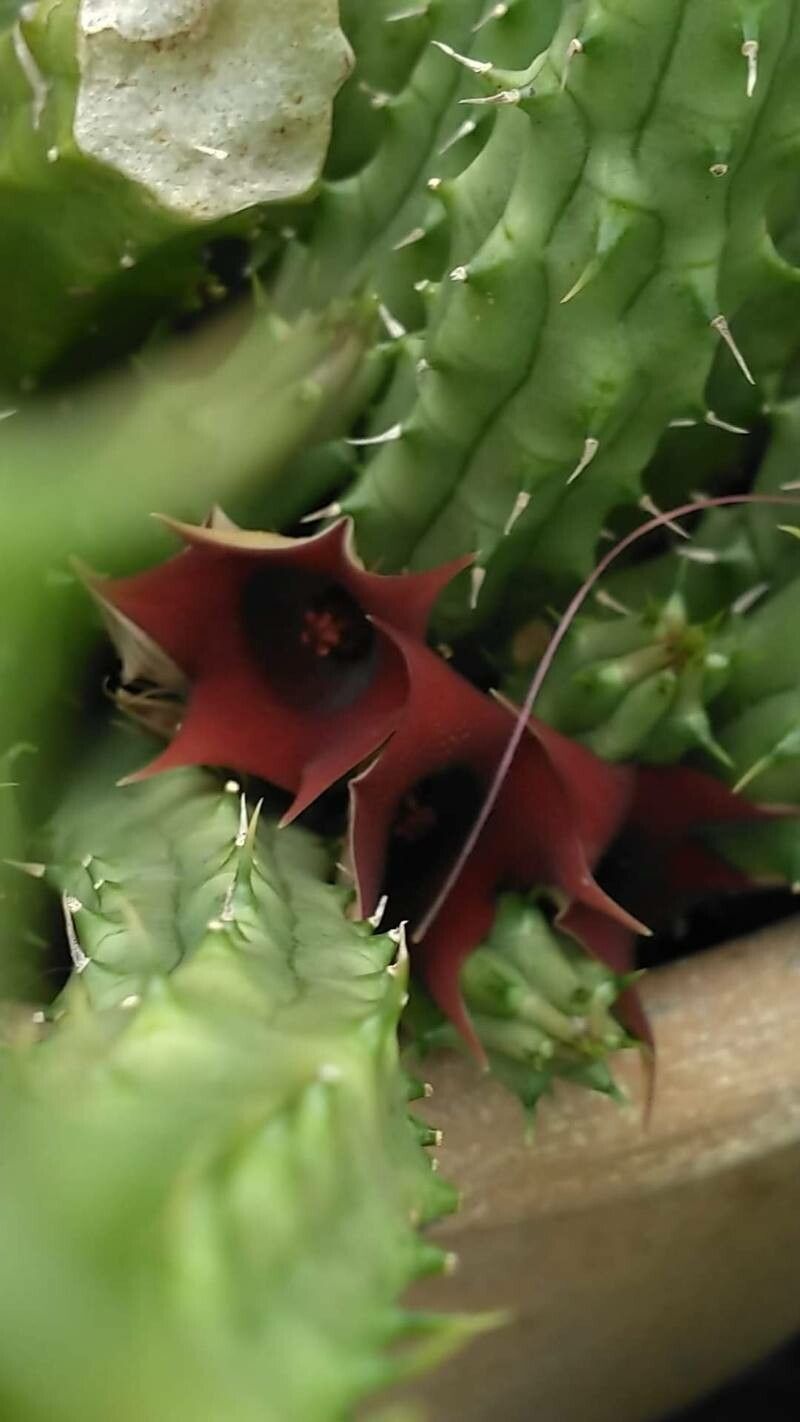
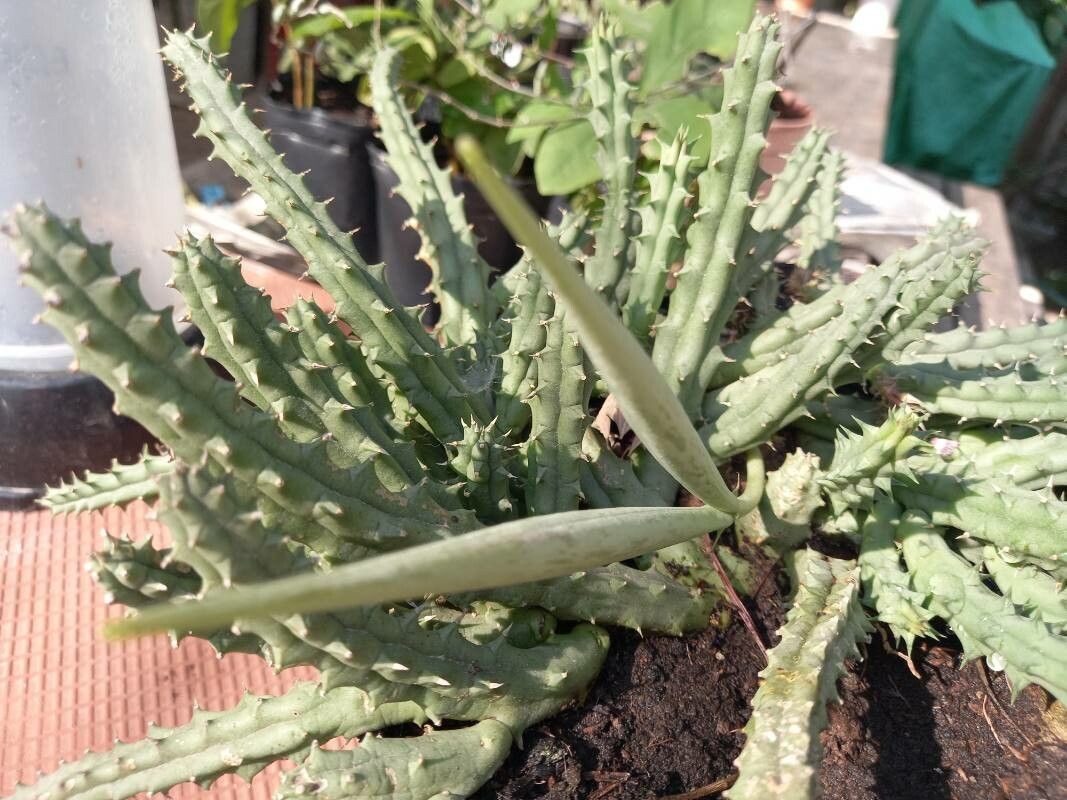
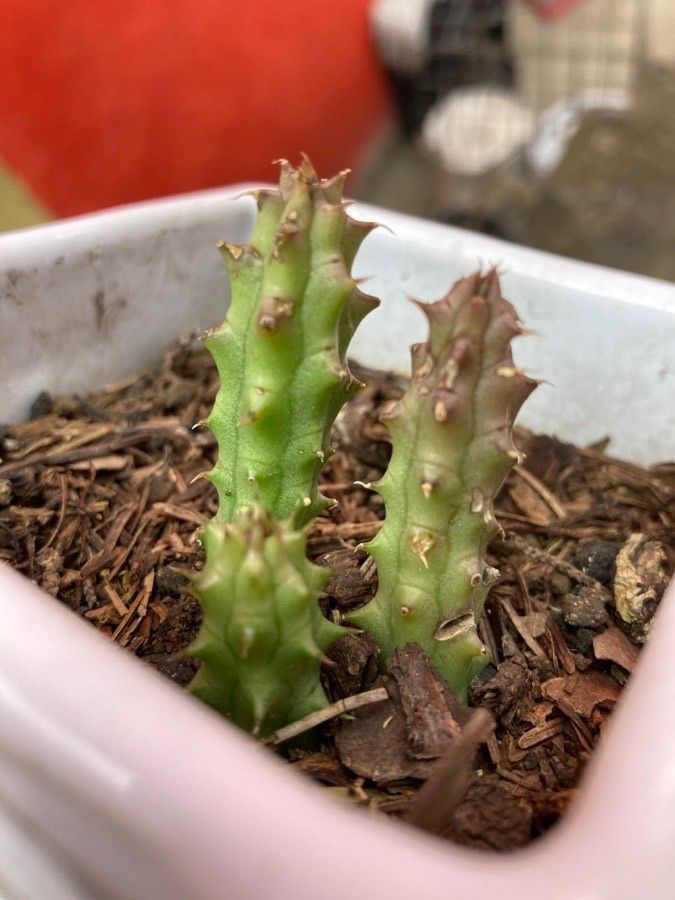
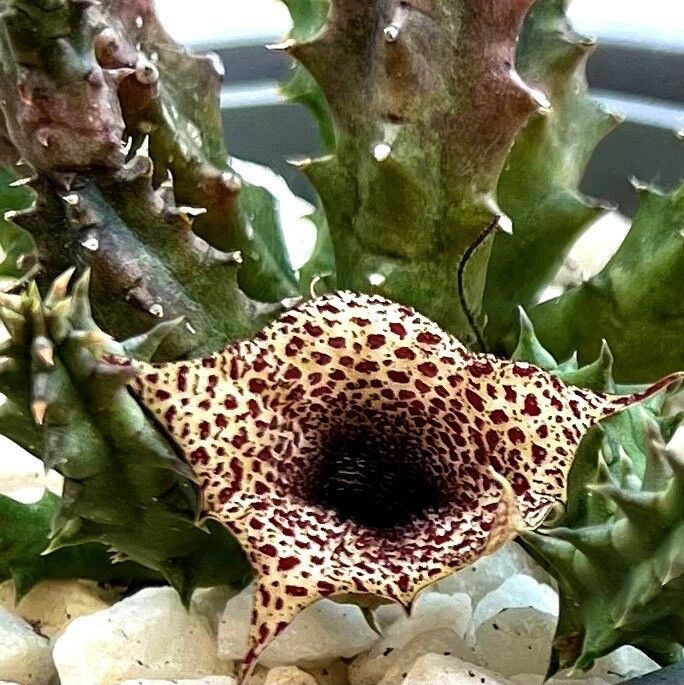
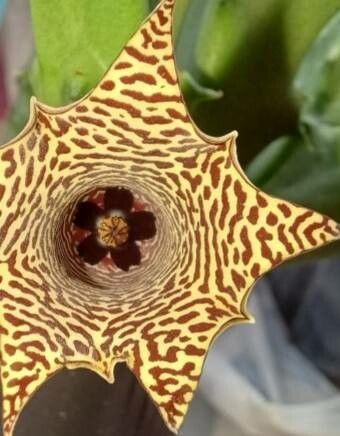
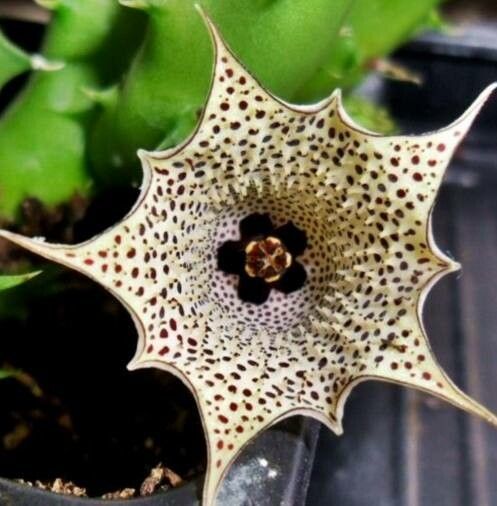
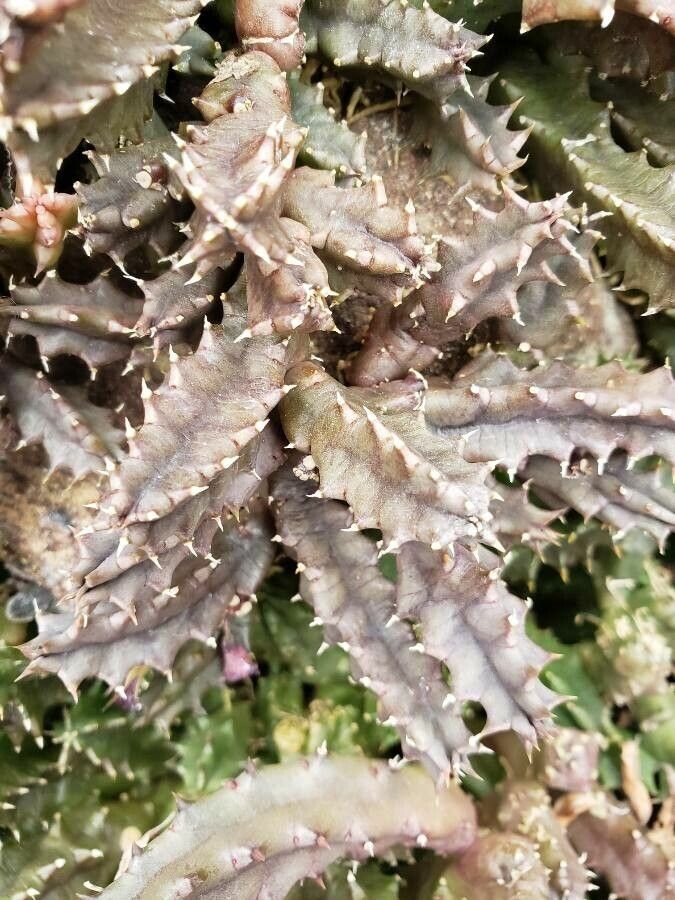
Huernia macrocarpa is a colorful succulent plant related to the milkweeds. This beautiful plant grows to a height of five or six meters, extending fleshy, toothed arms, dark pink star-shaped flowers and small eyes. It is commonly kept as a potted houseplant.
Stapelia macrocarpa has moderate disease resistance and is more sensitive to humidity. It becomes susceptible to illness when humidity is high and is liable to develop root rot during the dormant period. Regarding care needs, Stapelia macrocarpa tolerates drought but requires increased watering in the growing season. Watering should be greatly reduced or stopped entirely during dormancy. Stapelia macrocarpa is appropriate for growers with some experience, though it can be challenging to maintain, particularly in the dormant period. It is especially well suited to individuals who can dedicate time to its care during the winter months.
How to keep Huernia Macrocarpa.
Light
Stapelia macrocarpa, originally from dry areas, flourishes under direct sun, since its natural habitat is marked by intense sunlight and scarce shade. However, it can also tolerate partial sun, demonstrating some flexibility in its development.
Temperature
Stapelia macrocarpa can handle a degree of heat, but its active growing periods primarily occur in the colder seasons, becoming dormant in the summer months. It's crucial to shield the plant from harsh sunlight to avoid burn during high summer temperatures. To counter root decay, watering should be minimized or even stopped during these hot periods. In comparison, winter and spring seasons witness a significant growth spurt in Stapelia macrocarpa. Provided the temperature doesn't fall excessively, the plant maintains a consistent growth rate.
Fertilizer
Stapelia macrocarpa requires minimal fertilizing, ideally 1-2 instances annually during the growth period. It's advisable not to fertilize during the dormant winter and summer seasons. After repotting plants, a decrease in fertilization is recommended, and it is usually best to delay the next fertilization till a few months later. Fertilization fosters robust growth and promotes blooming.
Pot & Repot
While transplanting Stapelia macrocarpa, opt for a pot that is marginally bigger than the current one and has excellent drainage. Utilize a succulent or cactus mixture that drains well and is coarse. Cautiously take out the plant from its previous pot, shake off surplus dirt, and put it back in at the identical depth. Hold off on watering for several days to let any root injuries recover. The best time for repotting is during spring or autumn and place it in an area with plenty of light.
Botanical profile.
- Plant Type
- Vine, Succulent
- Life Cycle
- Perennial
- Genus
- Huernia
- Family
- Apocynaceae
- Hardiness Zone
- 10-12
- Mature Height
- 25 cm
- Mature Spread
- 34 cm
- Leaf Color
- Green, Dark Green
- Leaf Type
- Semi-evergreen
- Flower Size
- 3.05 cm to 5.08 cm
- Bloom Time
- Summer, Early fall, Mid fall
- Planting Time
- Spring, Summer, Autumn
- Harvest Time
- Fall, Early winter, Mid winter
- Native Area
- Saudi Arabia, Somalia, Sudan, Ethiopia, Eritrea, Yemen
Other names.