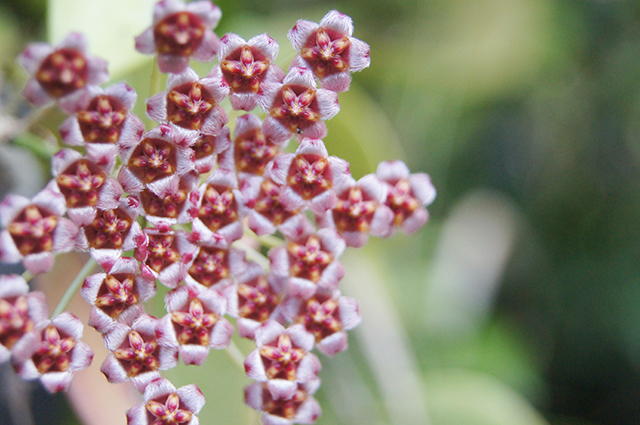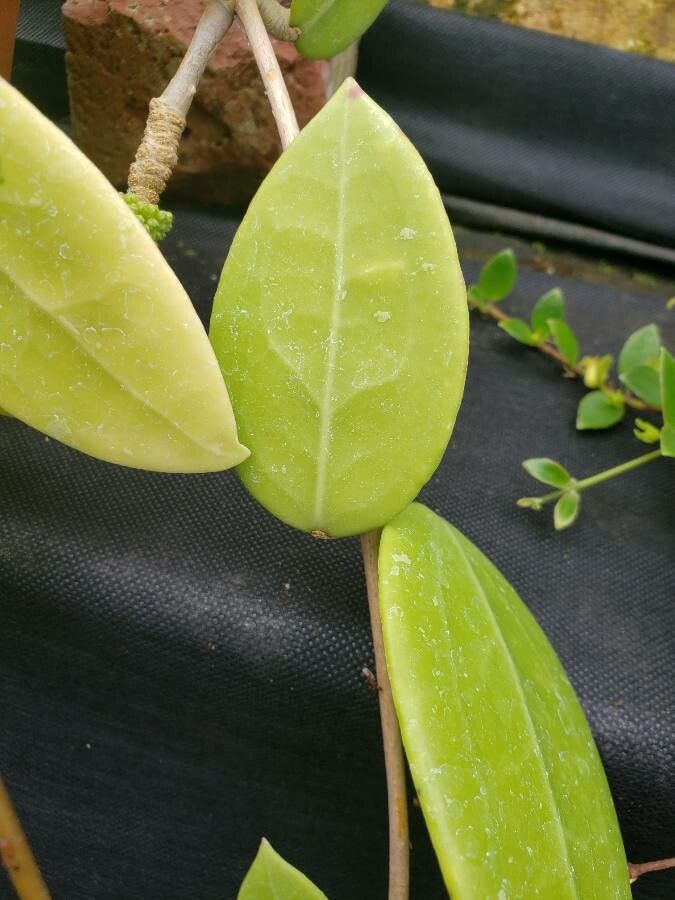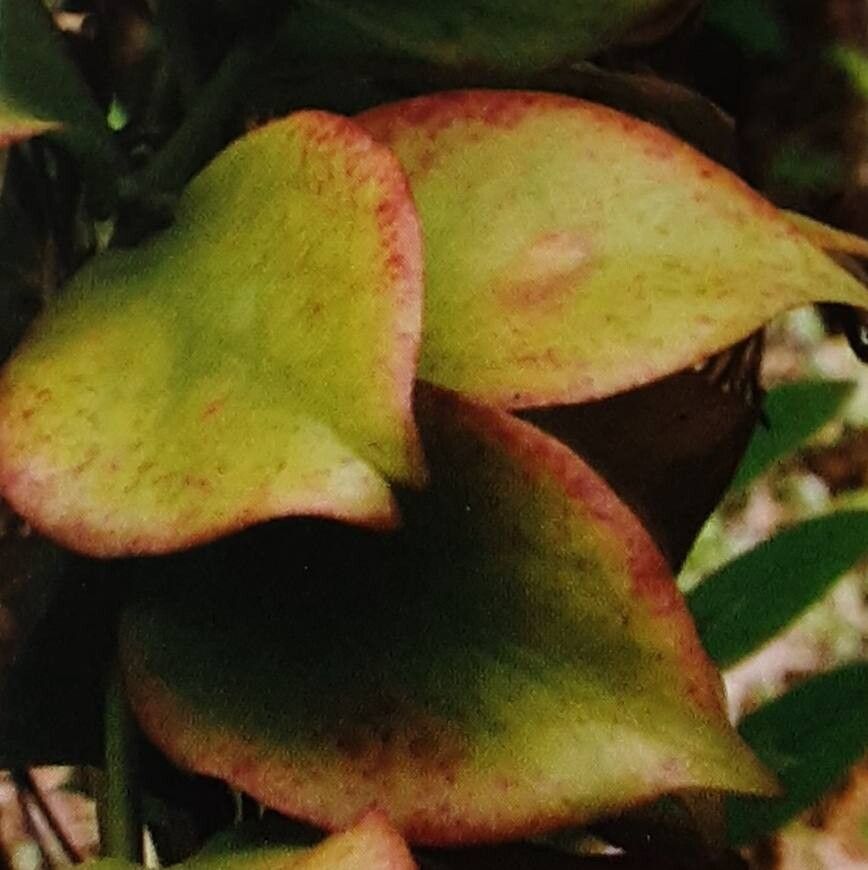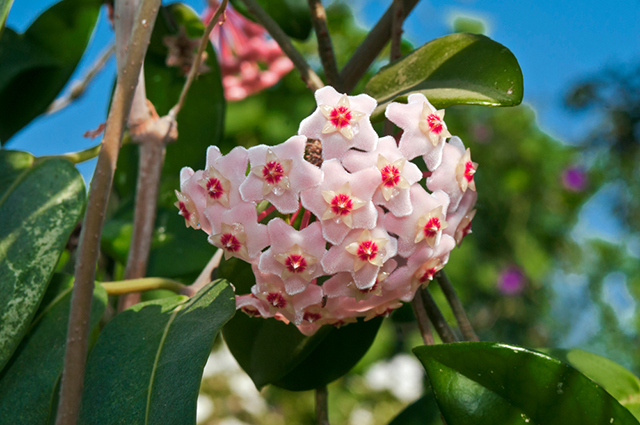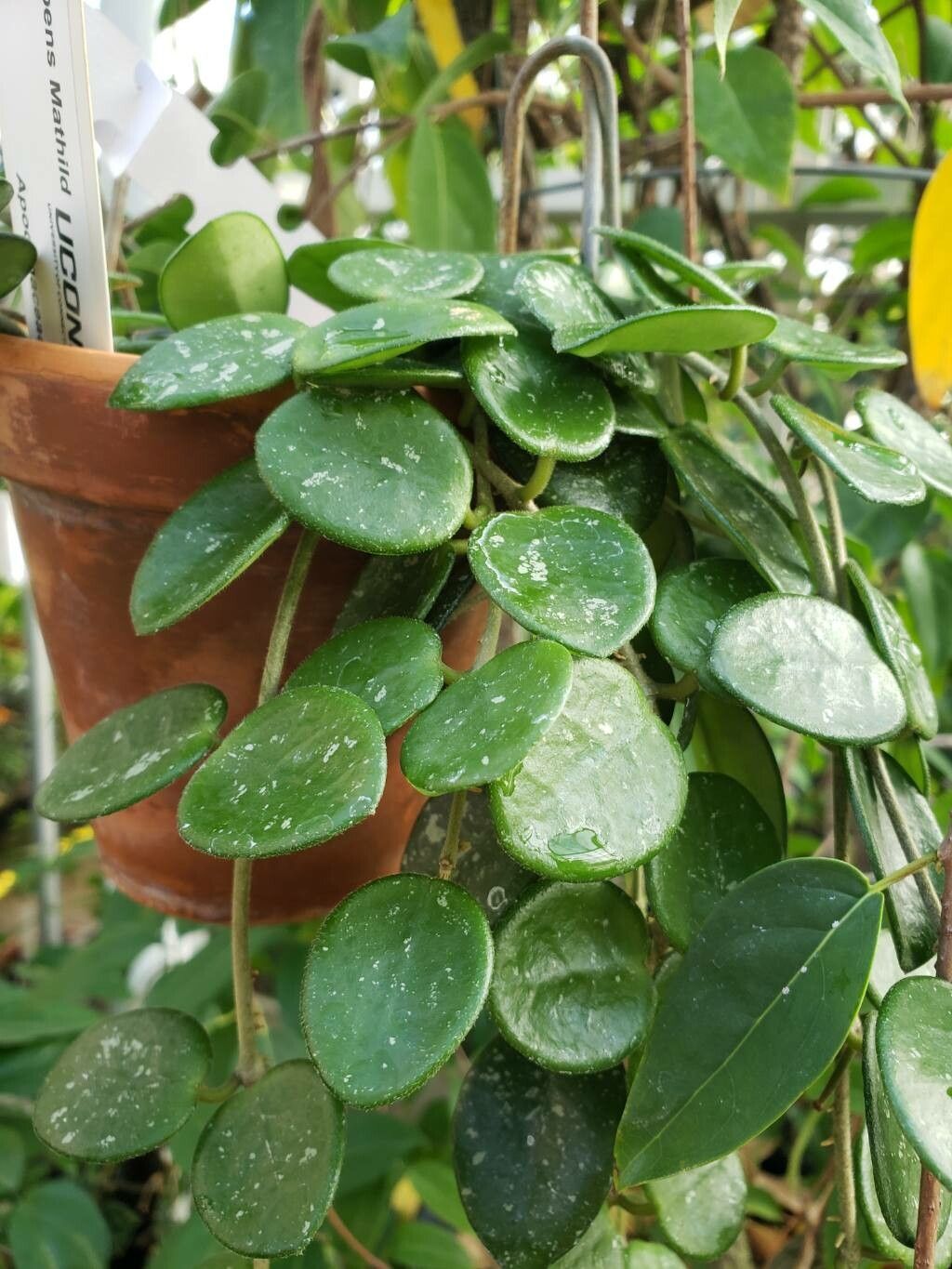
Hoya serpens is a small trailing vine found in the Himalayas and surrounding areas.
The Wax-flower plant has a good level of disease resistance and is generally not prone to diseases. However, if kept in a poor environment it can become more susceptible to illness. It also has few insect pests. In terms of care, this plant has medium requirements. It needs plenty of sunlight; if kept in insufficient light it may become more disease-prone and develop thin, leggy growth. Because it is often kept indoors, it may need to be moved regularly to a well-lit spot. It does not require frequent watering. Overall, the Wax-flower plant is suitable for most people, but it is best for those who can provide good light conditions.
How to keep Hoya Serpens.
Light
The wax-flower plant originates from habitats like forest understories or rocky terrains, where it receives natural shade. It generally thrives in partially sunny areas, but it shows its resilience and adaptability by being able to endure both fully sunny and fully shaded conditions.
Humidity
This plant will thrive in moderate humidity, which is probably the level in your home. However, misting it a few times a week can be very beneficial. Make sure the room has good ventilation.
Temperature
The wax-flower plant comes from tropical zones which are typically characterized by hot and moist climates. Consequently, it is highly acclimated to warm or humid weather. It is not fond of abrupt temperature shifts and favors a consistent thermal setting, so it's crucial to prevent indoor temperature variations. It generally can't withstand cold weather, and needs higher temperatures to grow. Should the temperature in its surroundings fall too far down, the plant's growth may halt or it might even perish.
Fertilizer
The best time to fertilize a Wax-flower plant is in early spring, when it comes out of dormancy. This supports overall growth and the development of blooms. Feeding the plant improves the leaves, stems, and branches, and encourages flowers that are larger, more colorful, and longer-lasting. It also helps move nutrients from the roots to the flowers and boosts the plant’s health and resistance to disease.
Pot & Repot
In the early spring, rehouse the Wax-flower plant into a pot that's just a bit bigger than its existing one, making sure it has sufficient drainage. Use a potting mixture that drains well, keeping the root ball at the previous level. Gentle loosening is advisable if roots are root-bound. Upon repotting, give the plant a good amount of water and put it in a warm, shaded spot. Sizing and new growth can be managed and stimulated through routine trimmings.
Botanical profile.
- Plant Type
- Vine
- Life Cycle
- Perennial
- Genus
- Hoya
- Family
- Apocynaceae
- Hardiness Zone
- 10-12
- Mature Height
- 3.66 m
- Mature Spread
- 49 cm
- Leaf Color
- Dark Green
- Leaf Type
- Evergreen
- Flower Color
- White
- Flower Size
- 1.02 cm to 1.52 cm
- Bloom Time
- Summer, Early fall, Mid fall
- Planting Time
- Spring, Summer, Autumn
- Harvest Time
- Fall
- Native Area
- Nepal, Bhutan, India