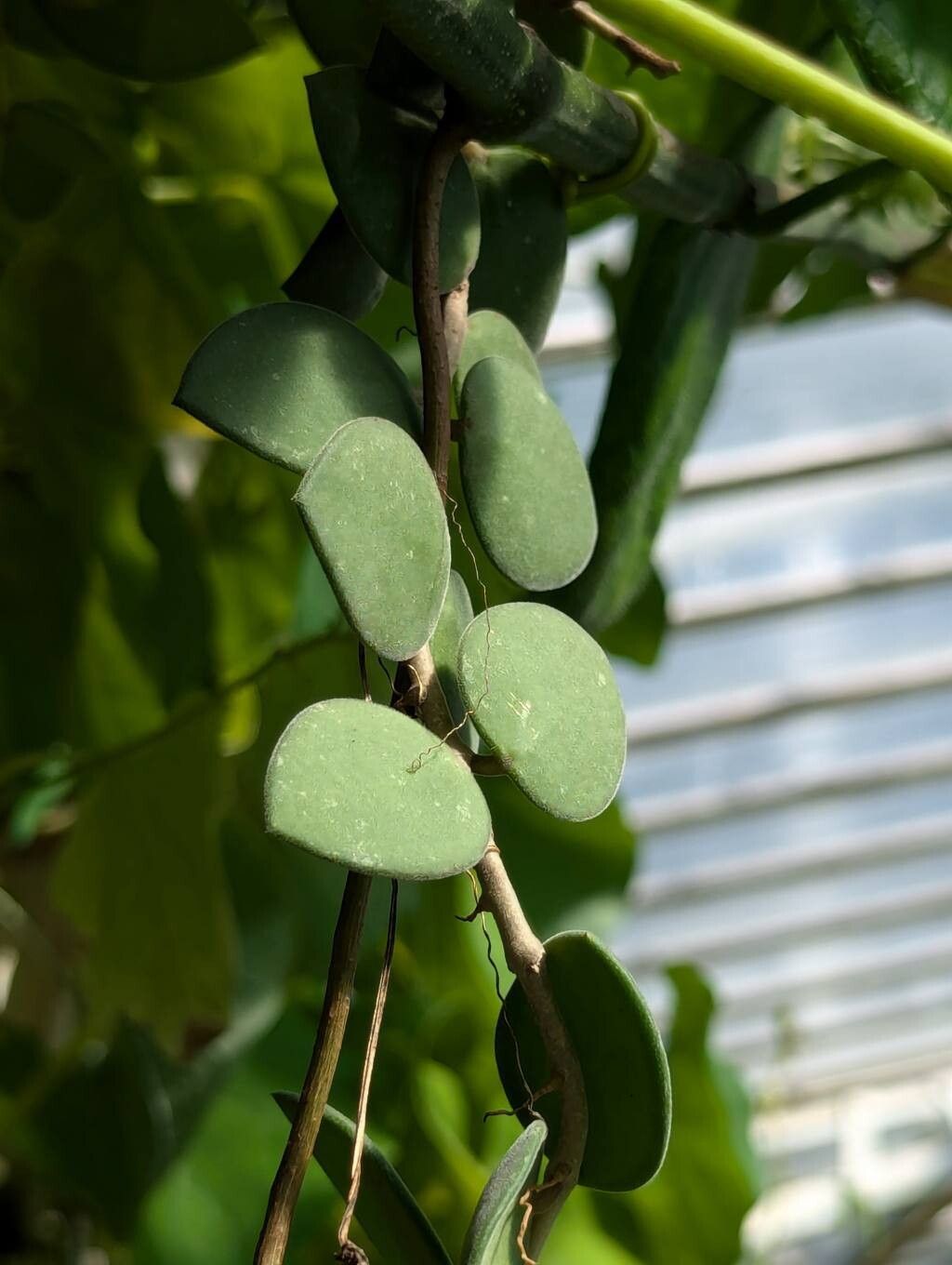
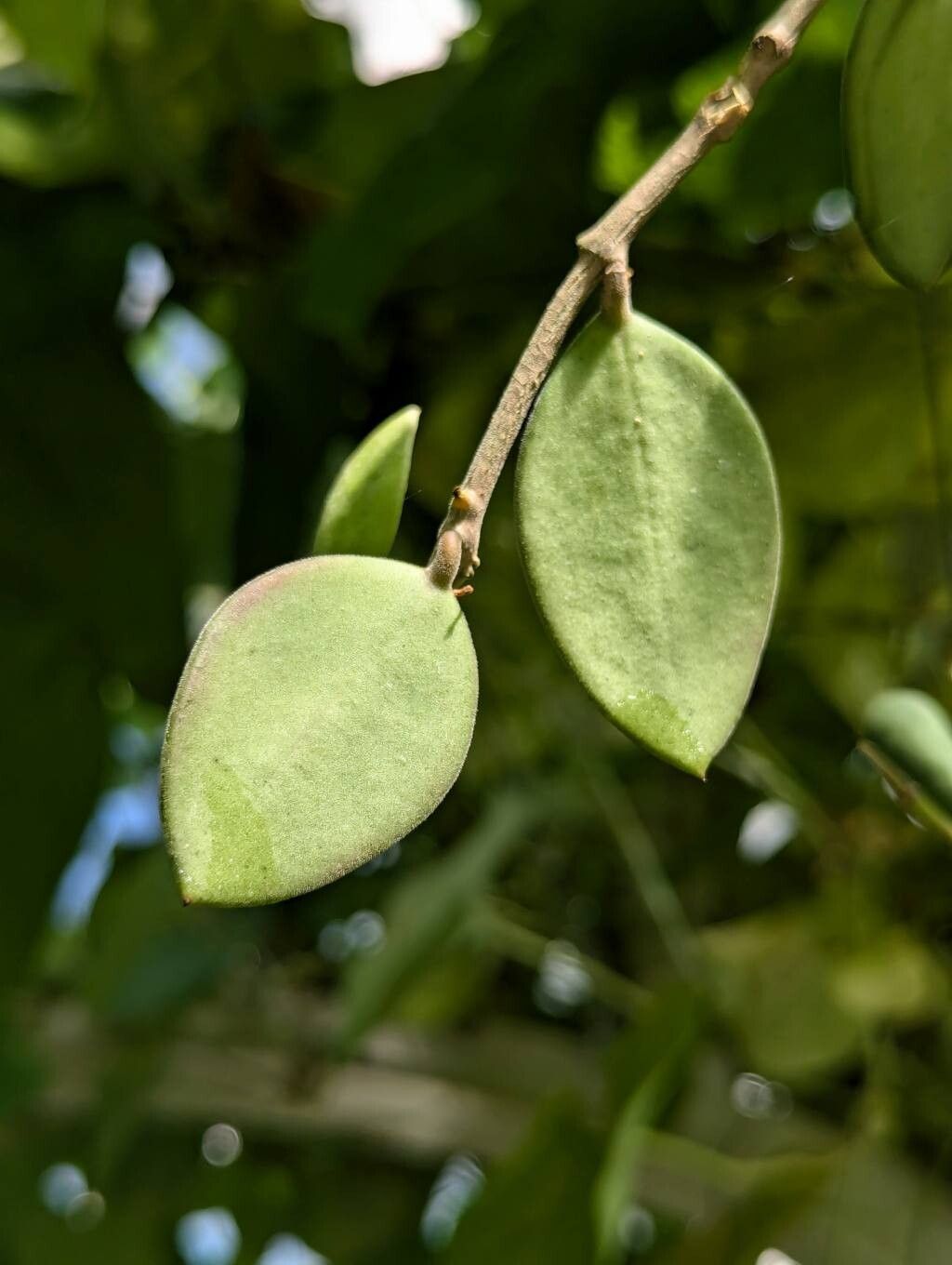
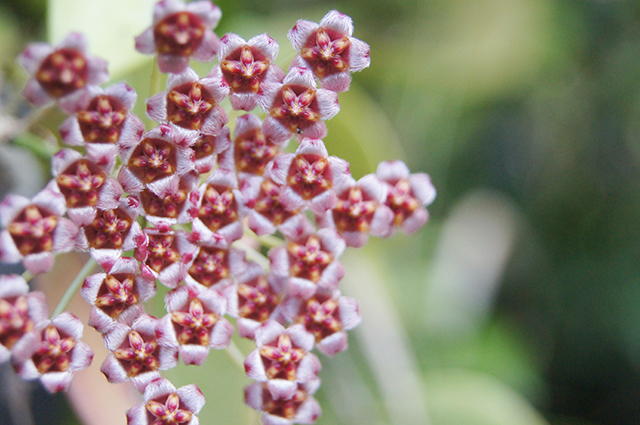
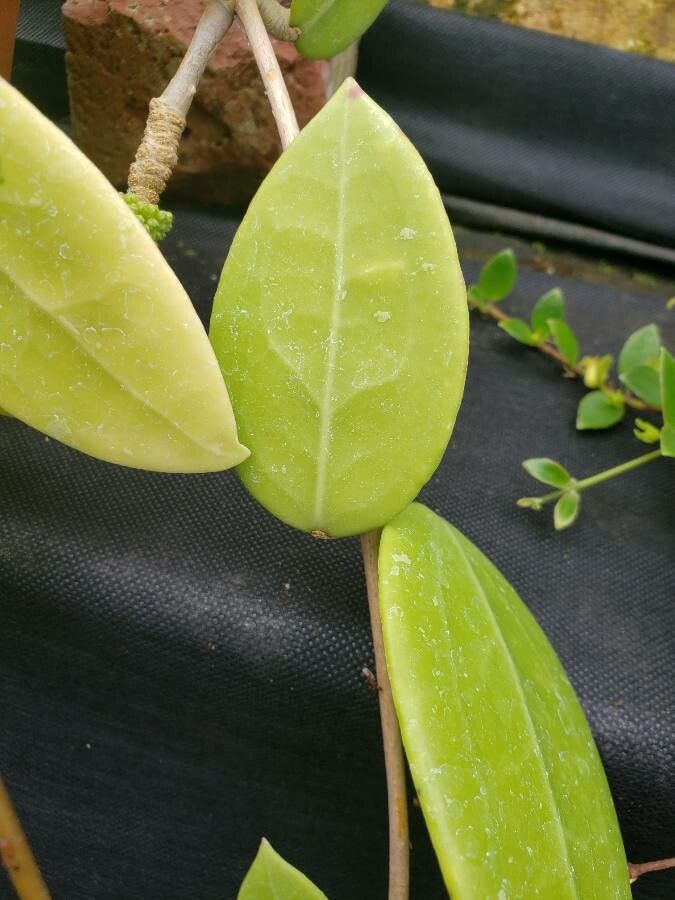
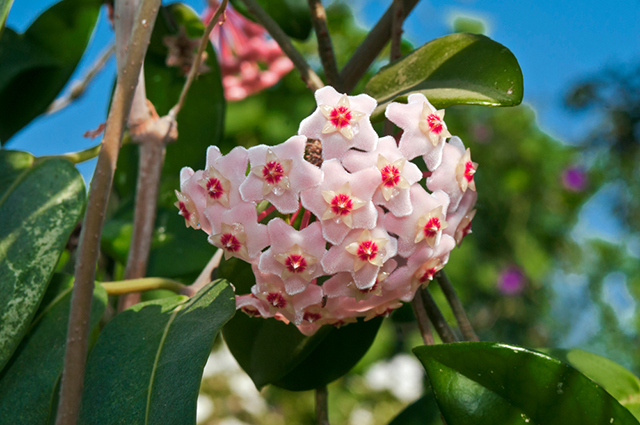
Porcelain flower hoya has a strong degree of disease resistance and is generally not prone to illnesses. However, if it is kept in poor conditions it can become more likely to suffer from disease. The plant also has few insect pests. In terms of care, its needs are moderate. It is important to give it plenty of sunlight, because with insufficient light it may become more susceptible to disease and develop thin, leggy growth. As it is often grown indoors, it may need to be moved regularly to a bright location. It does not require frequent watering. Overall, porcelain flower hoya is suitable for most people, though it is best for those who can provide good light conditions.
How to keep Hoya Nummularioides.
Light
The hoya porcelain flower originates from habitats like forest understories or rocky regions, where it naturally experiences shade. It favours conditions of partial sun, but is capable of adjusting to either full sun or full shade, indicating its adaptable and robust qualities.
Temperature
The porcelain flower hoya is native to tropical areas, accustomed to a climate that is predominantly hot and moist. Consequently, it is well-suited to environments with high heat and humidity. It does not fare well with immediate shifts in temperature and favors steady indoor climates. The plant typically struggles with cold temperatures and needs warmer environments for its growth. If the room temperature falls excessively, it might halt its growth or potentially perish.
Fertilizer
Fertilizing a Porcelain flower hoya is best done in the early spring when it awakens from its dormant state. This promotes comprehensive growth and helps with flower formation. The fertilization process also improves the condition of leaves, stems, and branches while encouraging the production of large, vivid, and enduring flowers. It supports the transport of nutrients from the roots to the flowers and bolsters the plant's health, enhancing its resilience against diseases.
Pot & Repot
In the early spring, repot the Hoya Porcelain flower, selecting a pot that is just a bit bigger than its existing one and has adequate drainage. Use a well-draining potting soil, keeping the root ball at the same height as it was previously. Softly untangle roots that are root-bound. Upon completion of the repotting, provide ample water and situate it in a warm place with partial shade. Regular trimming aids in controlling its size and encourages fresh growth.
Botanical profile.
- Plant Type
- Vine
- Life Cycle
- Perennial
- Hardiness Zone
- 10
- Mature Height
- 2.13 m
- Mature Spread
- 49 cm
- Leaf Color
- Green
- Leaf Type
- Evergreen
- Flower Color
- White, Red
- Flower Size
- 1.02 cm to 1.52 cm
- Bloom Time
- Summer, Early fall, Mid fall
- Planting Time
- Spring, Summer, Autumn
- Harvest Time
- Fall
- Native Area
- Cambodia, Vietnam, Laos, Thailand