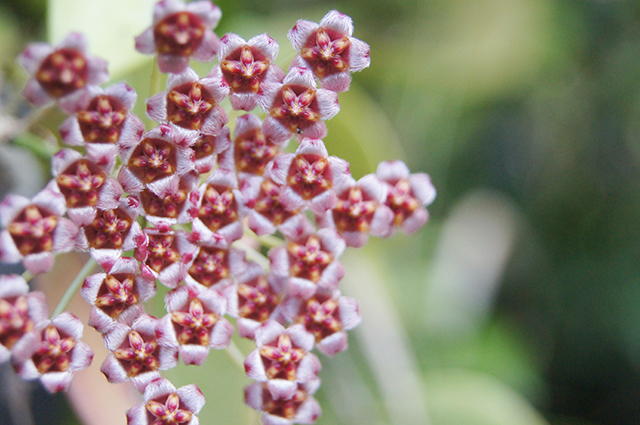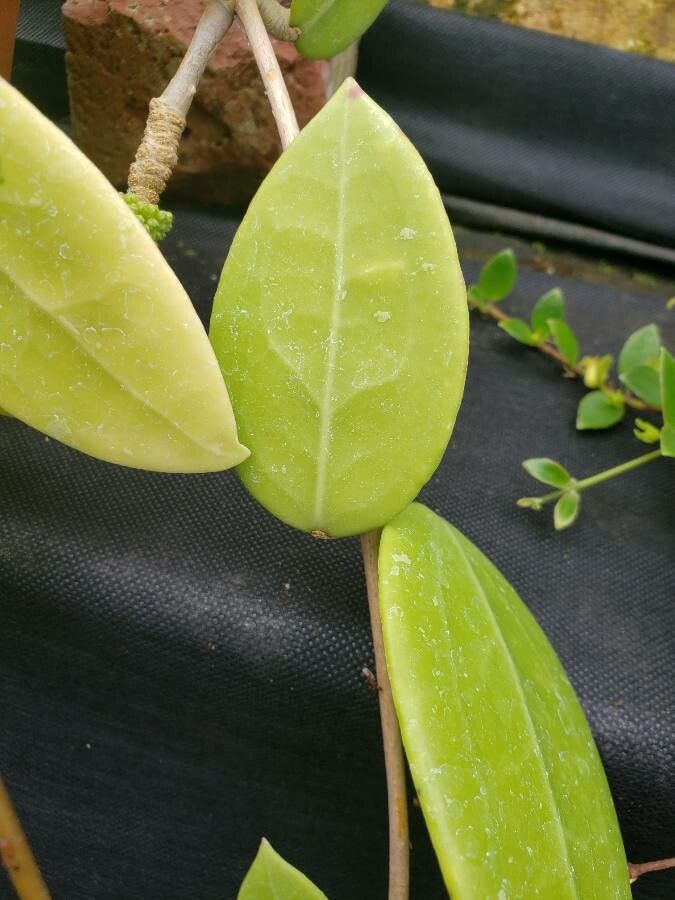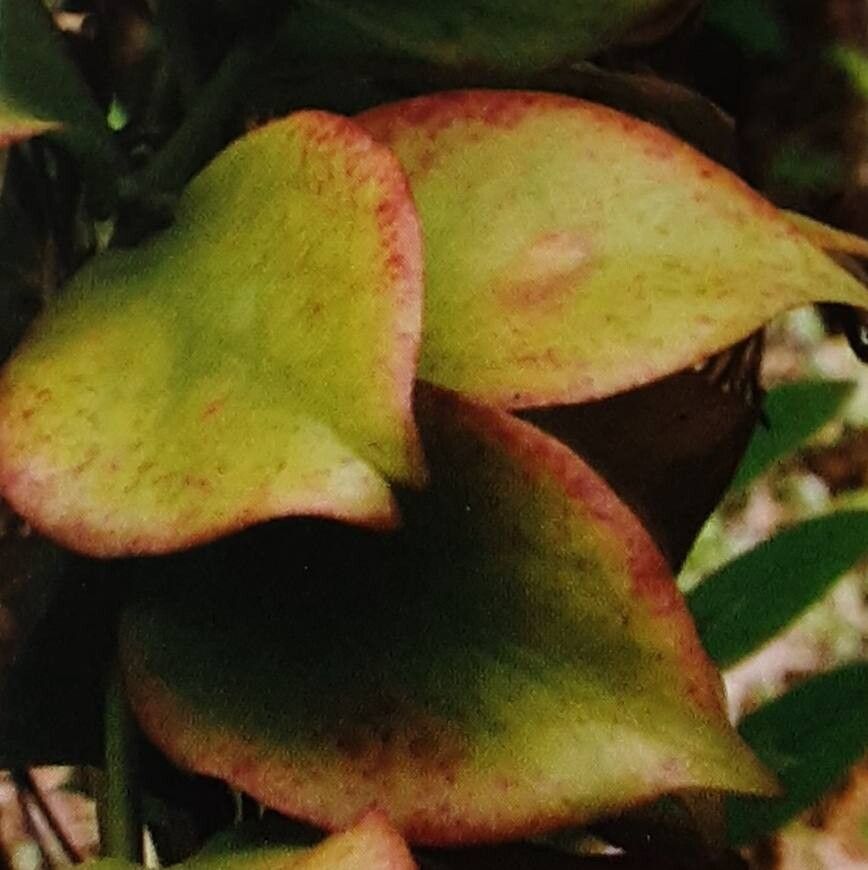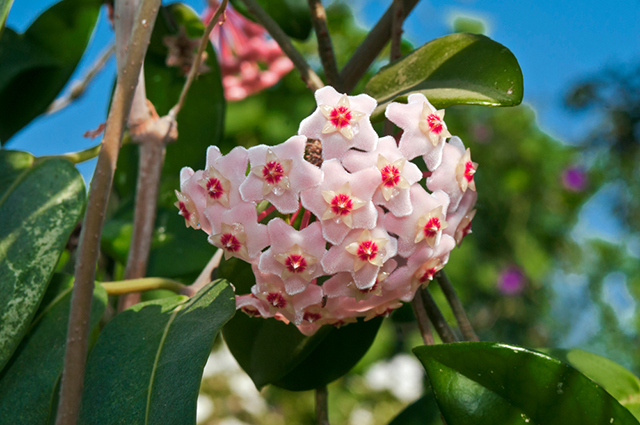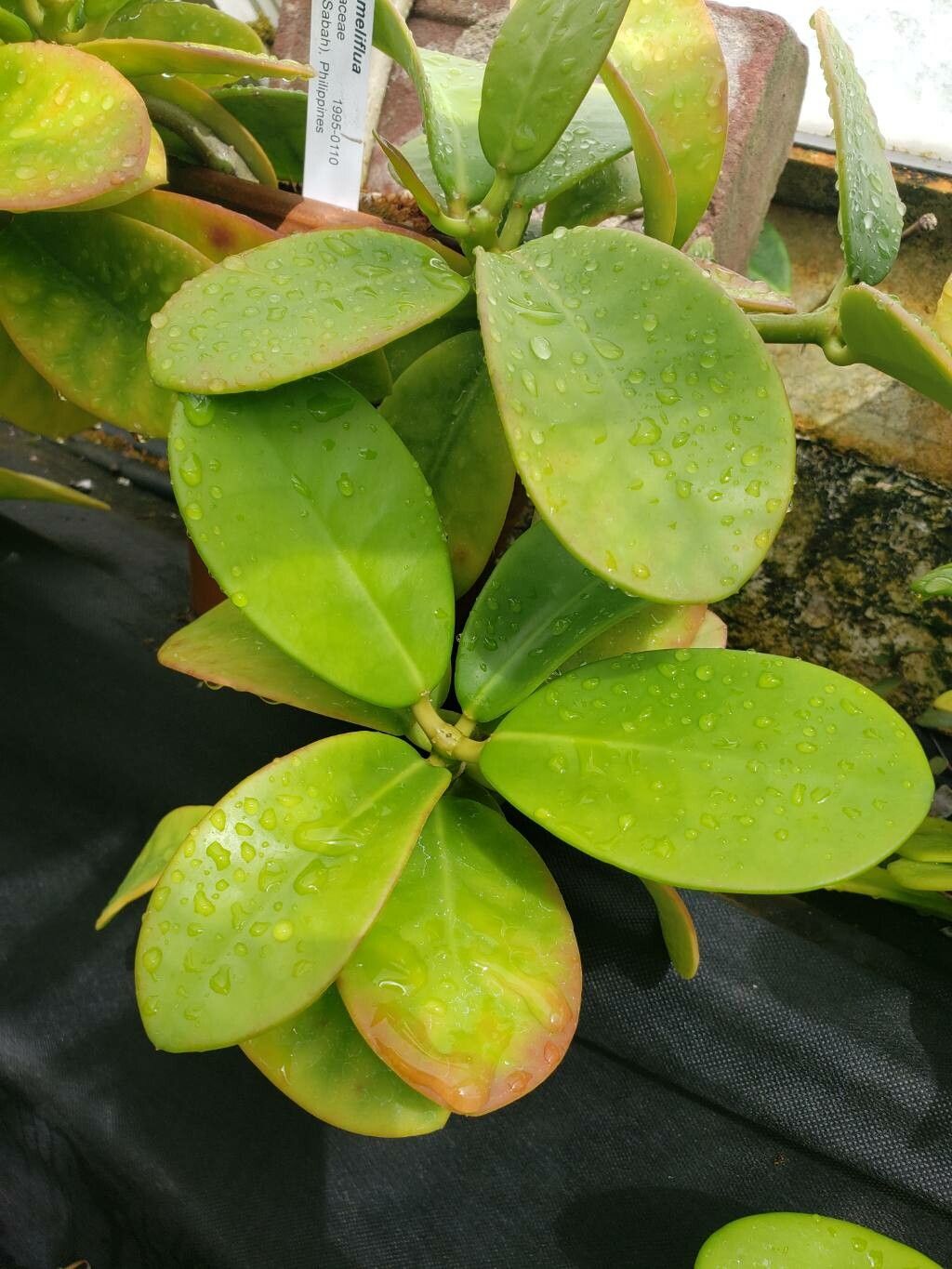
Hoya meliflua is a species of vine in the Apocynaceae family. It is endemic to the Philippines. The vine is common to Apayao, La Union, Rizal, Bataan, Laguna, Mindoro, Palawan, Negros, Panay, and Leyte.
Hoya meliflua displays strong resistance to disease and is typically not prone to illnesses. Still, if grown in a poor environment it can become more vulnerable to disease. It also experiences few insect pests. Care-wise, it has moderate needs. Providing ample sunlight is important, because inadequate light can make it more disease-prone and produce spindly growth. Since it is frequently kept indoors, it may need to be moved regularly to a bright spot. It does not need frequent watering. In general, Hoya meliflua is appropriate for most people, though it is best for those who can give it good light.
How to keep Hoya Meliflua.
Light
The Hoya meliflua originates from habitats like forest understories or stony regions, where it naturally receives partial light. While it favors semi-sunlight conditions, it is flexible enough to adjust to both full sun and full shade, showing its adaptable and robust character.
Temperature
Hoya meliflua hails from areas of the tropics that are usually hot and humid. Consequently, it is naturally suited to thrive in high warmth and dampness. This plant doesn't do well with rapid changes in temperature and favors a consistent climate, so it's crucial to prevent indoor temperature variations. It generally does not withstand cold conditions and needs high temperatures for its development. If the ambient temperature goes too low, the plant might halt its growth or possibly perish.
Fertilizer
For the care of Hoya meliflua, fertilization is essential. Consistent nourishing throughout the growth period aids in maintaining energy for vibrant leaves and encourages comprehensive development. Overlooking fertilization may lead to sickly leaves, reduced decorative attractiveness and feeble or inhibited growth susceptible to breaking.
Pot & Repot
For the repotting of Hoya meliflua, opt for a container which is 1-2 inches (2.5–5 cm) wider and that has sufficient drainage capabilities. Choose a potting blend that drains effectively. Preferably, repot during the spring or fall seasons, making certain that the root ball is positioned a little beneath the top edge of the flower container. After the repotting, generously water the plant and station it in a heat-filled location that receives diffused sunlight.
Botanical profile.
- Plant Type
- Shrub, Vine
- Life Cycle
- Perennial
- Genus
- Hoya
- Family
- Apocynaceae
- Hardiness Zone
- 10-12
- Mature Height
- 0.91 m to 3.05 m
- Mature Spread
- 49 cm to 91 cm
- Leaf Color
- Dark Green
- Leaf Type
- Evergreen
- Flower Size
- 1.02 cm to 2.03 cm
- Bloom Time
- Summer, Early fall, Mid fall
- Planting Time
- Spring, Summer, Autumn
- Harvest Time
- Fall