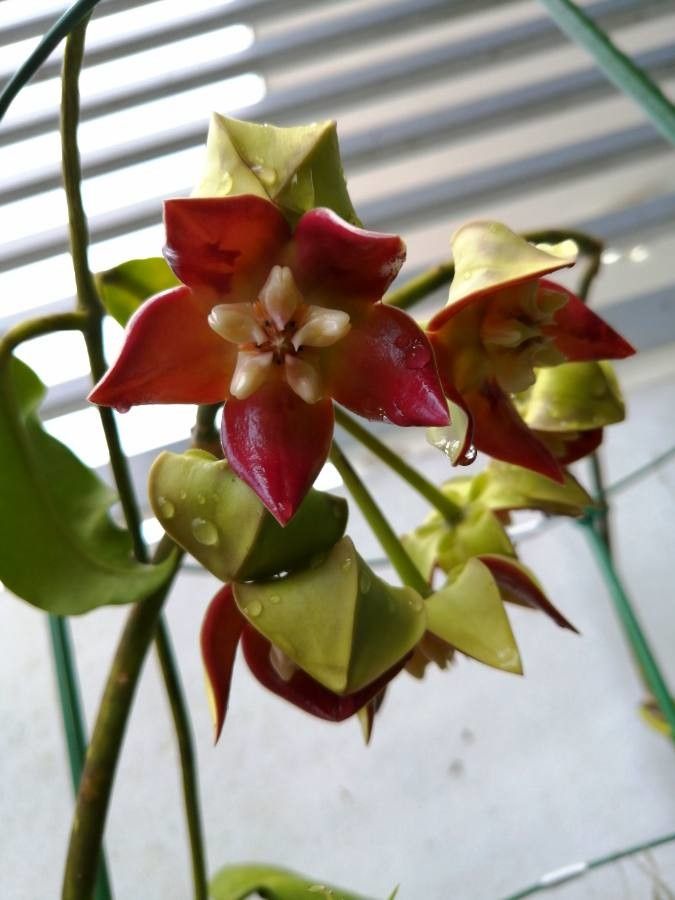
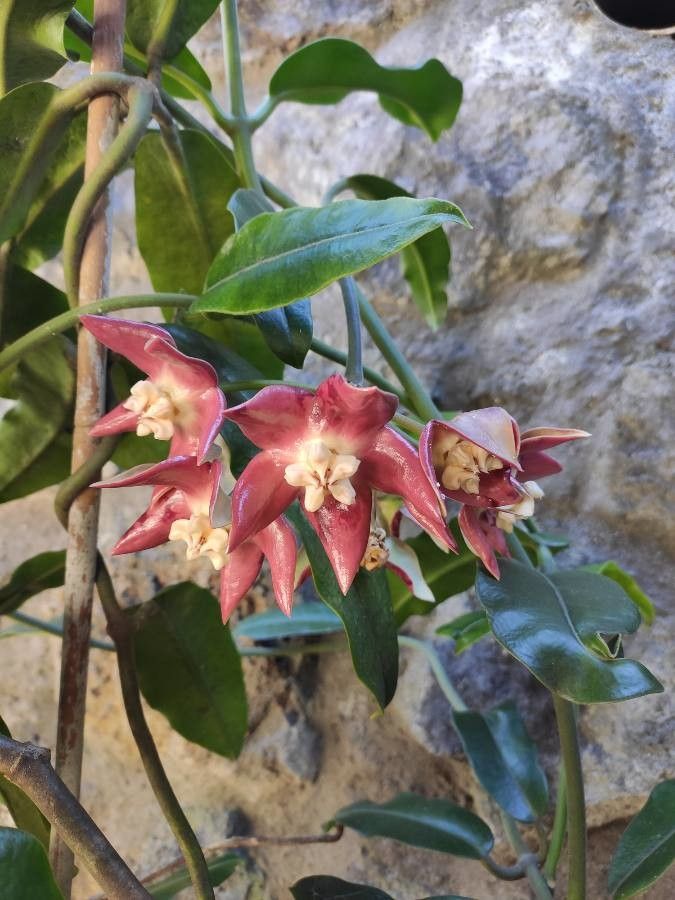
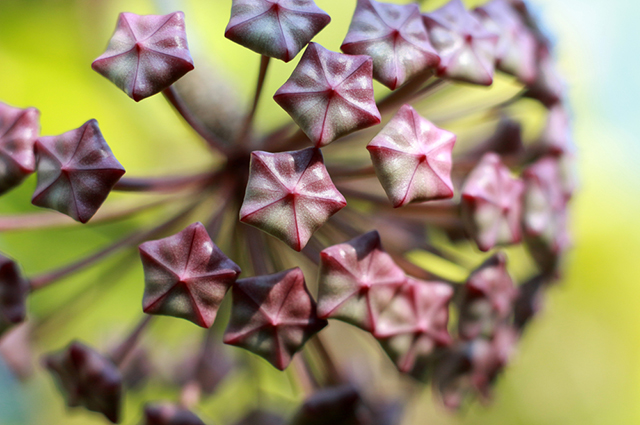
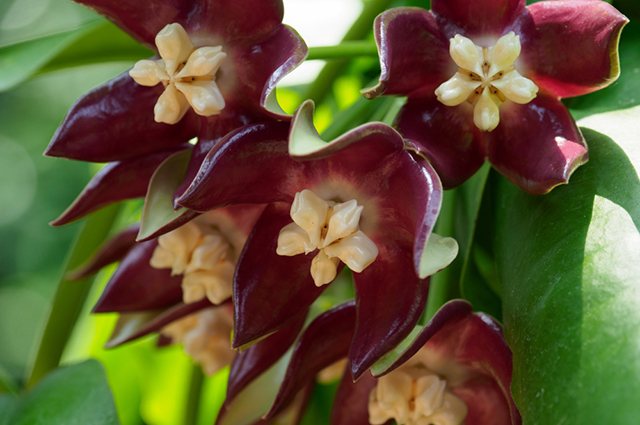
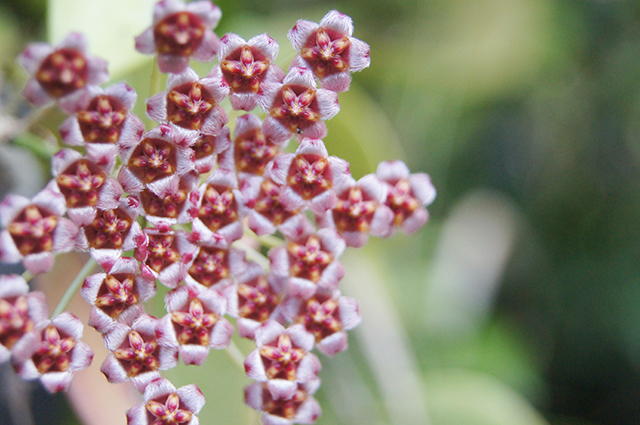
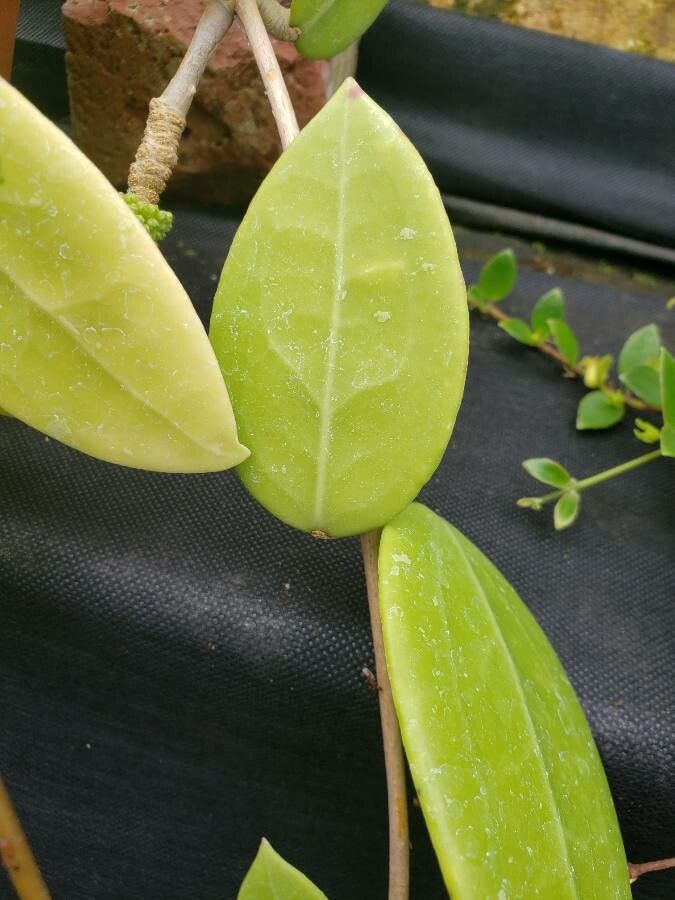
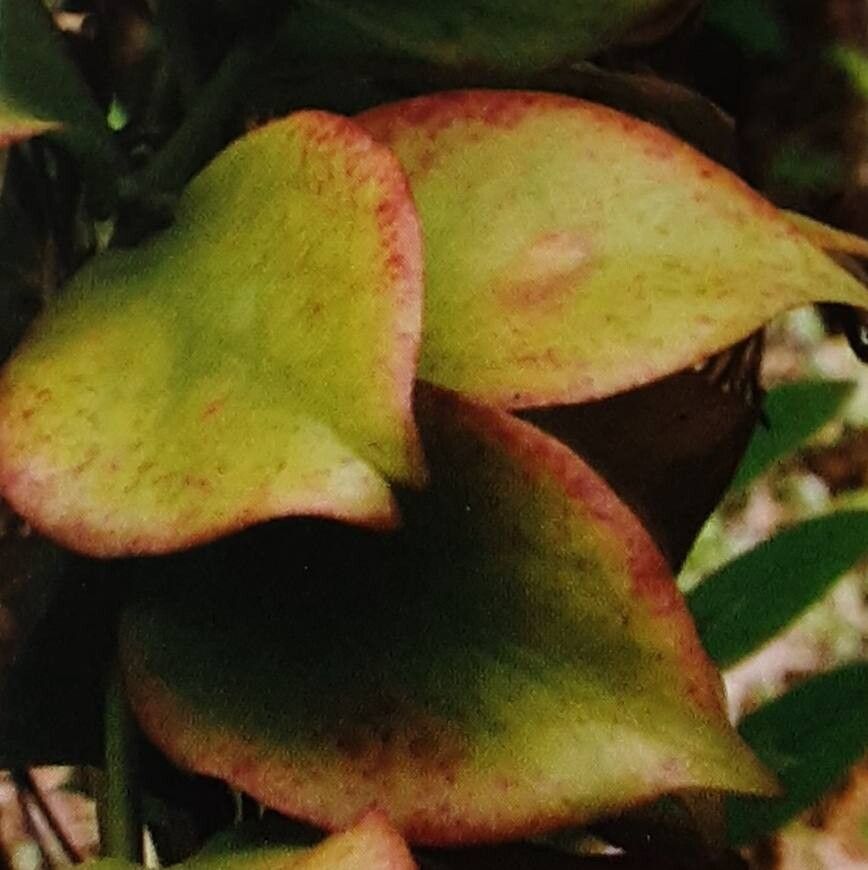
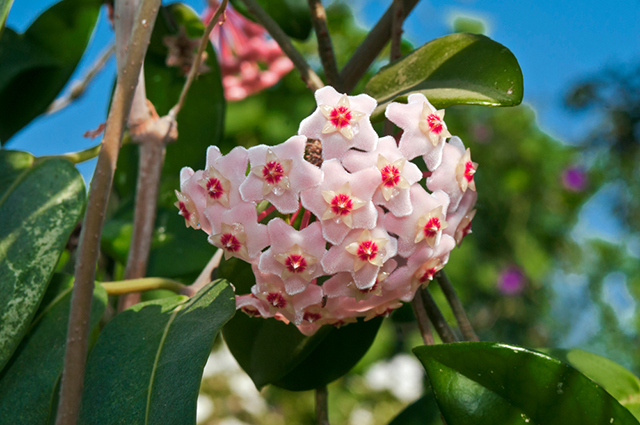
Hoya Imperialis (Hoya Imperialis), also known as the Imperia Hoya, is the Hoyas' best performer, as indicated by its name. This Malaysian vine is a rampant growth that is difficult to manage, creeping and climbing over whatever it can find and producing umbels upon umbels of the most stunning red waxy blooms all year. It has maroon to mauve blooms that are precisely star-shaped. They even have a nice spicy scent to them. The foliage is a beautiful glossy green. Hoyas, according to the University of Connecticut, are excellent air purifiers capable of absorbing hazardous volatile organic chemicals.
Hoya imperialis has a strong level of disease resistance and is generally not prone to illnesses. However, if it is kept in a poor environment it can become more vulnerable to disease. The plant also experiences relatively few insect pests. In terms of care, it has moderate requirements. Providing plenty of sunlight is important, as insufficient light can make it more susceptible to disease and cause thin, spindly growth. Because it is often grown indoors, it may need to be moved regularly to a well-lit spot. It does not need frequent watering. Overall, Hoya imperialis is appropriate for most people, though it is especially suited to those who can offer good light conditions.
How to keep Hoya Imperialis.
Light
Hoya imperialis originates from habitats like forest understories and rocky sites, where it occurs under natural shade. It prefers partial sun yet can tolerate full sun or full shade, reflecting its adaptable, hardy character.
Water
By watering your Hoyas once a week, you provide them with sufficient moisture to support their growth and health. However, allowing the soil to dry out completely before the next watering helps prevent overwatering and potential issues such as root rot.
Humidity
This plant will thrive in moderate humidity, which is probably the level in your home. However, misting it a few times a week can be very beneficial. Make sure the room has good ventilation.
Temperature
Hoya imperialis comes from tropical areas where the climate is usually warm and humid. As a result, it is adapted to high temperatures and humidity. It does not tolerate sudden temperature changes and prefers a steady thermal environment, so avoiding indoor temperature fluctuations is important. It typically cannot endure cold conditions and needs warmer temperatures for growth. If the surrounding temperature falls too low, the plant may stop growing or even die.
Fertilizer
Fertilization is essential to the care of Hoya imperialis. Consistent feeding during the growing season maintains the energy for its showy leaves and supports overall growth. Failing to fertilize can lead to unhealthy leaves, reduced ornamental appeal, and stunted or weak growth that is more prone to breakage.
Pruning
Hoya peduncles should not be pruned since the plant generates new blooms from the old peduncles. By removing the flower stalks, you force the plant to work harder to generate new flower heads.
Pot & Repot
When repotting Hoya imperialis, choose a pot 1–2 inches (2.5–5.1 cm) larger with good drainage. Use a well-draining potting mix. Repot in spring or fall, making sure the root ball sits slightly below the rim of the flower pot. Water well after repotting and place in a warm spot with indirect sunlight.
Toxicity
Ingestion of Hoya Imperialis is poisonous. Contact with milky or white sap should be avoided since it might cause skin irritation in certain people. Keep plants away from children and pets since their sap may be poisonous.
Further reading →
The toxicity and danger assessments provided are for reference only. We do not assure their accuracy, so it's crucial not to depend on them. Seek professional advice when necessary for accurate guidance.
Botanical profile.
- Plant Type
- Shrub, Vine
- Life Cycle
- Perennial
- Genus
- Hoya
- Family
- Apocynaceae
- Hardiness Zone
- 10-12
- Mature Height
- 3.05 m to 6.1 m
- Mature Spread
- 0.91 m to 2.13 m
- Leaf Color
- Dark Green
- Leaf Type
- Evergreen
- Flower Size
- 5.08 cm to 7.62 cm
- Bloom Time
- Summer, Early fall, Mid fall
- Planting Time
- Summer, Autumn
- Harvest Time
- Fall
- Native Area
- Philippines, Australia, Malaysia