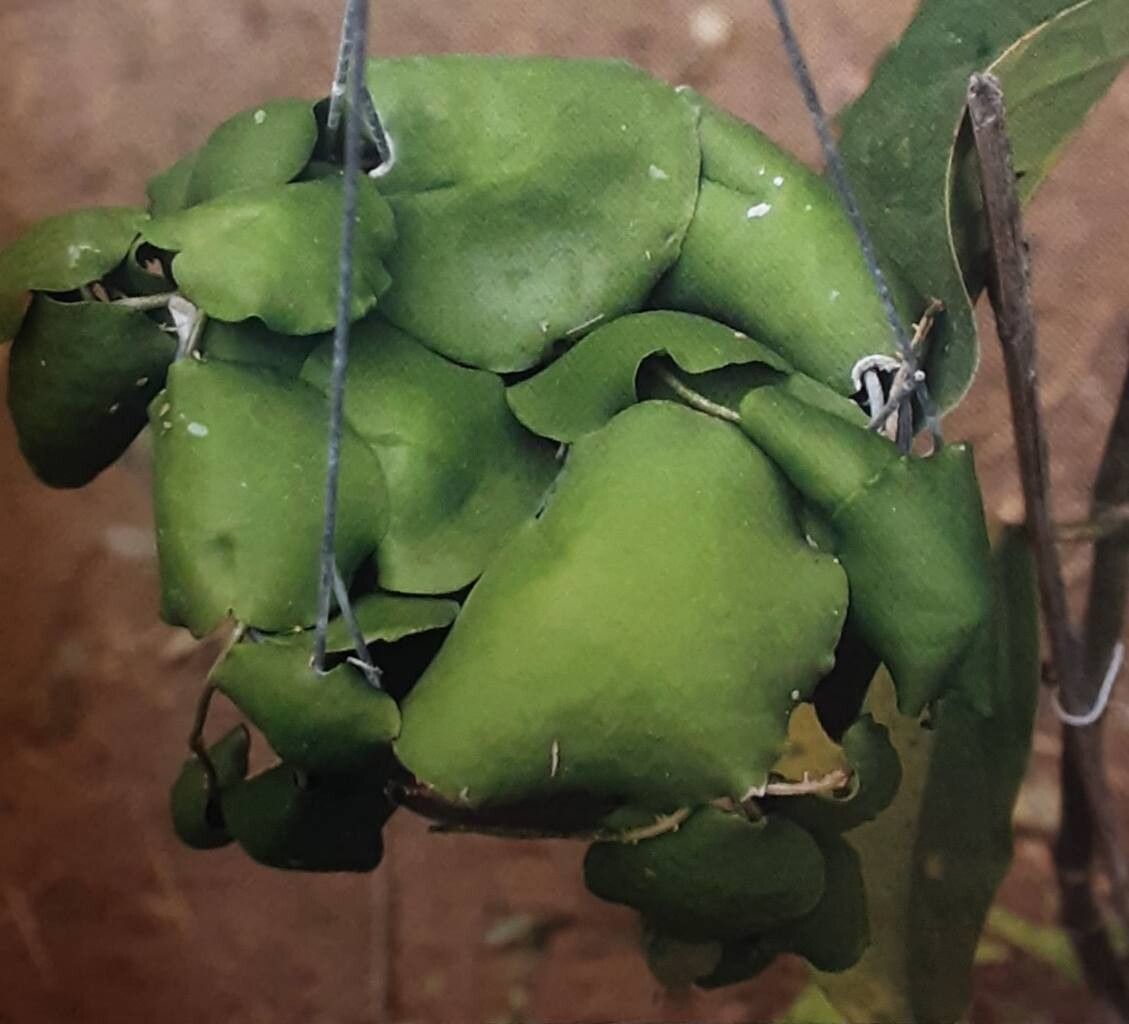
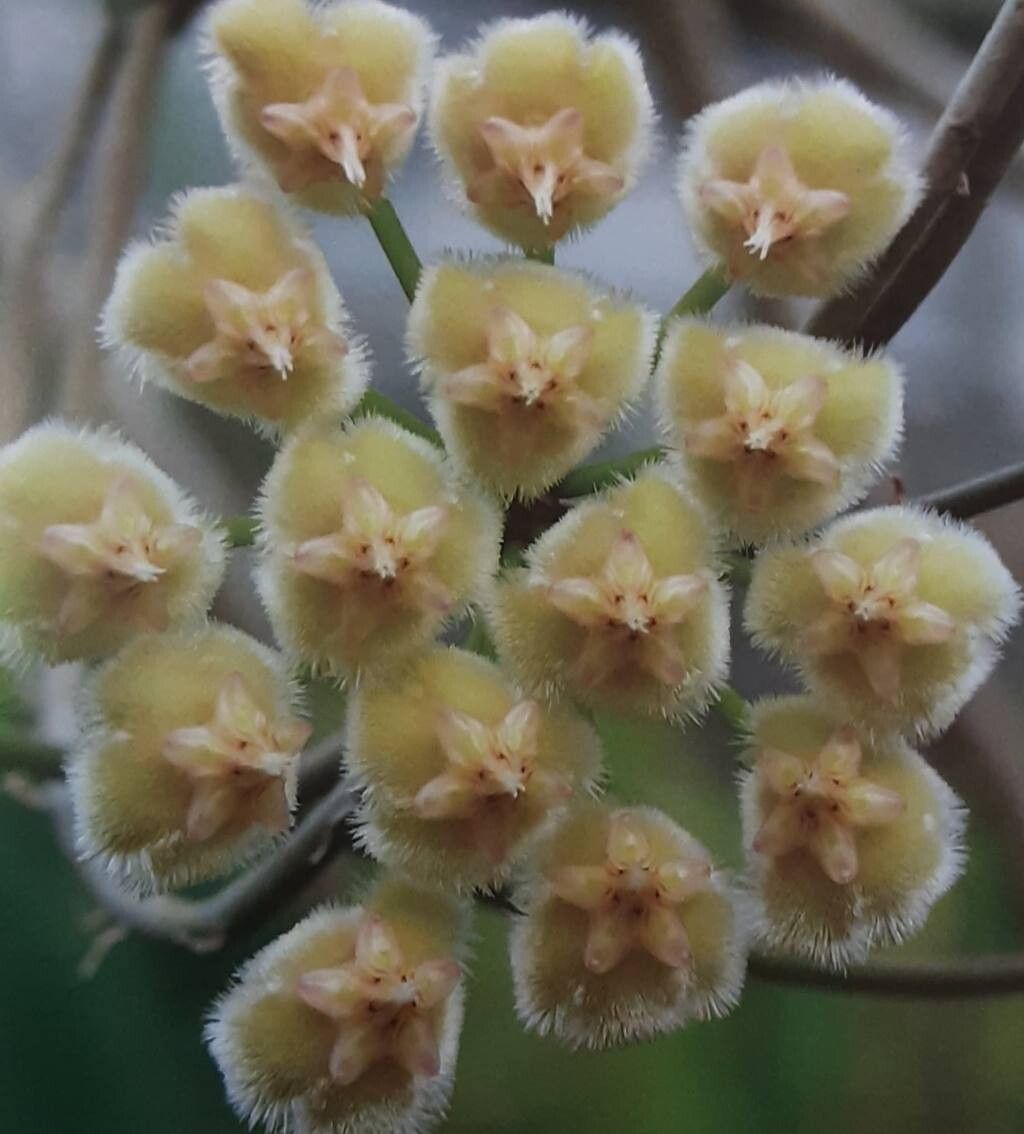
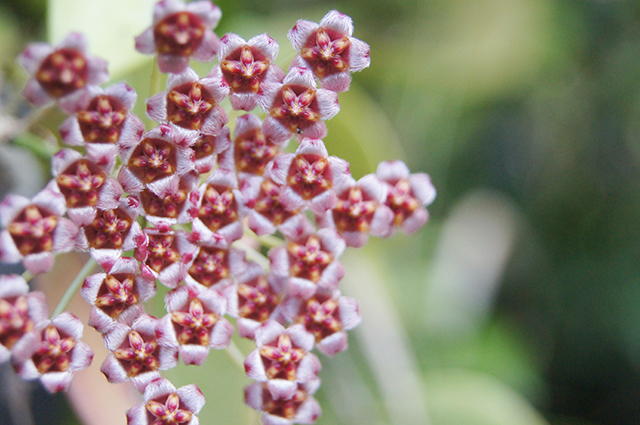
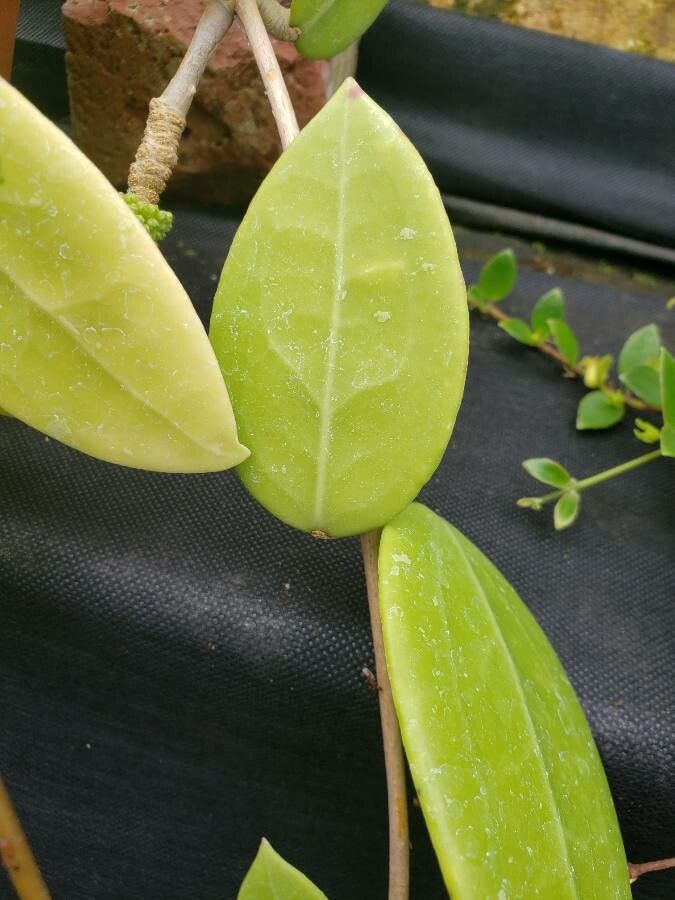
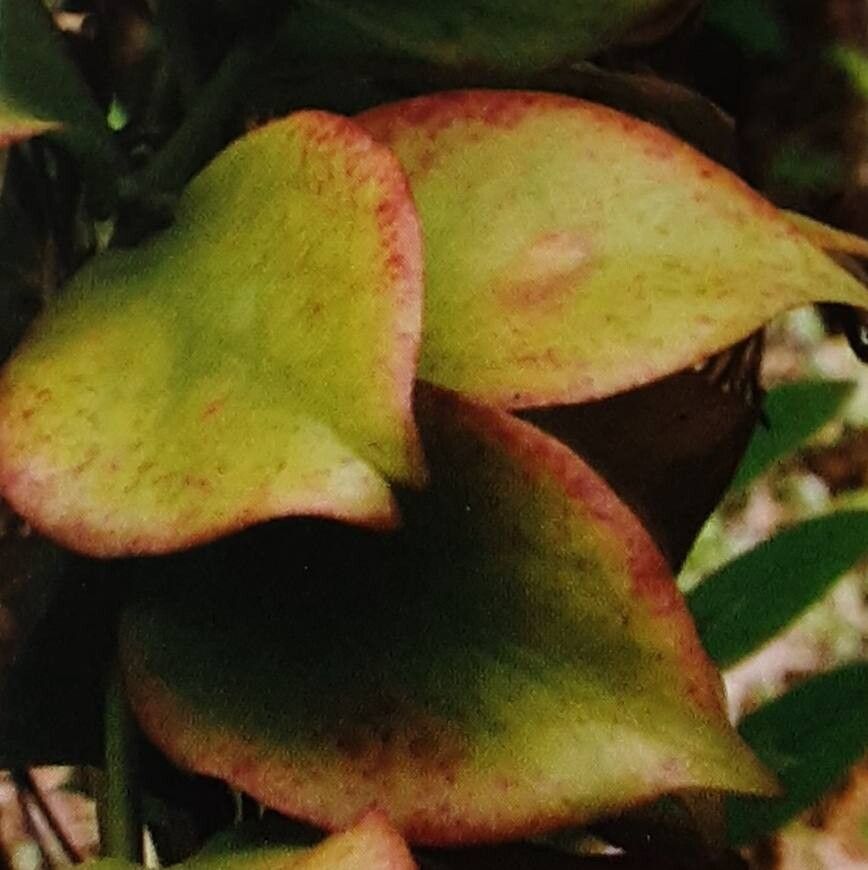
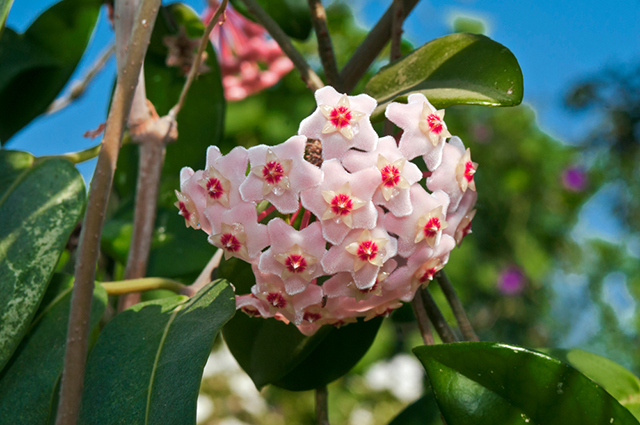
Hoya imbricata is a species of plant in the genus Hoya native to the Philippines and the Indonesian island of Sulawesi.
Hoya imbricata has a strong level of disease resistance and is generally not prone to illnesses. Nonetheless, if the plant is kept in a poor environment it can become more vulnerable to disease. It also has few insect pests. Regarding care, this plant has moderate requirements. Providing abundant sunlight is important, because with insufficient light it can become susceptible to disease and develop thin growth. Since it is often kept indoors, it may need to be moved regularly to a well-lit spot. It does not need frequent watering. Overall, Hoya imbricata is suitable for most people, though it is best for those who can supply good light conditions.
How to keep Hoya Imbricata.
Light
Hoya imbricata naturally occurs in habitats like forest understories and rocky areas, where it receives natural shade. It prefers partial sun but can also tolerate full sun or full shade, reflecting its versatile, hardy nature.
Temperature
Hoya imbricata comes from tropical areas, where the climate is typically warm and humid. As a result, it is well suited to high temperatures and humidity. It does not tolerate sudden temperature changes and favors a steady temperature, so it is important to avoid indoor temperature fluctuations. It generally cannot withstand cold and requires warmer conditions for growth. If the ambient temperature falls too low, the plant may stop growing or even die.
Fertilizer
The best time to fertilize a Hoya imbricata is in early spring when it comes out of dormancy. This supports overall growth and flower development. Fertilizing improves the foliage, stems, and branches, while encouraging large, vibrant, long-lasting flowers. It helps transfer nutrients from the roots to the flowers and enhances the plant’s health and resistance to disease.
Pot & Repot
Repot Hoya imbricata in early spring, choosing a container only marginally larger than the current one and with adequate drainage. Use a well-draining potting medium, ensuring the root ball sits at its previous depth. Carefully loosen or untangle any root-bound roots. After repotting, water thoroughly and place the plant in a warm, shaded spot. Prune regularly to keep size in check and encourage new growth.
Botanical profile.
- Plant Type
- Vine
- Life Cycle
- Perennial
- Hardiness Zone
- 9-11
- Mature Height
- 3 m
- Mature Spread
- 49 cm to 91 cm
- Leaf Color
- Green, Silver
- Leaf Type
- Evergreen
- Flower Color
- Yellow
- Flower Size
- 1.02 cm to 1.52 cm
- Bloom Time
- Summer, Early fall, Mid fall
- Planting Time
- Spring, Summer, Autumn
- Harvest Time
- Fall, Early winter, Mid winter