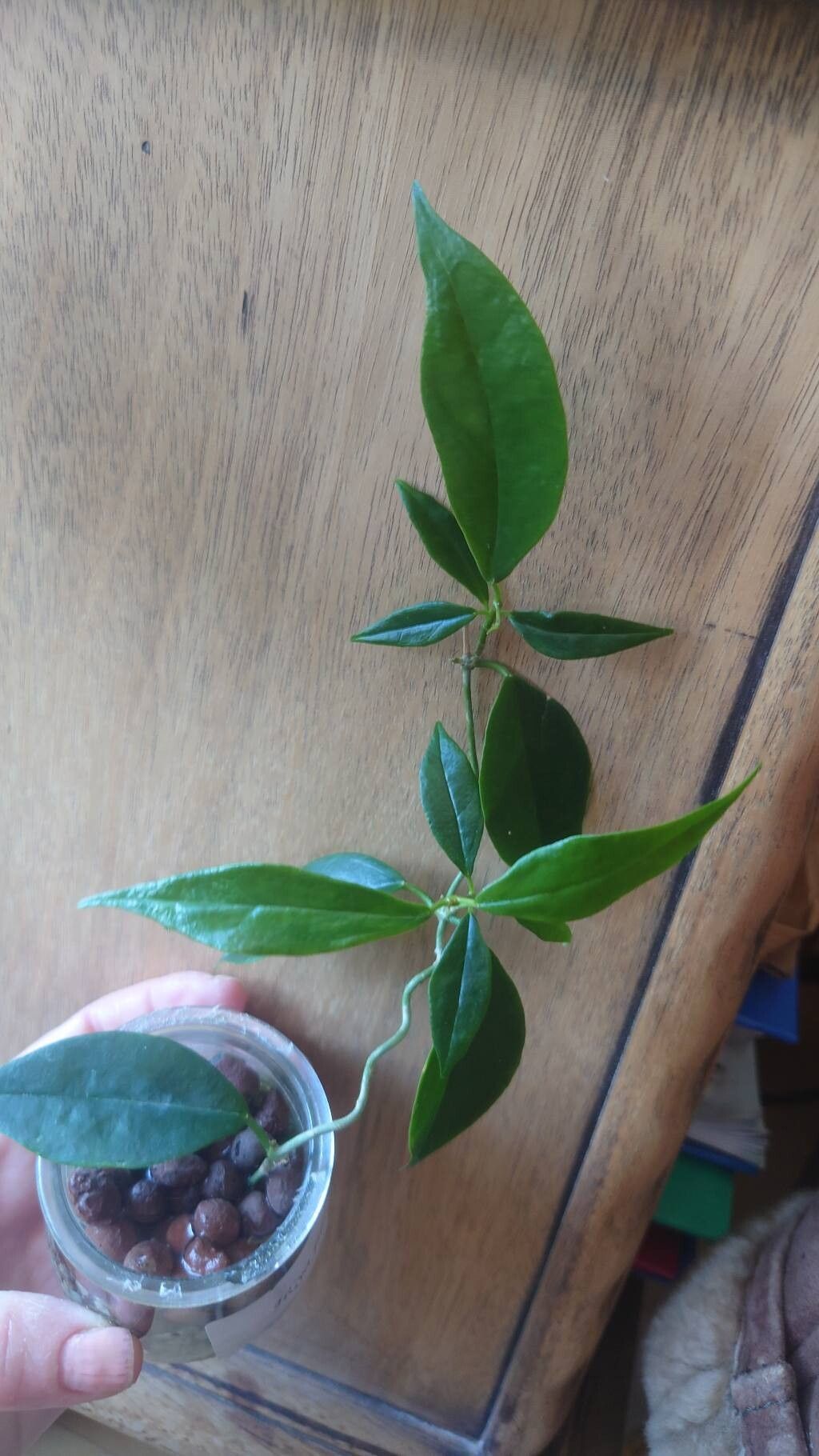
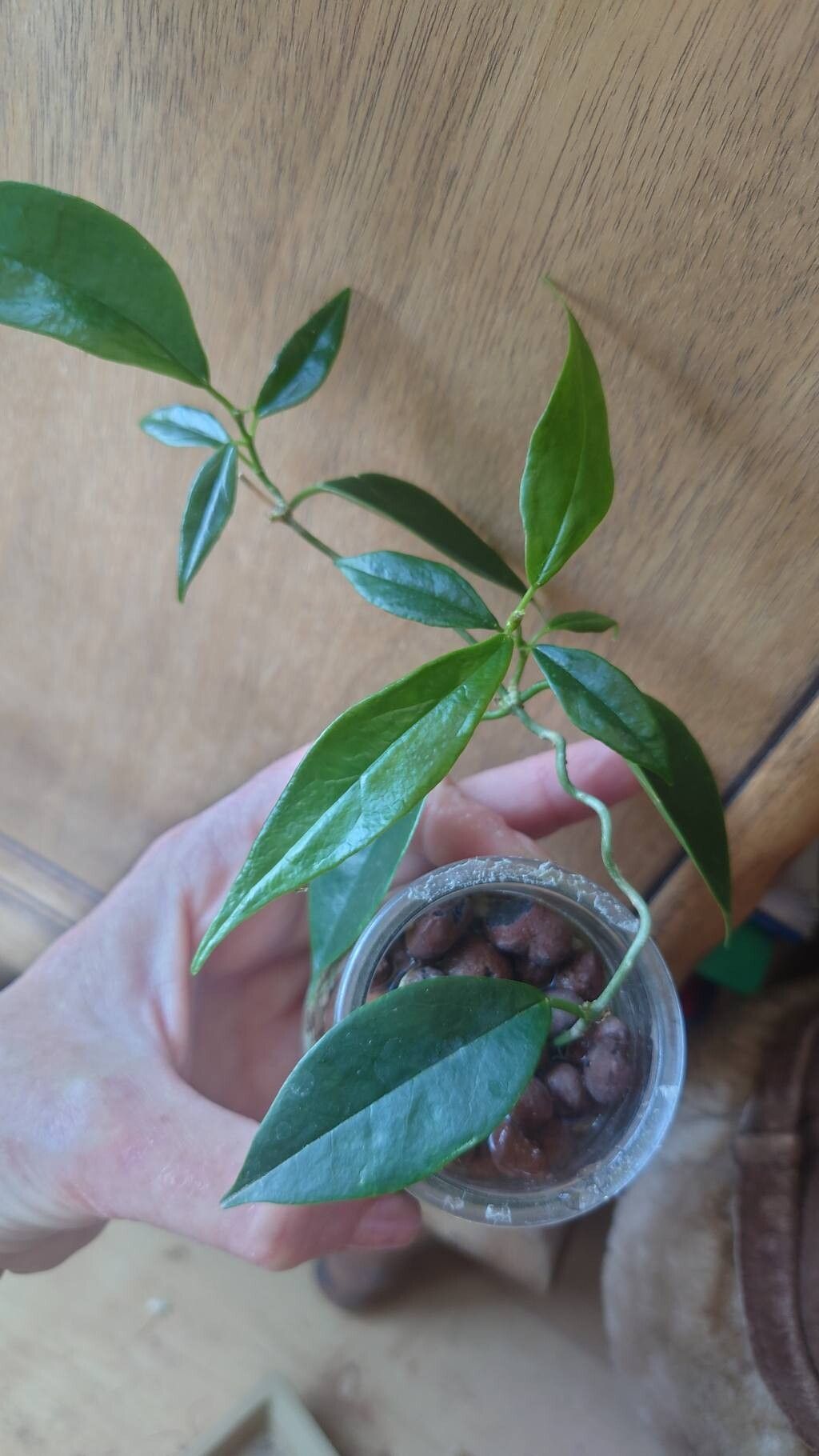
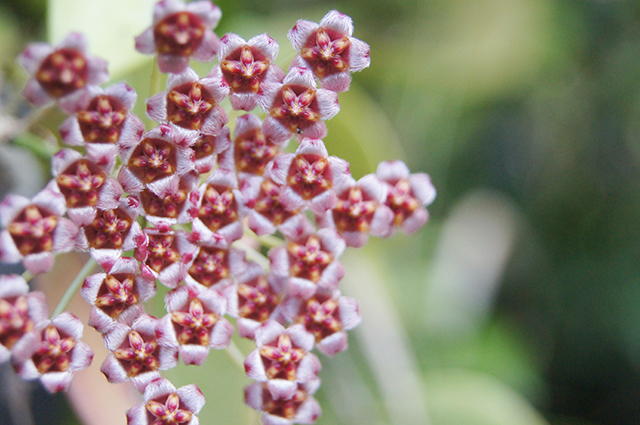
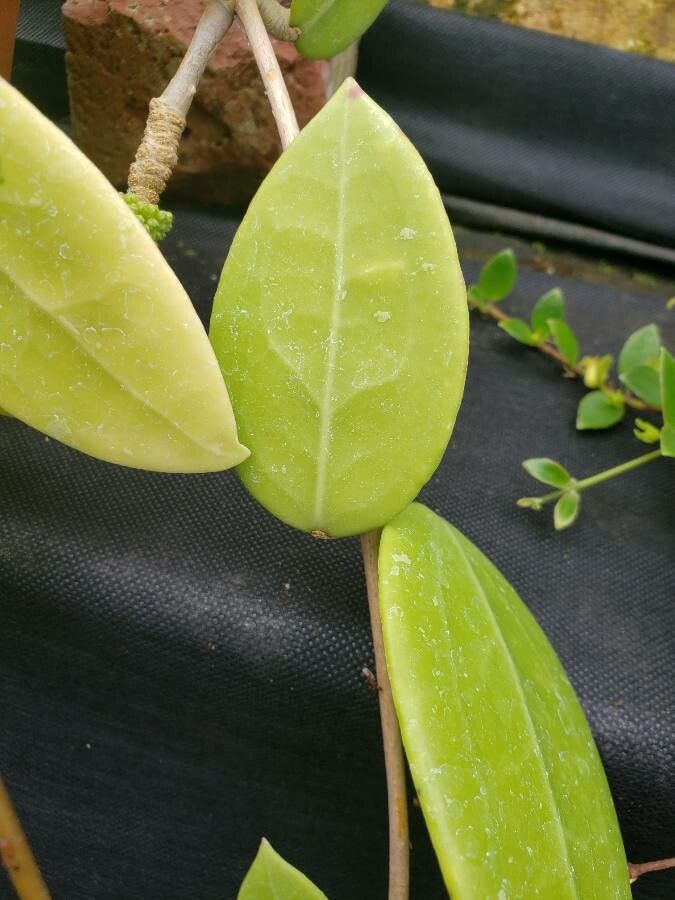
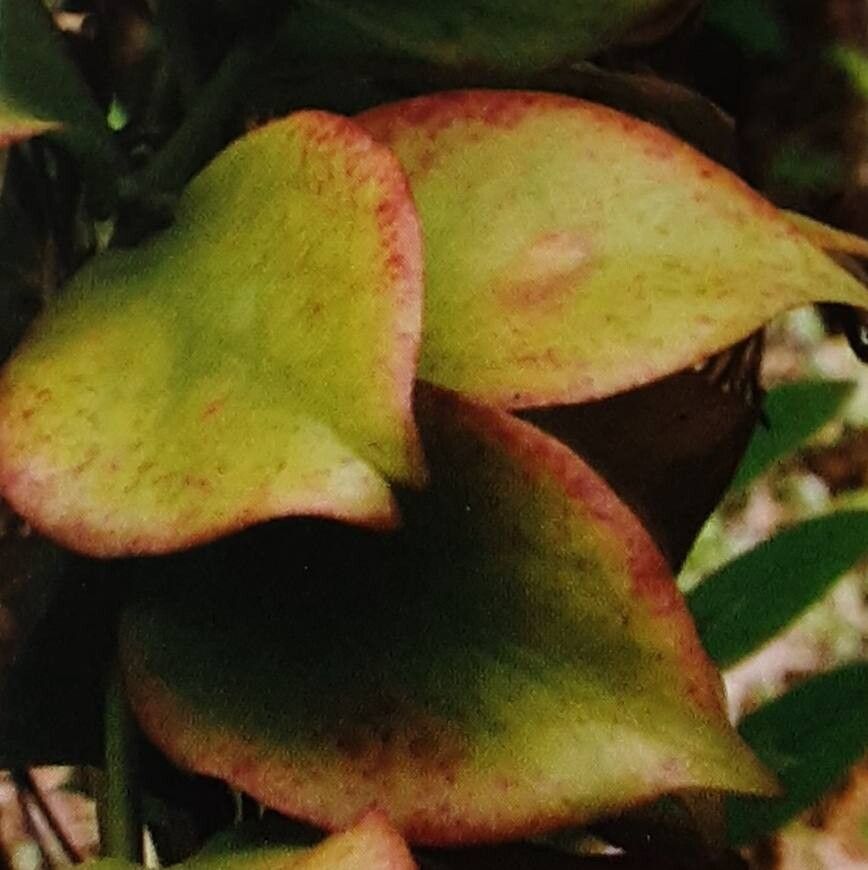
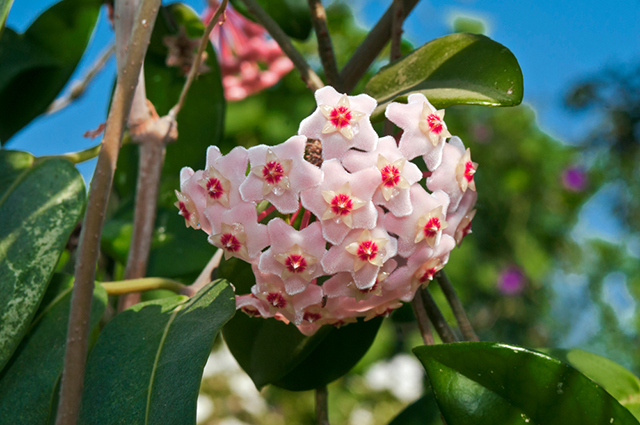
Hoya filiformis is generally disease-resistant and typically not prone to illnesses. Still, it can develop leaf spots if light and air circulation are poor and if it is overwatered. The plant is considered easy to care for, needing only regular watering and little additional maintenance. Hoya filiformis is appropriate for people who don't have some time and energy to commit to regular care.
How to keep Hoya Filiformis.
Light
Hoya filiformis naturally occurs in habitats like forest understories or rocky areas, where it grows in natural shade. It prefers partial sun but can adjust to full sun or full shade, showing its versatile and hardy nature.
Temperature
Hoya filiformis hails from the tropics, which are characteristically hot and damp. As such, it has adapted to thrive in conditions of high heat and humidity. Large, abrupt shifts in temperature are not favorable to it and it prefers a consistent thermal environment. Hence, it's vital to prevent variations in indoor temperatures. It generally cannot withstand cold environments and needs elevated temperatures to grow. A significant decrease in ambient temperature might halt its growth or even cause its demise.
Fertilizer
Hoya filiformis needs the most fertilizer during its active growth period, which is mainly in spring, summer, and early fall. Fertilization supplies essential nutrients that the soil might be missing, supporting healthy root and stem development and maintaining the attractive foliage that is a notable characteristic of this plant.
Pot & Repot
When transplanting Hoya filiformis, select a pot that's 1-2 inches (2.5-5 cm) larger and has sufficient drainage. Opt for a potting mix that drains well. Carry out the repotting process in spring or fall, making sure the root ball sits a bit below the edge of the pot. After replanting, provide ample water and position it in a heated location that gets indirect sunlight.
Botanical profile.