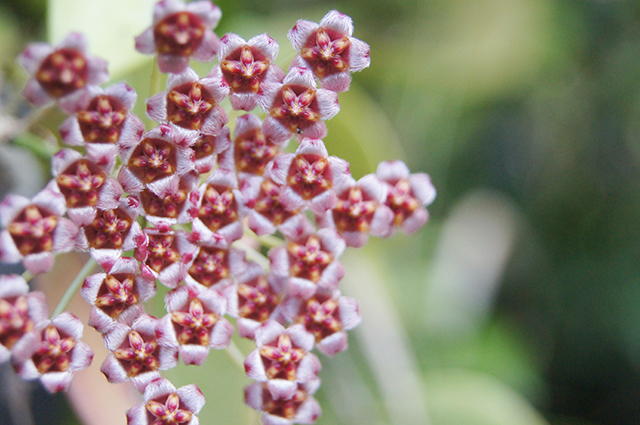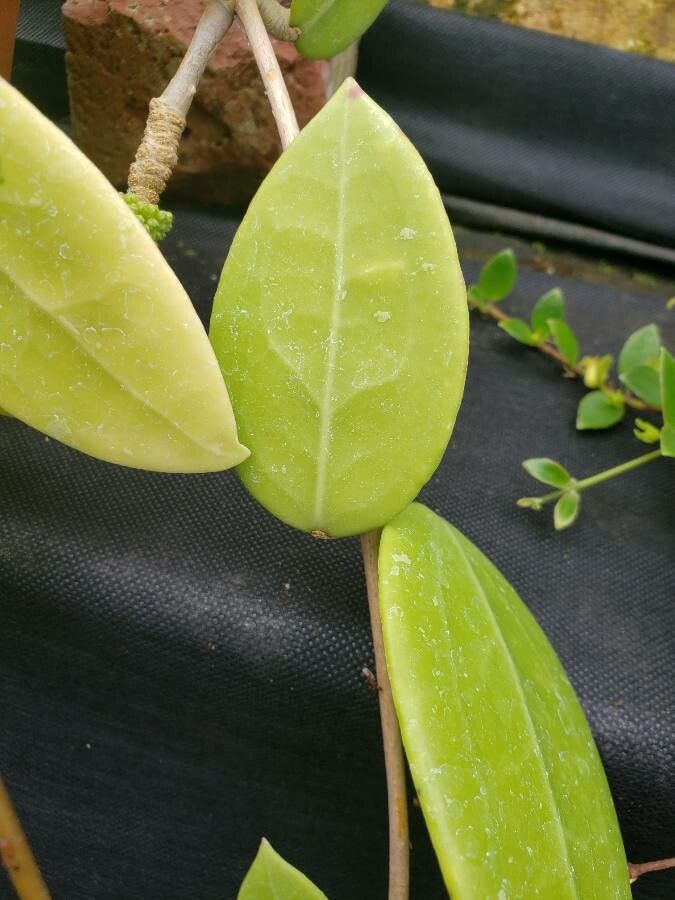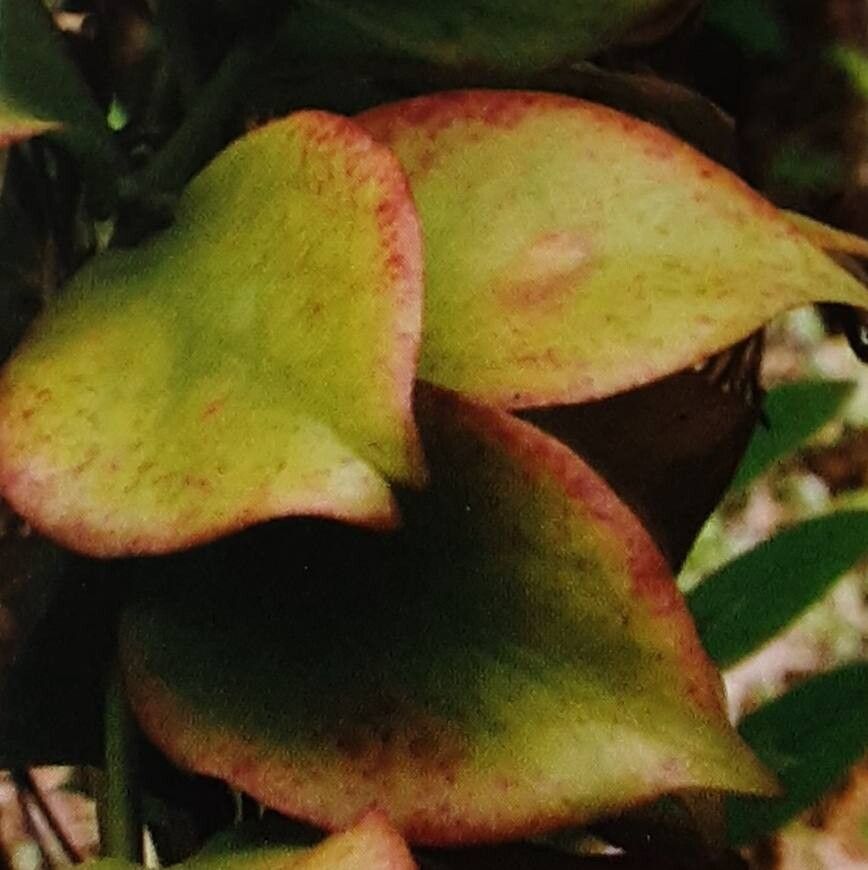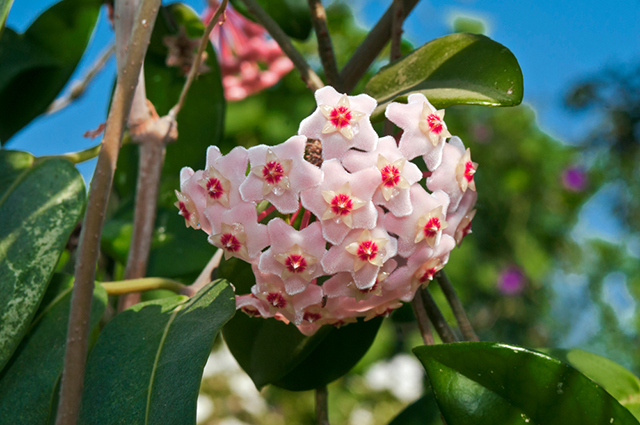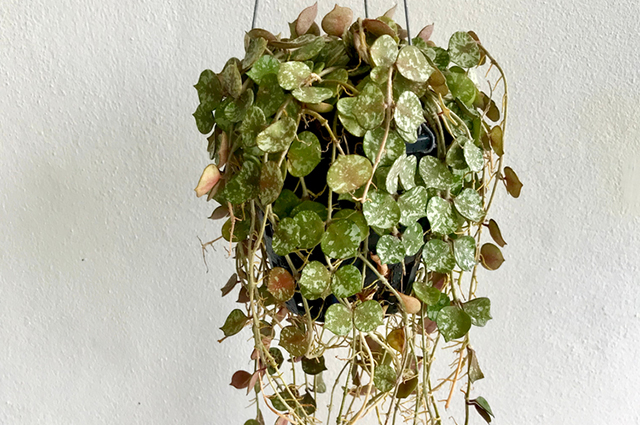
Hoya curtisii is a species of flowering plant in the genus Hoya. It is native to Southeast Asia across Thailand, the Philippines, Borneo, and Malaysia. The species has easily recognizable foliage among Hoyas with small, pointed leaves and silver variegation. Like many Hoyas, it grows as a creeping epiphyte.
Hoya curtisii exhibits good resistance to diseases and is generally not prone to them. Still, if the plant is kept in poor conditions it can become more vulnerable to illness. It also attracts few insect pests. Regarding care, this species has moderate requirements. Providing ample sunlight is important, because inadequate light can make it more susceptible to disease and cause thin growth. Since it is often grown indoors, it may need to be moved regularly to a brighter spot. It does not need frequent watering. In general, Hoya curtisii is suitable for most people, though it is best for those who can give it strong light conditions.
How to keep Hoya Curtisii.
Light
Hoya curtisii comes from habitats such as forest understories or rocky areas where it grows in natural shade. It favors partial sun but can tolerate full sun or full shade, reflecting its hardy, adaptable nature.
Water
Hoya curtisii thrives with moderate watering and balanced humidity, requiring water every 1-2 weeks. As an evergreen plant, it retains its leaves year-round and efficiently uses water for photosynthesis, even in drier conditions. Originating from tropical rainforests, it is well-suited to humid environments.
Humidity
This plant will thrive in moderate humidity, which is probably the level in your home. However, misting it a few times a week can be very beneficial. Make sure the room has good ventilation.
Temperature
Hoya curtisii comes from tropical areas where the climate is typically warm and humid. Therefore it is well suited to high temperatures and humidity. It does not tolerate sudden temperature changes and prefers a consistent thermal environment, so avoiding indoor temperature swings is important. It generally cannot withstand cold and needs warmer conditions to grow. If the surrounding temperature falls too low, the plant may stop growing or even die.
Fertilizer
The best time to feed a Hoya curtisii is in early spring, when it comes out of dormancy. Doing so supports overall growth and the development of flowers. Fertilizing benefits the leaves, stems, and branches, and encourages flowers that are large, colorful, and long-lasting. It helps move nutrients from the roots to the blooms and strengthens the plant's health and resistance to disease.
Pruning
Hoya curtisii is a trailing epiphyte known for its heart-shaped leaves. To encourage growth and maintain its shape, prune the plant in early spring by removing dead or leggy stems above a leaf node. This process enhances airflow, improves light penetration, and supports blooming, resulting in a healthier and more attractive plant.
Pot & Repot
Repot Hoya curtisii in early spring, choosing a container only slightly larger than the current one that has proper drainage. Use a well-draining potting mix and place the root ball at the same depth as before. Gently tease apart any root-bound roots. After repotting, water thoroughly and put the plant in a warm, shady spot. Regular pruning will help keep its size in check and encourage new growth.
Toxicity
According to The University of Kansas Health System, hoya's leaves and sap are non-toxic to humans and pets. Still, if your child or pet eats them, it's best to call your doctor or veterinarian for advice.
Further reading →
The toxicity and danger assessments provided are for reference only. We do not assure their accuracy, so it's crucial not to depend on them. Seek professional advice when necessary for accurate guidance.
Botanical profile.
- Plant Type
- Vine
- Life Cycle
- Perennial
- Genus
- Hoya
- Family
- Apocynaceae
- Hardiness Zone
- 10-11
- Mature Height
- 91 cm
- Mature Spread
- 49 cm
- Leaf Color
- Green, Silver, Purple
- Leaf Type
- Evergreen
- Flower Color
- Pink, White
- Flower Size
- 0.51 cm to 0.76 cm
- Bloom Time
- Summer, Early fall, Mid fall
- Planting Time
- Spring, Summer, Autumn
- Harvest Time
- Fall
- Native Area
- Philippines, Malaysia