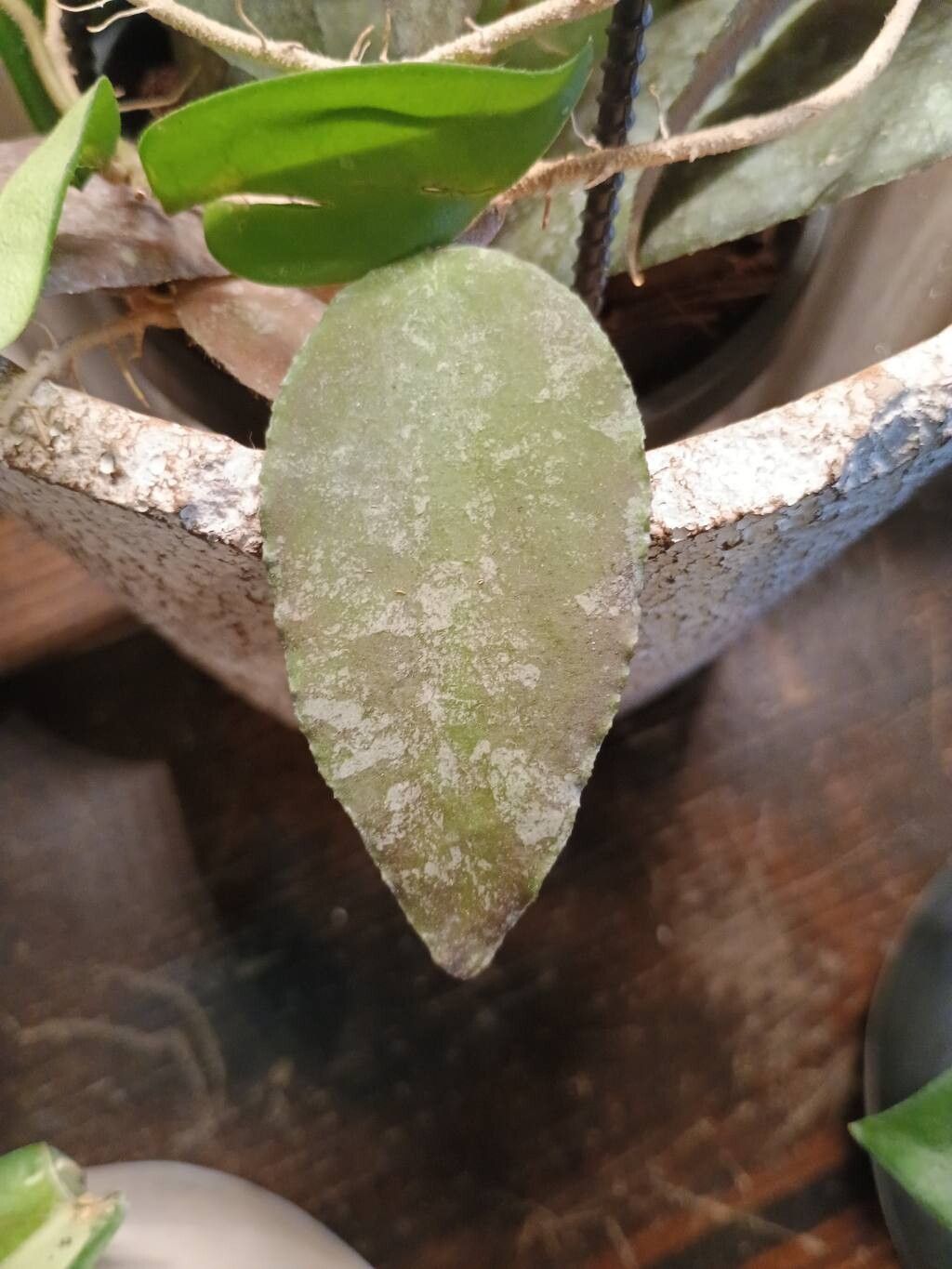
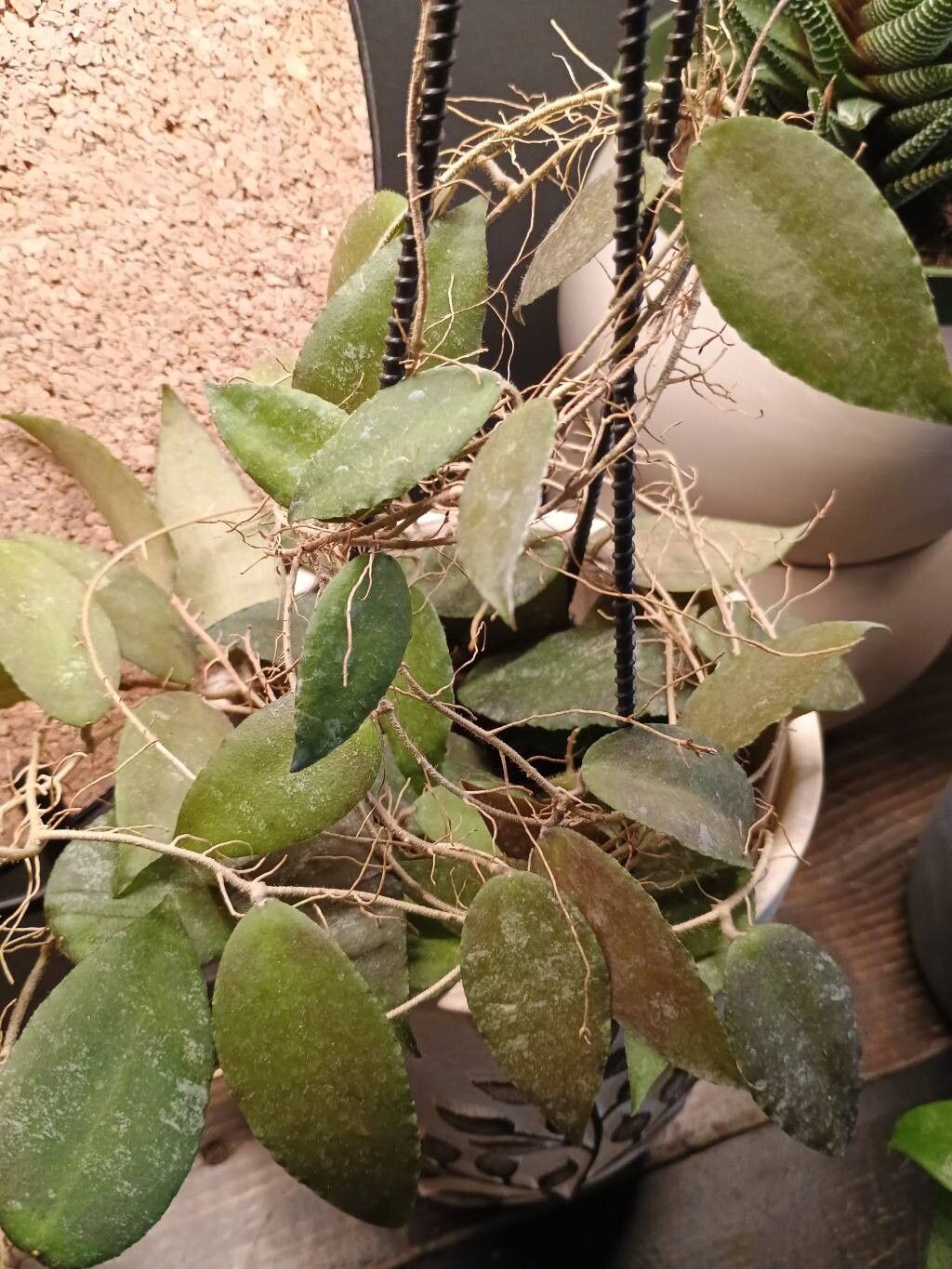
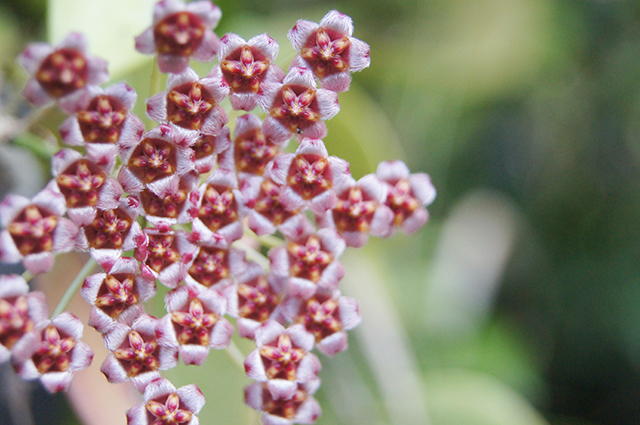
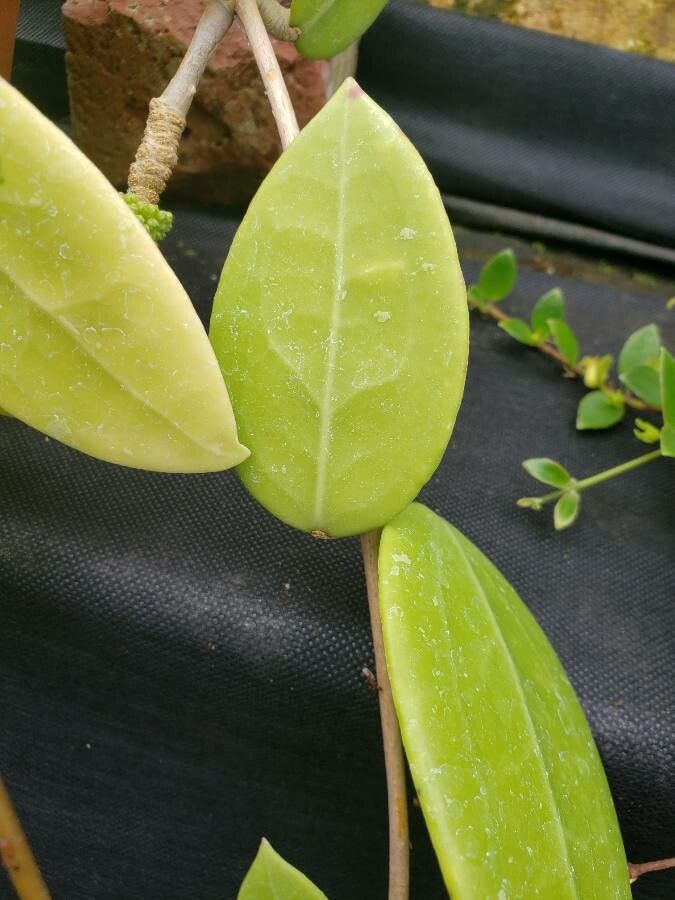
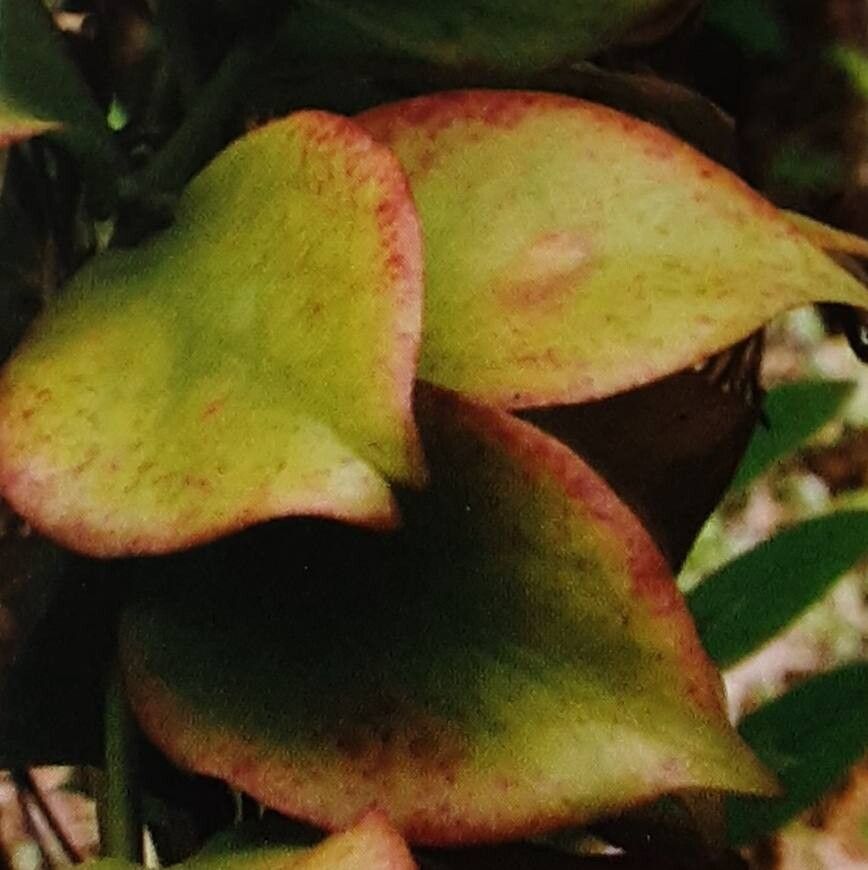
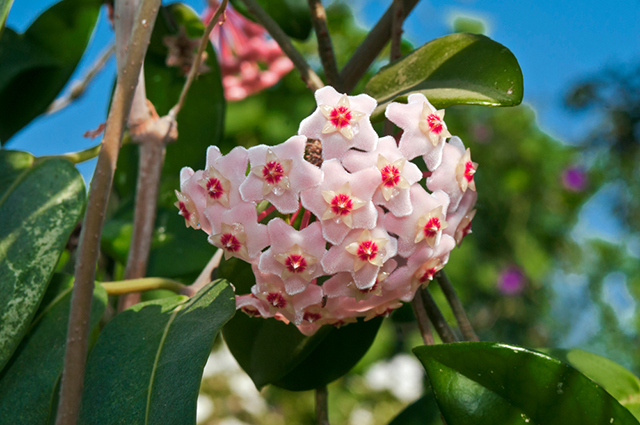
Hoya caudata is a species of Hoya native to Southern Thailand to West Malesia.
Hoya caudata is fairly resistant to disease and generally not prone to illnesses. Still, if the plant is maintained in poor conditions it can become more vulnerable to disease. It is also affected by few insect pests. Regarding care, this plant has moderate requirements. It needs plenty of light, since insufficient light can make it more susceptible to disease and produce weak, leggy growth. Because it is often kept indoors, it may need to be moved regularly to a bright spot. It does not need frequent watering. Overall, Hoya caudata is appropriate for most people, though it is best for those who can provide strong light.
How to keep Hoya Caudata.
Light
Hoya caudata naturally thrives in habitats like understories of forests or rocky regions where it receives organic shade. It flourishes the most under partial sun exposure but can also adapt to extreme conditions of full sun or full shade, showing its adaptable and robust character.
Temperature
Hoya caudata hails from the tropics, areas characterized by a consistently hot and moist climate. Consequently, it is highly suited to conditions of high heat and humidity. It does not favor abrupt changes in temperature and thrives best in a constant-temperature setting, meaning it's key to prevent variations in indoor temperature. This plant generally cannot withstand chilly conditions and needs a warmer environment to grow well. A significant decrease in the surrounding temperature could potentially halt its growth or cause its demise.
Fertilizer
The care of Hoya caudata greatly relies on fertilization. Providing the plant with consistent nourishment throughout the growth phase aids in maintaining vigor for flashy leaves and bolstering overall development. Failure to fertilize can lead to unhealthy leaves, reduced decorative attractiveness, and hindered or frail growth that's susceptible to damage.
Pot & Repot
While repotting Hoya caudata, opt for a pot that is 1-2 inches (2.5-5 cm) larger, ensuring it possesses sufficient drainage. Employ a potting mix that provides good drainage. Perform the repotting process during spring or fall, positioning the root ball slightly beneath the flower pot's rim. Following repotting, amply water the plant and position it at a warm location that receives indirect sunlight.
Botanical profile.
- Plant Type
- Vine
- Life Cycle
- Perennial
- Hardiness Zone
- 10-12
- Mature Height
- 0.91 m to 2.13 m
- Mature Spread
- 49 cm to 91 cm
- Leaf Color
- Dark Green
- Leaf Type
- Evergreen
- Flower Size
- 1.02 cm to 1.52 cm
- Bloom Time
- Summer, Early fall, Mid fall
- Planting Time
- Spring, Summer, Autumn
- Harvest Time
- Fall
- Native Area
- Malaysia, Thailand