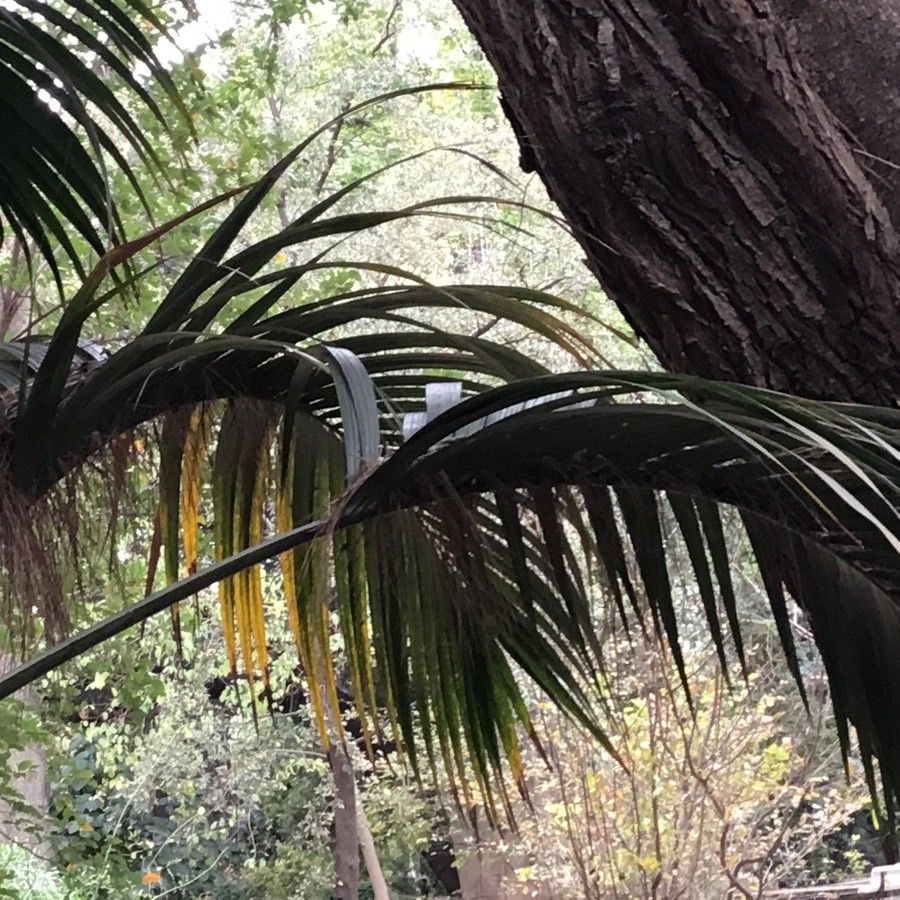
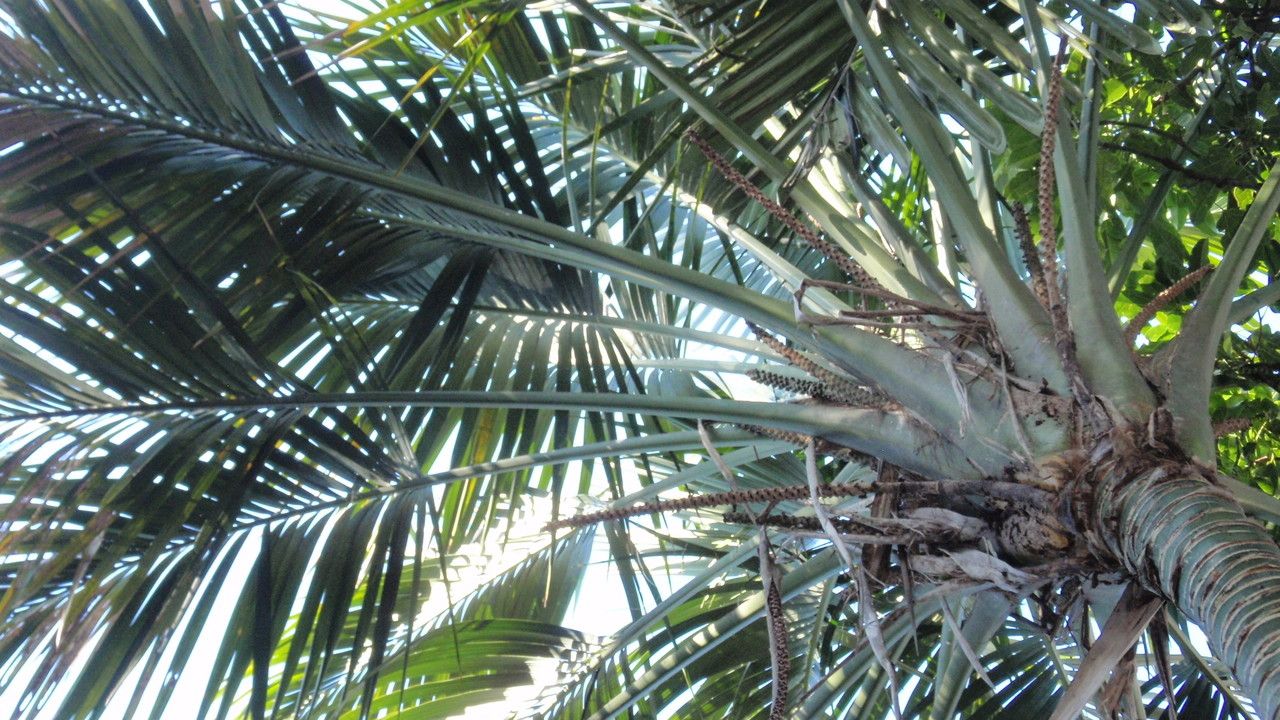
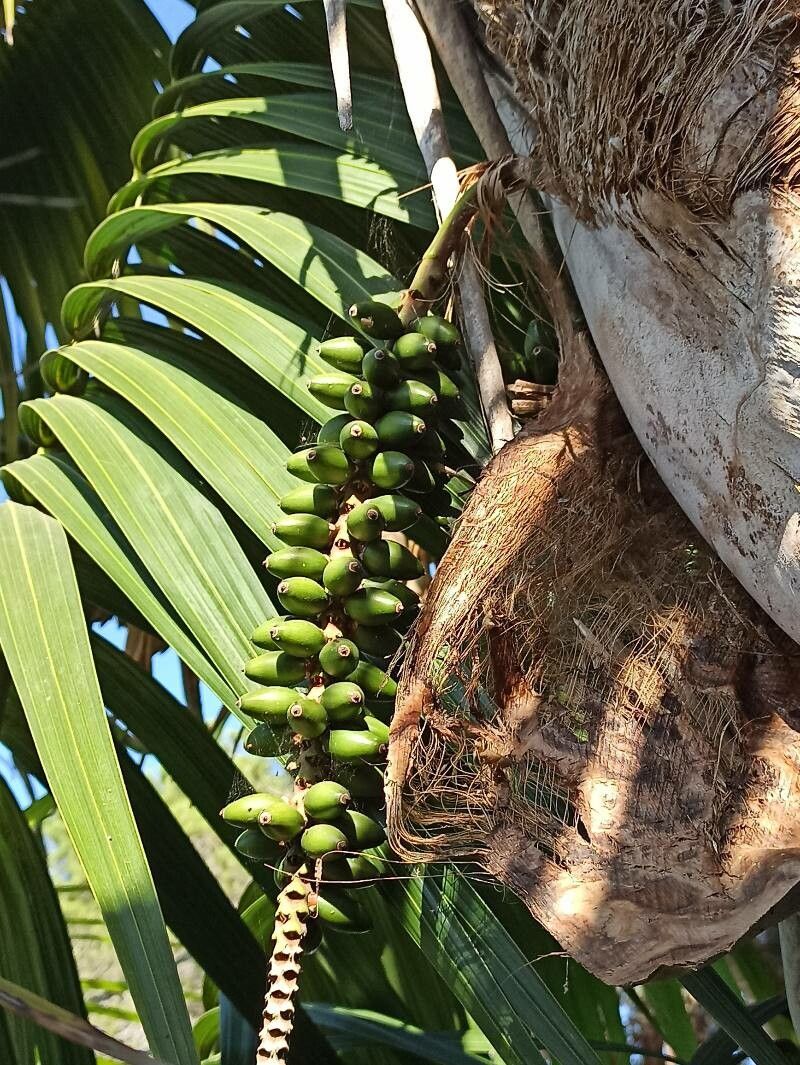
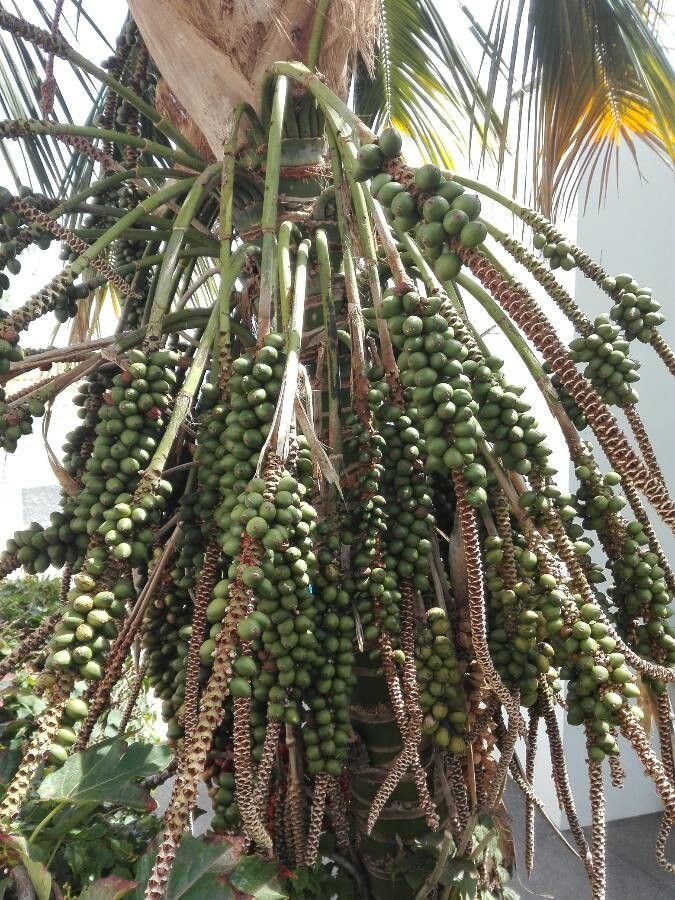
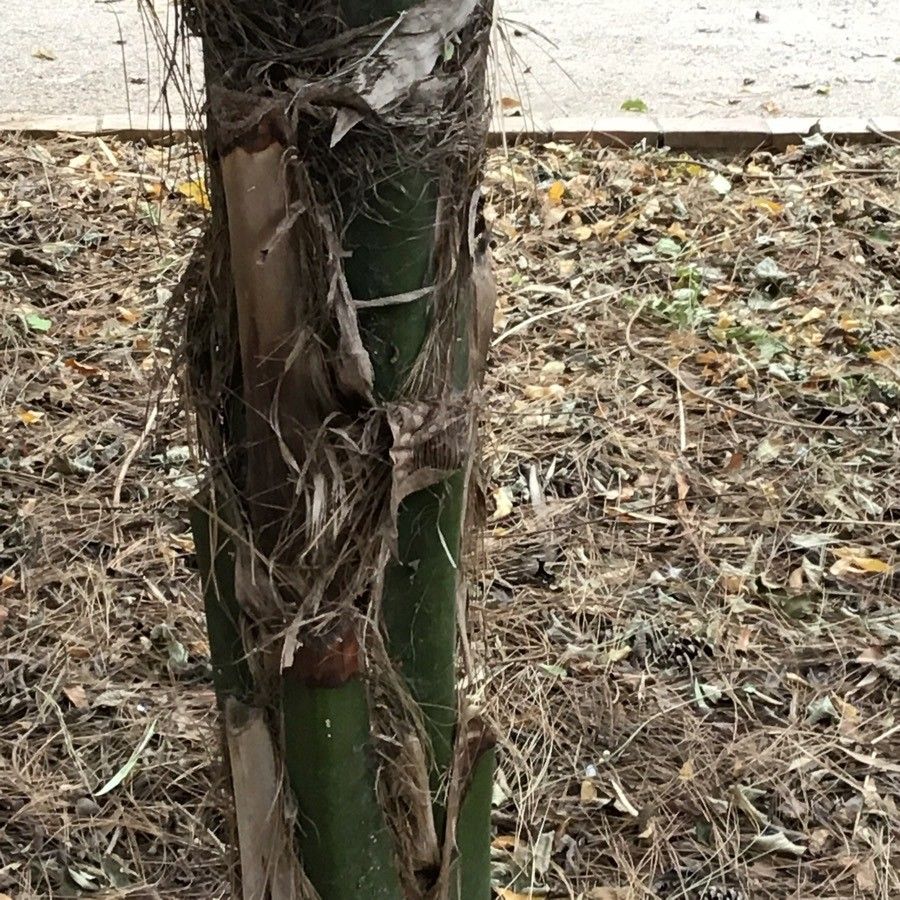
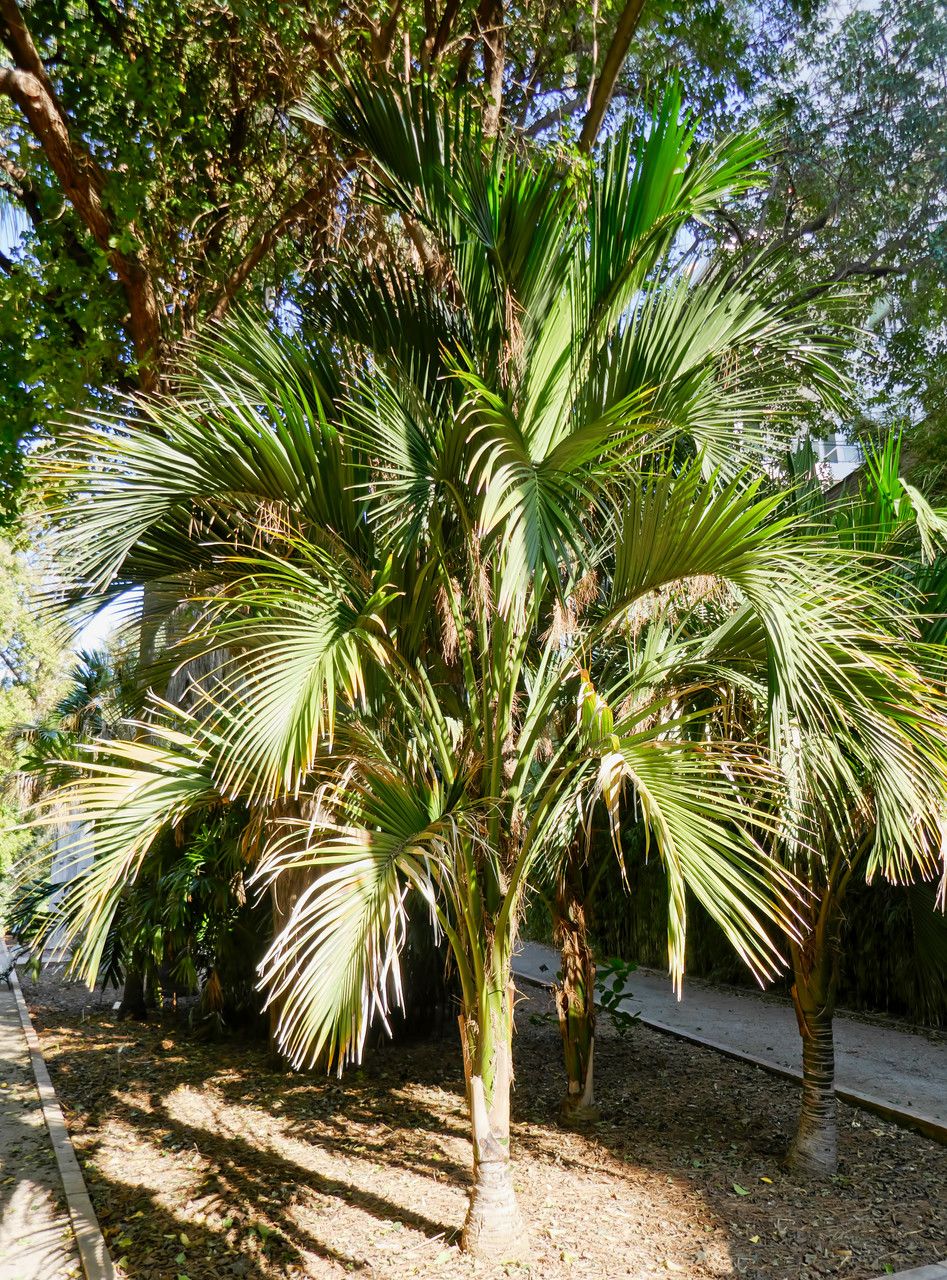
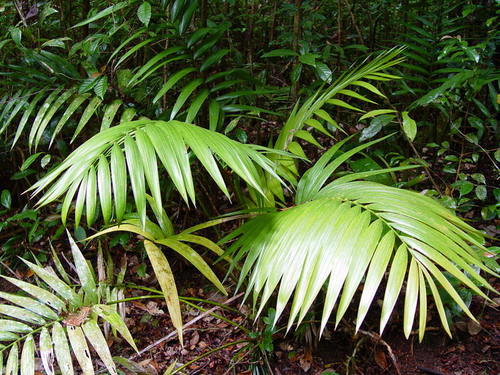
Howea belmoreana, the curly palm, kentia palm, or Belmore sentry palm, is a species of flowering plant in the family Arecaceae, endemic to Lord Howe Island, Australia. It and Howea forsteriana probably evolved from a common ancestor through sympatric speciation. The canopy of a mature kentia palm tree spreads 5–10 ft (2–3 m) in diameter and contains roughly 36 leaves.Howea belmoreana has gained the Royal Horticultural Society's Award of Garden Merit.
Curly palm has a good level of disease resistance and is generally not prone to diseases. However, if the plant is kept in a poor environment, it can become more susceptible to disease. This plant also has few insect pests. Regarding care, this plant has medium requirements. It is important to give it plenty of sunlight, as insufficient light can make it more vulnerable to disease and cause thin growth. Because it is often kept indoors, it may need to be moved regularly to a well-lit location. This plant does not require frequent watering. Overall, Curly palm is suitable for most people, though it is best suited to those who can provide good light conditions.
How to keep Howea Belmoreana.
Light
Curly palm prefers locations fully illuminated by sunlight, yet it can tolerate areas with reduced light. Hailing from regions with abundant sun, it does well in strong light, which promotes healthy growth. Both too much and too little light can negatively affect its development.
Water
Curly palm, native to humid oceanic islands, benefits from moderate watering about every 1-2 weeks. It's important to let the soil dry slightly between waterings. Overwatering can lead to root rot, while under-watering may cause the leaf tips to brown. Typically grown indoors, curly palm does best in well-draining containers to maintain an optimal moisture balance.
Humidity
This plant will thrive in moderate humidity, which is probably the level in your home. However, misting it a few times a week can be very beneficial. Make sure the room has good ventilation.
Temperature
Curly palm is native to climates with temperatures between 68 and 100 °F (20 to 38 °C). Because it is kept year-round, ensure heat levels are suitable across seasons, particularly during winter.
Fertilizer
Fertilization is essential for caring for the Curly palm. Regular feeding during the growing season provides the energy needed for its showy leaves and promotes overall growth. Skipping fertilization can lead to unhealthy leaves, reduced ornamental value, and stunted or weak growth that is likely to break.
Pruning
The curly palm features graceful, arching fronds that thrive in a variety of environments. The best time to prune is in early spring when you can remove dead fronds to encourage healthy growth and enhance the plant's appearance. Make sure to use clean, sharp tools for pruning to minimize damage and reduce the risk of disease.
Pot & Repot
When repotting a Curly palm, choose a slightly larger pot with excellent drainage. Use a well-draining potting mix. Repot in spring, taking care not to damage the roots during the process. Set the palm at the same level it occupied in the old pot. Water thoroughly after repotting, and place it in a warm spot with bright, indirect sunlight. Avoid overwatering to prevent root rot.
Botanical profile.
- Plant Type
- Tree
- Life Cycle
- Perennial
- Genus
- Howea
- Family
- Arecaceae
- Hardiness Zone
- 9-11
- Mature Height
- 7.92 m
- Mature Spread
- 3.96 m
- Leaf Color
- Green
- Leaf Type
- Evergreen
- Flower Color
- White
- Flower Size
- 0.51 cm to 1.02 cm
- Bloom Time
- All year round
- Planting Time
- Spring, Summer, Autumn
- Harvest Time
- All year round
Other names.
Reader questions.
What should I do if I give too much or too little water to my Curly palm?
Outdoor plants, especially newly planted ones or seedlings, are prone to lack of watering. It is important to consistently water them for a few months when they are small or recently planted. Once the roots are established, the Curly palm can rely on rain most of the time. When Curly palms are planted in pots, overwatering is more likely. If you accidentally overwater your Curly palm, take immediate action to fix the situation. First, stop watering the plant to minimize the effects of overwatering. Then, remove the Curly palm from its pot to inspect the roots. If there are no signs of root rot, you can return the plant to its container. However, if there is root rot, trim the affected roots and apply fungicide to prevent further damage. Finally, repot the Curly palm in well-draining soil. Underwatering is easier to fix. If the leaves droop, dry out, and fall off, simply water the plant more frequently. Make sure to adjust your watering frequency as soon as you notice underwatering.
How much sunlight does Curly palm need to grow?
Tropical ornamental plants that thrive in full sun require at least 6 hours of direct sunlight each day. These plants are well-suited to areas with strong and direct sunlight, as they need this light to flourish. In their natural habitats, they tend to grow in open fields or along forest edges, where they can enjoy abundant sunlight all day long.
What temperature is best for Curly palm?
To help your tropical plants thrive, it's best to maintain a temperature range of 75℉ to 90℉ (25-32℃). While different species can tolerate temperatures outside this range, sticking within a few degrees of these limits will ensure optimal growth. However, there are extreme temperature limits to be aware of. Anything below 50℉ (10℃) or above 95℉ (35℃) can hinder growth and cause issues with the leaves and stems. Low temperatures are particularly damaging, as even a light frost can lead to the death of your tropical plants. In fact, cellular death can occur rapidly, with some species dying within 12 to 24 hours.
How frequently should I water my Curly palm?
To effectively water outdoor plants, consider their natural growth pattern and the amount of rainfall in your area. If there is a lack of rain, provide adequate watering every two weeks in spring and fall, and increase frequency during the summer. In winter, when plants require less water, water sparingly or not at all. For young or newly planted Curly palms, more frequent watering is necessary to aid in establishment and future drought tolerance. Determining watering frequency for potted Curly palms can be approached in two ways. Firstly, you can follow a set schedule by watering once a week or every other week. However, this may not account for the specific conditions of your plant's environment. Secondly, you can adjust watering based on soil moisture. It is generally best to wait until the top two to four inches of soil in the pot have completely dried out before providing more water. Keep in mind that during the summer, your watering frequency may need to increase beyond the predetermined schedule as the plant's water needs are higher.
What will happen if Curly palm doesn't get enough sun?
Tropical ornamental plants that need full sun may face issues if they don't receive enough sunlight. They might become leggy and weak, and their leaves could turn yellow or pale. Furthermore, they may stop producing flowers. Ultimately, if these plants continue to lack the required amount of direct sunlight, there is a possibility that they may die.
Does the Curly palm need different temperatures at different stages of growth?
Curly palm does not require temperature changes to enter different growing phases, but it is important to maintain consistency. Wild temperature fluctuations can slow down its growth, regardless of the current phase. Therefore, it is best to keep the plant in a controlled environment and within the optimal temperature range of 75℉ to 90℉ (25-32℃). It is crucial to stay above the lower limit of 75℉, while exceeding 90℉ is not ideal but tolerable for this tropical plant. However, exposing the plant to temperatures below 50℉ (10℃), especially 40℉ (5℃), will cause direct damage to this heat-loving species.
How much water does my curly palm plant need?
When watering your Curly palm, you may be surprised to learn that it doesn't always require a lot of water. Instead, if the soil has only dried a few inches since your last watering, you can support its healthy growth by giving it about five to ten ounces of water each time. You can also determine the amount of water based on the moisture level of the soil. Keep track of how many inches of soil have dried between waterings. To ensure your Curly palm receives sufficient moisture, water it enough to moisten all the dry layers of soil since the last watering. If more than half of the soil is dry, consider giving it more water than usual. In such cases, continue watering until you see excess water draining from the pot's drainage holes. If your Curly palm is planted in an area that receives ample rain, it may not require additional watering. When the Curly palm is young or newly planted, make sure it gets 1-2 inches of rain per week. As it continues to grow and establish, it can survive solely on rainwater. Only when the weather is hot and there has been no rainfall for 2-3 weeks should you give it a full watering to prevent it from experiencing stress.
What will happen if Curly palm receives too much sunlight?
Tropical ornamental plants that thrive in full sun require ample direct sunlight, but excessive exposure to intense sunlight can harm them. Prolonged periods of direct sunlight can cause sunburned leaves or the development of unsightly brown spots. Additionally, if the soil dries out too rapidly in full sun, these plants may become dehydrated.
Does the curly palm tree require varying temperatures for each season?
The curly palm doesn't require different temperatures for different growing seasons. The key to seasonal care is to maintain the environment within the optimal temperature range. Therefore, it's recommended to keep this plant indoors so that you have control over the temperature regardless of the outside climate. Tropical species like this plant also depend on light, but they prefer partial, filtered sunlight. This means the light they receive should be dappled or filtered, with bright but indirect light being the ideal option when growing them indoors. Exposing the plant to too much direct sunlight can harm its leaves and hinder its growth.
How do I know if I'm watering my Curly palm plant enough?
The Curly palm is more commonly affected by overwatering, which can be identified by yellowing leaves and leaf drop. Overwatering can also cause the plant to shrink and could lead to root rot. On the other hand, an underwatered Curly palm will start to wilt and may have brown or brittle leaves. If you notice signs of overwatering or underwatering, take action to restore your Curly palm's health.
How can you protect a Curly palm tree from too much sunlight?
To protect tropical ornamental plants that thrive in full sun, it's important to find a spot with ample direct sunlight but some shield from the intense midday heat. If you're growing these plants in containers, you can move them to a shadier area during the hottest hours to shield them from excessive sunlight. Another option is to offer shade using a shade cloth or umbrella during the peak heat of the day.
What temperatures does a Curly palm need to stay healthy?
Here are three tips to help you take care of your plants: 1. Keep your plants away from windows during colder months: Cold air can leak into your home through cracks in the windows, and any plants placed near them will be affected. Move tropical plants to an area with bright but indirect light, while avoiding potential drafts. 2. Watch out for dry patches, which may indicate too much sunlight or heat: If you notice white or scorched leaves, your plant may be getting too much heat or sunlight. This can lead to dehydration and hinder growth. Dry spots can spread and eventually cause your plants to die if left unaddressed. 3. Be cautious of frost: Colder temperatures and frost can damage plants by disrupting their water circulation. This can lead to a lack of moisture in the stems and leaves. Look out for signs of hydrosis (a water-soaked appearance) and if the issue persists, the plant may shrivel and turn dark brown or black, eventually leading to death.