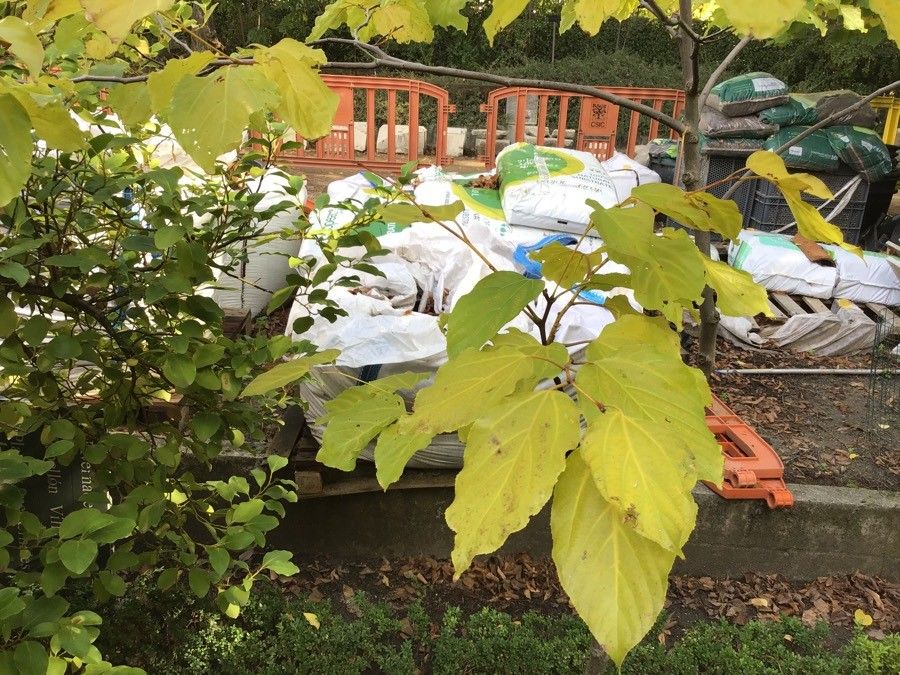
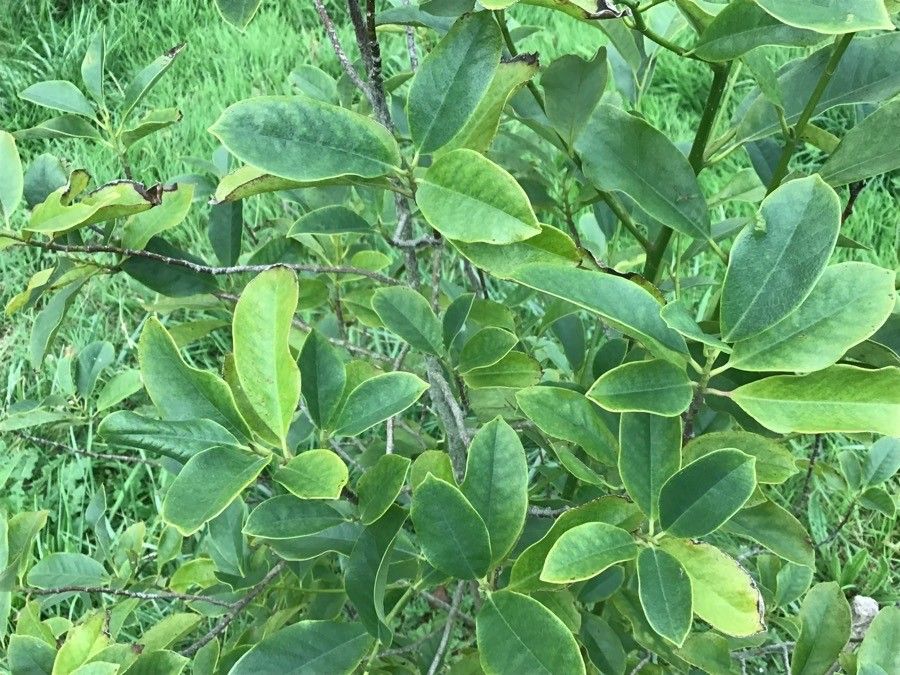
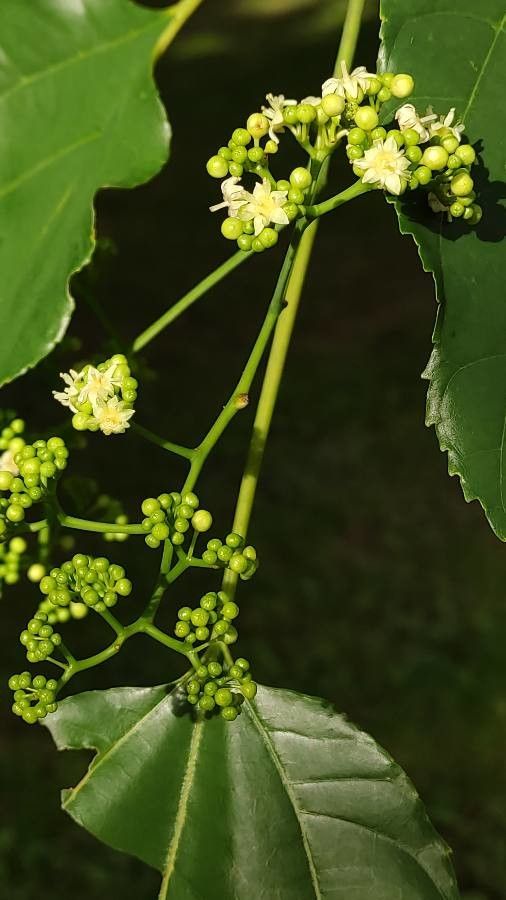
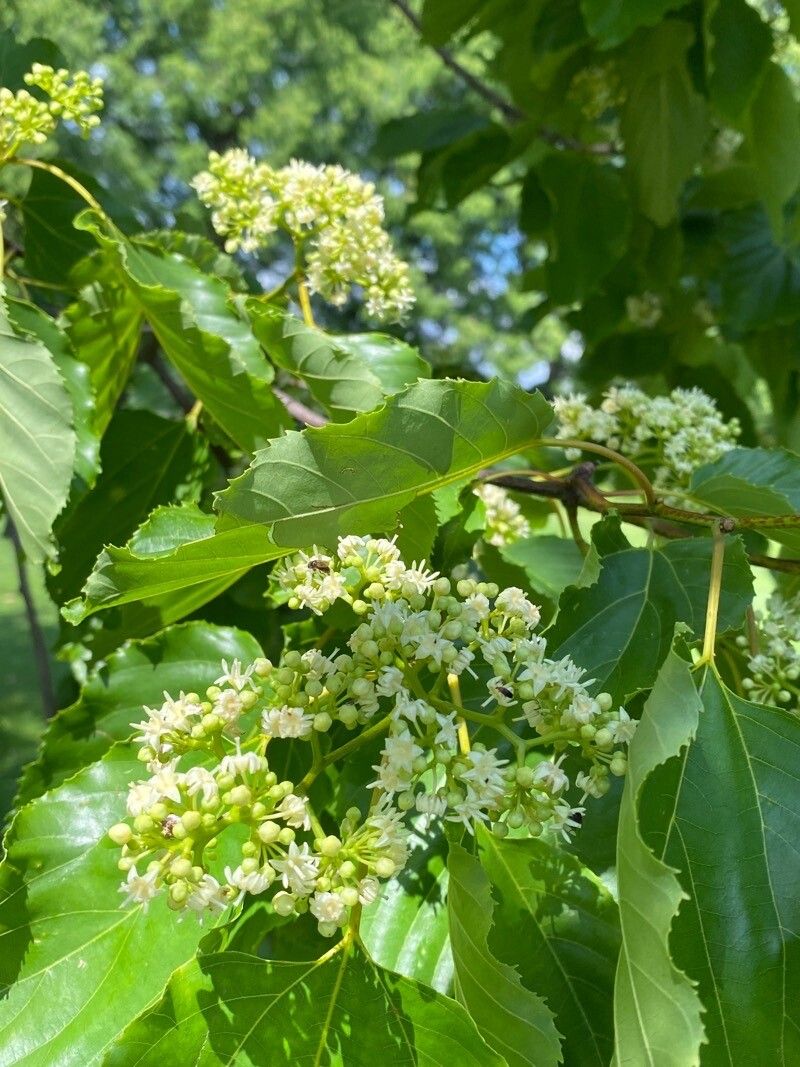
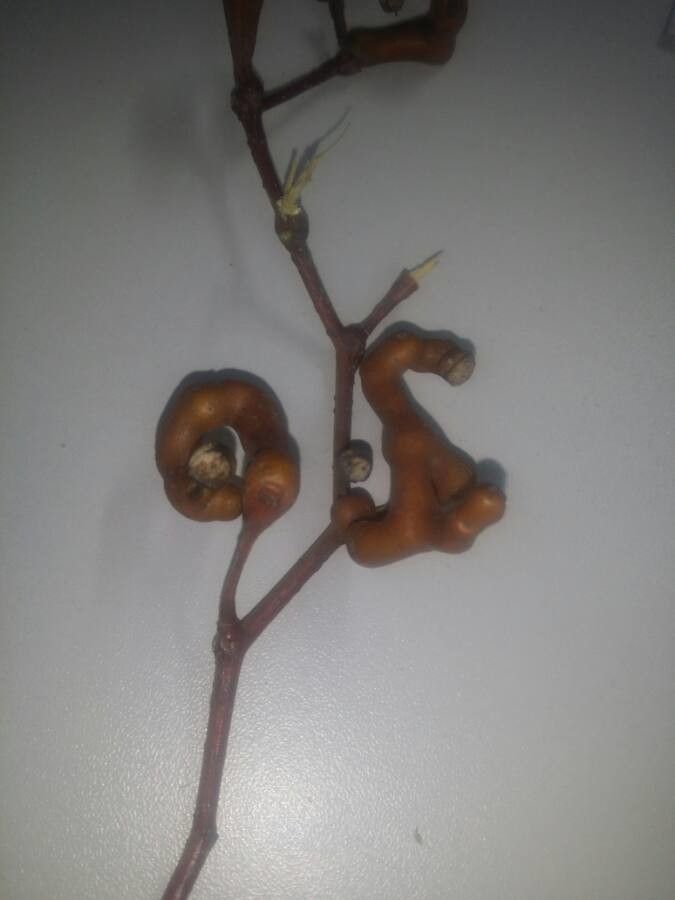
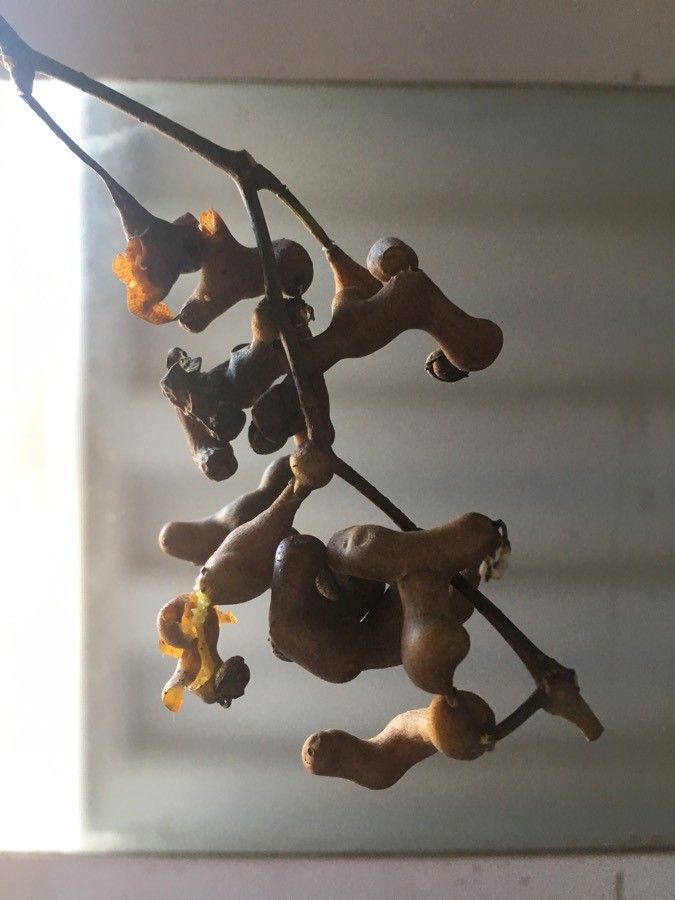
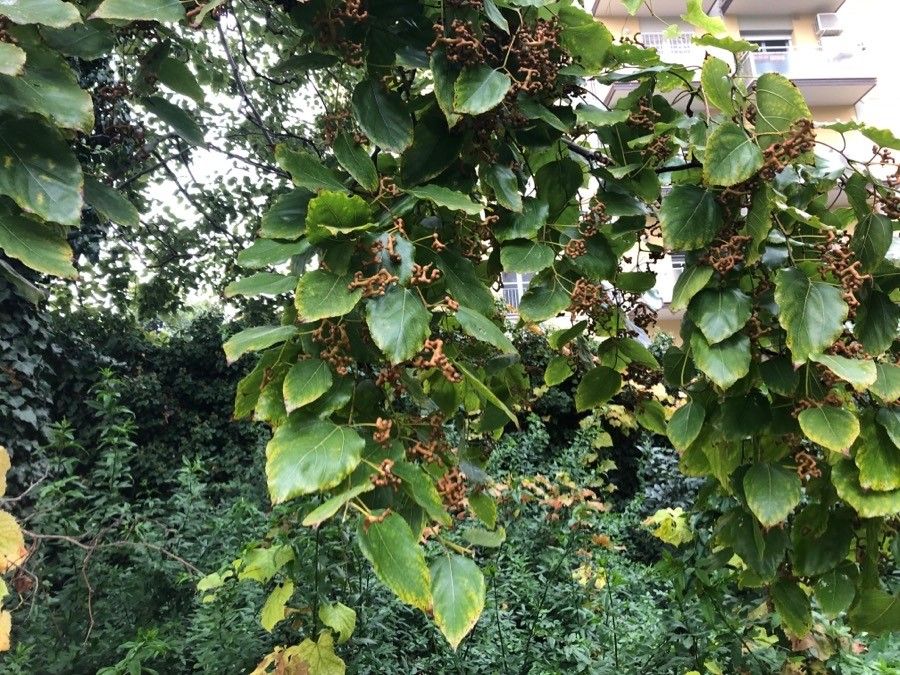
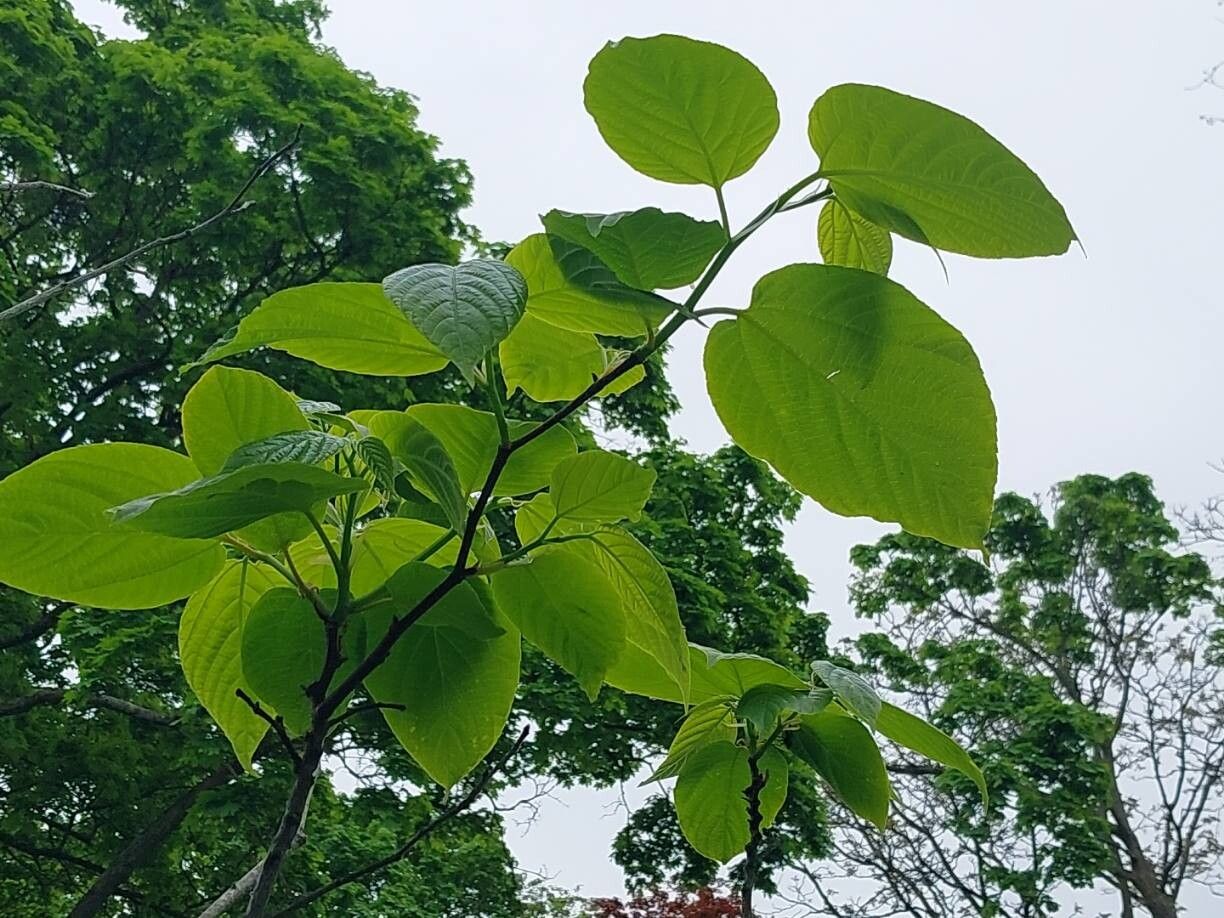
Hovenia dulcis, commonly known as the Japanese raisin tree or oriental raisin tree, is a deciduous tree native to East Asia. It is widely cultivated for both its edible fruit and ornamental value. The plant can grow up to 15 meters tall and features a broad crown with dark green leaves that turn yellow in autumn.
The fruit of the Hovenia dulcis is small, round, and brownish-yellow. It has a sweet taste and a texture similar to raisins, hence the common name "Japanese raisin tree." The fruit can be eaten fresh or dried and is used in traditional medicine to treat various ailments, such as hangovers.
Hovenia dulcis prefers well-drained soil and full sun exposure but can also tolerate partial shade. It is relatively easy to grow from seeds or cuttings but requires regular pruning to maintain its shape.
Beyond its culinary uses, Hovenia dulcis is also admired for its ornamental value. The tree boasts attractive foliage and unique bark that peels off in thin strips, revealing shades of brown underneath.
In summary, Hovenia dulcis is an intriguing addition for gardeners seeking a distinctive species that offers both edible fruit and aesthetic appeal.
The Japanese raisin tree has strong resistance to disease and is generally not easily affected by illnesses. In terms of care, this plant is fairly low maintenance. When grown outdoors it needs only minimal watering, and larger specimens typically do not need pruning. However, smaller plants should be pruned after they finish blooming. The Japanese raisin tree is suitable for anyone with outdoor space, such as a garden or a deck, and does not demand extensive gardening experience.
How to keep Hovenia Dulcis.
Light
The Japanese raisin tree comes from open habitats, like sunny meadows and forest margins, which offer abundant light. It does best in Full Sun but can tolerate Partial Sun, showing good adaptability to different light conditions.
Water
The Japanese raisin tree thrives best in areas with moderate rainfall, where balanced moisture is available. Although it is drought-tolerant, it benefits from being watered every two weeks. As a deciduous plant, the Japanese raisin tree sheds its leaves during dry seasons to conserve water, demonstrating an intriguing adaptation to its environment.
Temperature
The Japanese raisin tree is highly adaptable to a variety of climates, from blistering summers to frosty winters. It still has a preferred temperature range for healthy growth. When temperatures become too high, the plant can suffer from heat and humidity stress, which may kill it. In areas where temperatures approach the lower edge of its cold tolerance, taking steps to insulate the plant is important.
Fertilizer
The Japanese raisin tree needs adequate nutrients for best fruit production. Fertilize in early spring to support new growth and flowering. Regular feeding keeps the plant healthy, helps it produce tastier fruit, and prevents nutrient deficiency problems like yellowing leaves and poor fruit production.
Pruning
The Japanese raisin tree benefits greatly from pruning in early spring. Removing dead or weak branches during this time helps increase light exposure and airflow, promoting healthy growth. This practice not only improves the tree's shape and vitality but also boosts fruit yield and reduces pest problems. For techniques that minimize stress on the plant, consult horticultural resources for guidance tailored to your specific needs.
Botanical profile.
- Plant Type
- Tree, Shrub
- Life Cycle
- Perennial
- Genus
- Hovenia
- Family
- Rhamnaceae
- Hardiness Zone
- 5-9
- Mature Height
- 10.06 m to 29.87 m
- Mature Spread
- 9.14 m to 11.89 m
- Leaf Color
- Green
- Leaf Type
- Deciduous
- Flower Color
- Green, Cream
- Flower Size
- 0.51 cm to 0.76 cm
- Bloom Time
- Early summer, Mid summer
- Planting Time
- Spring, Summer
- Harvest Time
- Fall
- Native Area
- Vietnam, Japan, Koppen, Bangladesh, South Korea, Thailand, China
Other names.
Reader questions.
What is the most effective way to water my Japanese raisin tree?
To promote excellent root development and avoid any potential issues, here are some watering tips for your plants: 1. Place a garden hose at the base of the plant instead of directly spraying the leaves. This will help ensure that the roots receive adequate water. 2. If your plants are outdoors and exposed to direct sunlight, keep in mind that the leaves may need more watering. Take this into consideration when planning your watering routine. 3. Consider using bubblers that can be attached to each plant to provide moisture directly to the roots. 4. Soaker hoses are another option, especially if you have a large garden or bed. These hoses can cover the entire area and help water the plants deeply. This is especially beneficial when adding or removing plants. 5. After watering, allow any excess water to drain and wait for the soil to dry before watering again. This will prevent waterlogged soil and potential issues with root health. 6. Water at ground level rather than spraying from above to minimize the risk of diseases. 7. On sunny days, it can be helpful to spray the entire bush with water to provide an extra hydrating boost. 8. Whether your plants are potted or in the ground, keep in mind that Japanese raisin trees prefer deep watering rather than light sprinkling. By following these watering guidelines, you can help ensure the health and vitality of your plants.
Why should I put fertilizer on my Japanese raisin tree?
There are several important reasons why fertilizing a Japanese raisin tree is necessary. Firstly, fertilization helps the tree produce beautiful blooms. To achieve this, it is recommended to fertilize the tree early in the spring. Secondly, fertilizer provides the tree with ample energy that it can store in the ground during periods of dormancy. By providing additional nutrients during either the fall planting or late spring, the tree can store more energy to use when it starts actively growing again.
What are the sunlight requirements for a Japanese raisin tree?
The Japanese raisin tree thrives best in full sun, requiring more than 6 hours of sunlight daily. However, it can also adapt well to partial sun, which is about 3-6 hours of sunlight. It's important to monitor the sunlight in your garden to ensure that your plants are getting the right balance of light and shade. This will help in choosing the best spots that cater to their needs for optimal growth and health.
What is the Japanese raisin tree?
The Japanese raisin tree, known botanically as Hovenia dulcis, is a species recognized for its unique characteristics. Despite the absence of detailed descriptions regarding its essentials, growth conditions, or specific symptoms it may address, the mention of its name and botanical classification suggests its significance in various contexts, possibly including horticulture, herbal medicine, or culinary applications. Additional information would be required to provide a complete overview of the Japanese raisin tree's attributes, uses, and care instructions.
What should I do if I give too much or too little water to a Japanese raisin tree?
An overwatered Japanese raisin tree will exhibit yellowing, wilting, and dropping leaves. The plant may also appear dull and unhealthy with mushy stems. To address these symptoms, it is recommended to adjust your watering schedule as needed. Conversely, wilting can also indicate under watering, characterized by crispy and dry leaves. In such cases, check the soil moisture and provide a thorough watering if necessary. While this will help the tree recover, it may still exhibit dryness and yellowing due to root damage. Once the plant returns to normal, the yellowing of leaves will cease. Indoors, always monitor moisture levels to avoid overwatering, and look out for black spots as a sign of overwatering. In such situations, allowing the pot soil to dry for a few days can be beneficial. Overwatering increases the risk of root rot, so if discolored and slimy roots are observed, consider transferring the plant to a different pot. It is crucial to prevent root rot by not letting the soil become excessively soggy. When planting the Japanese raisin tree outdoors, ensure proper watering by checking the soil moisture level. If the soil feels too dry, it may indicate underwatering, and providing adequate water is necessary to aid in plant recovery.
When should I put fertilizer on my Japanese raisin tree for the best results?
For optimal results when fertilizing Japanese raisin trees, timing is key. Applying fertilizer too early, while the tree is still dormant, is ineffective and wasteful as it gets washed away by rainwater, leading to pollution. Instead, the first application of fertilizer should be done in early spring and followed by monthly applications until early summer.
Can I use artificial lighting for my Japanese raisin tree?
Yes, artificial lighting can be used for Japanese raisin trees, especially when natural sunlight is insufficient, such as in winter or indoors. Indoor plants benefit from the additional light, which promotes healthier growth. LED lights are recommended due to their ability to provide specific wavelengths needed for plant growth. For full sun plants, 30-50W/sq ft is needed; for partial sun, 20-30W/sq ft; and for full shade plants, 10-20W/sq ft. It's crucial to place the light source 12-36 inches above the plant and mimic natural daylight hours, with most plants requiring 8-12 hours of light per day.
How frequent should I water my Japanese raisin tree?
To properly care for Japanese raisin trees, it is important to provide them with deep and infrequent watering. When planted in pots, it is recommended to soak them in a gallon of water each time to account for limited water storage and faster soil drying. In colder regions, watering every 3 to 5 days is necessary, especially when the soil is dry. Checking the soil's moisture level is a good indicator for watering; if the top 2-3 inches are dry, it's time for a full watering. During hot days, frequent moisture checks are needed as the pot's soil can quickly dry out. If you have a garden, irrigation is also required, with watering once a week in hot climates. However, be cautious not to over-water by considering existing rainwater and preventing root rot. Adding mulch about 3 to 4 inches deep in outdoor settings can help conserve water. Sandy soil requires more frequent watering due to its quick drainage, while clay soil requires less frequent watering to avoid root rot. Monitoring and marking watering dates on a calendar can help ensure timely care, particularly if the leaves start to droop.
When is it not a good idea to add fertilizer to my Japanese raisin tree?
To ensure the optimal growth of your Japanese raisin tree, it is important to be mindful of the type and timing of fertilizer application. Firstly, try to avoid using a fertilizer with high nitrogen content as it may result in excessive leaf growth but limited flower development. Instead, opt for a fertilizer that has a lower nitrogen level compared to other nutrients. Secondly, refrain from fertilizing the Japanese raisin tree after early autumn as this can cause excessive growth just before winter. Additionally, it is advisable not to fertilize the tree during hot and dry periods, as dry soil does not effectively deliver the nutrients and can stimulate growth that requires more water, which may not be readily available. It is preferable to fertilize during the earlier parts of the season when the temperatures are cooler. Lastly, bear in mind that Japanese raisin trees can absorb fertilizer from nearby plants or lawns. Therefore, exercise caution to avoid inadvertently giving the tree a double-dose of fertilizer.
What are some common symptoms of light deficiency in a Japanese raisin tree?
A Japanese raisin tree may show several symptoms when exposed to suboptimal lighting conditions. These include smaller new leaves, leggy or sparse growth, faster leaf drop, and a halt in new growth due to the plant entering a survival mode. Insufficient sunlight can also cause lighter-colored new leaves or chlorosis, where leaves lose their green color. Sunscald, leaf curling, wilting, and leaf scorching are other symptoms that can arise from excessive sunlight exposure, indicating that the plant's lighting environment needs adjustment.
How much water does my Japanese raisin tree need?
The Japanese raisin tree typically requires a gallon of water on a regular schedule. For potted plants, water them deeply until you see water dripping from the bottom of the pot, then wait for the soil to dry before watering again. You can use a water calculator or moisture meter to determine the amount of water given to the plant in a week. During the flowering period, provide plenty of water but allow the moisture to evaporate to prevent root rot. If the Japanese raisin tree is planted outdoors and receives adequate rainfall, it may not need additional watering. When the tree is young or newly planted, ensure it receives 1-2 inches of rain per week. As the tree grows, it can survive solely on rainfall. Only when the weather is excessively hot or there has been no rainfall for 2-3 weeks should you consider giving the tree a full watering during a cooler part of the day to prevent damage from high heat. Additional watering will be necessary during prolonged dry spells.
What kind of fertilizer does my Japanese raisin tree require?
To ensure the optimal growth of a Japanese raisin tree, it is important to use a fertilizer that contains a balanced mix of the three main plant nutrients, with slightly higher levels of phosphorus. Another option is to enrich the tree's soil by adding organic materials like compost, worm castings, and manure. Experienced gardeners may choose to supplement with water-soluble fertilizers containing phosphorus once or twice when the flower buds start to appear. This will promote better flower development, resulting in larger and longer-lasting blooms. Fertilizers for Japanese raisin trees can come in various forms, but liquid or powdered ones are often recommended. Regardless of the type of fertilizer you select, it is crucial to dilute it and apply it while watering your Japanese raisin tree.