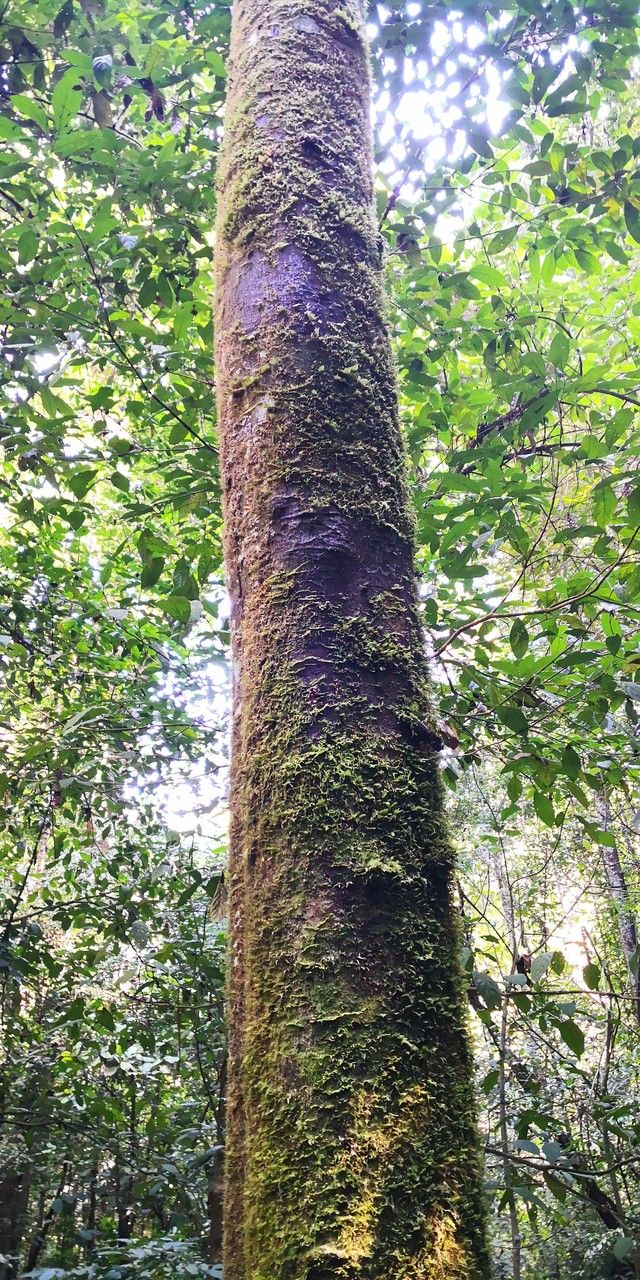
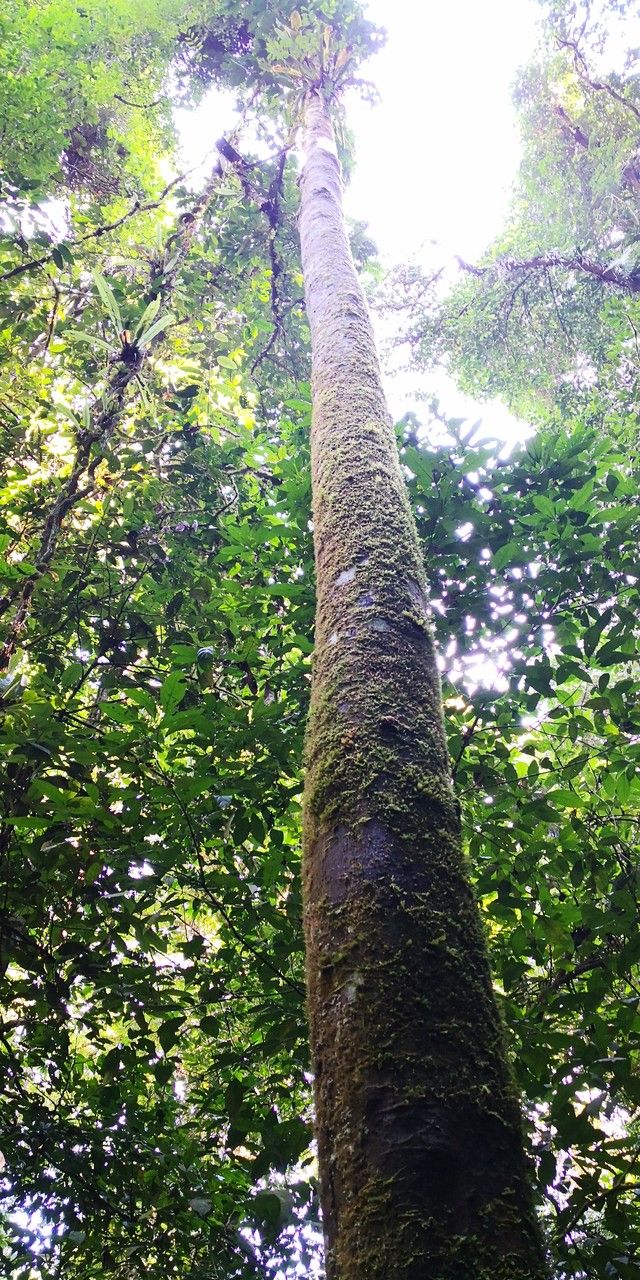
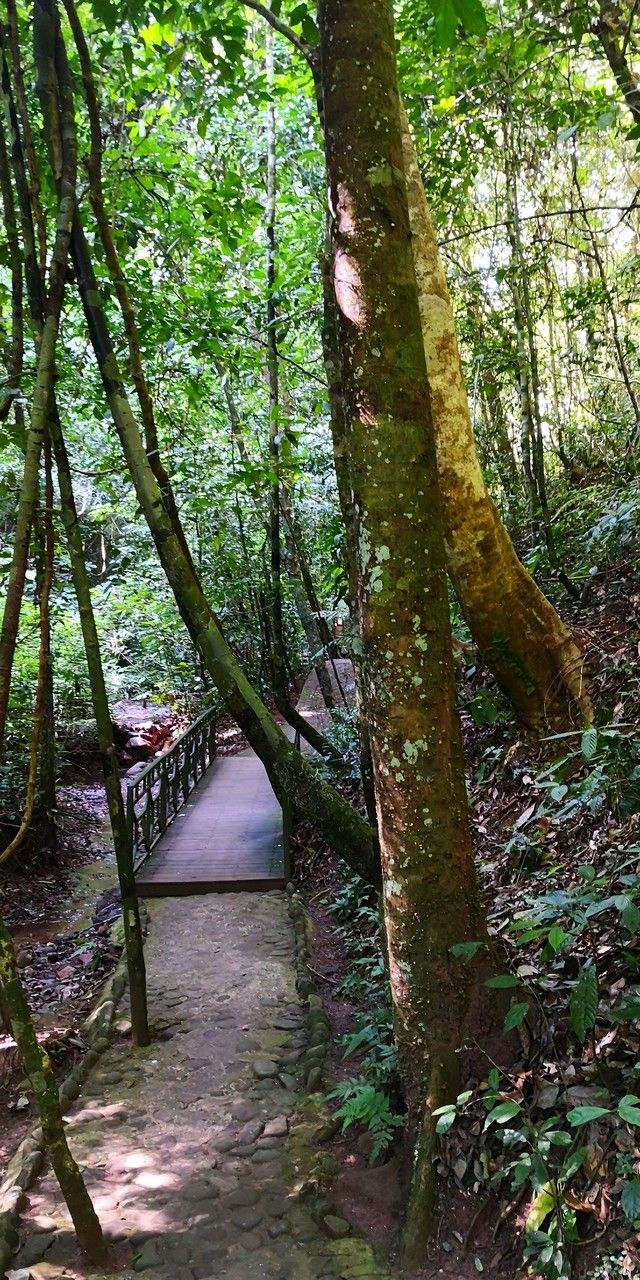
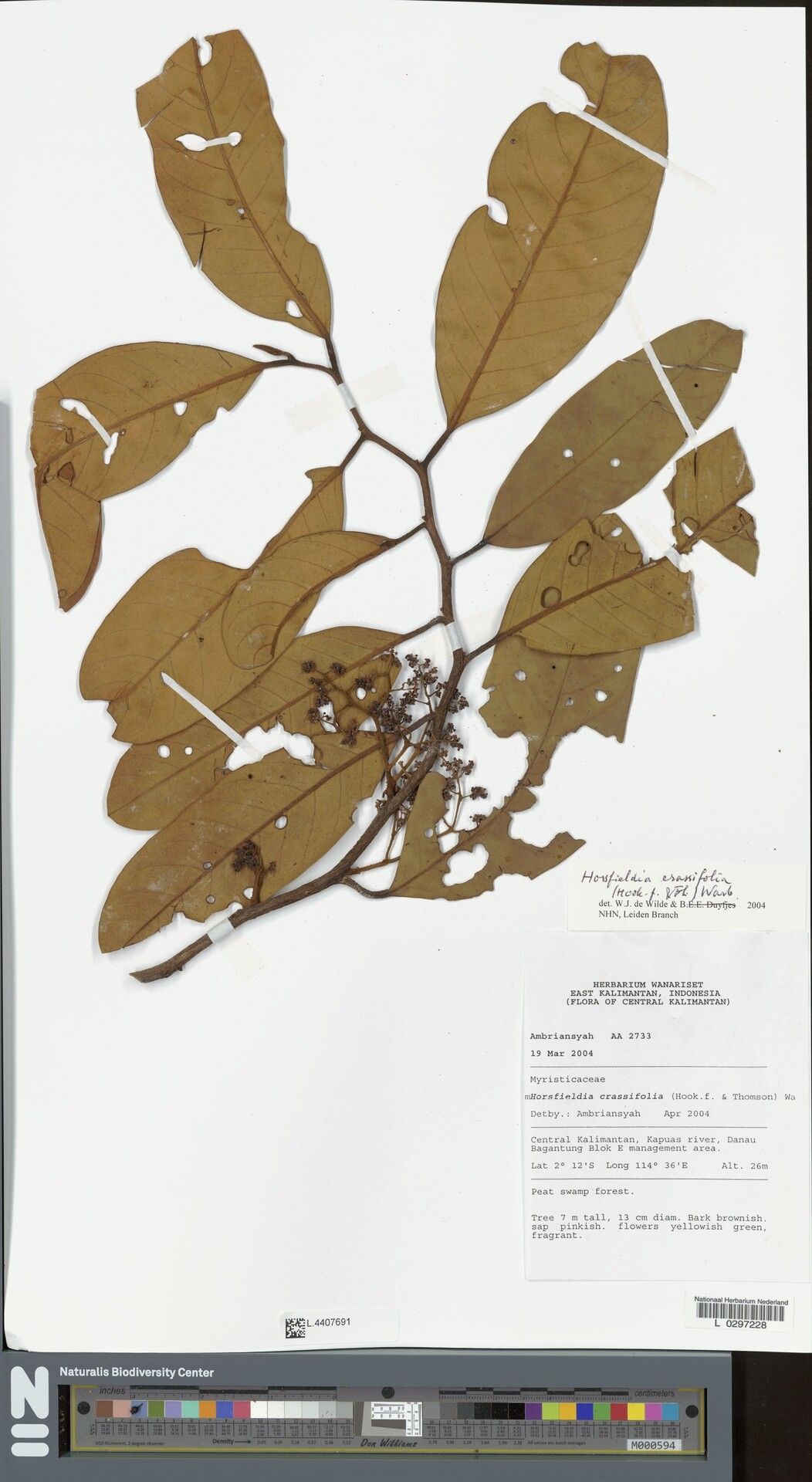
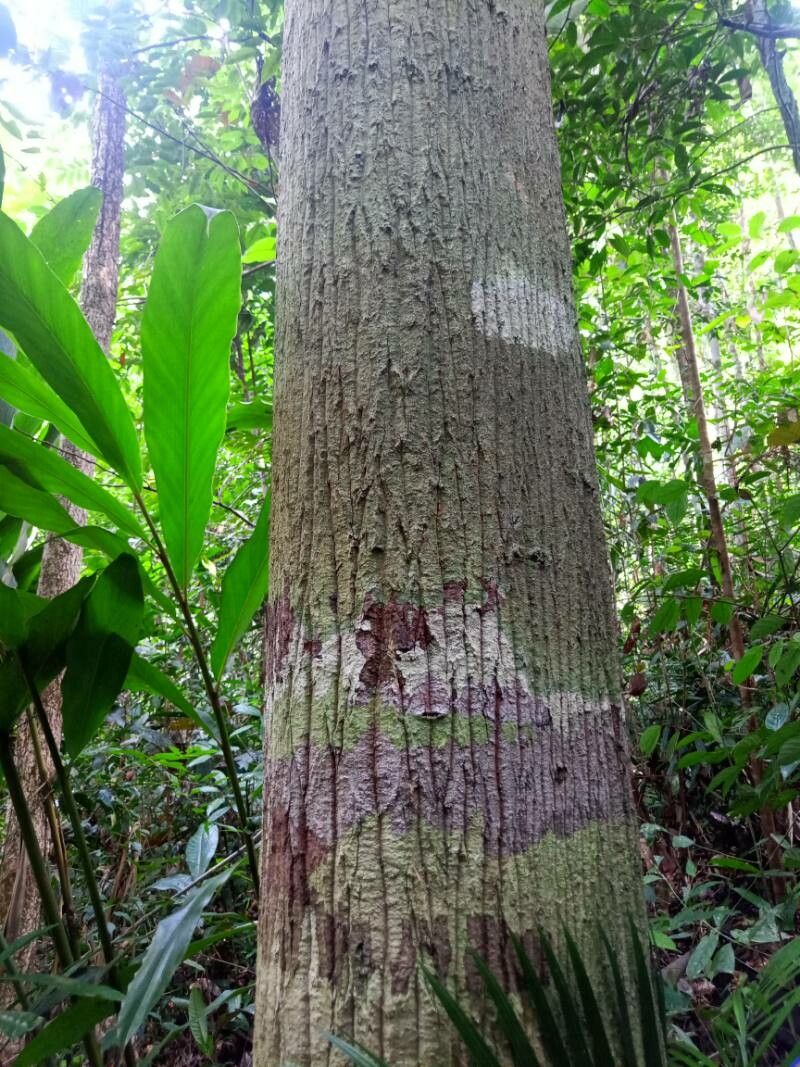
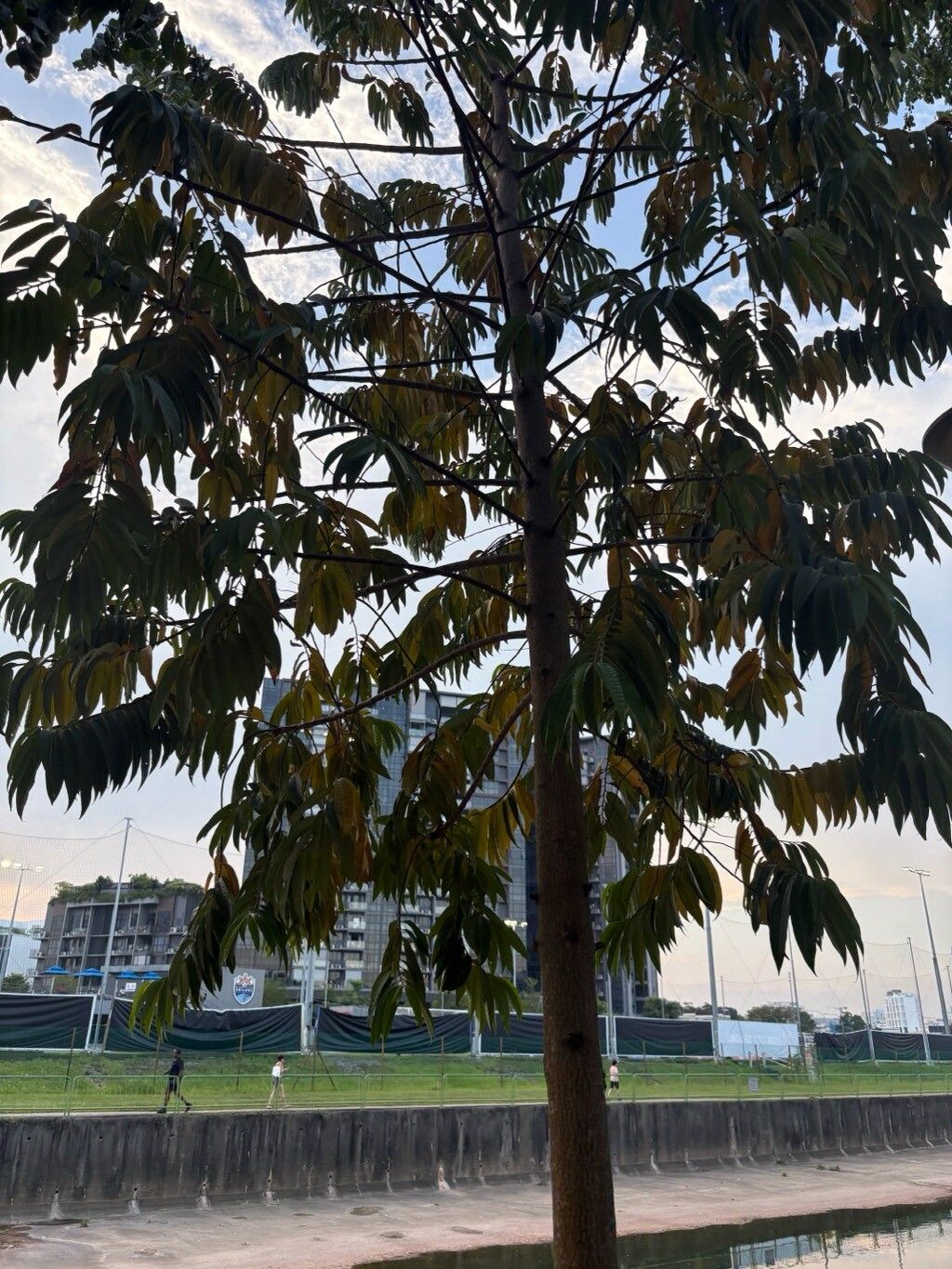
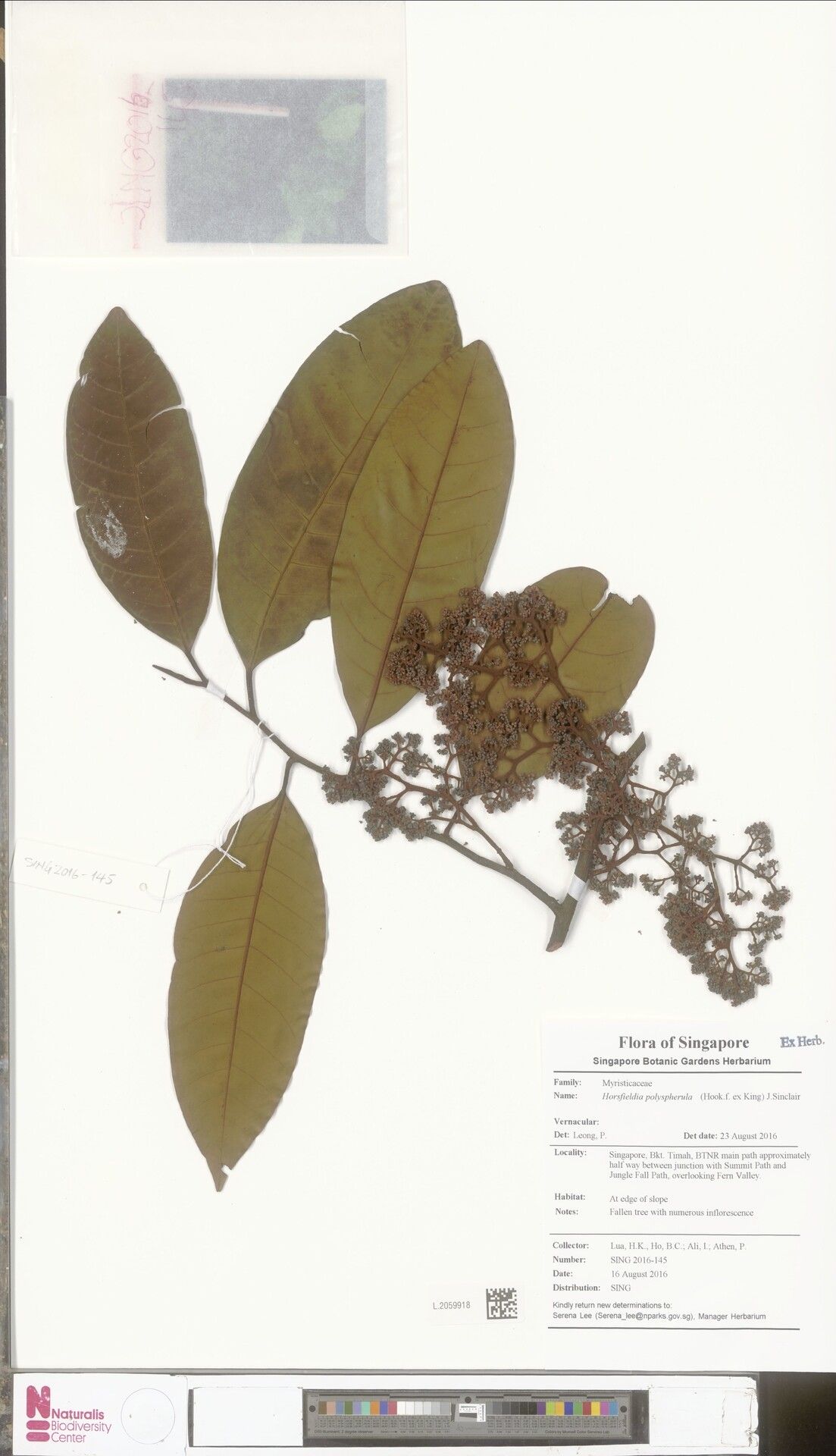
Horsfieldia kingii is a dioecious tree of the family Myristicaceae. It grows up to 20 m tall and has large seeds that are dispersed by frugivores such as hornbills and imperial pigeons. The fruiting period is from February to May. The fruit is an arillate capsule and is bi-coloured.The plant is referred to as ramtamul in Assamese language and is sometimes used as a substitute for betelnut. However, they could be mildly intoxicating to humans. The leaves form a part of the diet of the endangered capped langur.
Ramtamul has strong resistance to disease and is usually not susceptible to illnesses. In terms of care, this plant is fairly low maintenance. When planted outdoors it needs little watering, and larger plants typically do not require pruning. Smaller plants, however, should be pruned after they have bloomed. Ramtamult is suitable for anyone with an outdoor area, such as a garden or a deck, and does not demand extensive care experience.
How to keep Horsfieldia Kingii.
Light
Ramtamul is native to habitats such as forest understories or rocky areas, where it occurs in natural shade. It prefers partial sun but can adapt to full sun or full shade, illustrating its versatile and hardy nature.
Temperature
Ramtamul comes from tropical areas, where the weather is generally warm and humid. Consequently, it is adapted to high heat and moisture. It does not tolerate sudden temperature shifts and thrives in a steady thermal environment, so avoiding indoor temperature fluctuations is important. It typically cannot endure cold and needs warmer conditions to grow. If the surrounding temperature falls too low, growth can stop or the plant may die.
Fertilizer
Fertilizing is essential to caring for Ramtamul. Consistent feeding during the growing season provides the energy needed for its showy leaves and supports overall growth. Neglecting fertilization can lead to unhealthy foliage, reduced ornamental appeal, and stunted or weak growth that is prone to breaking.
Pruning
Prune ramtamul during the dormant period from early to late winter. Removing dead branches encourages growth and improves air circulation. Make clean cuts at a 45-degree angle to prevent disease. This process enhances the plant's structure and promotes vigorous blooming.
Botanical profile.
- Plant Type
- Tree
- Life Cycle
- Perennial
- Genus
- Horsfieldia
- Family
- Myristicaceae
- Hardiness Zone
- 10-12
- Mature Height
- 6.1 m to 10.06 m
- Mature Spread
- 4.88 m to 10.06 m
- Leaf Color
- Dark Green
- Leaf Type
- Evergreen
- Flower Color
- Yellow, Green
- Flower Size
- 8.89 cm to 15.24 cm
- Bloom Time
- Late spring, Early summer, Mid summer
- Planting Time
- Spring, Summer, Autumn
- Harvest Time
- Late summer, Early fall, Mid fall
- Native Area
- Nepal, India, Vietnam, Myanmar, Bangladesh, Thailand, China
Other names.
Reader questions.
What are the sunlight requirements for Ramtamul?
Ramtamul thrives in conditions that mimic its native environments, such as forest understories or rocky areas shielded from direct sunlight. It is best suited to partial sun, requiring about 3-6 hours of sunlight daily, but it can also grow well in full shade. For those aiming to grow Ramtamul in full sun, ensuring the plant gets more than 6 hours of sunlight is necessary. However, it's essential to observe the movement of sunlight in your garden carefully to provide your plants with an optimal balance of light and shade, promoting their health and growth.
How does artificial lighting benefit indoor Ramtamul plants?
Indoor Ramtamul plants benefit significantly from artificial lighting, especially in scenarios where natural sunlight is insufficient, such as during winter or in less sunny indoor areas. Artificial lights, particularly LED lights, can be customized to supply the specific wavelengths needed by the plants, promoting faster and healthier growth. Requirements vary by the plant's sunlight needs: 30-50W/sq ft for full sun, 20-30W/sq ft for partial sun, and 10-20W/sq ft for full shade plants. The light source should be placed 12-36 inches above the plant to imitate natural sunlight and be kept on for 8-12 hours per day to mimic the natural day length for most plants.
What are the signs of light deficiency in Ramtamul?
Ramtamul may exhibit several symptoms when it doesn't receive enough light, indicating a need for better lighting conditions. These symptoms include smaller new leaves, leggy or sparse growth, faster leaf drop, slower or halted new growth, and lighter-colored new leaves. Additionally, excessive sunlight can lead to chlorosis, where leaves turn yellow due to chlorophyll breakdown, sunscald characterized by pale or necrotic patches, leaf curling as a defensive mechanism against water loss, wilting from excessive water transpiration, and leaf scorching seen as brown, dry patches on leaves.
What solutions can alleviate light deficiency issues for Ramtamul?
To optimize Ramtamul's health and growth in response to light deficiency, consider gradually shifting it to sunnier spots, aiming for 3-6 hours of sunlight daily. If the plant is large or immovable, artificial lighting, such as desk, ceiling lamps, or professional grow lights, can provide the necessary light intensity for at least 8 hours daily. For outdoor planted Ramtamuls, gradual relocation to sunnier spots is crucial to avoid shock from sudden changes. Additionally, removing obstructions or transplanting smaller plants during their dormant phase to areas with better sunlight and drainage can improve their light exposure. It's important to note that while affected parts might not recover, new growth will be healthy with adequate light correction.