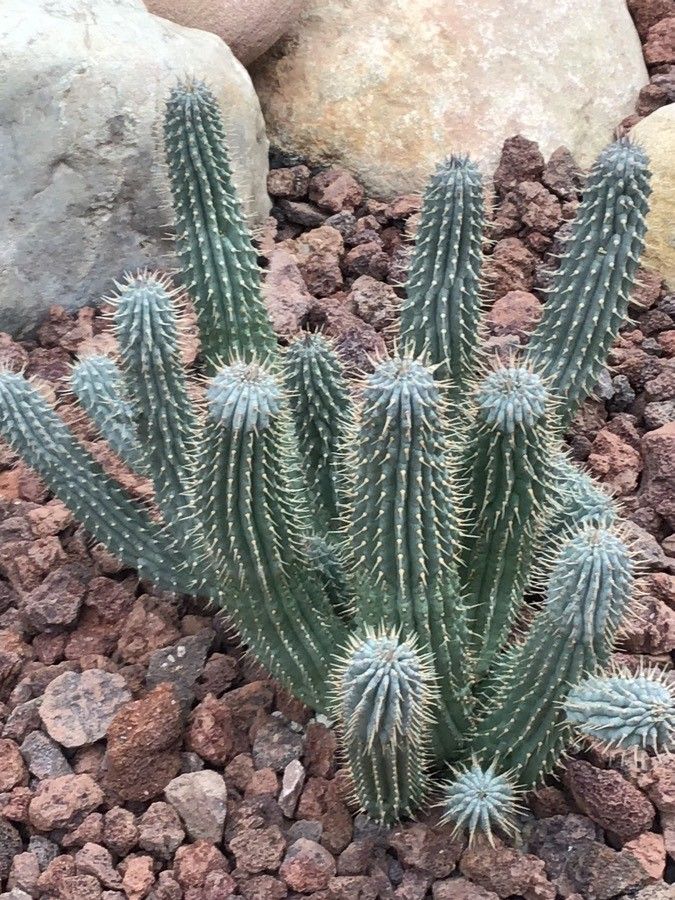
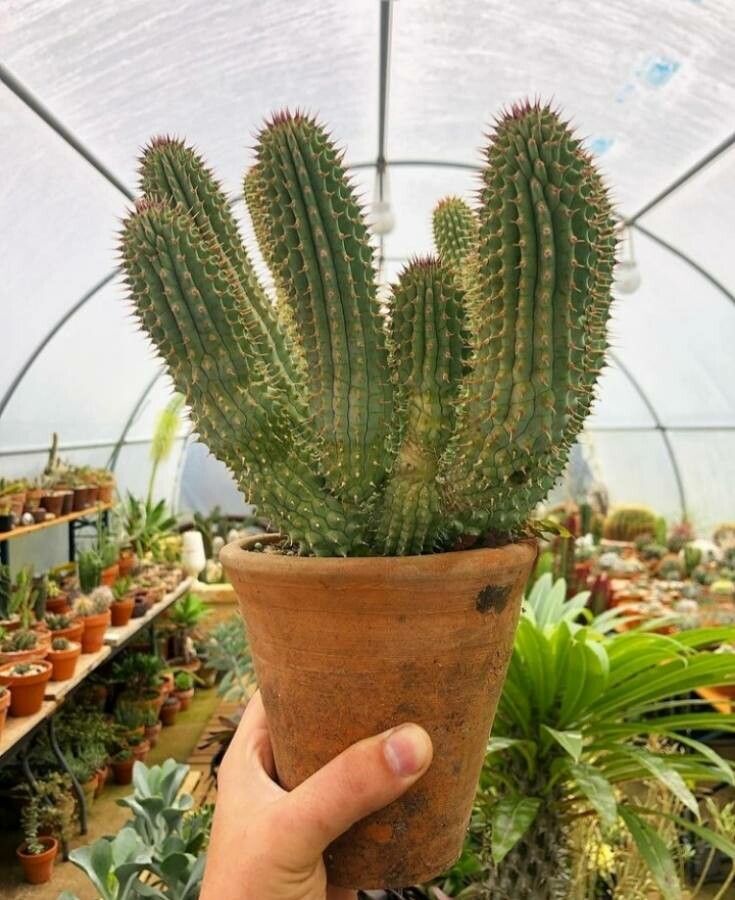
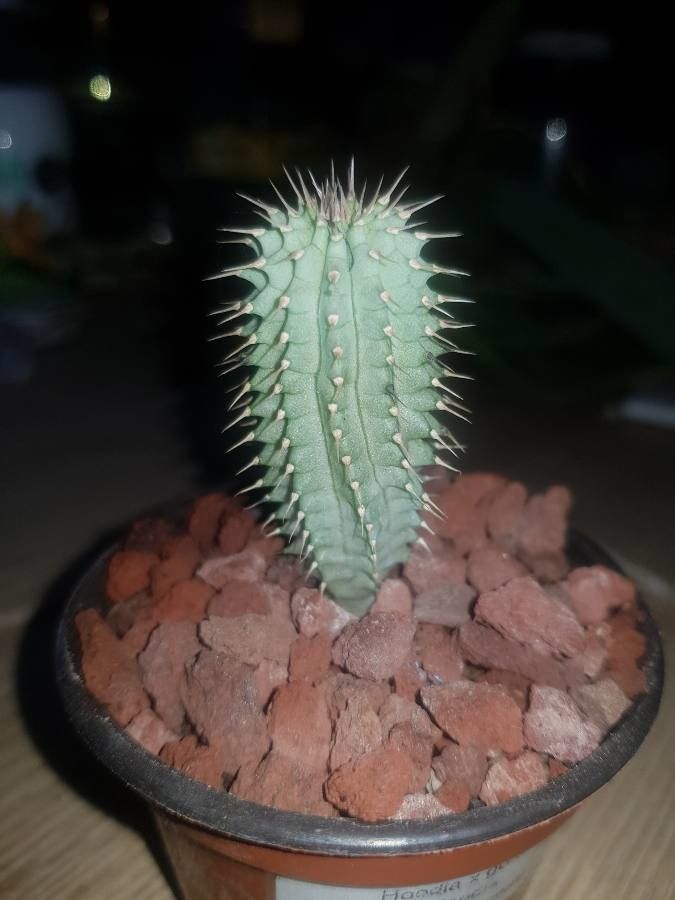
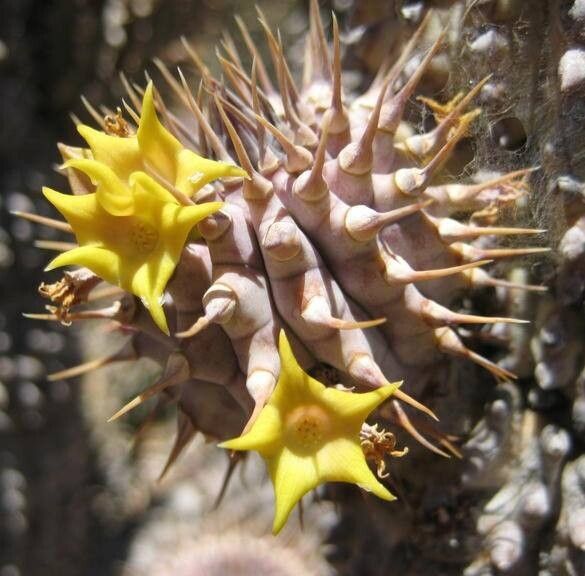
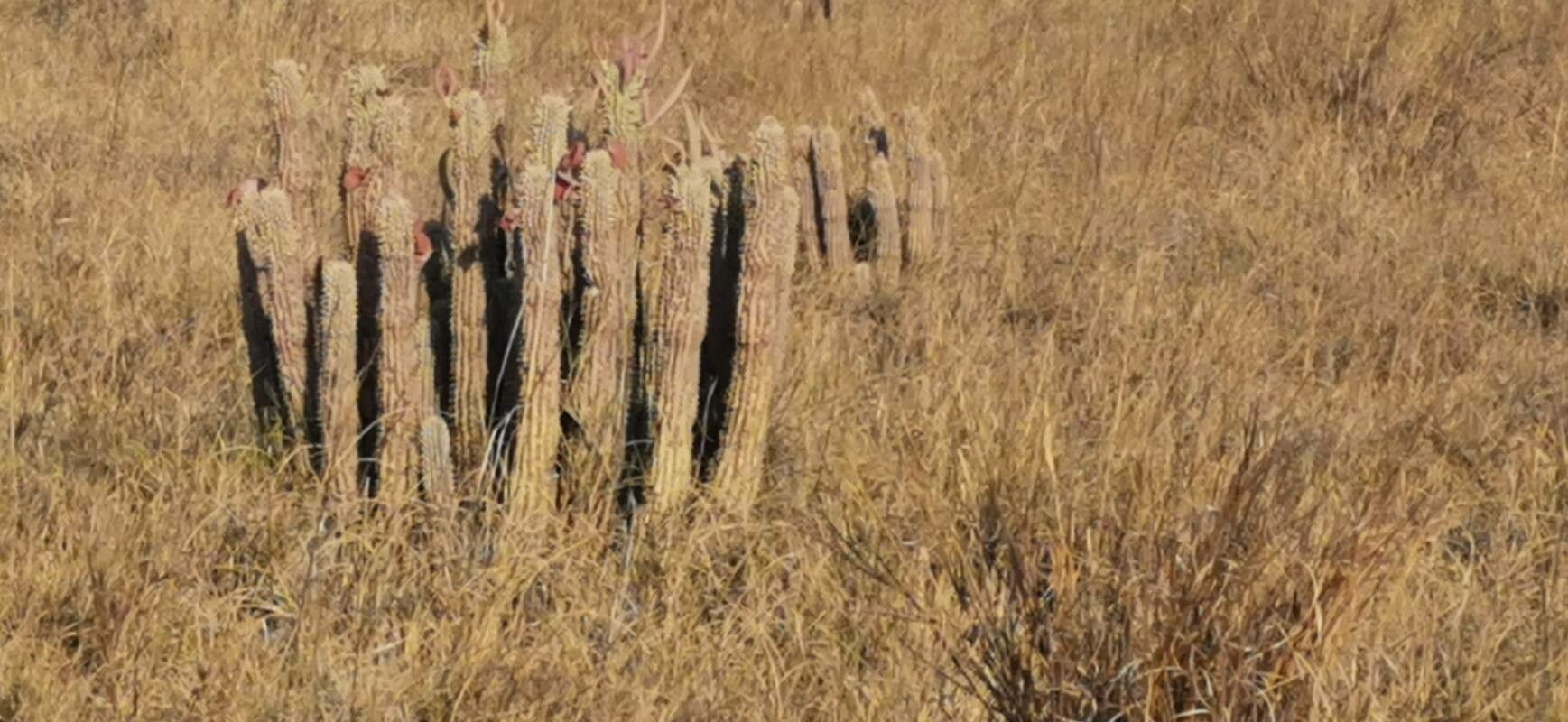
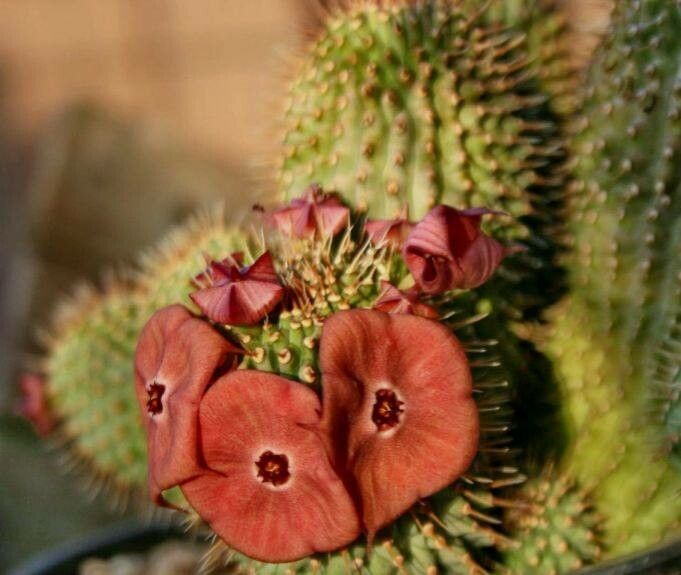
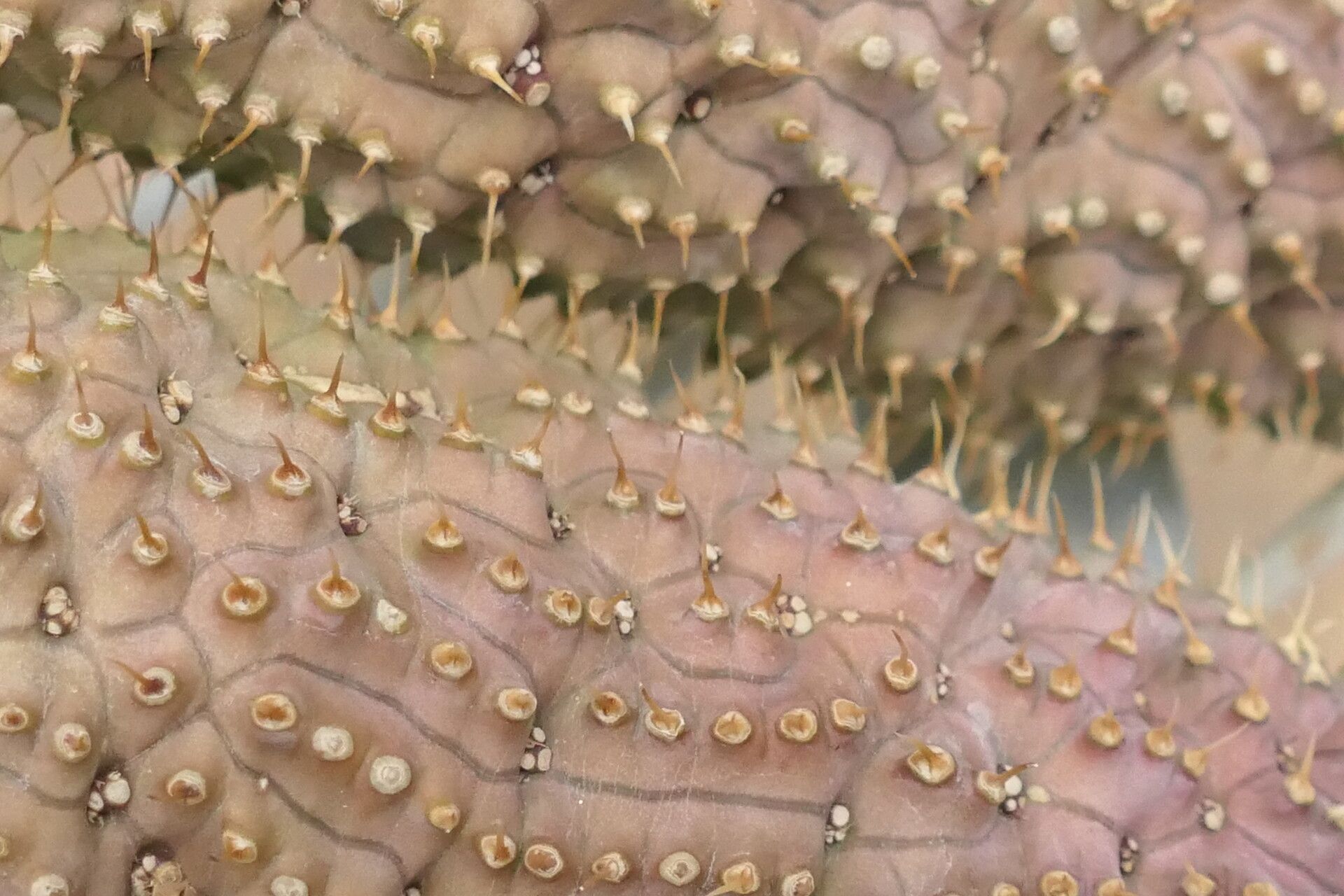
Hoodia gordonii is a succulent plant native to the Kalahari Desert in southern Africa. Traditionally, the San people have used it as an appetite suppressant during long hunting trips. The plant contains a molecule called P57, which is believed to be responsible for its appetite-suppressing properties.
In recent years, Hoodia gordonii has gained popularity as a weight loss supplement, with claims that it can reduce food intake and promote weight loss. However, scientific evidence supporting these claims is limited.
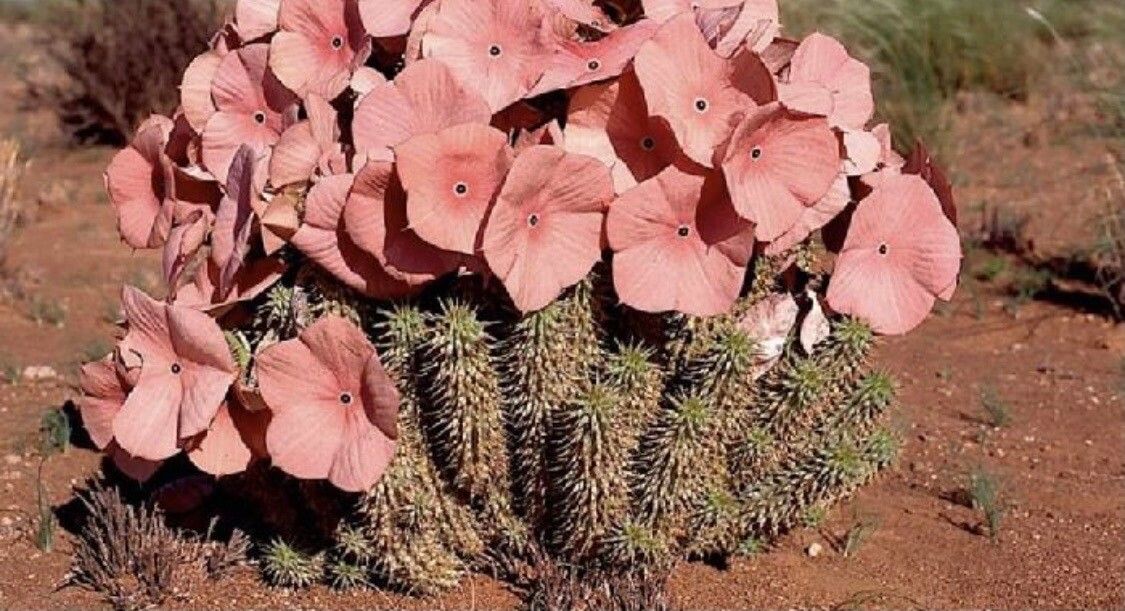
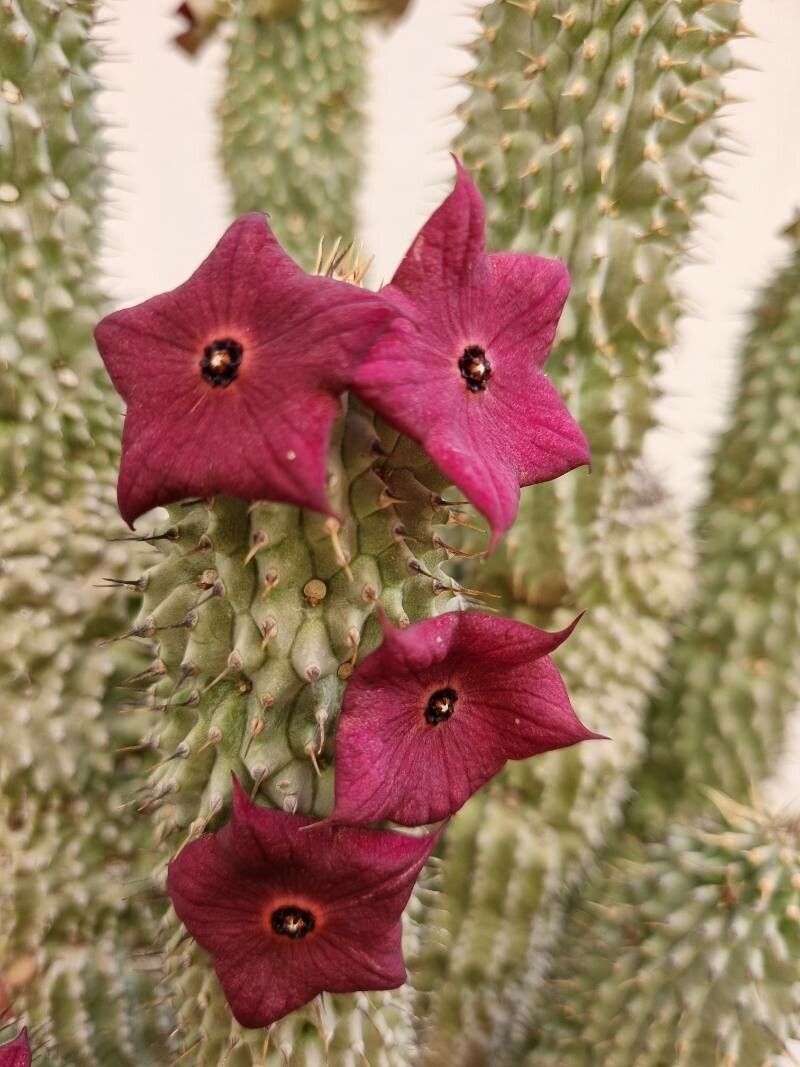
The plant can grow up to 1 meter tall and produces large flowers with an unpleasant odor that attracts flies for pollination. It thrives in hot, dry conditions and can survive long periods without water.
Due to its popularity as a weight loss supplement, Hoodia gordonii has been overharvested from the wild and is now listed as an endangered species by the International Union for Conservation of Nature (IUCN). Conservation efforts are underway through cultivation programs aimed at reducing pressure on wild populations while providing economic benefits for local communities.
Ceropegia gordonii has moderate resistance to disease and is relatively sensitive to humidity. It becomes susceptible to illnesses when humidity is elevated and is liable to develop root rot while dormant. Regarding care, Ceropegia gordonii tolerates drought but requires increased watering during its active growing season. Watering should be greatly reduced or stopped entirely during dormancy. Ceropegia gordonii is best for growers with some experience, as it can be challenging to maintain, especially during its dormant phase. It is particularly appropriate for those who can dedicate time to its care over the winter months.
How to keep Hoodia Gordonii.
Light
Originating from dry regions, Ceropegia gordonii performs best in full sun, as its native habitat has intense sunlight and very little shade. It can also tolerate partial sun, providing some flexibility in its growth.
Temperature
Although Ceropegia gordonii can tolerate some heat, it mainly does best and grows during the cooler seasons and becomes dormant in summer. In very hot summer conditions, provide shade to avoid scorching from strong sunlight. Watering should be cut back or stopped during the hottest part of the year to prevent root rot. Winter and spring are the periods of vigorous growth for Ceropegia gordonii, and provided the temperature does not drop too low, it will continue to grow steadily.
Fertilizer
For Ceropegia gordonii, light applications of fertilizer once or twice a year during the growing season are adequate. Do not fertilize in winter or in summer when the plant is dormant. Cut back on feeding for plants that have been repotted and wait a couple of months after repotting before applying fertilizer. Fertilizing helps maintain healthy growth and promotes blooming.
Pot & Repot
When repotting Ceropegia gordonii, choose a pot slightly larger than the current one with good drainage. Use a gritty, well-draining succulent or cactus mix. Gently remove the plant from its old pot, brush off excess soil, and place it at the same depth. Wait a few days before watering to allow any root damage to heal. Repot in spring or fall and keep it in a brightly lit spot.
Botanical profile.
- Plant Type
- Vine
- Life Cycle
- Perennial
- Genus
- Hoodia
- Family
- Apocynaceae
- Hardiness Zone
- 9-11
- Mature Height
- 30 cm to 61 cm
- Mature Spread
- 20 cm to 40 cm
- Leaf Color
- Dark Green
- Leaf Type
- Semi-evergreen
- Flower Color
- Tan
- Flower Size
- 2.03 cm to 3.05 cm
- Bloom Time
- Summer, Early fall, Mid fall
- Planting Time
- Spring, Summer, Autumn
- Harvest Time
- Fall
- Native Area
- South Africa, Namibia, Botswana
Other names.