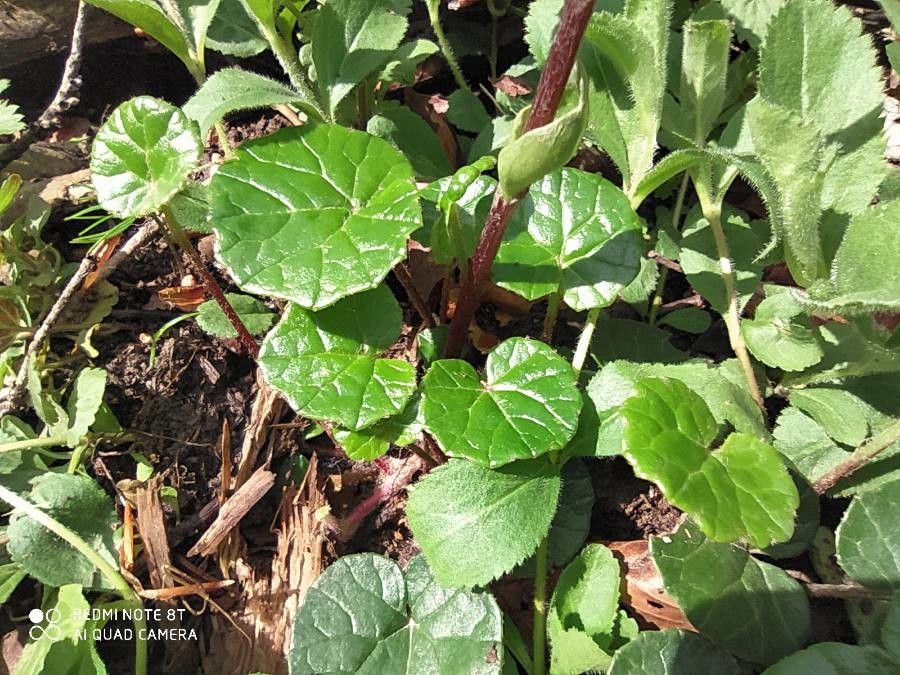
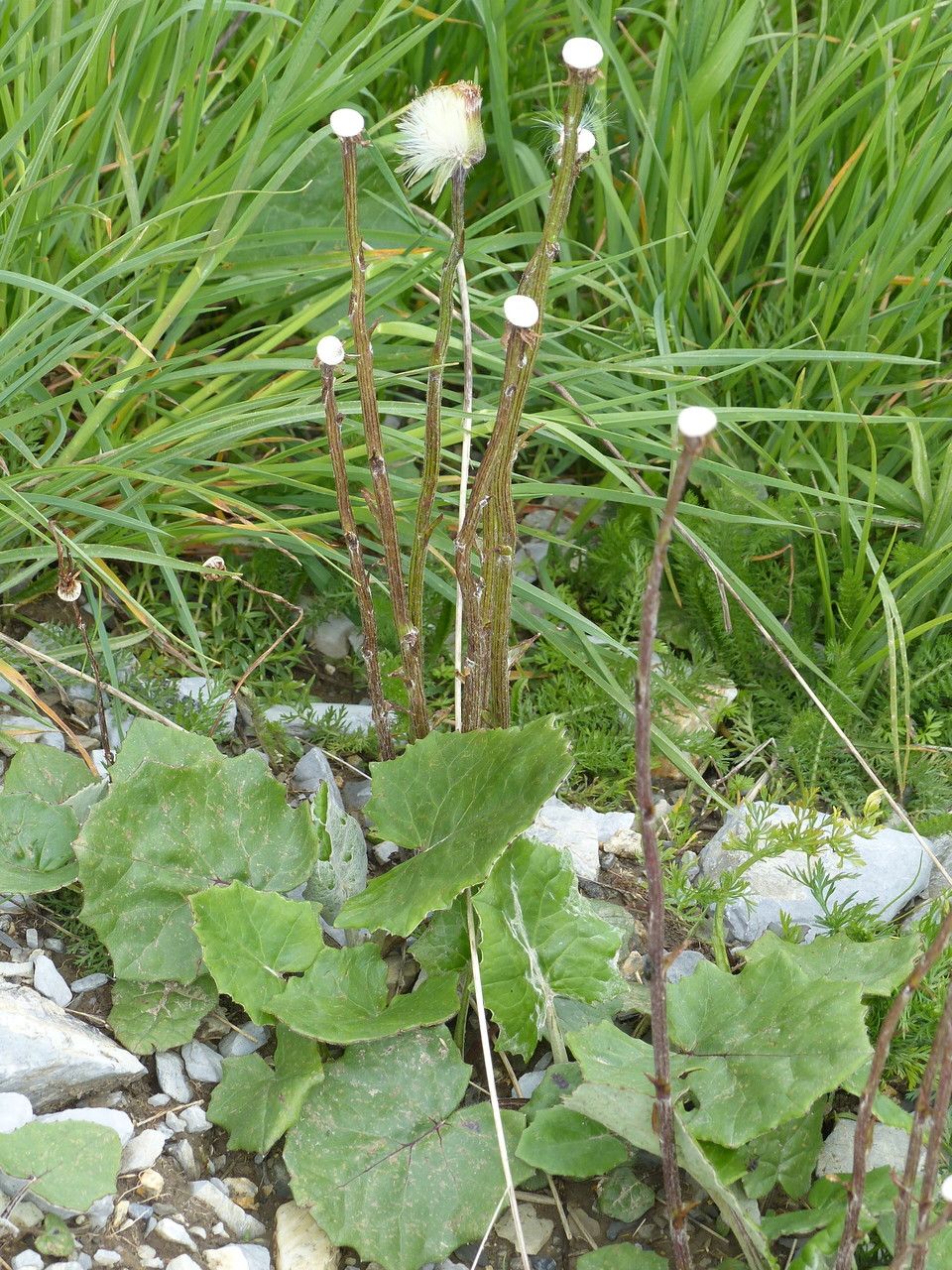
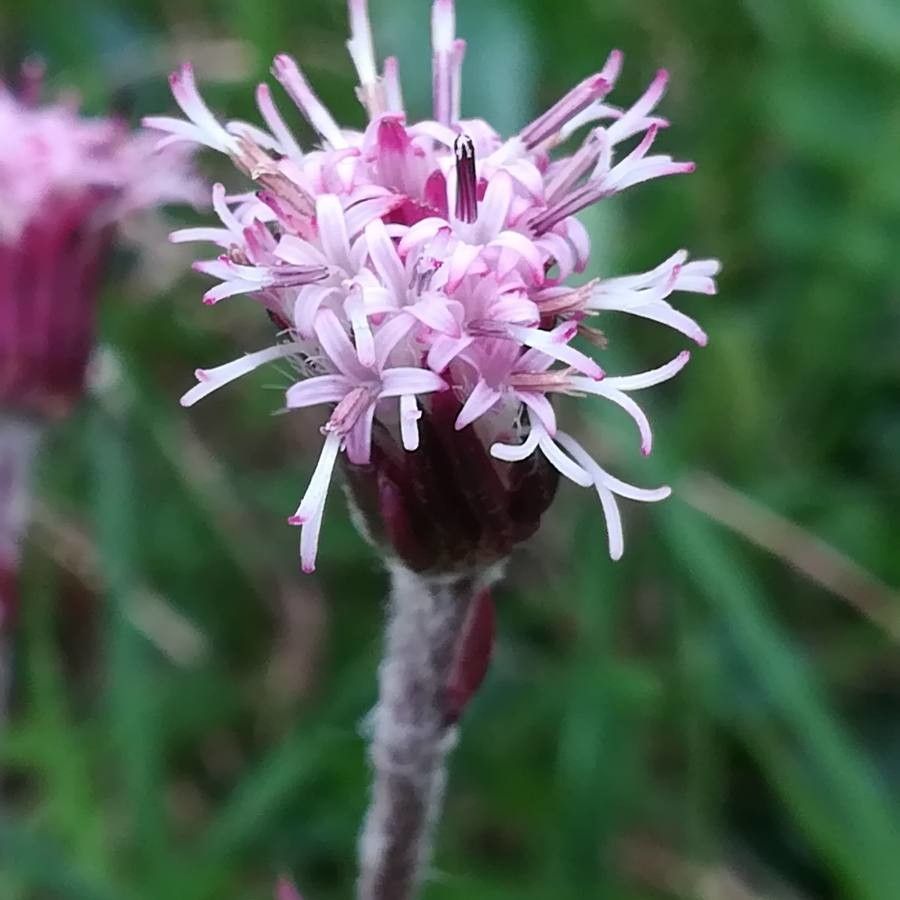
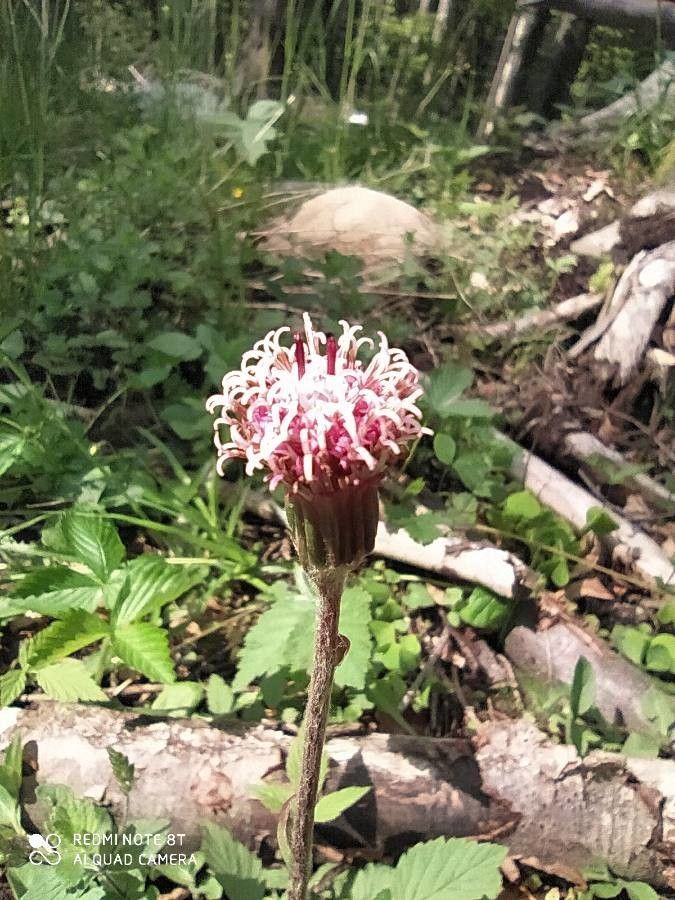
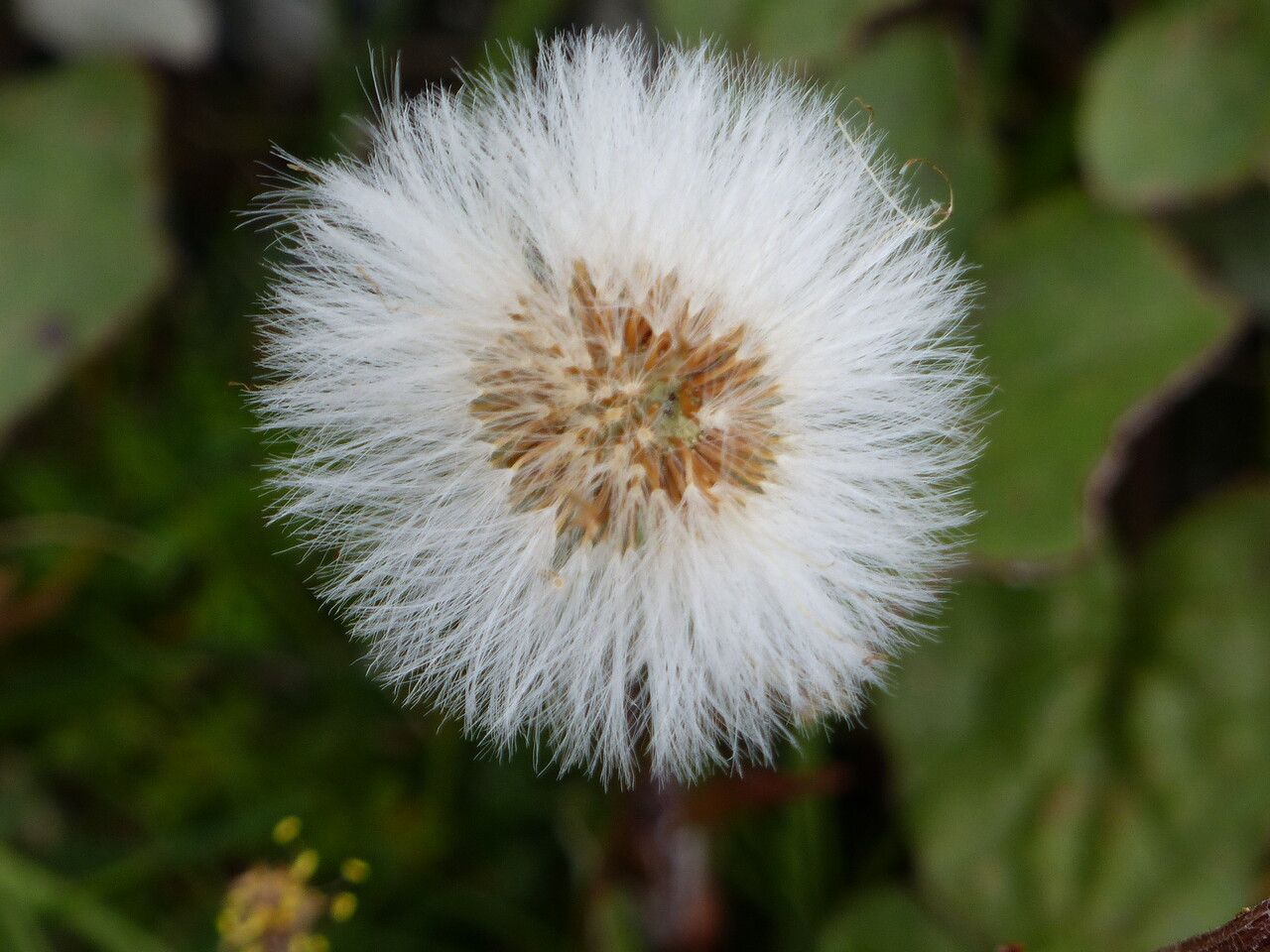
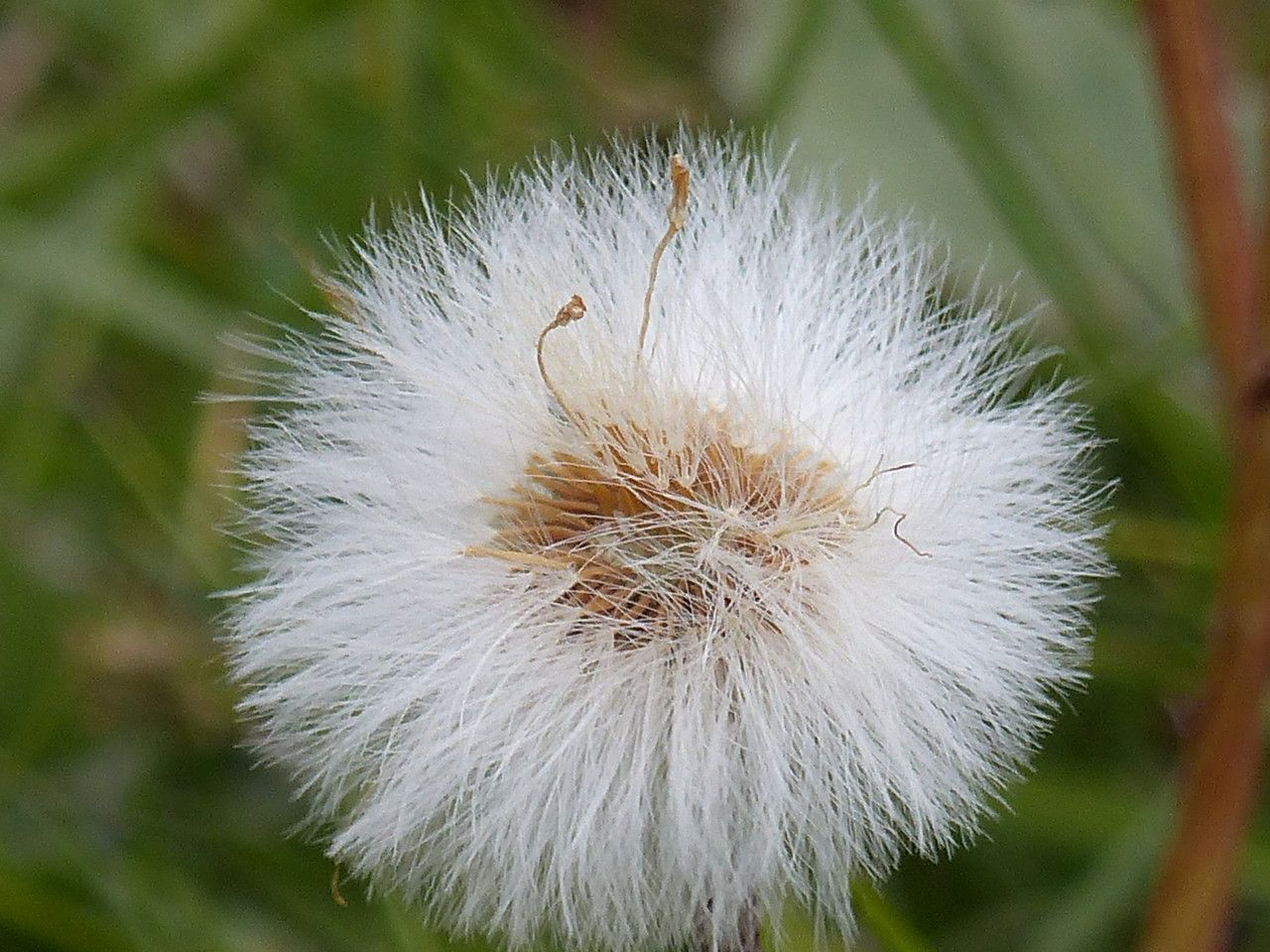
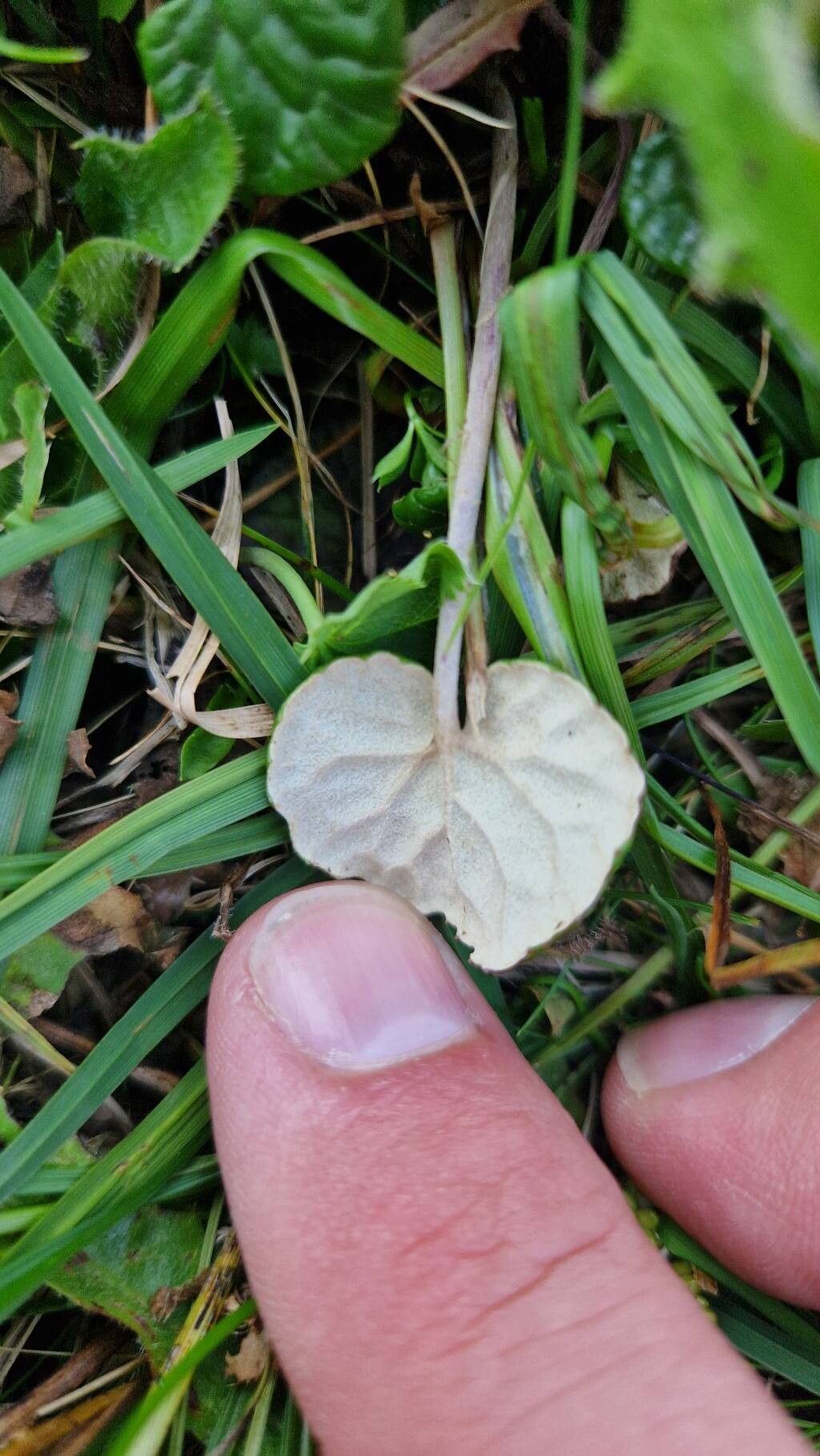
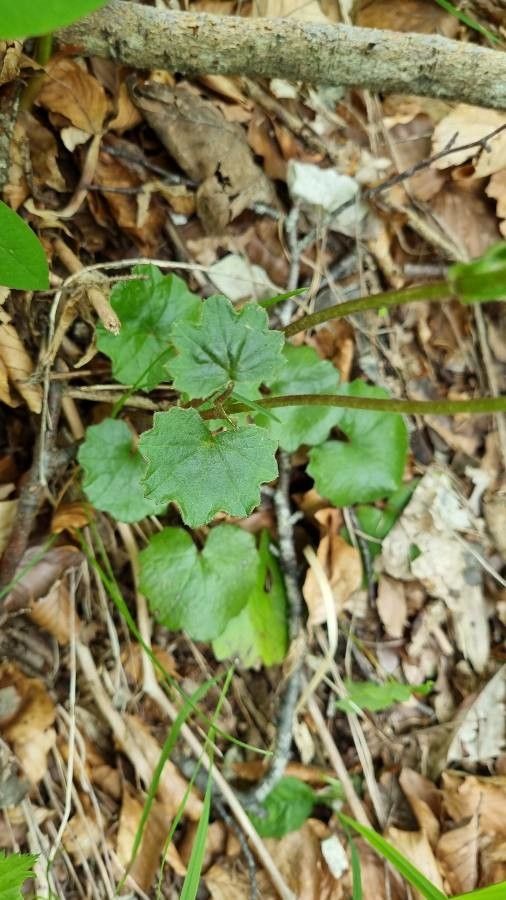
Homogyne alpina, commonly known as alpine coltsfoot, is a perennial herbaceous plant belonging to the Asteraceae family. Native to the mountainous regions of Europe and Asia, it thrives in rocky areas, meadows, and along stream banks. The plant features a short stem that can grow up to 20 cm in height and has basal leaves that are heart-shaped or kidney-shaped. The leaves display a green top surface and a white or grayish underside covered in fine hairs. Homogyne alpina produces small, yellowish-white flowers, with ray florets encircling the central disk florets. This plant has been used for centuries in traditional medicine due to its anti-inflammatory properties. It has served as an herbal remedy for respiratory ailments such as coughs, bronchitis, and asthma. Additionally, Homogyne alpina contains flavonoids, which possess antioxidant properties that help protect against cellular damage caused by free radicals. The plant is also known for its diuretic properties, which can increase urine production. In summary, Homogyne alpina is a noteworthy herbaceous perennial with medicinal benefits, commonly found in the mountainous regions of Europe and Asia.
Purple colt's-foot has strong resistance to disease and is generally not likely to suffer from illnesses. Still, it can be vulnerable to pests and diseases present in its environment. Such infections are typically not serious. Regarding care, this plant needs a moderate amount of attention. It should be pruned regularly to preserve a neat appearance and support healthy growth. Applying fertilizer can also encourage flowering. Purple colt's-foot is appropriate for anyone who has an outdoor area, like a garden or patio, and does not demand extensive care experience. It may need more attention when kept indoors.
How to keep Homogyne Alpina.
Light
Purple colt's-foot is native to habitats like forest understories and rocky areas, where it grows in natural shade. It prefers partial sun but can adapt to full sun or full shade, showing its versatile and hardy nature.
Water
Purple colt's-foot, which originates from alpine regions, thrives with consistent moisture and stable hydration. While it shows moderate drought tolerance, providing weekly watering to simulate its natural rainfall is beneficial. This practice supports its growth cycle and promotes lush foliage during the growing season.
Temperature
Purple colt's-foot is native to habitats where temperatures commonly range from 50 to 90 °F (10 to 32 °C). It prefers a warm, moderate temperature range, making it well-suited for gardening in temperate regions. Seasonal adjustments to temperature may be necessary for optimal growth.
Fertilizer
For Purple colt's-foot, the primary time to apply fertilizer is in early spring while the flowers are forming. Using the appropriate fertilizer promotes stronger blooms and helps Purple colt's-foot produce attractive flowers. Fertilizing in early spring secures good flowers throughout the season and supplies energy for dormant growth phases.
Pruning
Prune purple colt's-foot from early to late spring to promote healthy growth and maintain its shape. Focus on removing dead foliage and lightly trimming the plant. This practice enhances airflow, helps prevent disease, and ensures vigorous growth throughout the season.
Botanical profile.
- Plant Type
- Herb
- Life Cycle
- Perennial
- Genus
- Homogyne
- Family
- Asteraceae
- Hardiness Zone
- 6-8
- Mature Height
- 10 cm to 40 cm
- Mature Spread
- 15 cm to 25 cm
- Leaf Color
- Dark Green
- Leaf Type
- Semi-evergreen
- Flower Color
- Purple, Lavender
- Flower Size
- 2.54 cm
- Bloom Time
- Mid spring, Late spring
- Planting Time
- Spring, Summer, Autumn
- Harvest Time
- Early summer, Mid summer
Other names.
Reader questions.
How do I water my Purple colt's-foot as it grows?
The water needs of the Purple colt's-foot can vary depending on its growth stages. Initially, in the first few years or after transplanting, you will need to provide more water than usual. During these stages, the plant focuses on developing new roots to support future growth, and these roots require additional moisture. However, as the Purple colt's-foot matures, its water requirements decrease. Additionally, during the bloom period, the plant's flower development necessitates a significant amount of moisture, so you may need to water it more at this time.
What temperature is best for Purple colt's-foot?
The best temperature for Purple colt's-foot depends on the time of year. Let's discuss the temperature during the growing season and the dormancy season separately. During the growing season, when Purple colt's-foot starts to sprout, the ideal temperature range is between 65 and 80℉ (18-27℃). If it gets colder than 15℉ (-10℃), the plant may suffer with browning and wilting leaves. However, if it's just a short cold snap, Purple colt's-foot can survive with some assistance. In the warmer parts of the year, it's important to protect Purple colt's-foot from excessively high temperatures. The upper limit of the plant's temperature range is between 95 and 105℉ (35-40℃). Anything above this range may harm the leaves and blooms, causing wilting, drooping, and even sunburn. Recovering from such damage can be difficult for Purple colt's-foot. To deal with high temperature issues, there are several quick and easy ways available.
How should I water my Purple colt's-foot plant?
To ensure optimal health for the Purple colt's-foot, it is recommended to use filtered water at room temperature or slightly warmer. Tap water may contain harmful particles that can negatively affect the plant. Since the Purple colt's-foot originates from warm environments, using cold water can be a shock to its system. Additionally, it is best to avoid overhead watering as it can cause issues with the foliage. Instead, it is advised to directly apply filtered room temperature water to the soil until it is completely soaked. This helps moisten the roots and support their spread through the soil, facilitating the absorption of necessary nutrients.
The temperature needed for the first year or small Purple colt's-foot plant.
If you're new to growing Purple colt's-foot outside and it's the first year for your plant, you should give it some extra attention during the coldest months. Frost can be especially damaging to first-year Purple colt's-foot and may prevent it from growing back healthy in spring. To protect the plant, keep it at a temperature above 40℉ (5℃) until it becomes established. This can be achieved by either bringing it inside for a month or two or using mulch or fabric barriers to shield it from frost. During the first year or two, it's best to plant Purple colt's-foot in a shadier area. Smaller and weaker plants have a harder time regulating their own temperature in the heat. So, limit the plant's exposure to direct sunlight to no more than five hours a day, especially if the daytime temperature exceeds 80℉ (27℃). To manage summer heat, use shadecloth and make sure to water or mist the plant regularly.
What should I do if I give too much or too little water to my Purple colt's-foot plant?
Overwatering is a more common problem than underwatering for Purple colt's-foot plants. When they receive too much water, their stems and leaves may wilt and turn yellow. Prolonged overwatering can lead to diseases like root rot, mold, and mildew, which can be fatal for the plant. Although Purple colt's-foot has good drought tolerance, underwatering can still happen and cause brittle, brown leaves. It's important to notice the signs of overwatering early on, as some diseases like root rot can't be reversed if left too long. If you see signs of overwatering, reduce your watering schedule and check the soil's drainage. Replace it with a loose, well-draining potting mix if it drains poorly. If your plant shows signs of underwatering, simply water it more regularly until the signs disappear.
How can I keep Purple colt's-foot safe from really hot or cold weather?
To protect Purple colt's-foot from frost or cold damage during the growing season, there are a few measures you can take. - If you're growing it in a container, simply bring the container inside in bright, indirect light until the temperatures rise above 15°F (-10°C) again. - For ground-planted Purple colt's-foot, using mulch or horticultural fabric to create an insulated barrier around the plant will protect it from frost and cold wind. - If temperatures exceed 80°F (27°C) in the shade during the day, limit the plant's exposure to sunlight to six hours or less, preferably in the morning. - Installing shade cloth or a fine plastic mesh can help reduce direct sunlight during the hottest parts of the day. - Another option is to install a misting system that releases a slow cooling mist around the plant's base during the day to lower ground temperatures.
How often do I need to water my Purple colt's-foot plant?
If your Purple colt's-foot plant is in a pot, the most precise way to determine if it needs water is by checking the moisture level of the soil. Insert your finger into the soil and if you find that the top two to three inches are dry, it is time to water it. For Purple colt's-foot plants grown outdoors in the ground, you can use a similar method. Check the first few inches of soil and if it is dry, it is time to water. Typically, during spring and early fall, watering once a week is sufficient. However, during extremely hot weather, you might need to water it twice or more per week. It's worth noting that mature, well-established Purple colt's-foot plants have an impressive ability to tolerate drought.
The recommended temperature for Purple colt's-foot during the dormant season.
During the cold winter months, Purple colt's-foot needs a certain amount of cold to stay dormant until it's time to sprout. If it starts sprouting too early, before the last frost danger is over, it can be fatal, especially if it gets hit with frost. Ideally, winter temperatures should stay below 32℉(0℃), but up to 40℉(5℃) is still okay. In more temperate climates like woodland rainforests, a warm spell can cause Purple colt's-foot to sprout prematurely. If there's still a risk of frost, you can protect it by covering it with clear plastic on stakes. This can be removed once the frost danger has passed. Sometimes, Purple colt's-foot can naturally sprout at the right time, but this method increases the chances of successful second sprouting.
How much water does my Purple colt's-foot plant need?
To water your Purple colt's-foot, don't be shy about giving it a generous amount of water. Wait until the top two to three inches of soil are dry, then thoroughly water the plant, making sure the entire soil is soaked. You should add enough water so that it flows out of the drainage holes at the bottom of the pot. If you don't see excess water draining, you've likely underwatered. However, be careful not to let the water accumulate in the soil, as this can harm the plant. If the water doesn't drain properly, it could indicate poorly draining soil, which is not good for the health of the plant. If the plant is outside, one inch of rain per week should be enough.
How should I water my Purple colt's-foot plants at different times of the year?
The Purple colt's-foot has its highest water needs in the hottest months, typically during the height of summer. Depending on how quickly the soil dries out, you may need to water this plant more than once a week during this time. However, in winter, the plant enters a dormant phase and requires significantly less water. In fact, you may not need to water it at all during the winter months. If you choose to water it during winter, do so sparingly, no more than once a month. Overwatering during this time can increase the likelihood of the plant contracting a disease.
What's the difference between watering my indoor and outdoor Purple colt's-foot plants?
Growing the Purple colt's-foot indoors is most common for gardeners who do not live in temperate or tropical regions. It's important to note that soil in a container can dry out more quickly than ground soil, so gardeners should be aware of this. Additionally, if there are drying elements like air conditioning units present, the Purple colt's-foot may need more frequent watering compared to if it were planted outside. However, if the plant is grown outdoors and receives regular rainfall, it may not need much additional watering. On the other hand, those who grow the Purple colt's-foot indoors will need to water it more often, as relying on rainfall to soak the soil is not an option.