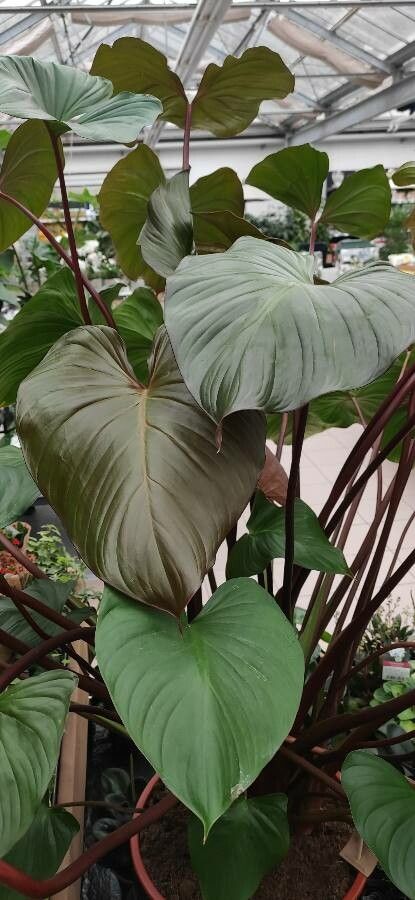
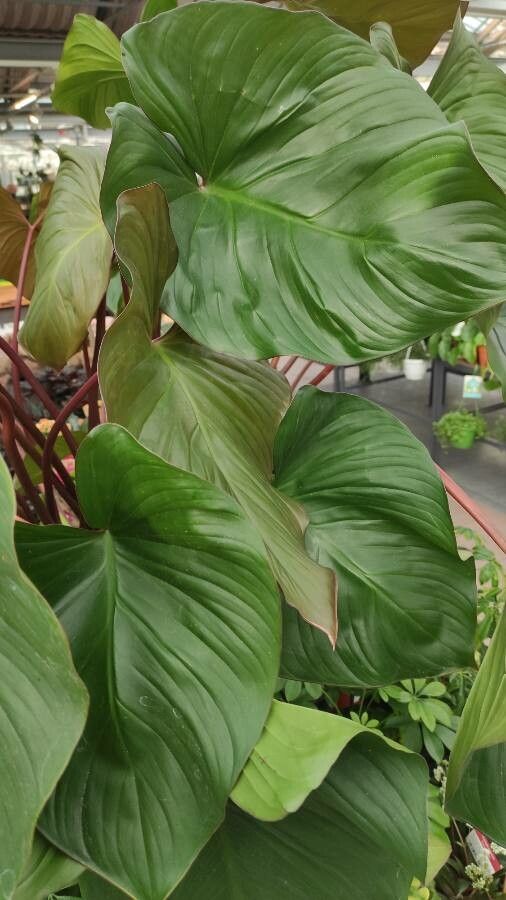
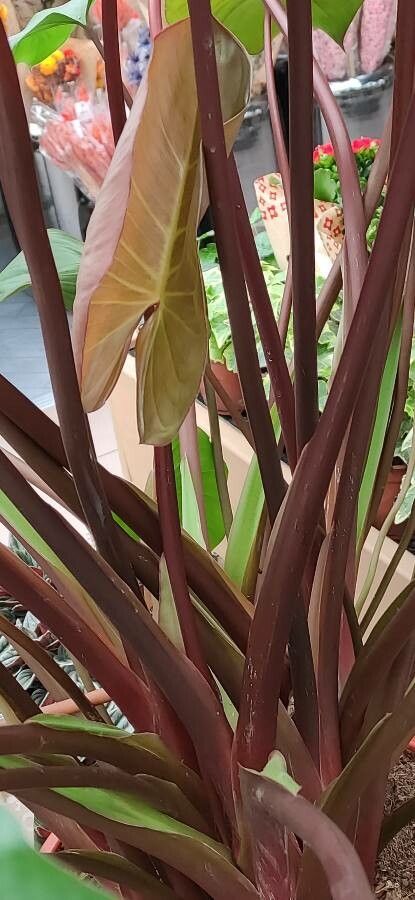
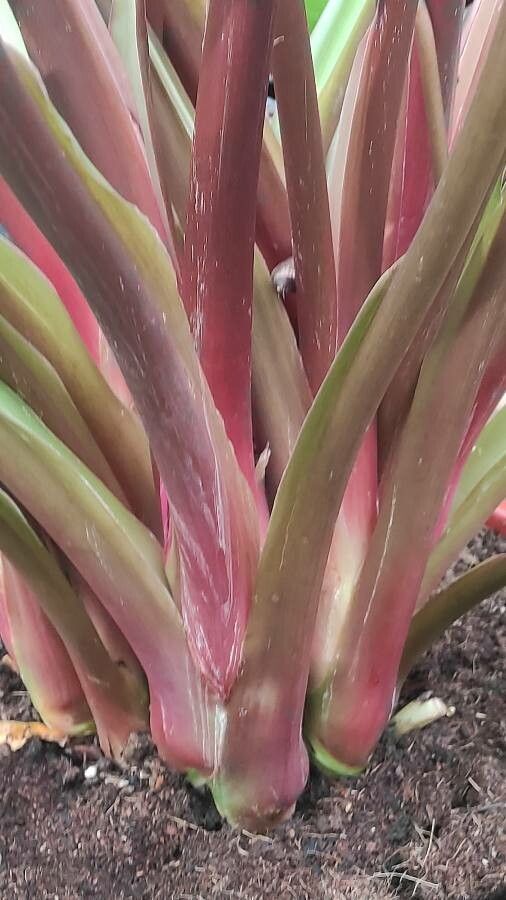
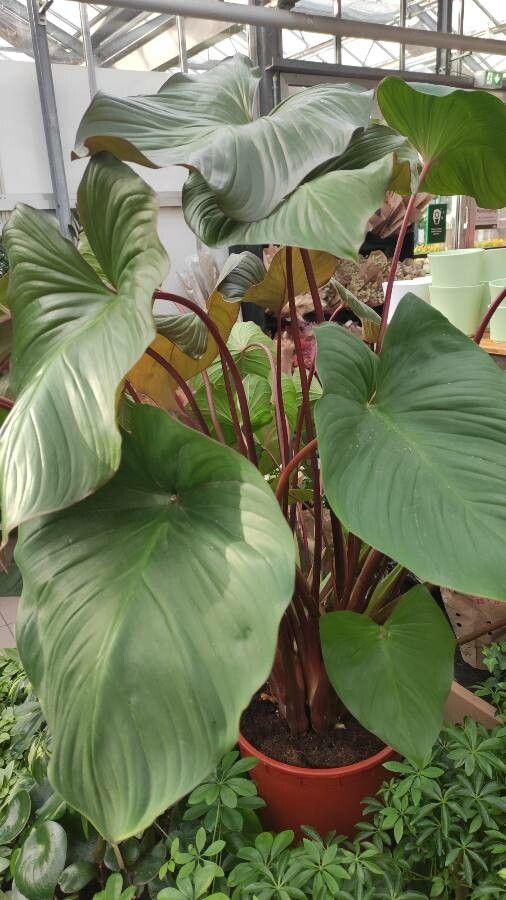
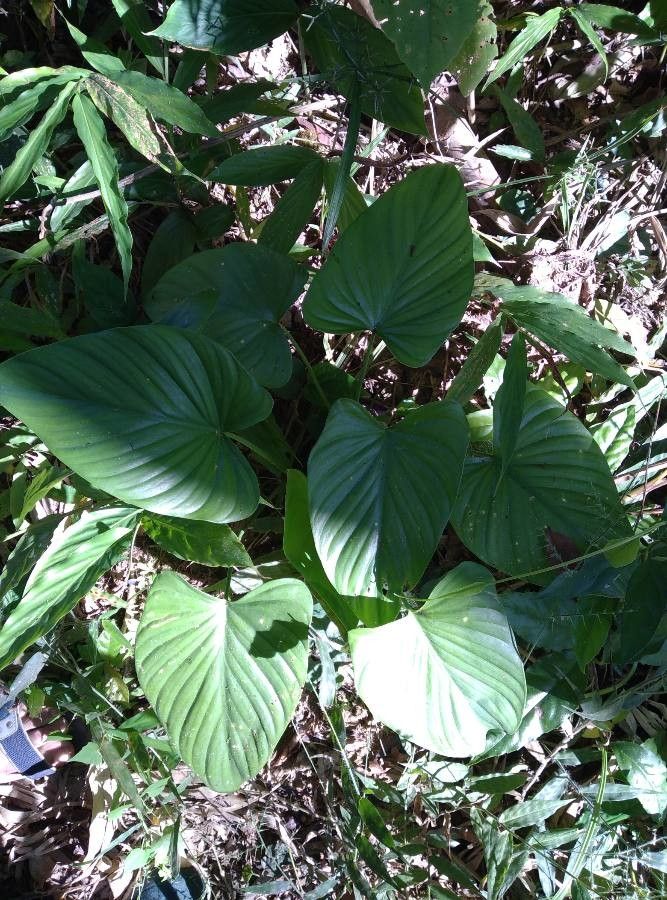
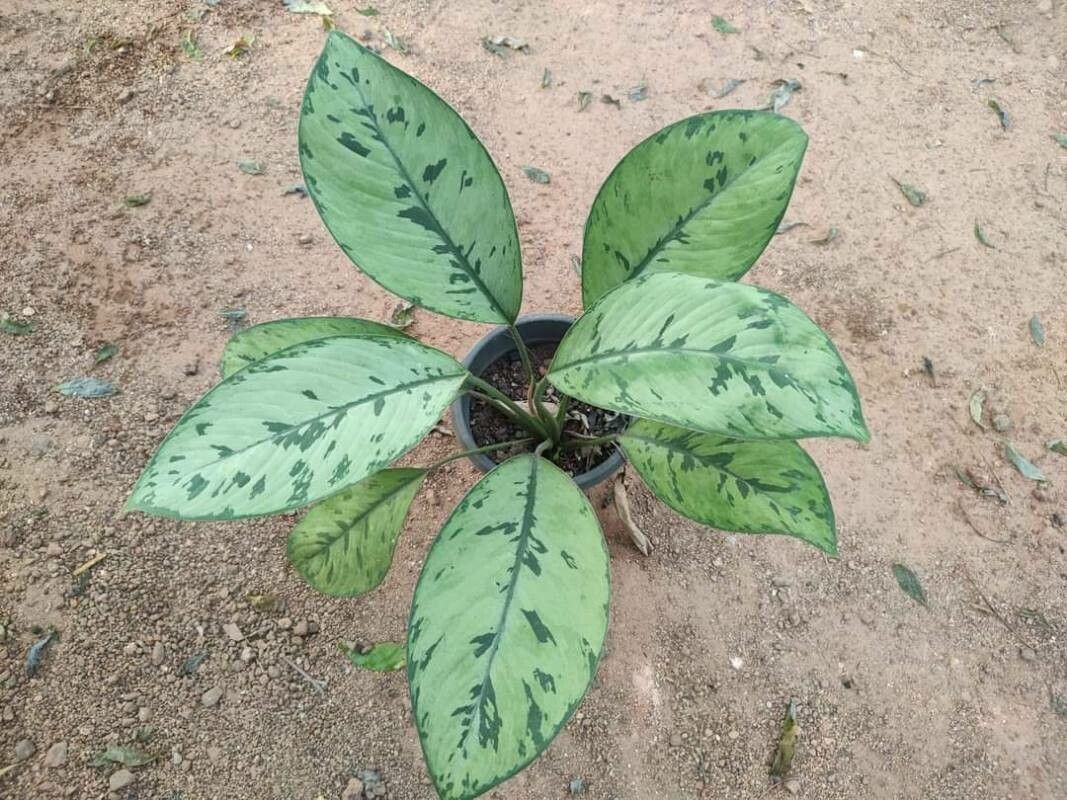
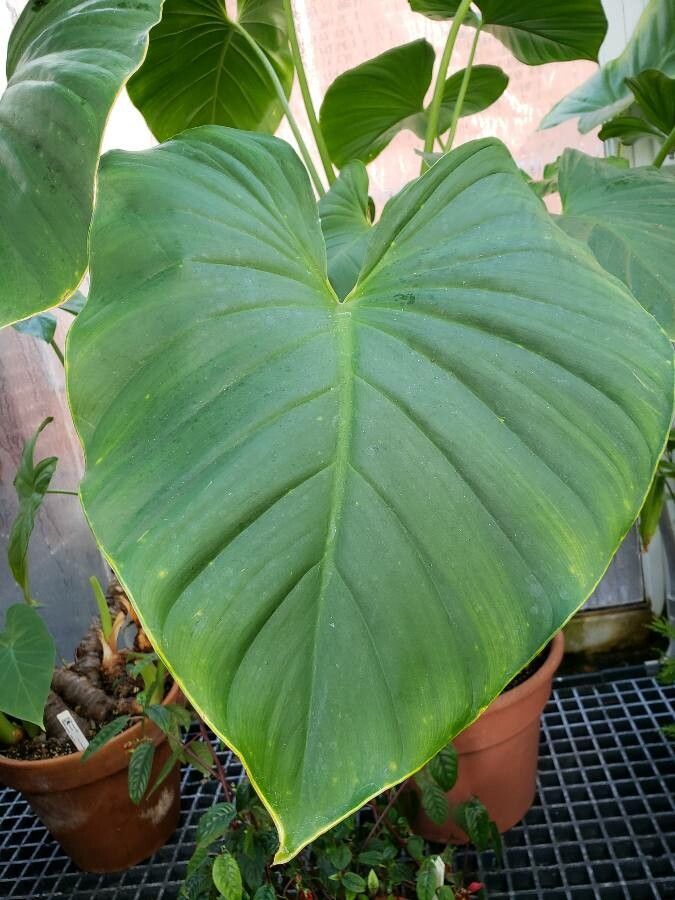
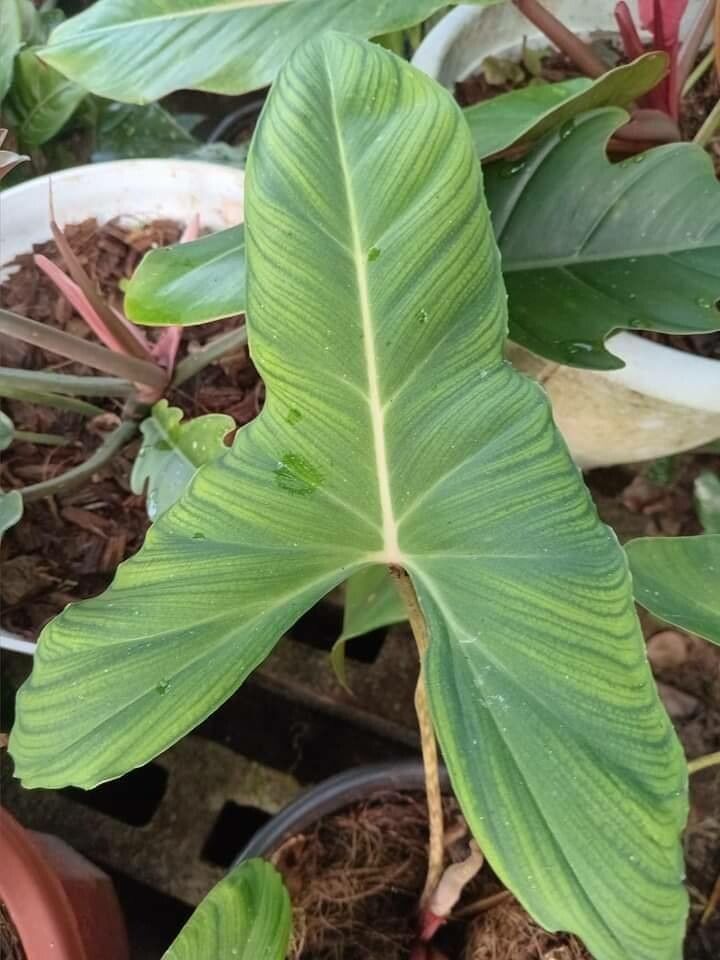
The plant with large, heart-shaped leaves and gliding on pinky-orange long arching slender stems. Because of their ability to grow in low light conditions, it makes them a good choice for a house that doesn't benefit from windows offering a lot of natural sunlight.
Queen of hearts is highly resistant to disease and typically not prone to illnesses. Still, it can be vulnerable to leaf spots if light and ventilation are inadequate and watering is excessive. Its care level is considered easy because it only needs regular watering and little additional attention. Queen of hearts is well suited to people who do not have the time or energy to spend on frequent care.
How to keep Homalomena Rubescens.
Light
Emerging from habitats where overhead foliage provides steady shelter, queen of hearts performs best with minimal sunlight. Adequate light supports healthy growth; nonetheless, too much exposure can scorch the leaves. Insufficient light can weaken it, causing the leaves to turn pale or lose their usual vibrancy.
Water
The Queen of Hearts plant flourishes in warm and humid conditions, needing consistent moisture without becoming waterlogged. Water the plant every 1-2 weeks and increase humidity by using a pebble tray or a humidifier. Although it is usually grown indoors for its decorative charm, providing a rainforest-like environment ensures the best care.
Temperature
Queen of Hearts comes from tropical areas, where the climate is usually warm and humid. Therefore it is well suited to high heat and humidity. It does not tolerate sudden temperature shifts and prefers a consistent temperature, so avoiding indoor temperature fluctuations is important. It typically cannot withstand cold and needs warmer conditions for growth. If the ambient temperature falls too low, the plant may stop growing or even die.
Fertilizer
Queen of hearts needs the most fertilizer during its active growth phase, which takes place mainly in spring, summer, and early fall. Fertilizing is necessary to supply essential nutrients the soil may lack, encouraging healthy root and stem development and the attractive foliage that is a key feature of this plant.
Pruning
The Queen of Hearts plant is known for its large, heart-shaped leaves and robust nature. To encourage growth and maintain its shape, it's best to prune the plant from early to late spring. Remove any dead leaves to improve air circulation, and trim leggy stems to rejuvenate the plant. Be sure to use clean tools and prune during the right season for optimal health.
Pot & Repot
Repot the Queen of hearts in spring or summer when it's warm enough, choosing a slightly larger pot with good drainage. Water thoroughly after repotting and place it in bright, indirect light. Consider adding a moss pole to support the plant as it grows.
Botanical profile.
- Plant Type
- Herb
- Life Cycle
- Perennial
- Genus
- Homalomena
- Family
- Araceae
- Hardiness Zone
- 10-12
- Mature Height
- 91 cm
- Mature Spread
- 76 cm
- Leaf Color
- Dark Green, Forest Green
- Leaf Type
- Evergreen
- Flower Color
- White, Cream
- Flower Size
- 5.08 cm to 7.62 cm
- Bloom Time
- All year round
- Planting Time
- Summer, Autumn
- Harvest Time
- All year round
- Native Area
- Myanmar, Bangladesh, India
Other names.