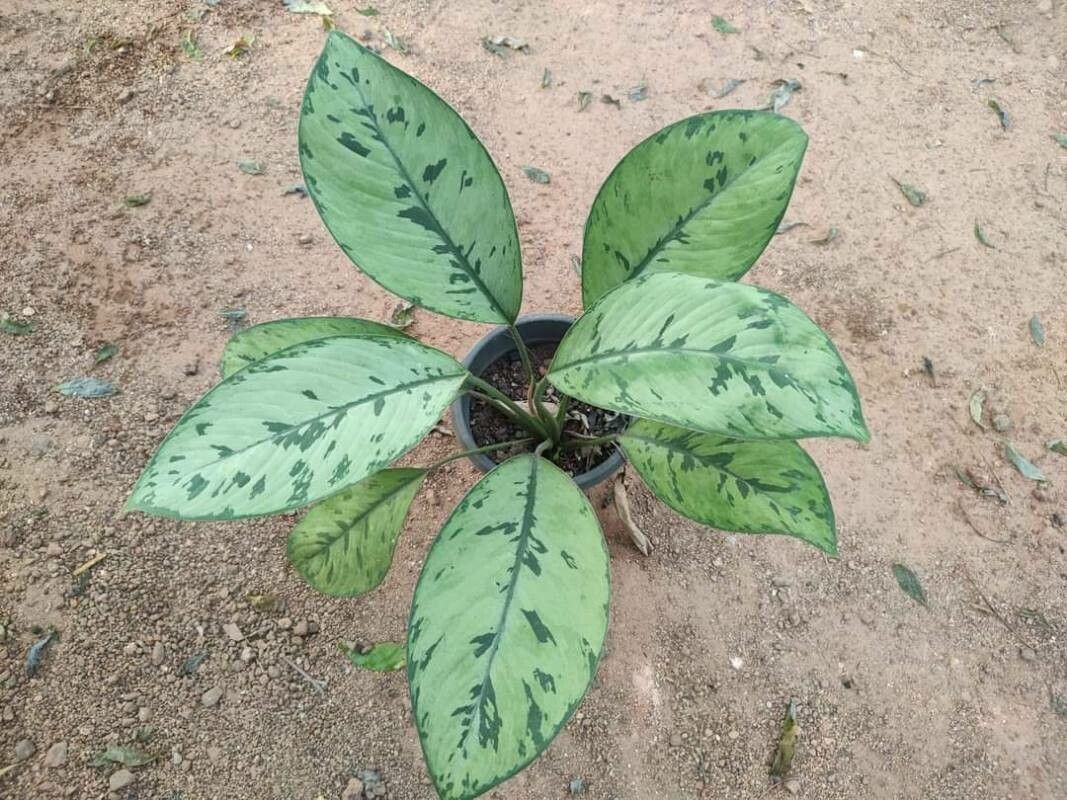
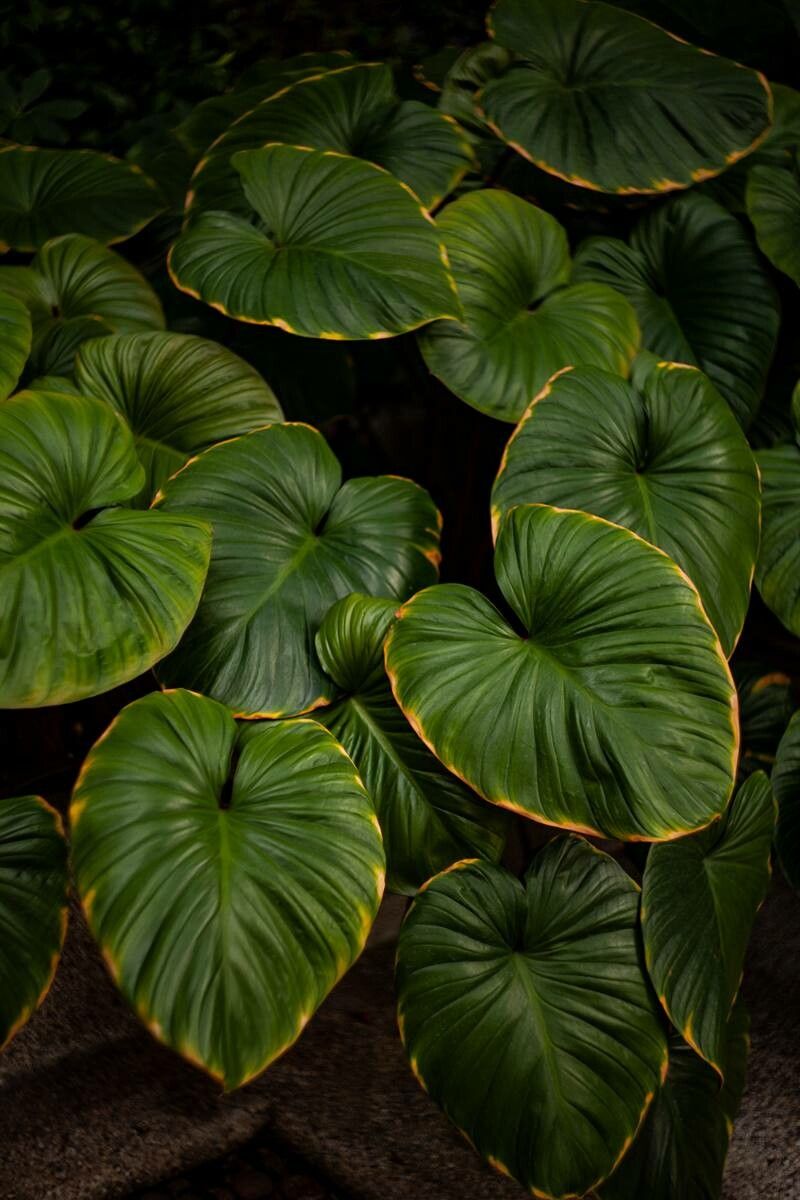
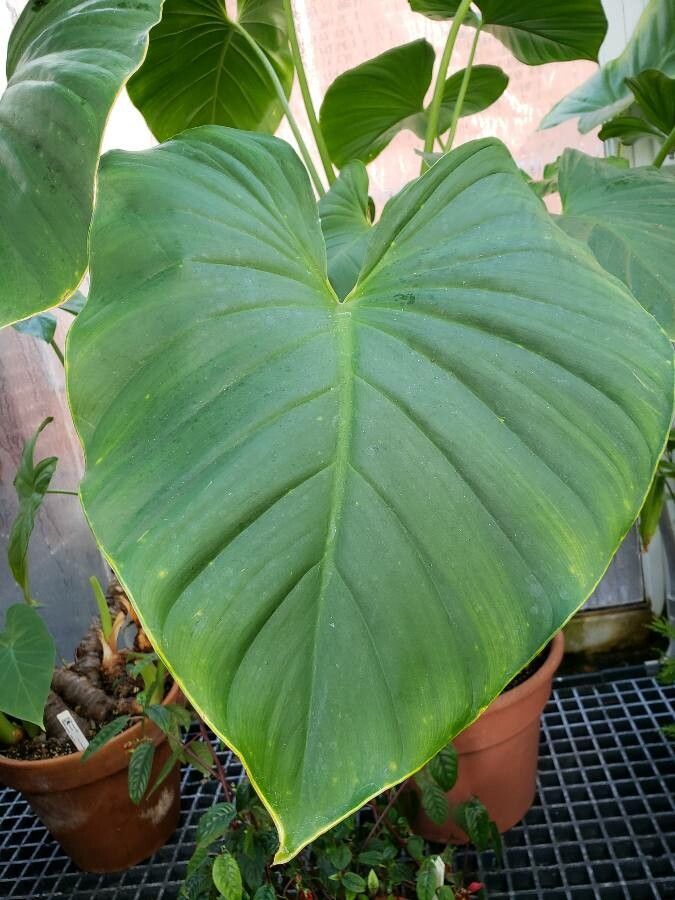
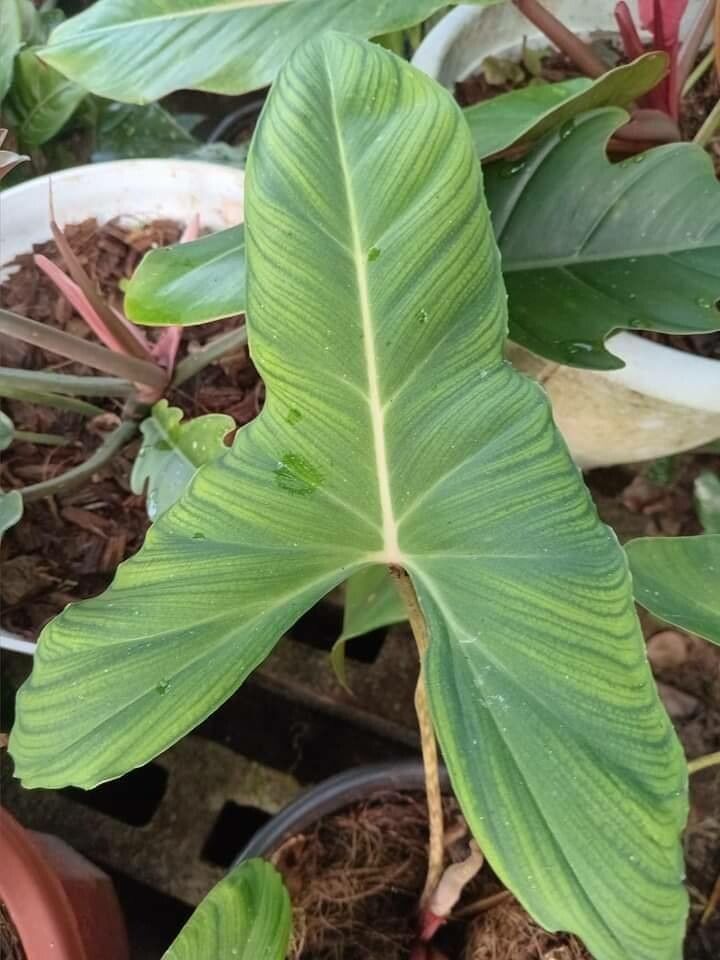
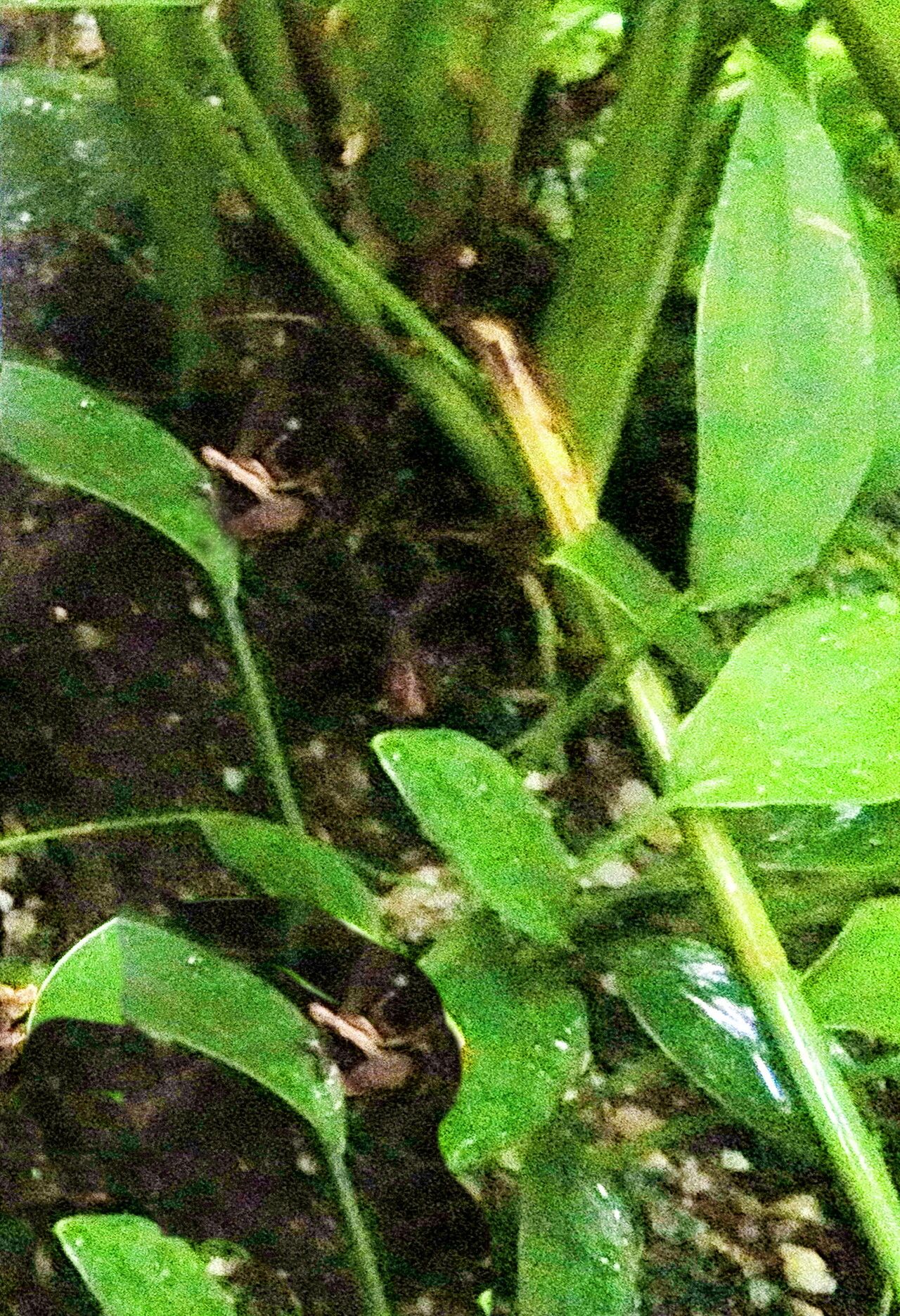
Homalomena occulta is largely resistant to disease and typically not affected by illnesses. That said, it can be prone to leaf spots if lighting and airflow are poor and if it is overwatered. Its care requirements are regarded as easy: it mainly needs regular watering and little else. Homalomena occulta is well suited to people who do not have the time or energy to commit to frequent care.
How to keep Homalomena Occulta.
Light
Homalomena occulta does best with plenty of sunlight, though it also tolerates partly shaded conditions well. Native to areas bathed in strong sunlight, the plant’s health and growth are maximized in such light. However, too much sun can scorch the foliage, while too little light can restrict growth.
Water
Homalomena occulta, a plant native to tropical forests, thrives in conditions of high humidity and consistently moist soil. It needs to be watered weekly. While it shows some tolerance to drought, it flourishes indoors with regular misting to maintain the humidity that supports its lush, evergreen leaves.
Temperature
Homalomena occulta is endemic to regions where temperatures range from 68 to 100 °F (20 to 38 ℃). Optimal temperature conditions replicate its native subtropical habitat. If seasonal climates differ, it is essential to modify conditions to recreate these temperatures for its survival.
Fertilizer
Appropriate fertilization is essential for Homalomena occulta's health and appearance. Feed Homalomena occulta in summer, applying fertilizer once a month throughout the season. The nutrients support growth and preserve the plant's parts. Fertilization improves Homalomena occulta's floral display, helping it produce the best blooms.
Pruning
To ensure healthy growth, Homalomena occulta benefits from pruning in the spring. Start by removing dead leaves and thinning out any overcrowded stems to improve airflow. Regular pruning helps maintain a compact shape and can prevent disease. Always use clean, sharp tools for precise cuts to avoid causing damage to the plant.
Pot & Repot
Repot Homalomena occulta in spring or summer once it’s warm enough, using a slightly larger pot with good drainage. Water well after repotting and place the plant in bright, indirect light. You can add a moss pole for support as the plant grows.
Botanical profile.
- Plant Type
- Herb
- Life Cycle
- Perennial
- Genus
- Homalomena
- Family
- Araceae
- Hardiness Zone
- 9-11
- Mature Height
- 30 cm to 49 cm
- Mature Spread
- 40 cm to 76 cm
- Leaf Color
- Dark Green, Forest Green
- Leaf Type
- Evergreen
- Flower Color
- White
- Flower Size
- 2.03 cm to 3.05 cm
- Bloom Time
- Summer, Early fall
- Planting Time
- Summer
- Harvest Time
- Late summer, Fall
- Native Area
- Cambodia, Vietnam, Laos, China
Other names.
Reader questions.
How should I water my Homalomena occulta plant in the best way?
There are multiple ways to water your Homalomena occulta plant. If it is in a small pot indoors, you can take it to the kitchen sink and use the faucet to add water. Just hold the pot and stop watering when the water starts running out of the drainage holes. Avoid doing this during winter or in cold climates as the cold water can harm the roots. Generally, using the faucet is fine, but if your tap water contains high levels of fluorine, chlorine, or salts, consider using rainwater or lake water instead. Additionally, you can also water the plant overhead or directly into the soil using a watering can, hose, or any other tool you prefer.
Why do I have to add fertilizer to my Homalomena occulta?
All plants need soil nutrients for growth, including the Homalomena occulta. However, the soil may not always have all the necessary nutrients. Fertilization and soil amendments can help provide the essential nutrients for your garden plants, including specific ones needed by the Homalomena occulta. This plant requires fertilizer to support healthy root and stem development during the growing season. Fertilization also enhances the appearance of its ornamental foliage, which is a key feature of this plant.
How much sunlight does Homalomena occulta need to grow?
Homalomena occulta requires six to eight hours of direct sunlight daily. If growing outdoors, choose a location with full sunlight all day. Indoors, place near a south-facing window or another bright spot. However, avoid exposing the plant to direct sunlight during extremely high temperatures or hot summer afternoons as it can damage the leaves. Consider using sheer curtains or blinds to filter sunlight or moving the plant to a shadier area.
What temperature is best for Homalomena occulta?
To help your tropical plants thrive, it's best to maintain a temperature range of 75℉ to 90℉ (25-32℃). While different species can tolerate temperatures outside this range, sticking within a few degrees of these limits will ensure optimal growth. However, there are extreme temperature limits to be aware of. Anything below 50℉ (10℃) or above 95℉ (35℃) can hinder growth and cause issues with the leaves and stems. Low temperatures are particularly damaging, as even a light frost can lead to the death of your tropical plants. In fact, cellular death can occur rapidly, with some species dying within 12 to 24 hours.
What do I need to do if I give too much or too little water to my Homalomena occulta plant?
If you realize that you haven't been giving enough water to your Homalomena occulta, the first step to help it is to water it more. Water it deeply until you see water coming out of the drainage hole in the pot, or if it's planted outside, water it until the soil is completely moist. On the other hand, if you think you've been overwatering your Homalomena occulta, start by watering it less. It's also important to consider the soil and container the plant is in. If the soil or container doesn't allow water to drain properly, your plant will likely become overwatered again. To fix this, transfer the plant to looser soil and/or a container with larger drainage holes or a more porous material. Additionally, check where the plant is located. If it's in a corner or poorly ventilated area, it's recommended to move it near a window or door to improve air circulation. Placing your plants in a well-ventilated spot can help prevent overwatering to some extent.
When should I fertilize my Homalomena occulta?
During the active growth phase of a Homalomena occulta, which usually occurs during spring, summer, and early fall, it requires the highest amount of fertilizer. As winter ends, you should continue to feed it every two to four weeks until the fall months. During fall, you can gradually reduce the fertilization rate until you completely stop feeding it in anticipation of winter when it has less active growth.
What happens if Homalomena occulta doesn't receive sufficient sunlight?
Insufficient sunlight can cause your Homalomena occulta to struggle and become weak and leggy. Additionally, if the plant doesn't receive enough sunlight to produce chlorophyll, its leaves may turn yellow. In extreme cases, the plant can die.
Does Homalomena occulta need different temperatures at different stages of growth?
Homalomena occulta doesn't need temperature changes to go through different growth phases, but it's important to be consistent. Sudden temperature fluctuations can slow down growth, so it's better to provide a controlled environment. The ideal temperature range for this plant is between 75℉ and 90℉ (25-32℃), with a preference for staying above the lower limit. Going above 90℉ (32℃) is not ideal but won't cause significant harm since it is a tropical plant. However, dropping below 50℉ (10℃), especially below 40℉ (5℃), will start to damage this heat-loving plant.
How often should I water my Homalomena occulta plant?
The Homalomena occulta is a plant that doesn't need constant moisture in its soil. It's actually recommended to let the soil dry out between waterings. If you're growing this plant in a container, you can determine when to water it by checking how dry the soil is inside the container. When about half of the soil is dry, it's time to water. You can check this by sticking your fingers or a moisture meter into the soil. If you're growing the Homalomena occulta outdoors, you can water it approximately every other week, unless it has rained recently.
When is the best time to not fertilize my Homalomena occulta?
For most of the year, particularly spring, summer, and most of fall, it is important to regularly feed your Homalomena occulta. The only exception is if you have given it too much fertilizer or fertilized it improperly resulting in fertilizer burn or other issues. These problems must be fixed before resuming regular feeding. Avoid fertilizing your Homalomena occulta during winter, especially if it is grown indoors in a cold climate. During winter, this plant enters a dormant phase, and feeding it during this time is unnecessary, unhelpful, and likely to cause fertilizer burn.
What happens if Homalomena occulta gets too much sunlight?
Homalomena occulta requires full sunlight, but excessive direct sunlight should be avoided. Prolonged exposure to intense sunlight can result in sunburned leaves, characterized by their brown or scorched appearance. To prevent this, consistently monitor the plant and relocate it to a shadier area if needed.
Does Homalomena occulta need different temperatures in each season?
Homalomena occulta does not require different temperatures for different growing seasons. To provide the best seasonal care, it is crucial to maintain the environment within the optimal temperature range. The easiest way to achieve this is by keeping the plant indoors, as you can then have full control over the temperature, regardless of the outside climate. In addition to temperature, light also plays a crucial role for tropical species like Homalomena occulta. It is best to provide these plants with partial or filtered sunlight, avoiding direct exposure. When growing them indoors, it is optimal to provide bright but indirect light. Too much direct sunlight can have a negative impact on the leaves, hindering their growth potential.