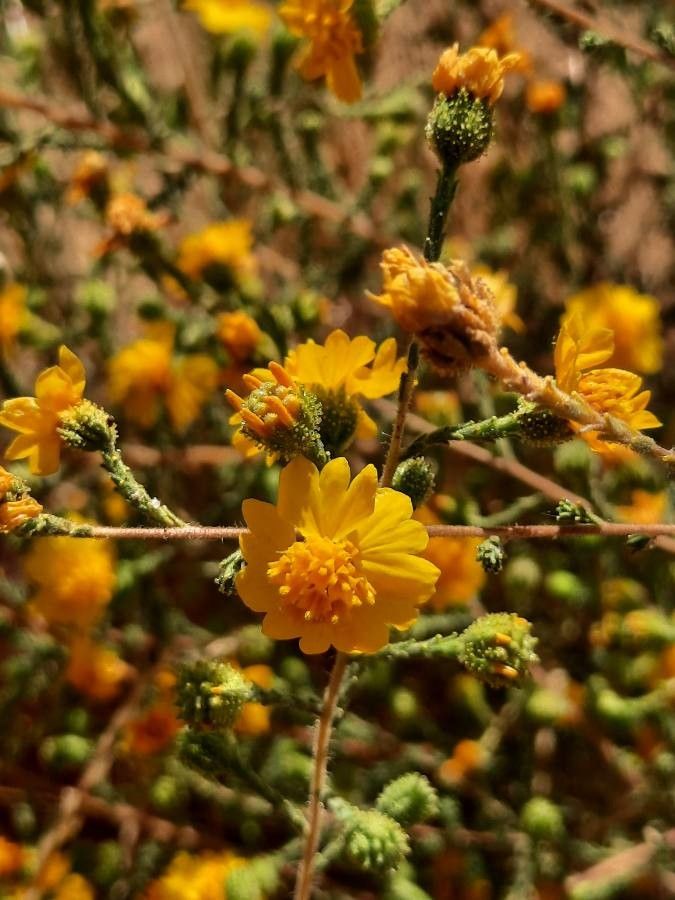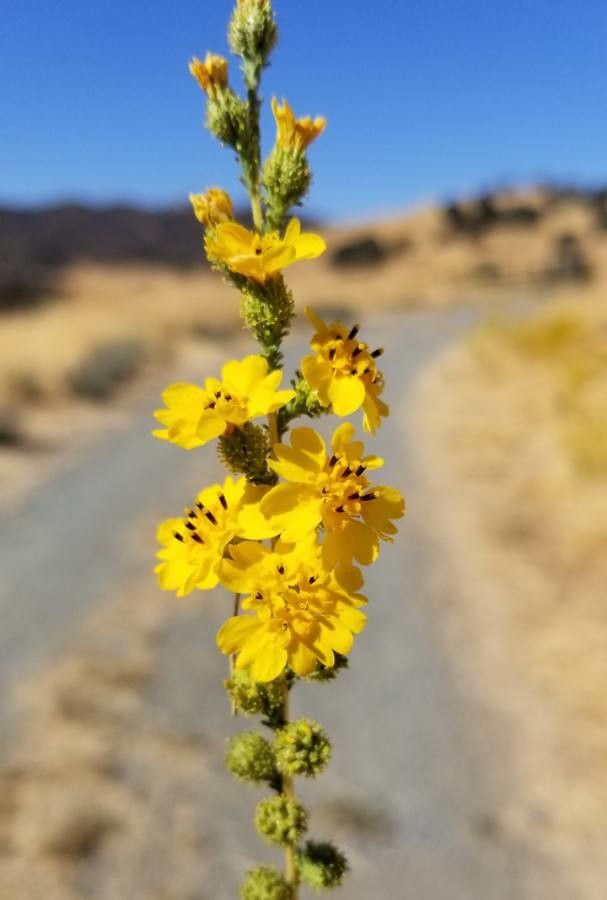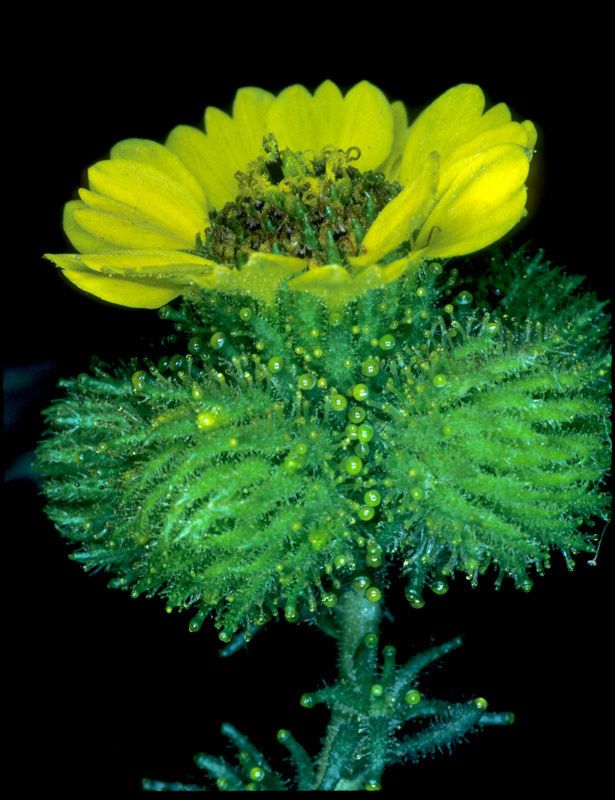
Holocarpha macradenia, commonly known as the Santa Cruz tarplant, is an endangered plant endemic to Northern California. Alternative common names for this plant are Santa Cruz tarweed or Santa Cruz sunflower.
Santa cruz tarplant has strong disease resistance and is generally not prone to illness. Still, it can be vulnerable to pests and diseases found in its surroundings. These problems are typically mild. Regarding care, this plant needs moderate upkeep. It requires regular pruning to maintain a neat appearance and healthy growth. Fertilizing can also help encourage flowering. Santa cruz tarplant is appropriate for anyone with outdoor space, like a garden or patio, and does not demand extensive gardening experience. It may need extra attention when grown indoors.
How to keep Holocarpha Macradenia.
Light
The Santa Cruz tarplant originates from bright, open habitats where it performs best in full sun. It can withstand partial shade but prefers direct sunlight for optimal growth. This plant, which can be annual or biennial, is recognized for its sun-loving habits.
Temperature
Santa cruz tarplant can tolerate a wide range of temperatures, but its distribution may still be restricted by specific combinations of water and heat. It performs best in warm summer conditions with sufficient rainfall or watering. Extended stretches of cloudy, rainy weather or sustained high temperatures increase the chance of the plant dying. In winter, protecting it from the cold can raise its survival chances.
Fertilizer
Once Santa cruz tarplant has opened most of its blooms to full size, resume fertilizing. Around the time the blooms are at peak output, fertilize every three to four weeks, as weather permits. Then, when Santa cruz tarplant begins to put out fewer new blooms, stop fertilizing; there is no need to fertilize when the plant can no longer produce additional blooms.
Pruning
The Santa Cruz tarplant is a distinctive native Californian annual herb, known for its yellow flowers and spiny leaves. Pruning from early to late spring is essential to maintain the plant's overall health and vibrancy. This process involves removing dead stems, which promotes growth and flowering, and helps manage the plant's size effectively.
Botanical profile.
- Plant Type
- Herb
- Life Cycle
- Annual
- Genus
- Holocarpha
- Family
- Asteraceae
- Hardiness Zone
- 8-10
- Mature Height
- 30 cm to 61 cm
- Mature Spread
- 20 cm to 40 cm
- Leaf Color
- Green
- Leaf Type
- Deciduous
- Flower Color
- Yellow
- Flower Size
- 1.02 cm to 2.03 cm
- Bloom Time
- Mid summer, Late summer, Early fall
- Planting Time
- Spring, Summer
- Harvest Time
- Early fall, Mid fall