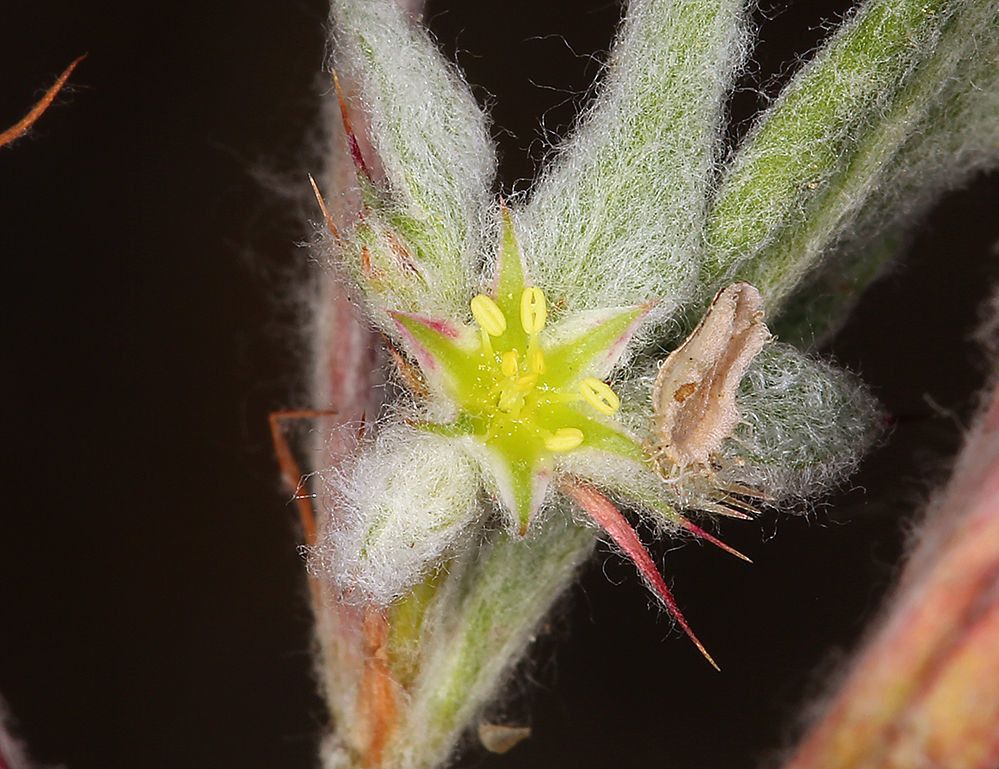
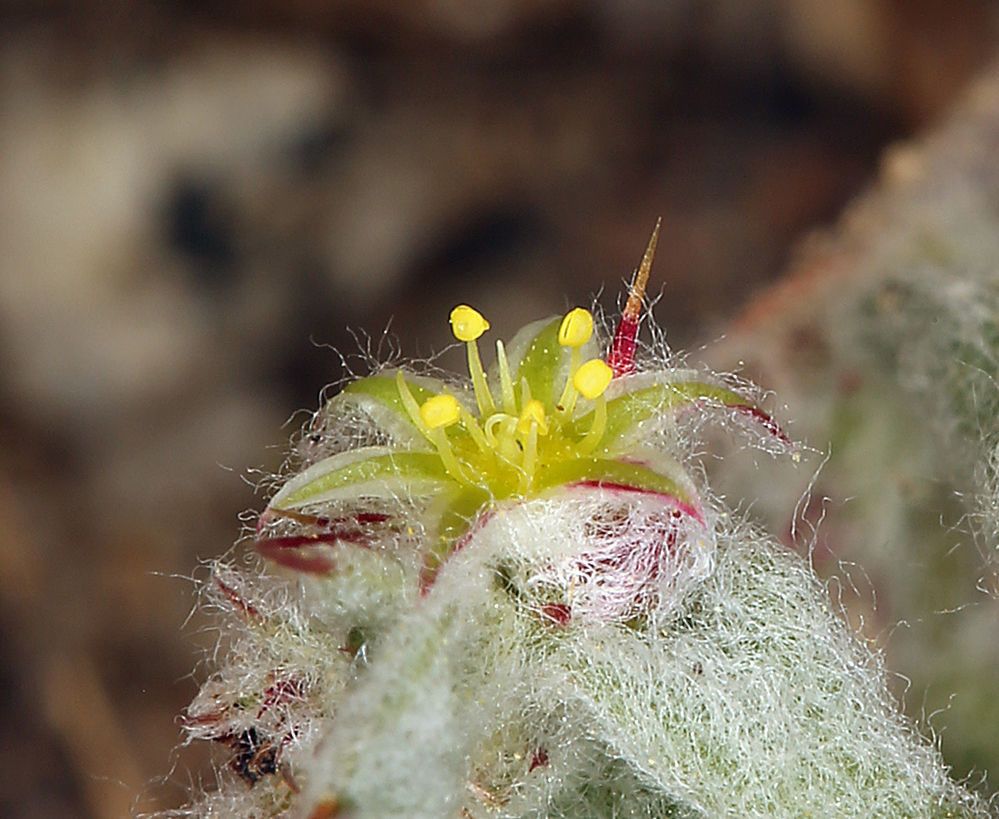
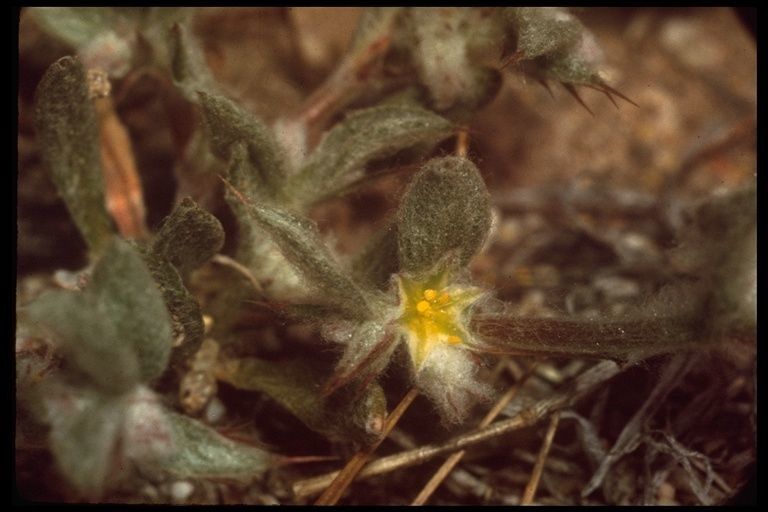
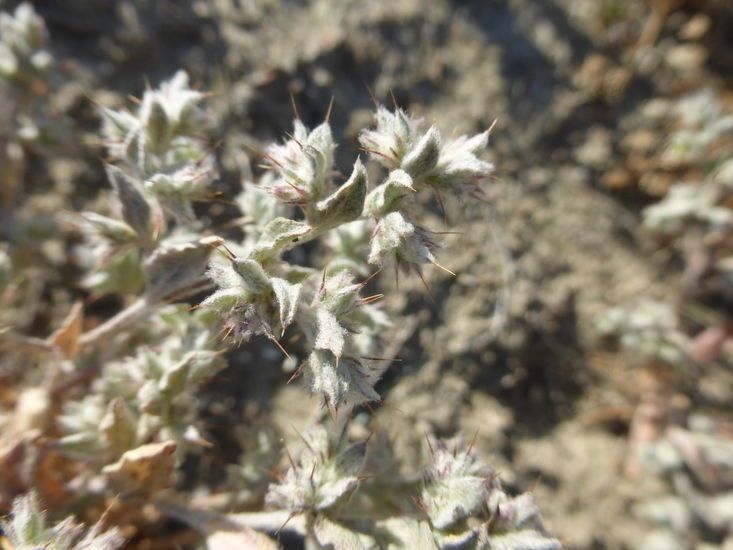
Hollisteria is a genus of plants in the family Polygonaceae with a single species, Hollisteria lanata. It is endemic to California. It is known by the common name false spikeflower. The genus was named for California rancher William Welles Hollister.
False spike-flower has strong resistance to disease and is generally not susceptible to illnesses. Still, it can be vulnerable to pests and diseases found in its surroundings. Such infections are typically mild. Care-wise, this plant needs moderate maintenance. It should be pruned regularly to keep a neat appearance and encourage healthy growth. Applying fertilizer can also help stimulate flowering. False spike-flower is well suited for anyone with an outdoor area, like a garden or patio, and does not demand extensive plant-care experience. It may need more attention if cultivated indoors.
How to keep Hollisteria Lanata.
Light
False spike-flower is native to well-lit, open surroundings where it flourishes in complete sunshine. While it can endure semi-shaded conditions, it favors unobstructed sunlight for the best growth. Being an annual and biennial plant, it is recognized for its affinity towards the sun.
Temperature
The False spike-flower is capable of adjusting to a broad spectrum of temperature landscapes, yet its spread could still be constrained by various mixtures of moisture and heat scenarios. This plant flourishes optimally in balmy weather conditions during the summertime, provided there is sufficient rain or irrigation. Extended durations of overcast and wet weather, accompanied by sustained high temperatures, can heighten the chances of the False spike-flower perishing. During the colder months, provision of suitable protection against freezing temperatures can enhance the likelihood of the plant's survival.
Fertilizer
Regular, mild applications of fertilizer can enhance healthy growth of leaves in False spike-flower. It's recommended to fertilize your False spike-flower about once a month throughout the summer. Nitrogen plays a significant role in leaf development, and by endorsing the use of nitrogen-heavy supplements, you can ensure the plant's prosperous growth.
Pruning
The False Spike-flower has narrow, spike-like blooms and woolly stems. Pruning should be done from early to late spring, focusing on removing dead or damaged stems and thinning out overcrowded areas to enhance air circulation. Regular pruning helps improve the plant’s structural integrity and flowering efficiency.
Botanical profile.
- Plant Type
- Herb
- Life Cycle
- Annual
- Genus
- Hollisteria
- Family
- Polygonaceae
- Hardiness Zone
- 7-10
- Mature Height
- 10 cm to 30 cm
- Mature Spread
- 15 cm to 40 cm
- Leaf Color
- Gray, Light Gray
- Leaf Type
- Deciduous
- Flower Color
- White
- Flower Size
- 0.20 cm to 0.25 cm
- Bloom Time
- Mid spring, Late spring
- Planting Time
- Spring, Autumn
- Harvest Time
- Early summer, Mid summer
Other names.