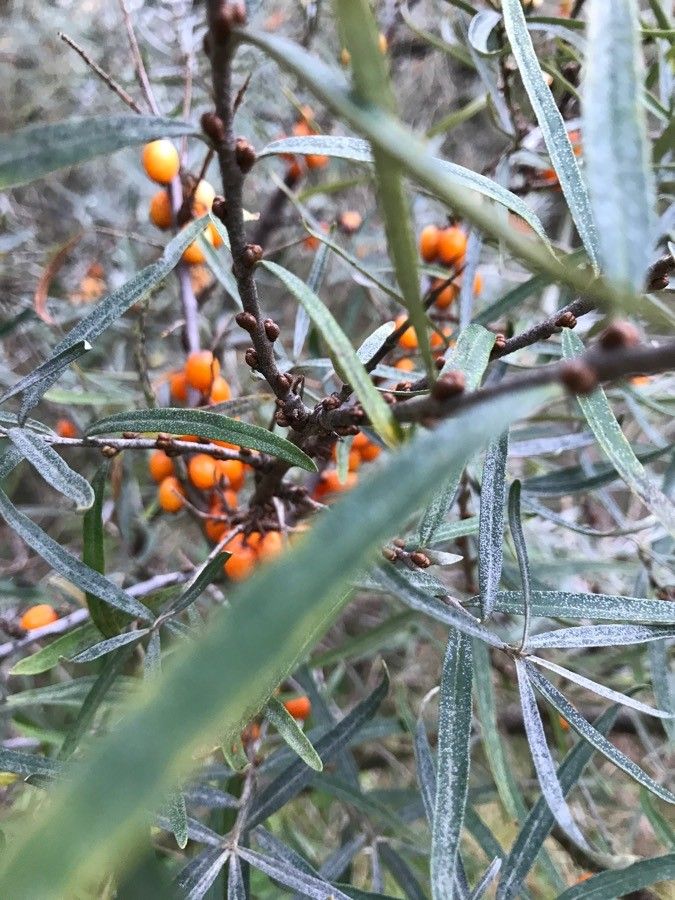
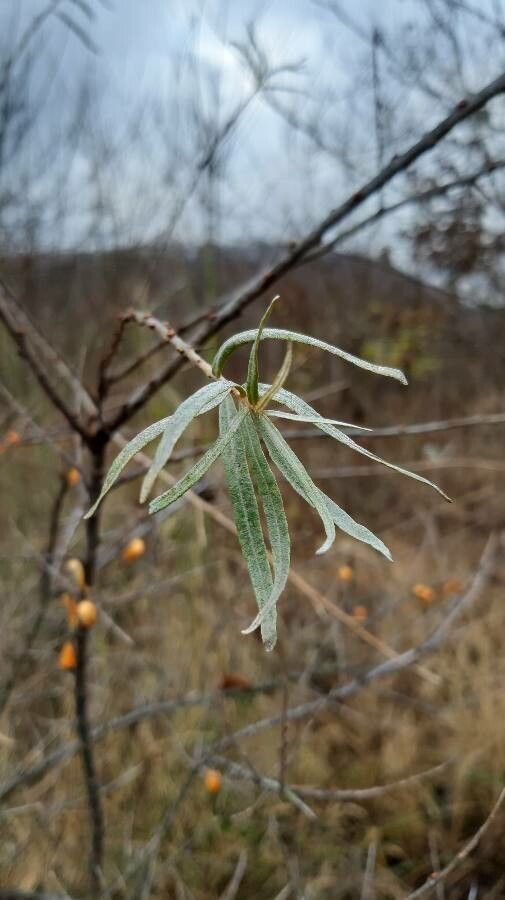
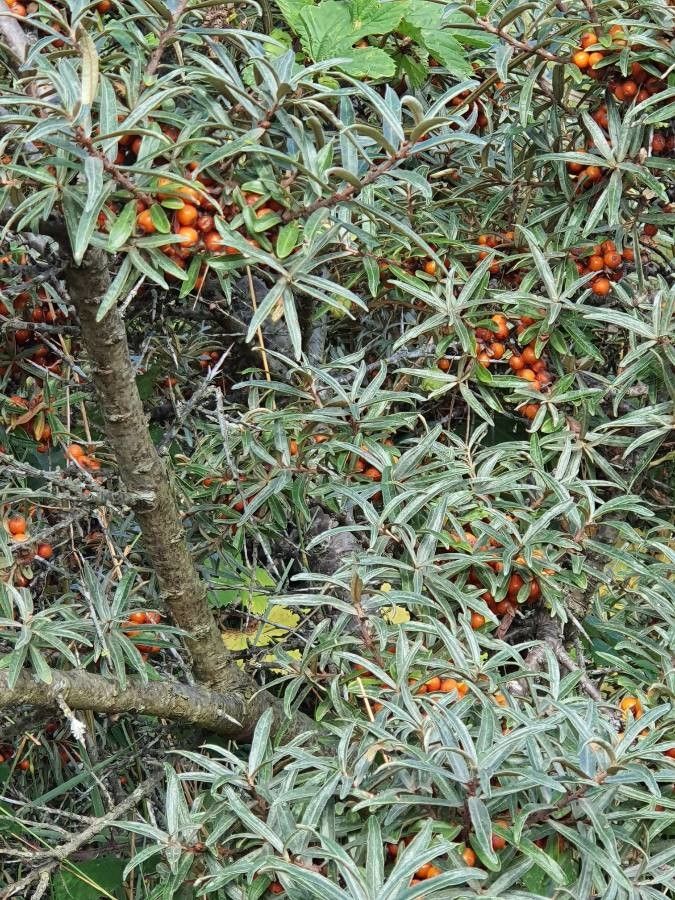
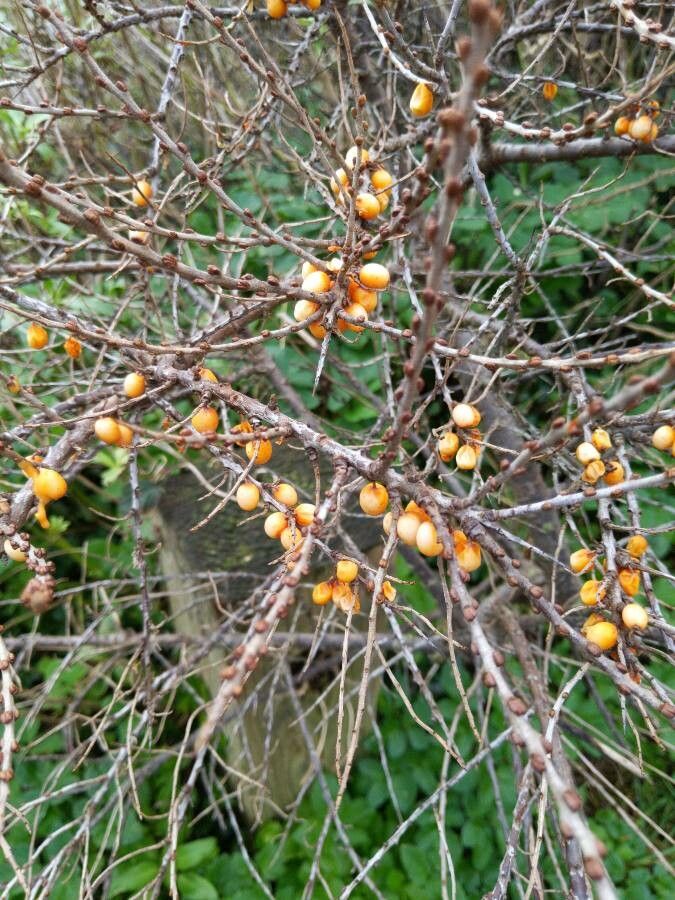
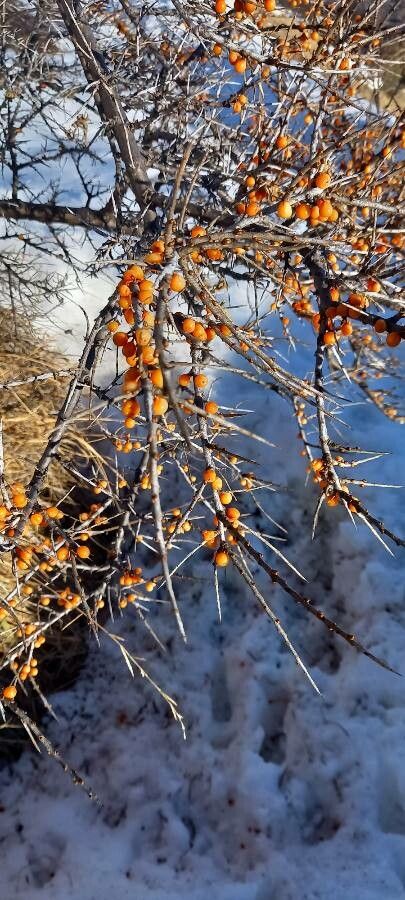
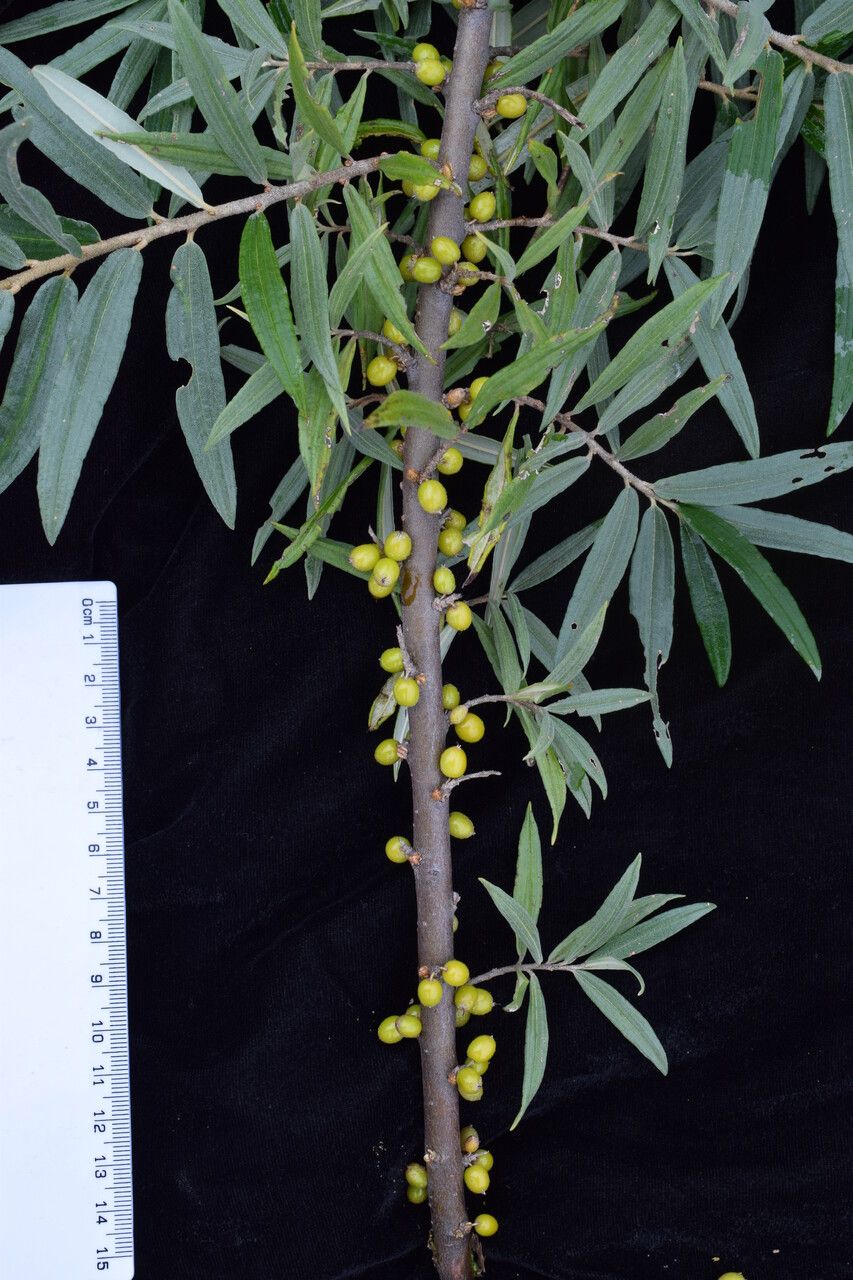
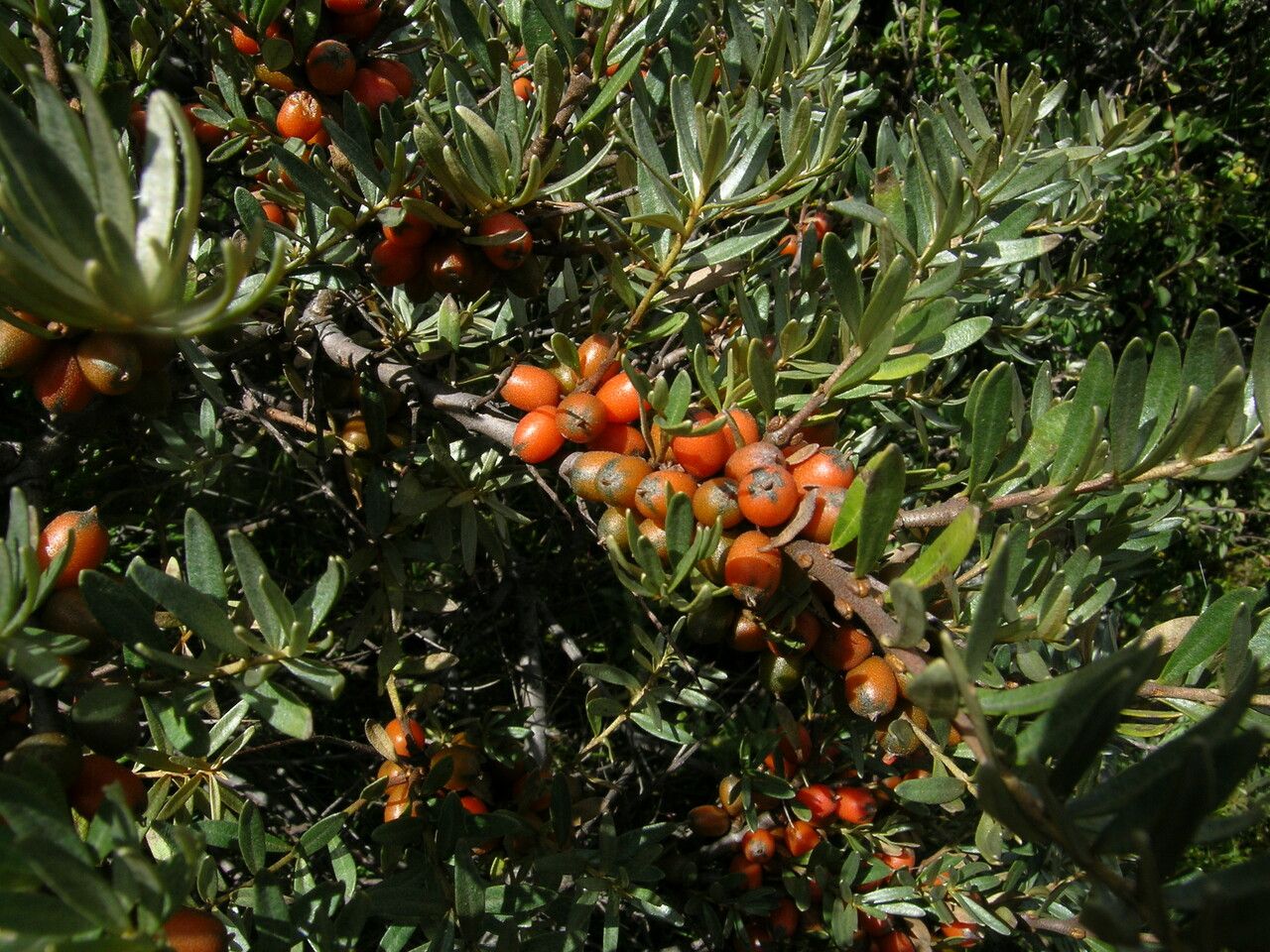
Hippophae rhamnoides, commonly known as sea buckthorn, is a deciduous shrub belonging to the Elaeagnaceae family. Native to Europe and Asia, it has been extensively cultivated for its medicinal and nutritional benefits. The plant can reach up to 6 meters in height, featuring a dense crown of thorny branches. Its leaves are narrow, lance-shaped, and silvery-green with a distinct aroma.
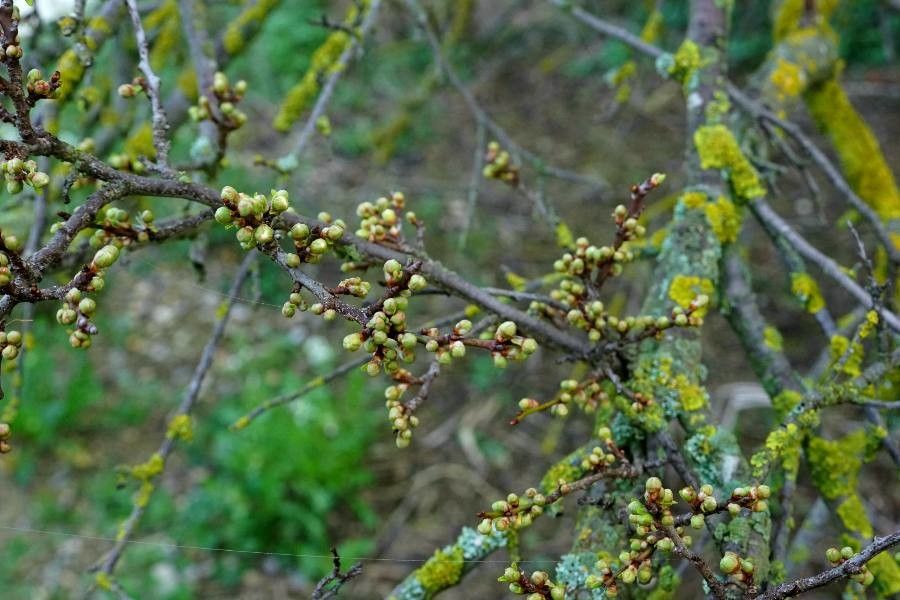
Sea buckthorn produces small yellow flowers that bloom from April to May, followed by bright orange berries that ripen between August and October. These berries are rich in vitamins A, C, and E, as well as flavonoids and carotenoids, making them highly nutritious.
For centuries, sea buckthorn has been utilized in traditional medicine for its anti-inflammatory properties, which can help treat various ailments such as skin disorders (e.g., eczema and psoriasis) and digestive issues (e.g., ulcers and gastritis).
Beyond its medicinal uses, sea buckthorn is also used commercially to make jams, jellies, sauces, liquors, teas, and cosmetics due to its high nutritional value.
Overall, Hippophae rhamnoides is a significant plant species with a wide range of applications, from medicine and nutrition to cosmetics. It holds an essential place in many cultures around the world.
Sea-buckthorn is highly resistant to disease and usually not susceptible to illnesses. Regarding care, this plant is fairly low-maintenance. When grown outdoors it needs only light watering, and larger plants typically do not need pruning. Smaller plants, however, should be pruned after they finish blooming. Sea-buckthorn is suitable for anyone with outdoor space, such as a garden or a deck, and does not require extensive care experience.
How to keep Hippophae Rhamnoides.
Light
Native to sunny environments, sea-buckthorn prefers being exposed to plentiful natural light. The plant can tolerate a slight reduction in illumination but is healthiest when it receives full, unobstructed sun. Both excessive shade and overly intense light can impact its growth, so it favors a balanced level of exposure.
Water
Sea-buckthorn, native to arid environments, is highly drought-tolerant and thrives with watering every two weeks. Its resilience makes it well-suited for outdoor cultivation. Additionally, its extensive root system efficiently utilizes moisture throughout the growing season.
Temperature
Sea-buckthorn is indigenous to cold and temperate regions, prospering in temperatures between 32 and 90°F (0 to 32℃). Adapting to changing seasonal temperatures is essential for its growth and survival. In colder months, consider using a protective covering to shield it from freezing temperatures.
Fertilizer
The sea-buckthorn plant needs enough nutrients to produce fruit optimally. Fertilize in early spring to promote new growth and bloom development. Regular fertilization helps the plant remain healthy, produce tastier fruit, and prevents nutrient-deficiency problems like yellowing leaves and poor fruit production.
Pruning
Sea-buckthorn is a resilient, deciduous shrub known for its thorny branches and vibrant orange berries. Pruning this plant in early spring encourages growth, improves its shape, and boosts fruit production by removing dead wood and overcrowded branches. Regular pruning also enhances airflow and sunlight exposure, promoting the shrub's overall health. To prevent infection during pruning, always use sterilized tools.
Botanical profile.
- Plant Type
- Shrub
- Life Cycle
- Perennial
- Genus
- Hippophae
- Family
- Elaeagnaceae
- Hardiness Zone
- 3-7
- Mature Height
- 2.44 m to 3.66 m
- Mature Spread
- 7.01 m
- Leaf Color
- Silver, Green, Gray
- Leaf Type
- Deciduous
- Flower Color
- Yellow
- Flower Size
- 0.20 cm to 0.51 cm
- Bloom Time
- Mid spring, Late spring
- Planting Time
- Spring, Autumn
- Harvest Time
- Mid summer
Other names.
Reader questions.
How should I water my Sea-buckthorn plant?
To ensure excellent root development, consider putting a garden hose at the base of the plant. It's important to avoid spraying the leaves directly. If the plant is outdoors and facing direct sunlight, the leaves may need extra watering. Using bubblers or soaker hoses to moisten the roots of each plant can be helpful. When adding or removing plants, using soaker hoses that cover the entire garden or bed will help the roots grow deeply. Remember to drain any excess water and allow the soil to dry before watering again. Watering at ground level is recommended to prevent diseases. On a sunny day, consider spraying the entire bush with water. Whether your plant is in a pot or in the ground, keep in mind that Sea-buckthorn prefers deep watering rather than light sprinkling.
Why should I put fertilizer on my Sea-buckthorn plants?
No matter the type of Sea-buckthorn you have, regular fertilization is key to promoting overall plant health. By providing the proper nutrients, your Sea-buckthorn will grow vigorously, becoming more resilient to harsh conditions and better equipped to fight off diseases and pests. One of the most attractive features of your Sea-buckthorn is its foliage, so it's important to maintain it. This involves following a regular fertilization schedule tailored to your Sea-buckthorn's needs, resulting in lush leaves with a deep, vibrant color.
What amount of sunlight is required for sea-buckthorn plants?
Sea-buckthorn plants, originating from habitats with ample sunshine, flourish in conditions with abundant natural light. They require full sun, which is above 6 hours of sunlight daily, but can also tolerate partial sun, approximately 3-6 hours of sunlight. It's essential to observe the movement of sunlight in your garden to ensure your plants receive the optimal balance of light and shade, catering to their needs and ensuring their health.
What is the native climate for Sea-buckthorn?
Sea-buckthorn is native to cold and temperate climates, thriving in temperatures ranging from 32 to 90°F (0 to 32°C). It is important for the plant to adjust to fluctuating seasonal temperatures to grow and survive. In colder seasons, it might be beneficial to provide a protective cover against freezing temperatures to safeguard the plant.
What do I do if I give too much or too little water to Sea-buckthorn?
If your Sea-buckthorn is overwatered, you may notice yellowing leaves that fall off and wilt. The plant may appear unhealthy and have mushy stems. When you see these signs, try to adjust your watering schedule as needed. On the other hand, if the plant is under watered, the leaves may become crispy and dry. To determine if it needs water, check the soil and give it a thorough watering if it's dry. While enough water will help the Sea-buckthorn recover, the plant may still have dry and yellow leaves due to root damage. Once it returns to normal, the yellowing of the leaves will stop. When keeping the Sea-buckthorn indoors, always check the moisture levels and avoid overwatering. Look out for black spots, and if present, let the soil dry in the pot for a few days. Overwatering can lead to root rot, so it's best to transfer the plant to a different pot if the roots appear discolored and slimy. Preventing root rot by avoiding overly soggy soil is important. When planting the Sea-buckthorn outdoors, ensure the soil is adequately watered if it feels too dry when you check it with your fingers.
When should I fertilize my Sea-buckthorn plant?
To ensure healthy growth, fertilize your Sea-buckthorn for the first time in late winter or early spring. This will give it the necessary nutrients to flourish once the weather warms up. If you live in a warm climate region, it's also beneficial to provide an additional fertilizer feeding in early fall. This helps your Sea-buckthorn absorb extra nutrients for the next growing season and makes it more resilient to winter cold, preventing foliage damage. Fertilizing earlier will ensure that the new branches have sufficient time to grow and withstand the cold winter.
How does artificial lighting benefit sea-buckthorn plants, and what guidelines should be followed?
When natural sunlight is insufficient, artificial lighting can be a vital solution for the optimal growth of sea-buckthorn plants, especially during winter or in less sunny spaces. Indoor plants benefit significantly from adequate lighting, with LED lights being a popular choice because they can be customized to provide the specific wavelengths of light needed. For full sun plants, 30-50W/sq ft of artificial light is needed; for partial sun plants, 20-30W/sq ft; and for full shade plants, 10-20W/sq ft. The light source should be placed 12-36 inches above the plant to mimic natural sunlight effectively. Moreover, it's crucial to mimic natural daylight hours, usually 8-12 hours of light per day, to promote healthier, faster growth.
Does Sea-buckthorn require frost protection measures during winter?
Sea-buckthorn is highly cold-tolerant and does not typically require additional frost protection measures during the winter. However, it is recommended to water the plant generously before the first freeze in autumn. This ensures the soil around the plant remains moist and enters a frozen state gradually, helping prevent drought and water scarcity for the plant during the winter and early spring.
How often should I give water to my Sea-buckthorn plant?
The Sea-buckthorn plant prefers deep and infrequent watering, especially when planted in pots. For potted plants, it's important to soak them in a gallon of water each time because the soil in pots dries out faster due to limited water storage. If you live in a cold region, watering is needed every 3 to 5 days. It's best to water the plant early in the morning when the soil is dry, whether it's outdoors or indoors. To determine if watering is necessary, check the soil inside the pot. If the top 2-3 inches of soil are dry, it's time to give the plant a full watering. During hot days, check the moisture daily as the heat can quickly dry out the soil in the pot. In a garden, irrigation of the soil is necessary. If you live in a hot climate, watering once a week is generally sufficient. However, only water the plant when the top 2 to 3 inches of soil become too dry. It's important to take into account the amount of rainfall the plant is getting and avoid overwatering to prevent root rot. Sea-buckthorn plants generally grow during spring and fall. When the plants are outdoors, adding mulch about 3 to 4 inches deep can help conserve more water. In sandy soil, you may need to water the plants more frequently as this type of soil drains faster. On the other hand, with clay soil, you need to water less frequently, allowing the plant to dry out for 2-3 days to avoid root rot. Keeping track of watering dates on a calendar can help ensure you don't miss any watering schedule. If you notice the leaves starting to droop, it's an indication that you may be a day late in watering.
When is it not a good time to add fertilizer to my Sea-buckthorn plant?
There are a few times throughout the year when it is best to avoid fertilizing your Sea-buckthorn. Firstly, during the early and mid-winter months, the plant is dormant and does not require any feeding. Secondly, it is not advisable to fertilize the plant in the late spring and summer due to the hotter and drier weather conditions. Fertilizing during this time can have detrimental effects on the Sea-buckthorn. To prevent any issues, it is recommended to only fertilize during early spring and early fall.
What are the symptoms of light deficiency and overexposure in sea-buckthorn plants?
Sea-buckthorn plants show specific symptoms under suboptimal lighting conditions. Light deficiency can lead to smaller new leaves, leggy or sparse growth, faster leaf drop, slower or no new growth, and leaves that are lighter in color or develop chlorosis. Overexposure to sunlight can result in chlorosis, sunscald, leaf curling, wilting, and leaf scorching. These symptoms range from pale, bleached areas on plant tissue, leaves losing their green color, to brown, dry edges on leaves indicating a reduction in the plant's photosynthetic capacity and overall health.
How does Sea-buckthorn handle low temperatures?
Sea-buckthorn is extremely cold-tolerant and can handle winter temperatures down to -35°C. If temperatures fall below this threshold, you might not notice any immediate changes during winter, but in spring, the branches may become brittle and dry with no new shoots emerging. To mitigate this, it's advised to prune away any dead branches that have failed to produce new leaves in the spring.