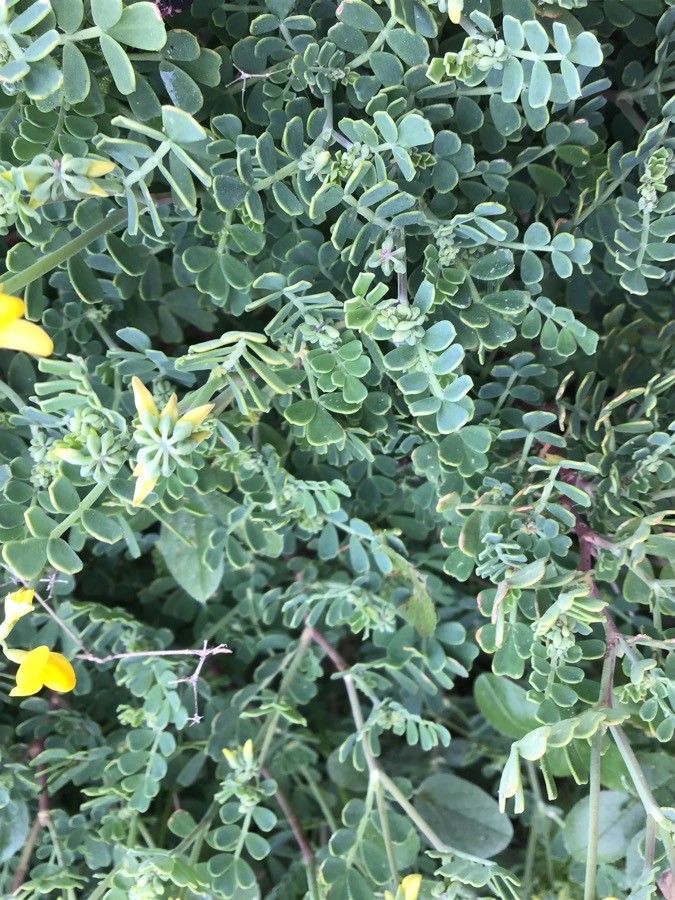
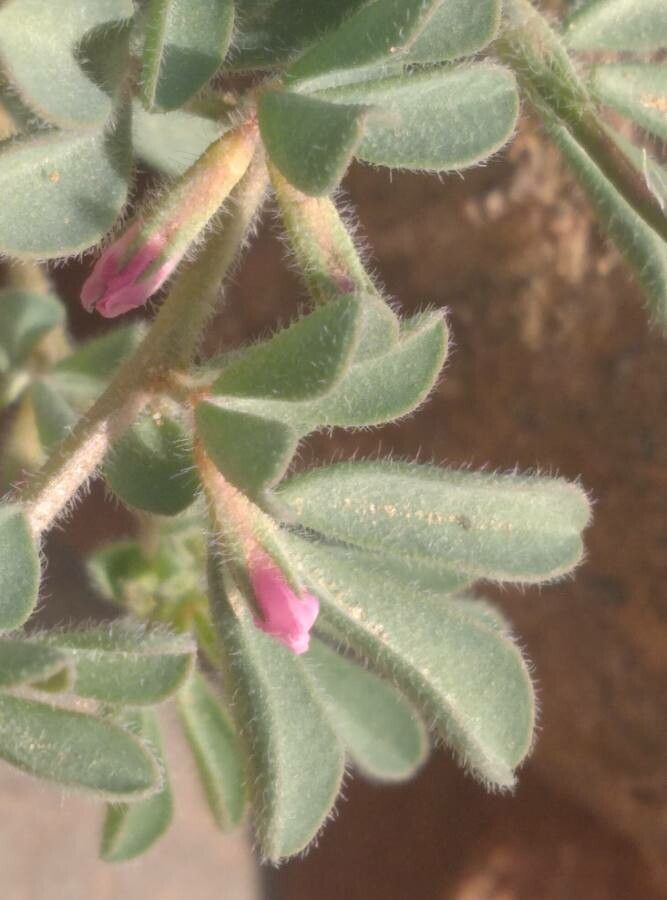
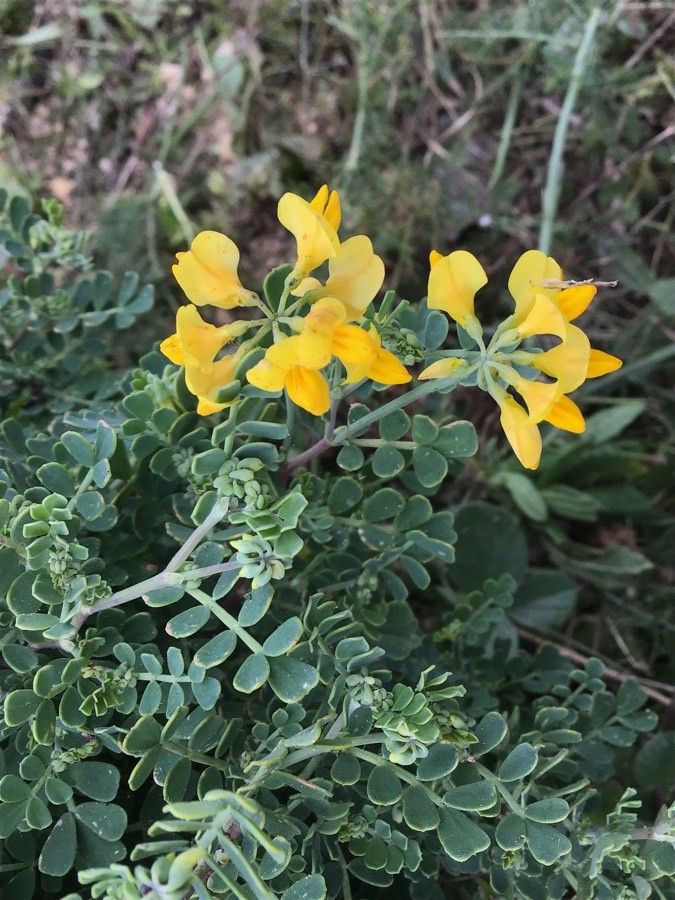
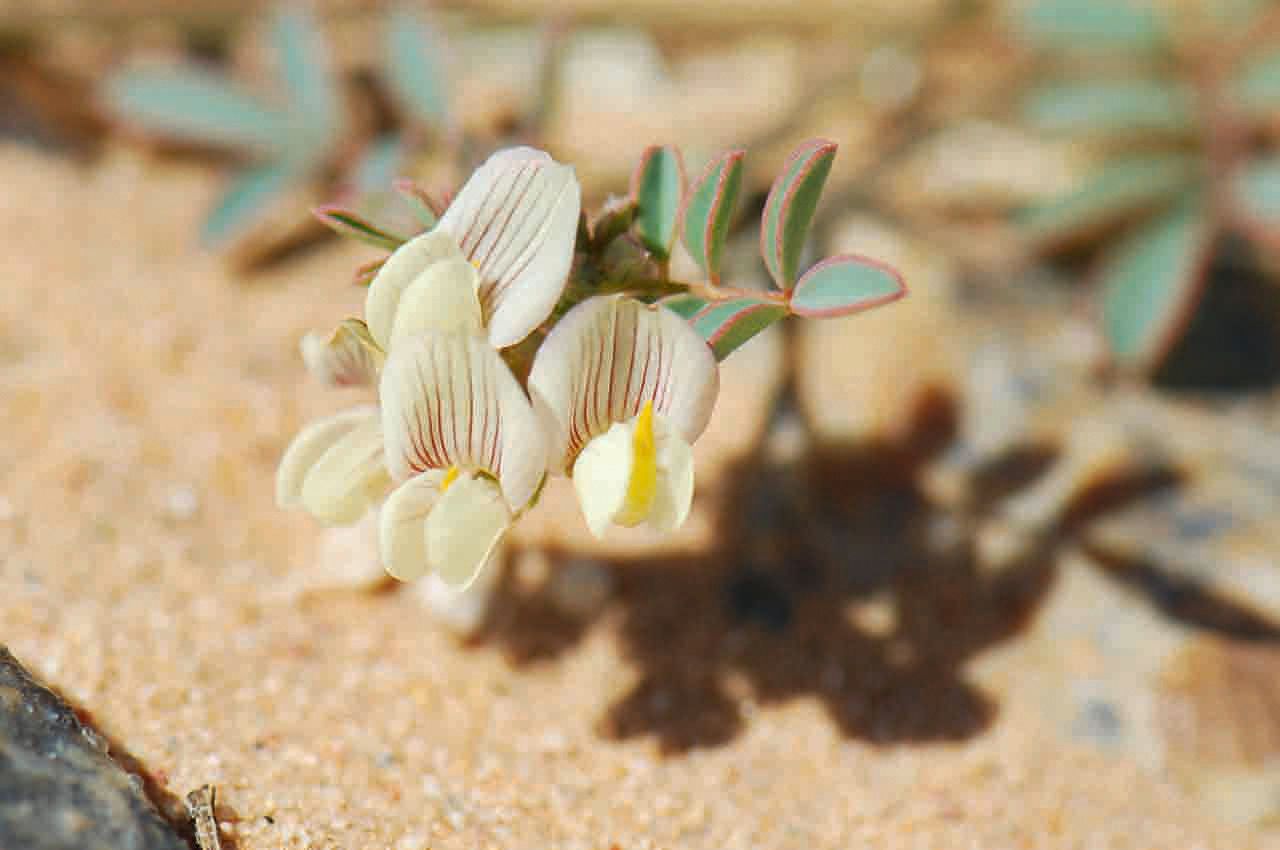
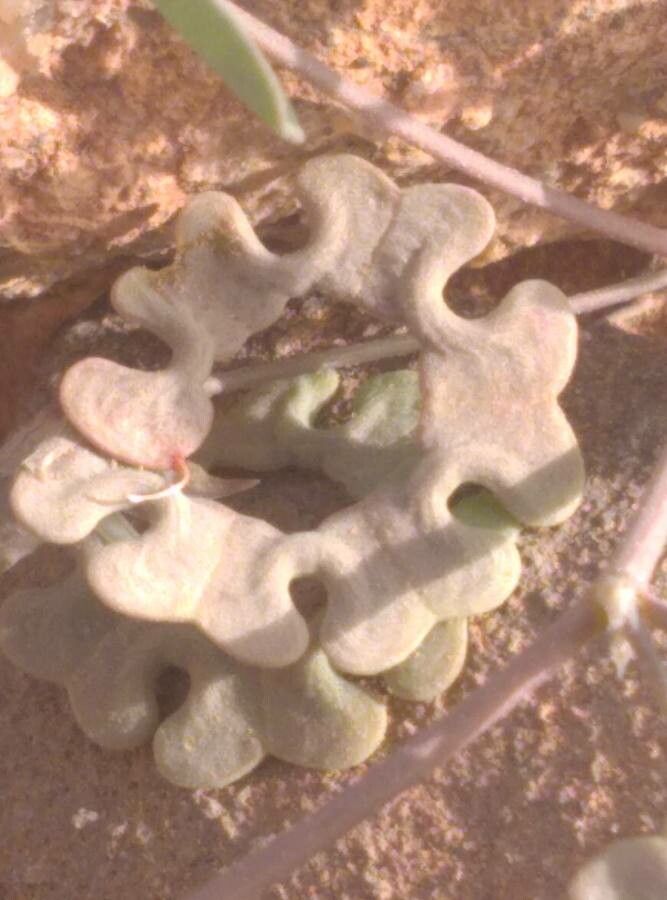
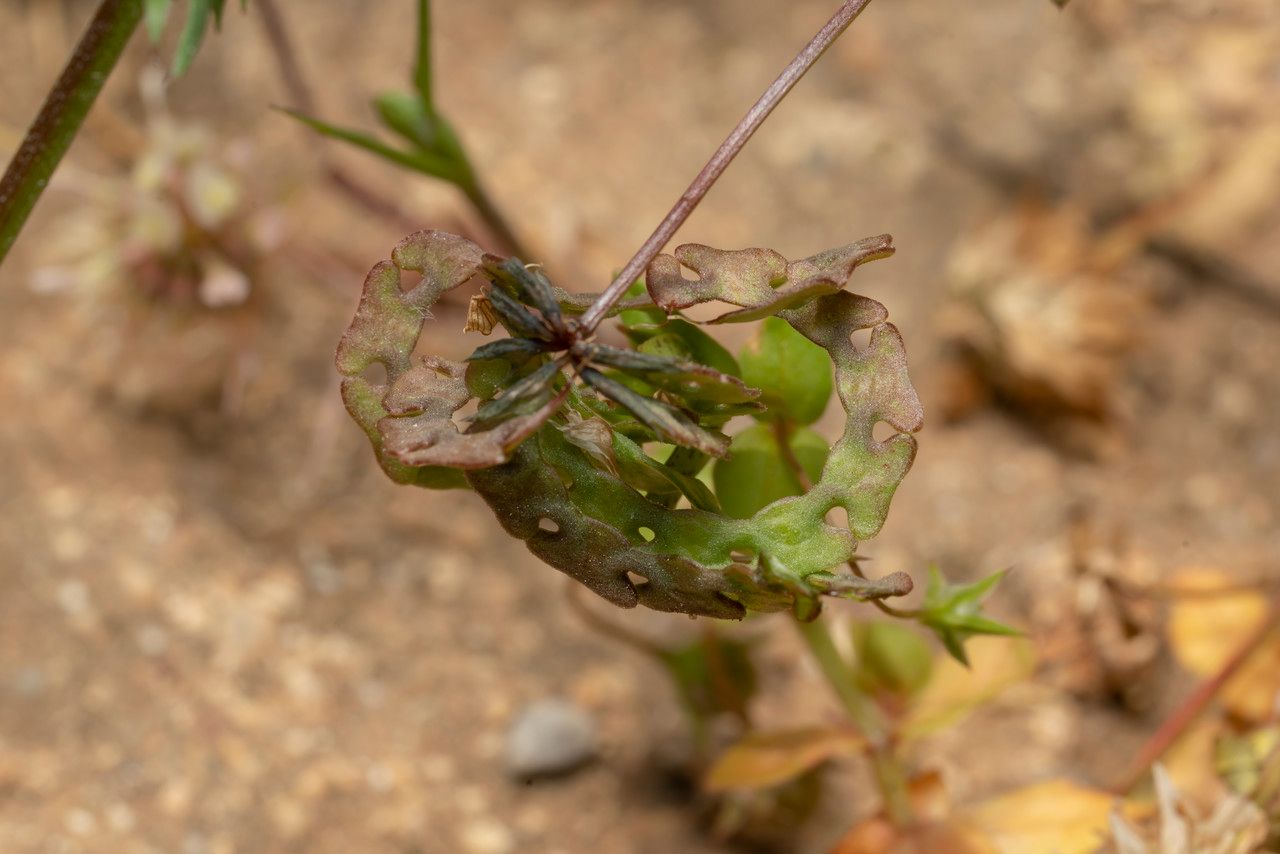
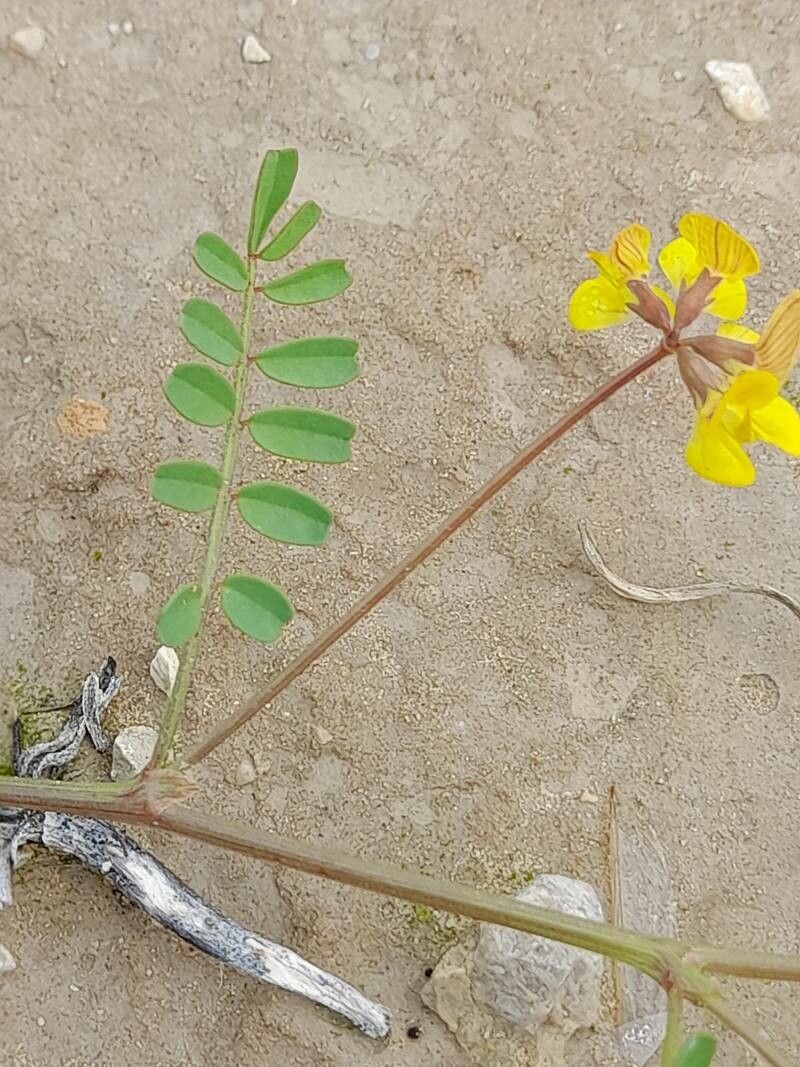
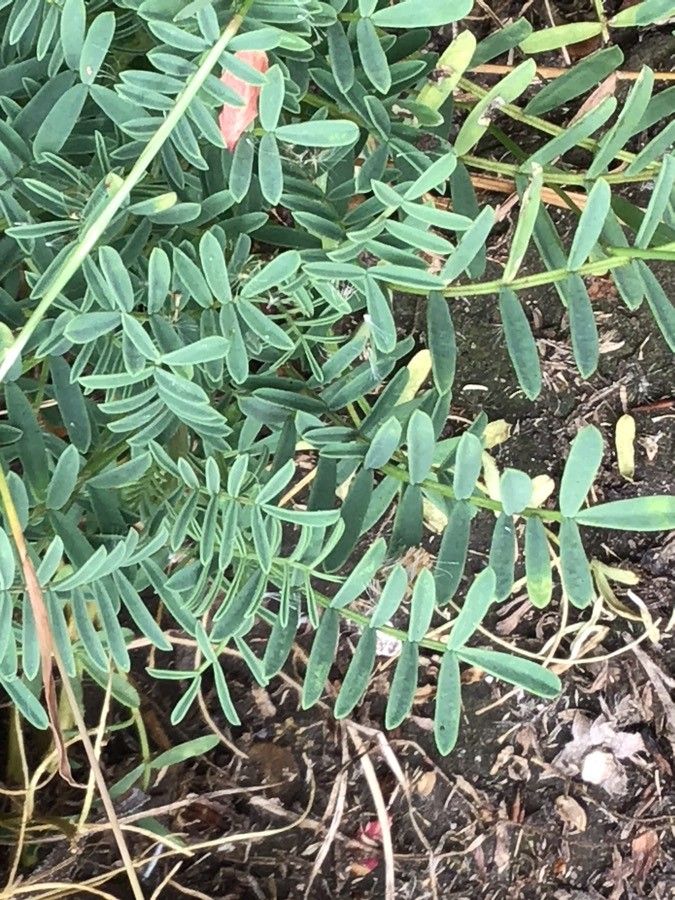
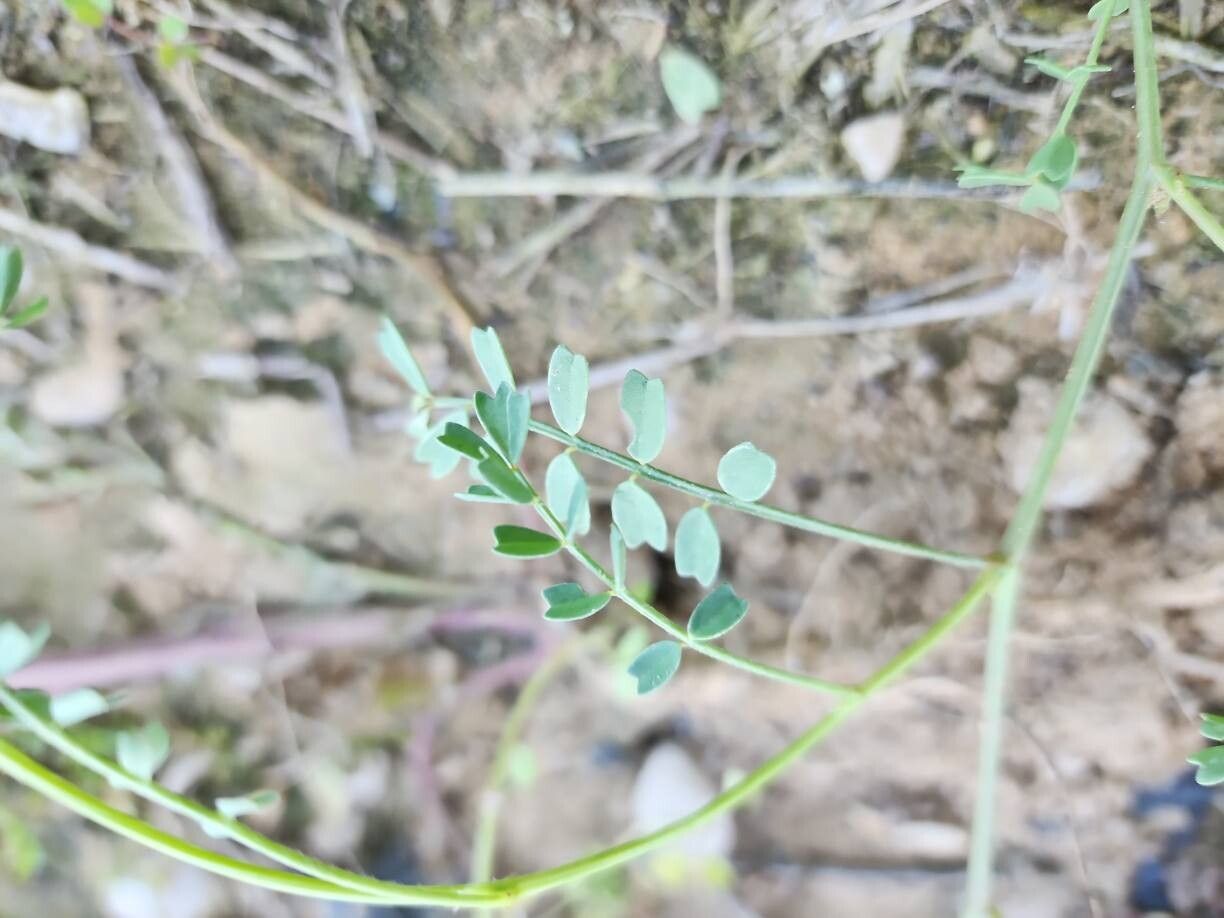
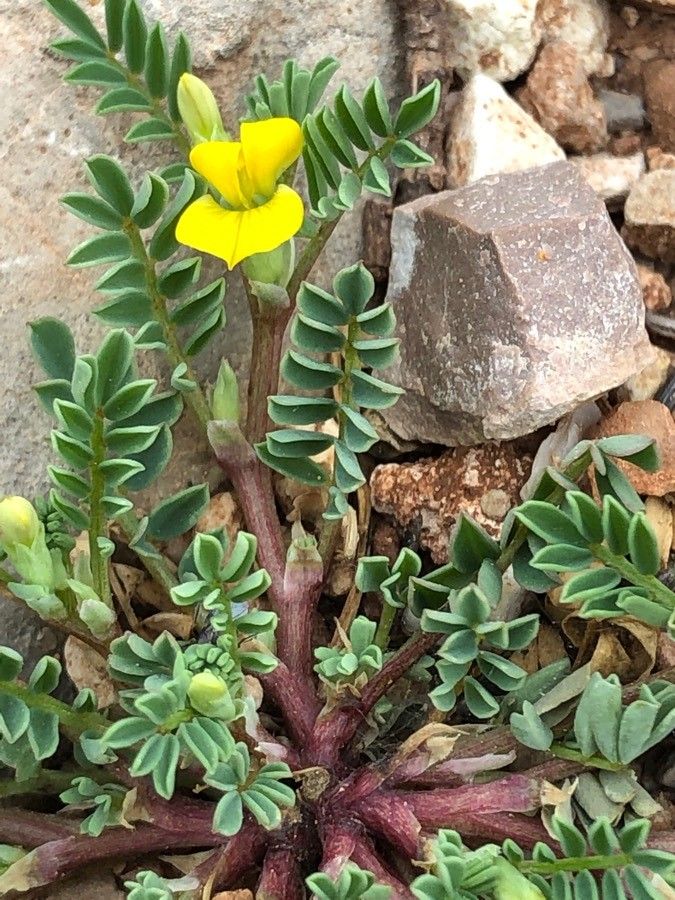
Hippocrepis multisiliquosa is a species of annual herb in the family Fabaceae. They have a self-supporting growth form and compound, broad leaves. Individuals can grow to 24 cm tall.
Many-flowered horseshoe vetch generally has strong disease resistance and is not often affected by illnesses. However, it can be vulnerable to pests and diseases present in its environment. These infections are usually mild. In terms of care, the plant needs moderate upkeep. It should be pruned regularly to keep a good appearance and promote healthy growth. Fertilizing can also encourage better flowering. Many-flowered horseshoe vetch is suitable for anyone with outdoor space, such as a garden or patio, and does not require extensive care experience. It may demand more attention when grown indoors.
How to keep Hippocrepis Multisiliquosa.
Light
Many-flowered horseshoe vetch is a sun-loving perennial herbaceous plant native to open habitats and commonly found in meadows and grasslands. It prefers full sun but can also tolerate partial sun.
Water
Many-flowered horseshoe vetch thrives when watered consistently on a weekly basis, reflecting the moisture levels of its native habitat. Although it prefers regular hydration, it can adapt to less frequent watering if necessary. Typically grown outdoors, this plant is well-suited for temperate gardens that experience varying rainfall patterns.
Fertilizer
Usually one fertilization in spring is enough for Many-flowered horseshoe vetch, but repeated feedings can maximize growth. Apply fertilizer every month to a month and a half. Fertilization improves the leaves' appearance and function, helping maintain uniform color and a healthy texture. It also stimulates root development and nutrient uptake for the plant's long-term health.
Pruning
The many-flowered horseshoe vetch is characterized by its vibrant yellow flowers and sprawling growth habit. To ensure it thrives in the garden, prune it in early spring to remove any dead growth. Shaping the plant in late spring promotes vigor, improves air circulation, enhances flowering, and reduces the risk of disease.
Botanical profile.
Other names.