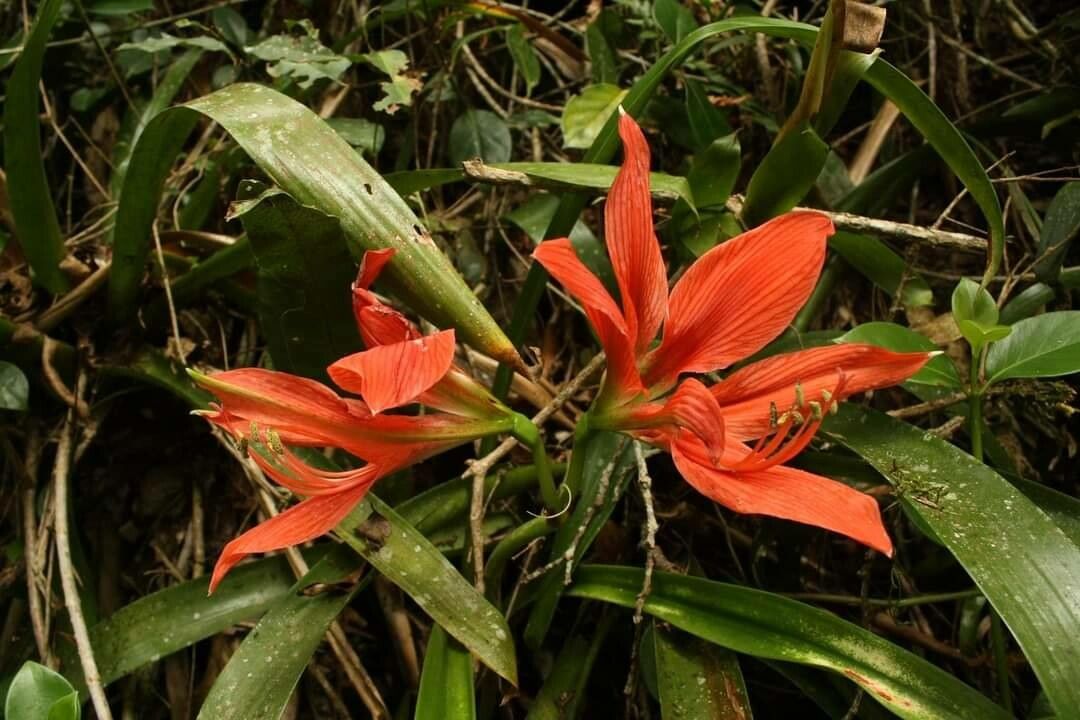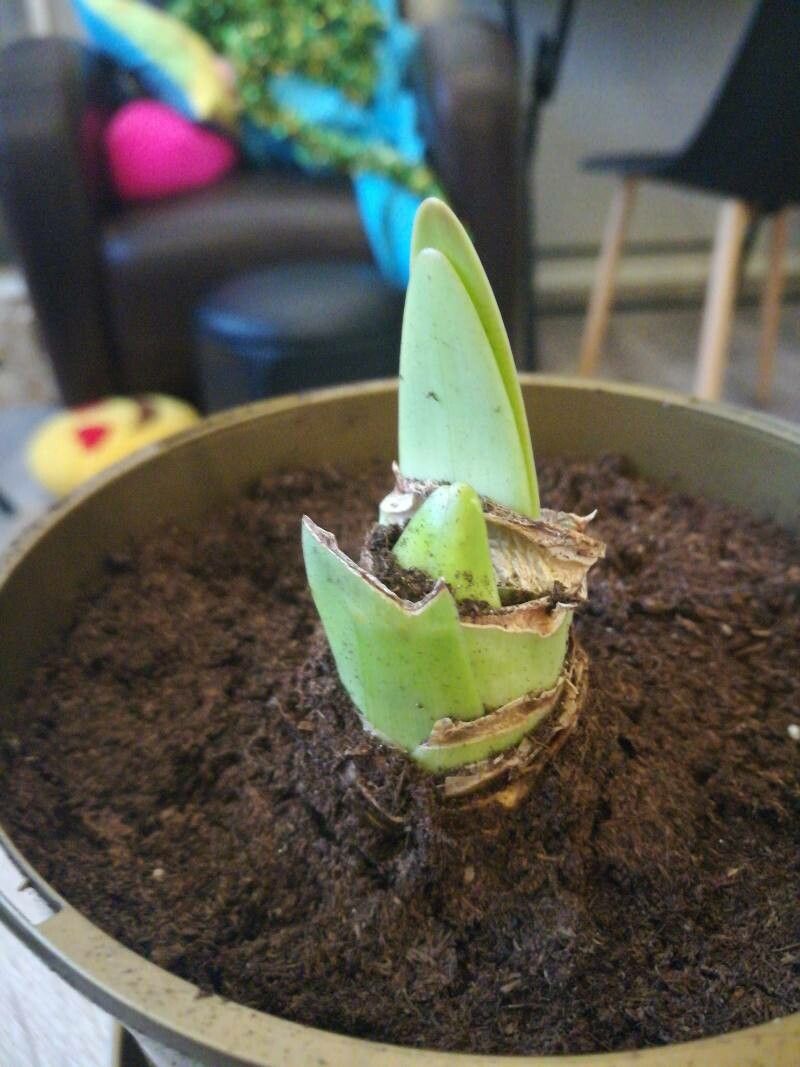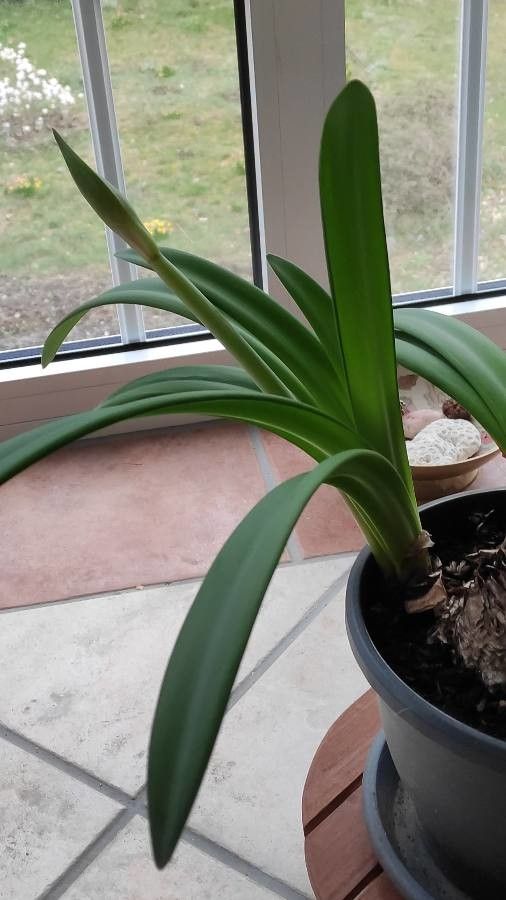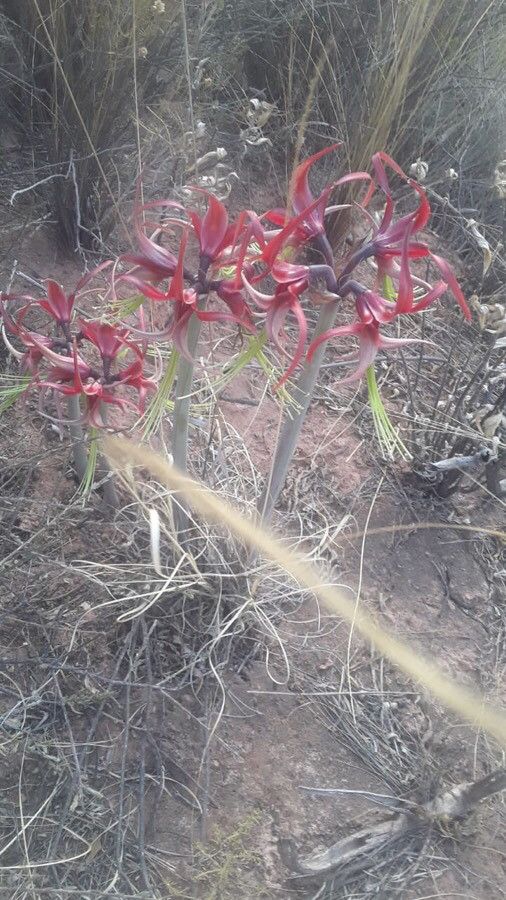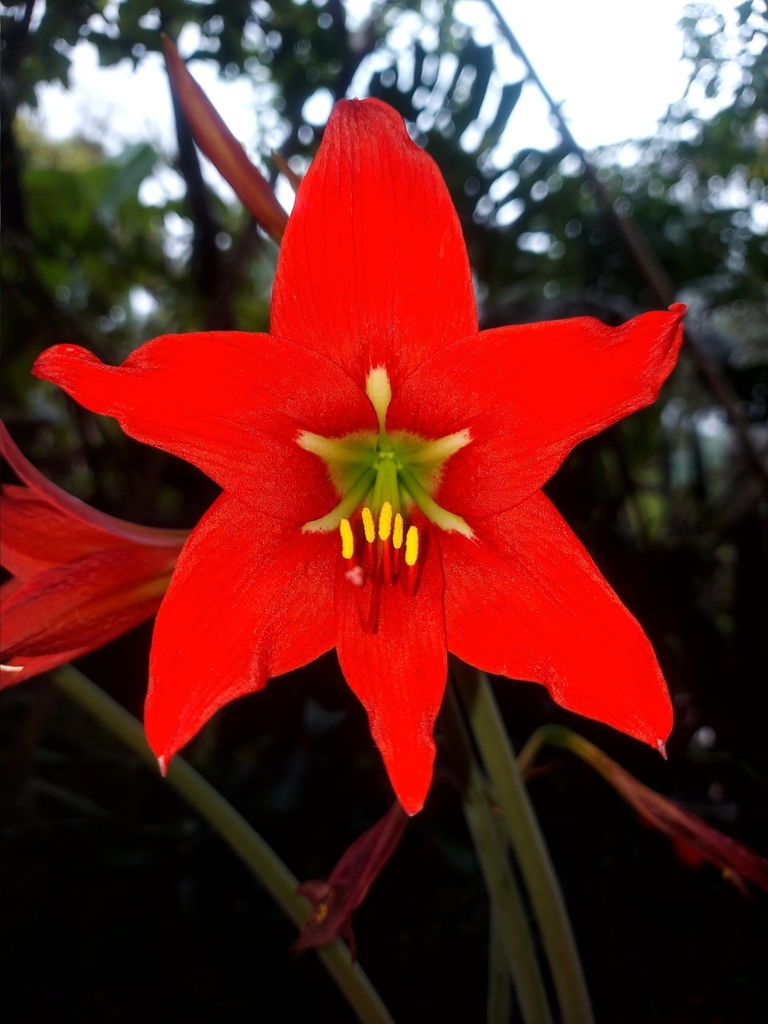
Hippeastrum reginae is a flowering perennial herbaceous bulbous plant, in the family Amaryllidaceae, native to Venezuela, Bolivia, Peru and Brazil.
The Mexican lily got its name because it resembles a lily flower. Although Hippeastrum reginae is named after Mexico, it is not exclusive to the country. This plant is also native to other tropical regions of Central and South America, ranging from Argentina to Mexico, including the Caribbean.
The Mexican lily has good resistance to disease and is generally not likely to develop illnesses. Still, it can be vulnerable to pests and diseases present in its environment, though such infections are typically mild. For care, it requires a moderate level of maintenance. It should be pruned regularly to keep a neat appearance and promote healthy growth. Fertilizing can also support flowering. The Mexican lily is well suited for anyone with outdoor space, such as a garden or patio, and does not demand extensive care experience. It may need more attention if grown indoors.
How to keep Hippeastrum Reginae.
Light
the mexican lily needs ample light, mirroring its native habitat. This promotes healthy growth; although partial light is acceptable, the plant flourishes when drenched in abundant light. At every stage of growth, too little light can impair development, while too much light can be harmful.
Water
The Mexican lily thrives in tropical climates and needs consistently moist soil to flourish. Regular weekly watering is beneficial, especially during its active growing season, to support its vibrant blooms. To ensure optimal growth, avoid letting the soil become waterlogged or dry.
Humidity
This plant needs special care because it loves high humidity levels of 60-80% or more. The best way to achieve this is by placing a humidifier near the plant. Daily misting is also essential! Make sure the room has good ventilation.
Temperature
The Mexican lily is native to regions with mild climates and prefers temperatures of 68 to 100 °F (20 to 38 ℃). In winter, keep it in a cooler environment. Avoid exposing it to temperatures below 59 °F (15 ℃).
Fertilizer
Appropriate fertilization is vital to the Mexican lily's health and appearance. Feed the Mexican lily during summer, applying fertilizer once each month throughout the season. Nutrients drive growth and sustain the plant's parts. Fertilization improves the Mexican lily's flowering, ensuring the best blooms.
Pruning
The Mexican lily flourishes when regularly pruned, ideally from early to late spring, just after it has finished flowering. To improve airflow, remove any dead leaves, and trim the spent flower stalks to prevent rot and support bulb growth. This practice not only enhances the plant's health but also reduces the risk of disease, promoting vibrant blooms.
Pot & Repot
To thrive and avoid root rot, Mexican lilies need pots with excellent drainage.
Botanical profile.
- Plant Type
- Herb
- Life Cycle
- Perennial
- Genus
- Hippeastrum
- Family
- Amaryllidaceae
- Hardiness Zone
- 10-11
- Mature Height
- 61 cm
- Mature Spread
- 30 cm to 46 cm
- Leaf Color
- Forest Green
- Leaf Type
- Deciduous
- Flower Color
- Red
- Flower Size
- 12.70 cm to 20.32 cm
- Bloom Time
- Mid spring, Late spring, Early summer
- Planting Time
- Spring
- Harvest Time
- Mid summer
- Native Area
- Brazil, Peru
Other names.
Reader questions.
What do I need to do if I give too much or too little water to my Mexican lily?
The Mexican lily is prone to overwatering, which can result in bulb rot. Some symptoms of overwatering include mushy bulbs, floppy stems with spots, droopy flowers, and yellowed stalks. While yellow leaves are normal at the end of the blooming period, if they turn yellow before the flowers have bloomed, it indicates overwatering. Unfortunately, bulb rot cannot be reversed, but if caught early, you can dig up the bulb, remove the rotten parts, and disinfect the pot and tools. When underwatered, the Mexican lily will not bloom, and its stalks may sag and become withered. Browning around the edges of the flower petals is also a sign of underwatering. If you realize you have underwatered the plant, give it a good drink without saturating the soil. However, be careful not to overwater, as extended periods in water can lead to root rot and fungus growth. This can cause spots on leaves and buds, as well as discoloration and death of leaf tips.
Why should I add fertilizer to my Mexican lily?
Fertilizer and soil nutrients are like fuel for your Mexican lily, helping it grow healthily. Plants, including the Mexican lily, use the nutrients in the soil to develop new parts and maintain existing ones. Fertilizing is especially important for the Mexican lily because it helps the flowers look their best. Since the flowers are the main attraction of this plant, most gardeners want to ensure they bloom beautifully. Fertilizing is a reliable way to achieve the best possible blooms for your Mexican lily.
What are the sunlight requirements for Mexican lily?
Mexican lily thrives with generous exposure to light, requiring conditions that mimic its ancestral habitat for healthy growth. Full sun, defined as above 6 hours of sunlight daily, is ideal, although the plant can also manage in partial sun, which amounts to about 3-6 hours of sunlight each day. Watching how sunlight moves through your garden and selecting the perfect balance of light and shade can significantly contribute to the well-being of your Mexican lily.
What is the native climate for Mexican lily?
The Mexican lily, with its botanical name Hippeastrum reginae, is native to regions that boast moderate climates. It flourishes in temperatures ranging from 68 to 100°F (20 to 38°C). During winter months, it is crucial to provide a cooler environment for the plant, all while ensuring the temperature does not dip below 59°F (15°C). Given its preference for warmth, the Mexican lily thrives best when kept away from cold temperatures. To prevent any potential harm caused by colder climates, it is advisable to move outdoor-grown Mexican lilies indoors once autumn approaches. A bright window makes an ideal location for the plant during this time, although it is important to maintain a safe distance from direct heat sources to avoid damaging the plant.
How frequently should I give water to my Mexican lily?
Mexican lily is a low-maintenance plant that thrives best when directly planted in the ground in the sunniest part of your garden. It's important not to overwater the plant, as it is a bulb plant and excess water can cause the bulb to rot. After the initial watering, you can leave the plant alone until you start to see new shoots. Once the leaves start growing, you can check the moisture of the soil by inserting your finger about 2-3 inches below the surface. If it's still wet, there's no need to water the plant. For potted plants, check the water collection tray for any standing water, and avoid watering if there is any. For a more precise measurement, use a moisture sensor inserted 2-3 inches into the soil, aiming for a reading in the middle of the "moist" category. It is generally recommended to water Mexican lilies once per week for optimal growth.
When should I fertilize my Mexican lily plant?
The Mexican lily goes through two main phases each year. In the winter, it enters the dormant phase and has minimal new growth. During the active growth phase in spring and fall, the plant requires more fertilization. It is recommended to start fertilizing the Mexican lily in the spring and continue once a month until summer. As fall approaches, you can gradually decrease the fertilization rate.
How does artificial lighting support Mexican lily growth indoors?
Indoor Mexican lilies benefit greatly from adequate lighting, particularly in scenarios where natural sunlight is insufficient, like during winter or in less sunny spaces. Artificial lighting serves as an essential solution in these cases, facilitating faster and healthier growth. Optimal indoor lighting involves choosing the right artificial light type, such as LED lights, which can be customized to provide specific light wavelengths needed by plants. Full sun plants typically require 30-50W/sq ft of artificial light, partial sun plants need 20-30W/sq ft, and full shade plants need 10-20W/sq ft. The appropriate distance to place the light source from the plant is 12-36 inches to mimic natural sunlight, and the duration should mimic natural daylight hours, generally 8-12 hours per day.
How do low temperatures affect Mexican lily and what are the solutions?
Mexican lily demonstrates a clear preference for warm conditions and does not fare well under low temperature scenarios. The optimal temperature for its growth is above 20°C, which should be maintained particularly through the winter to prevent the temperatures from falling below 5°C. Exposure to temperatures below 1°C may cause the leaves to lighten in color, eventually turning brown or black after frost damage. This is often accompanied by wilting and drooping of the plant. To mitigate these effects, frost-damaged parts should be trimmed off, and the plant should be relocated to a warm indoor environment promptly. Positioning the plant near a south-facing window ensures it receives ample sunlight, but care should be taken to keep it away from heaters or air conditioning vents to avoid the air becoming excessively dry.
How do I change how much I water my Mexican lily depending on different conditions?
The Mexican lily is a sturdy plant that can thrive in tough conditions. If you plant it outdoors, you can mostly let nature take care of watering it, as it doesn't need much water and can withstand drought. Just ensure that the soil drains well. On the other hand, if you have a potted Mexican lily, you need to be cautious with watering. Since it is prone to bulb rot if overwatered, you should water it less frequently indoors. Ensure that the pots have drainage holes and use well-drained soil with sand or rocks to increase drainage. During the growing phase, you can water the Mexican lily with about one inch per week to promote blooming, starting when the stalk appears. However, the watering frequency also depends on the humidity and temperature of your environment. In hot and dry climates, the water will evaporate quickly, so you may need to water more often. Conversely, in humid climates, less watering may be necessary. Always check the moisture level of the soil to prevent it from becoming too wet. Ideal conditions for Mexican lilies include well-drained and moist soil.
When is the best time to not fertilize my Mexican lily?
To encourage healthy growth of Mexican lilies, it's important to avoid root burn. These plants require additional nutrients during their active growth period in spring and summer, while in fall and winter, they enter a dormant stage where fertilization should be ceased.
What are signs of inadequate light in Mexican lilies?
Insufficient light in Mexican lilies leads to several noticeable symptoms including small new leaves, leggy or sparse growth, faster leaf drop, slower or halted growth, lighter-colored new leaves indicating a lack of chlorophyll, and chlorosis, which is the yellowing of leaves because of chlorophyll breakdown. Additionally, excessive sunlight can cause symptoms like sunscald, leaf curling, wilting, and leaf scorching. These symptoms reflect either the plant's defense mechanisms against too much sunlight or damage and stress due to inadequate light.
What should be done if Mexican lily experiences high temperatures?
During the hot summer months, it is critical to ensure that the Mexican lily is not subjected to temperatures exceeding 38°C. Exposure to temperatures above 43°C may lead to the leaves lightening in color and the plant becoming prone to sunburn. To address this, any sunburned or dried-up parts of the plant should be trimmed away. Moving the plant to a shaded area, particularly away from the midday and afternoon sun, can offer relief from excessive heat. Additionally, watering the plant during the cooler morning and evening hours is beneficial as it helps to maintain the necessary moisture levels in the soil, thus aiding in the plant's overall well-being.