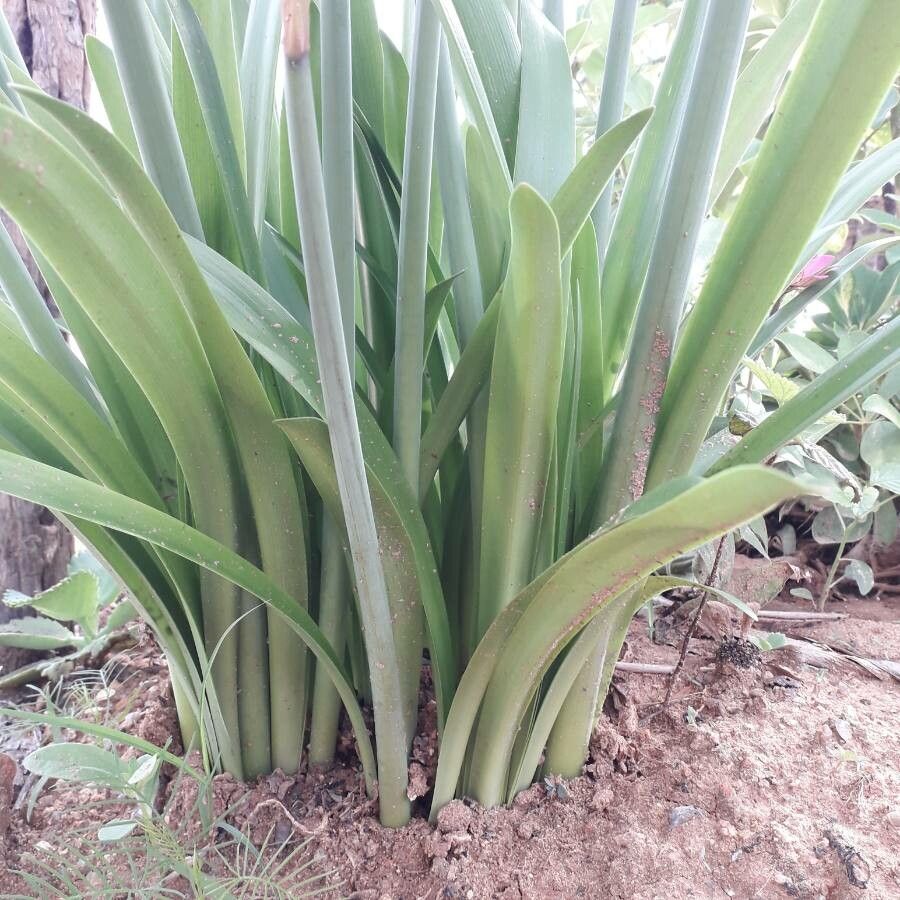
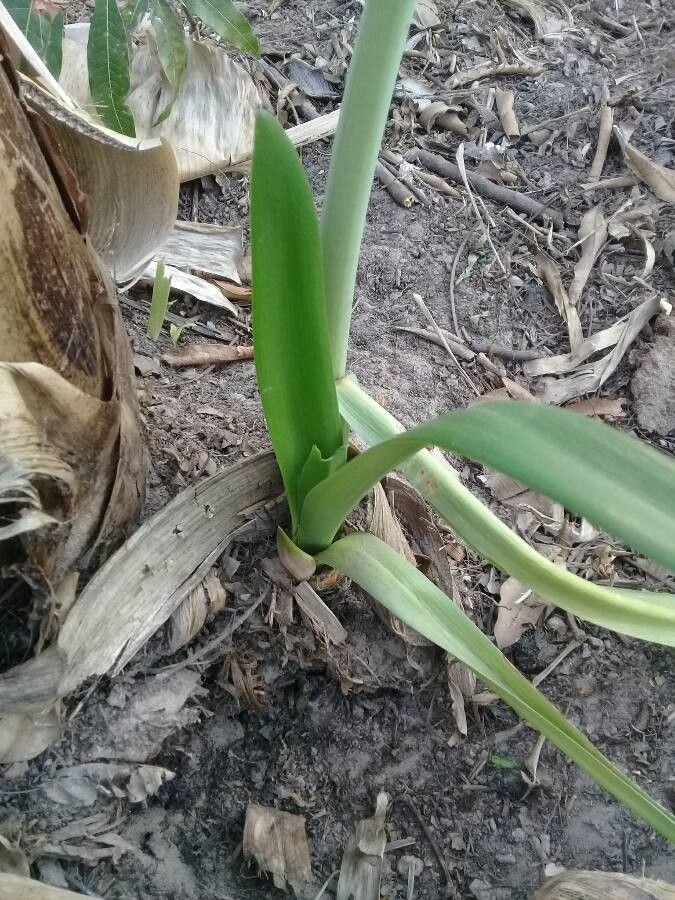
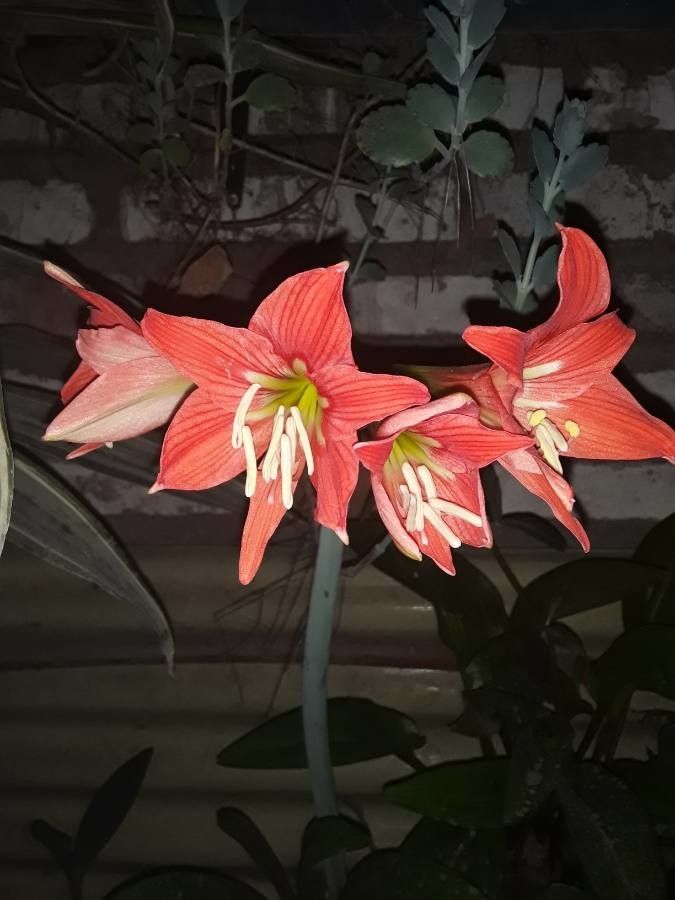
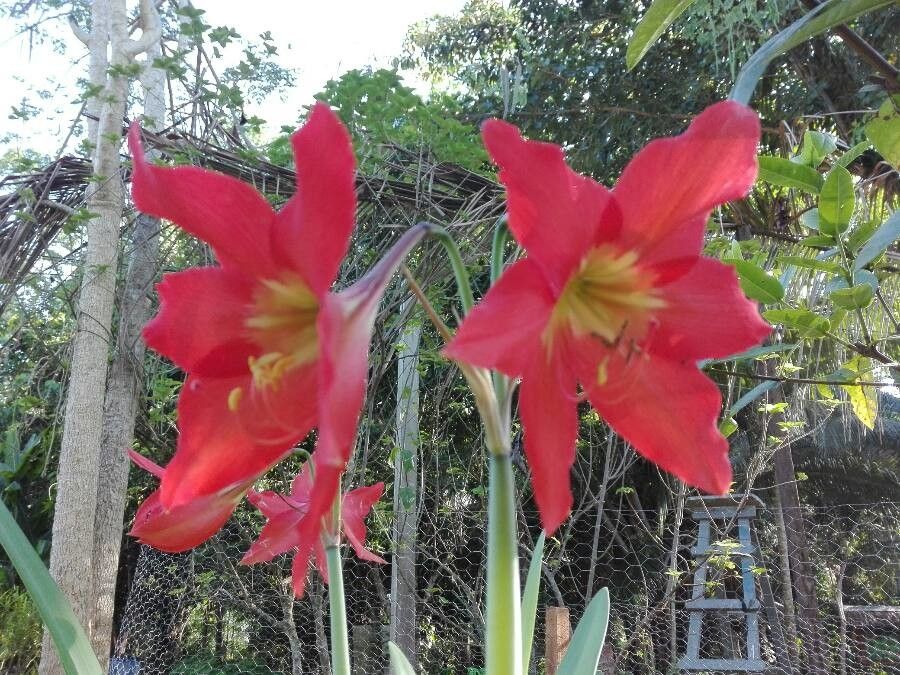
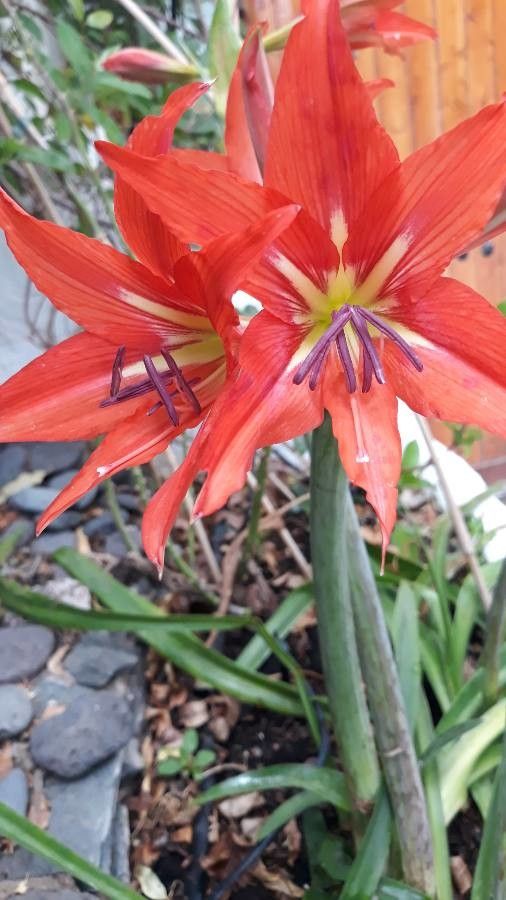
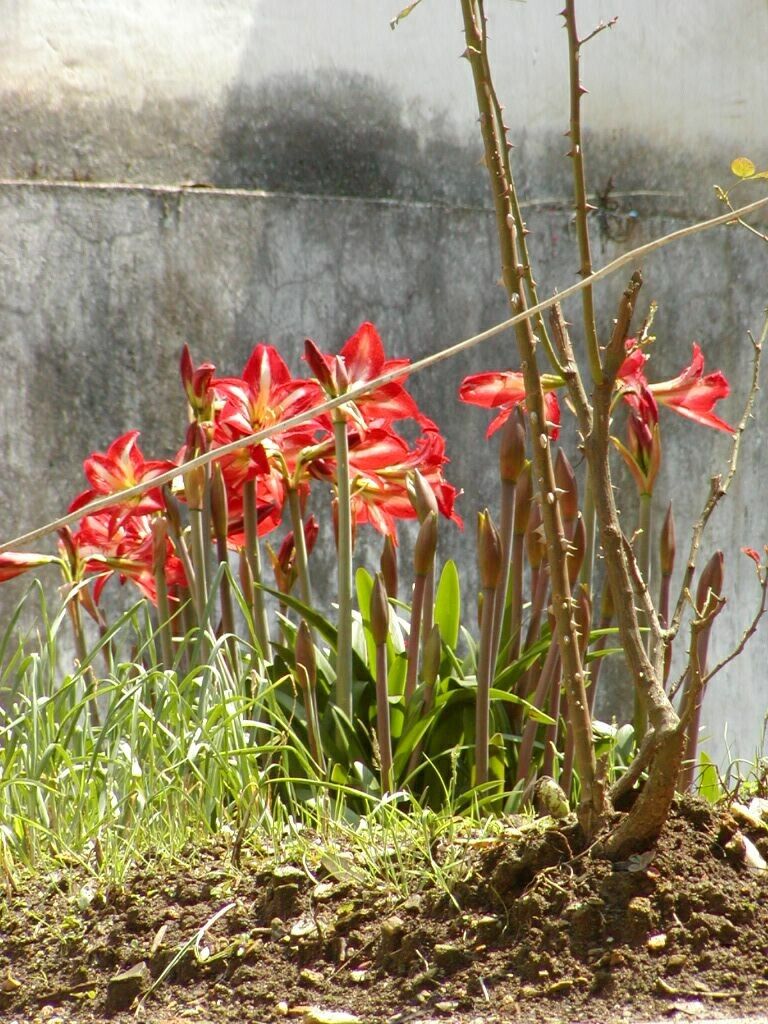
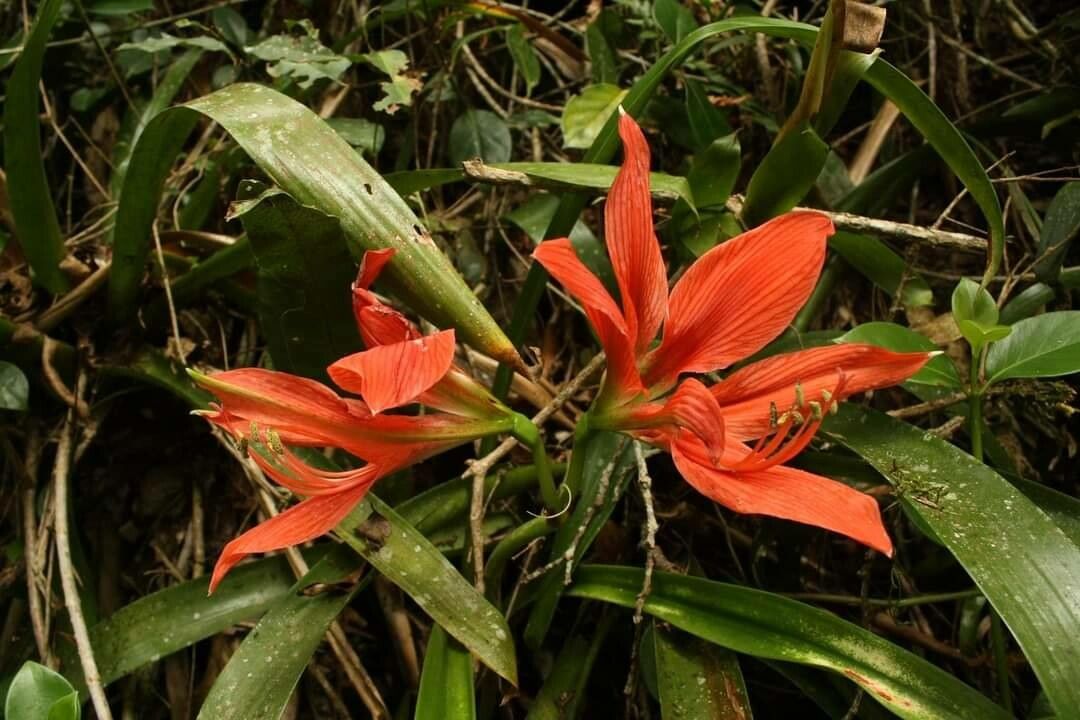
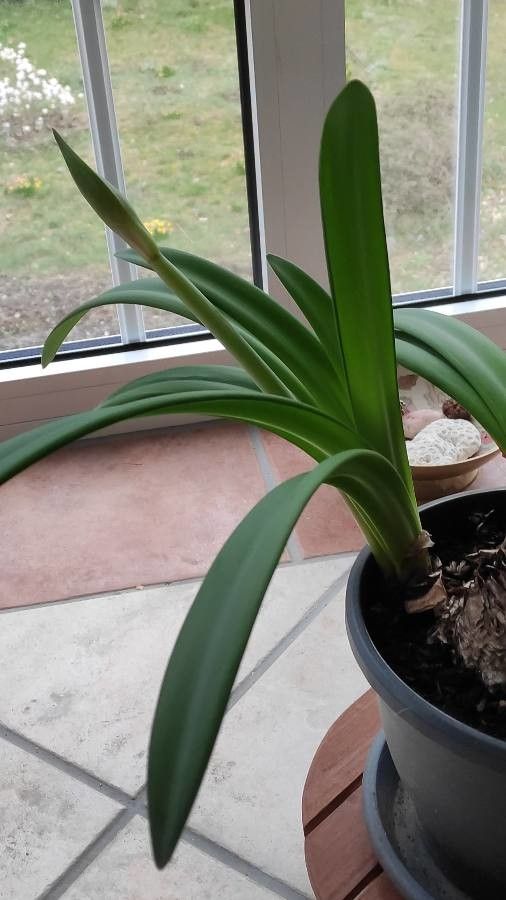
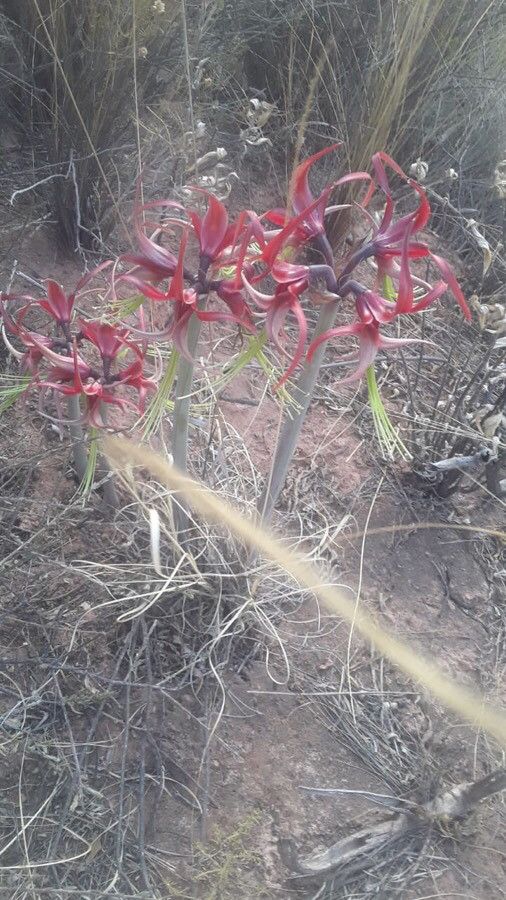
Hippeastrum puniceum is a bulbous perennial native to tropical regions of South America, although it has become naturalized elsewhere. Common names include Barbados lily, Easter lily, cacao lily, cocoa lily and amaryllis lily, although it is neither a lily nor a species of Amaryllis.
Barbados lily has strong resistance to disease and is typically not prone to illnesses. Nevertheless, it can be vulnerable to pests and diseases found in its environment. These issues are usually minor. Care-wise, the plant needs a moderate level of maintenance. It should be pruned regularly to keep a tidy appearance and healthy growth. Fertilizing can also encourage flowering. Barbados lily is appropriate for anyone with outdoor space, like a garden or patio, and does not demand extensive gardening experience. It may need more attention if grown indoors.
How to keep Hippeastrum Puniceum.
Light
The Barbados lily does best with plenty of light, echoing its native sun-soaked habitat. Too little light inhibits growth, while too much causes leaf scorch. Its requirement for sunlight changes very little throughout its growth stages.
Water
The Barbados lily thrives in tropical, humid environments and requires consistent moisture without becoming waterlogged. To keep it healthy, water it weekly. As a popular indoor ornamental plant, the Barbados lily flourishes with warmth and light during the growing season. It benefits from attentive watering that mimics the conditions of its natural habitat.
Temperature
The Barbados lily is a plant that thrives in its native habitats when temperatures are between 68 and 100 °F (20 to 38 ℃). Its preference for this temperature range means suitable adjustments are needed, especially in seasons that are cooler or warmer.
Fertilizer
Proper fertilization is essential for the health and appearance of the Barbados lily. Fertilize the Barbados lily in summer, repeating the application each month during the summer. Nutrients power growth and help maintain the plant's components. Fertilizing improves the Barbados lily's flower display, ensuring the best blooms.
Pruning
The Barbados lily is known for its large, trumpet-shaped flowers. To encourage growth, prune faded stems in early spring and remove any yellowing leaves to improve air circulation. Avoid cutting the green leaves, as they help support the blooms for the next season. Pruning in late spring also helps maintain the plant's shape and health, which enhances both its flowering and overall growth.
Pot & Repot
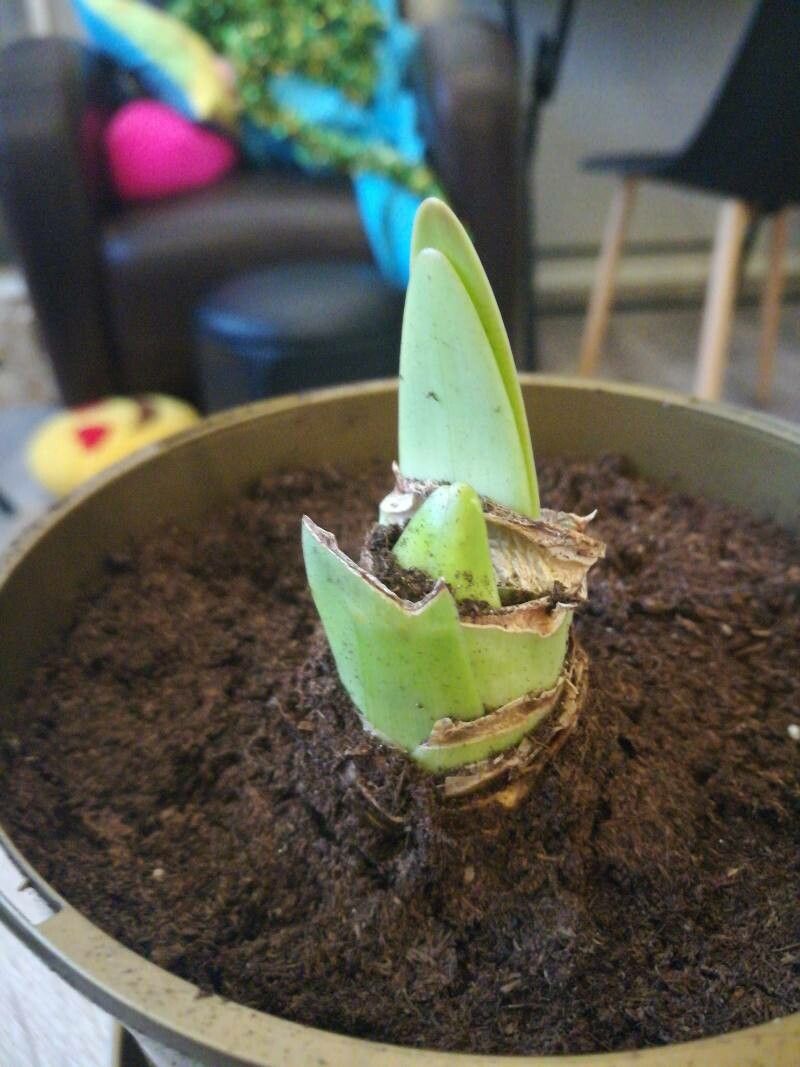
For a Barbados lily to thrive, it's crucial to provide excellent drainage in its pot. This prevents excess water from accumulating, which can cause root rot and other problems. Good drainage is essential for the plant's overall health and encourages strong growth.
Botanical profile.
- Plant Type
- Herb
- Life Cycle
- Perennial
- Genus
- Hippeastrum
- Family
- Amaryllidaceae
- Hardiness Zone
- 9-11
- Mature Height
- 30 cm to 46 cm
- Mature Spread
- 20 cm
- Leaf Color
- Green, Dark Green
- Leaf Type
- Deciduous
- Flower Color
- Red
- Flower Size
- 15.24 cm to 30.48 cm
- Bloom Time
- Spring
- Planting Time
- Spring
- Harvest Time
- Early summer, Mid summer
- Native Area
- Colombia, Bolivia, Venezuela, Peru, Guyana, Brazil, Ecuador
Other names.
Reader questions.
What are the sunlight requirements for Barbados Lily?
The Barbados Lily thrives in locations that receive a considerable amount of light, indicative of its natural, sun-drenched habitats. A significant element in its care, the plant needs more than 6 hours of sunlight a day to be classified under 'full sun'. For 'partial sun', about 3-6 hours of sunlight is adequate. It's essential to observe the movement of sunlight in your garden to ensure that your plants are positioned to receive the ideal balance of light and shade for their growth and well-being.
What are the ideal temperature conditions for growing Barbados lily?
Barbados lily, known botanically as Hippeastrum puniceum, thrives in temperatures ranging from 68 to 100°F (20 to 38°C). It is crucial to maintain this temperature range, especially during seasons when the temperature tends to drop below or rise above these levels. The plant loves heat, and exposure to cold can be detrimental. It is advisable to move Barbados lily indoors during autumn to a location near a bright window, away from direct heater airflow, to ensure growth continuity. Keeping the temperature above 20°C during the winter months is essential for the plant's well-being, as approaching 0°C can harm it.
How does artificial lighting support indoor Barbados Lily growth?
Indoor care for Barbados Lily includes ensuring it receives sufficient lighting, especially when natural sunlight is lacking, such as during winter or in less sunny spaces. Artificial lights are instrumental in this scenario, promoting healthier and faster growth. The type of artificial light, such as LED lights, can be optimized for the plants' specific needs. The amount of light varies with the sun requirements of the plant: 30-50W/sq ft for full sun plants, 20-30W/sq ft for partial sun plants, and 10-20W/sq ft for full shade plants. The distance from the plant (12-36 inches) and duration of exposure (8-12 hours per day) should mimic natural conditions as closely as possible.
What should I do if my Barbados lily is exposed to low temperatures?
In the event that your Barbados lily is exposed to low temperatures, particularly below 20°C and nearing 0°C, it might show symptoms like leaf color lightening, and, after frost damage, leaves could turn brown or black with possible wilting and drooping. To mitigate this, the frost-affected parts should be trimmed off, and the plant must be moved to a warmer indoor environment promptly. Positioning the plant near a south-facing window is advisable to ensure it gets enough sunlight, while also keeping it away from heaters or air conditioning vents to avoid air dryness.
What are the symptoms of inadequate lighting in Barbados Lily?
When a Barbados Lily does not receive enough light, several symptoms may appear. These include smaller new leaves, leggy or sparse growth, premature leaf drop, halted growth, pale or irregularly colored new leaves, and chlorosis, which involves the leaves losing their green color. Too much sunlight can also be harmful, leading to symptoms such as sunscald, leaf curling, wilting, and leaf scorching—indications of overexposure.
How can I protect my Barbados lily from high temperatures?
To protect your Barbados lily from high temperatures, especially when the mercury goes beyond 38°C reaching temperatures like 43°C, you will notice symptoms such as lighter leaf colors and an increased risk of sunburn. The best course of action includes trimming away the sunburned and dried parts of the plant. Then, relocating the plant to a shaded area that avoids the strong midday and afternoon sun will help. Ensure to water the plant during the cooler parts of the day, such as morning and evening, to maintain soil moisture and prevent overheating.
What solutions are available for Barbados Lily experiencing light-related issues?
To address light-related growth issues in Barbados Lily, consider gradually relocating your plants to receive at least 6 hours of direct sunlight daily, especially through a south-facing window. If natural light is not sufficient, especially indoors, supplement with artificial light, ensuring the plant is exposed to these lights for about 8 hours daily. For outdoor plants, gradually acclimatize them to sunnier spots to prevent sunburn. Removing obstructions or transplanting to a sunnier location with better drainage are practical steps for plants previously in shadowed areas. Remember, parts of the plant that suffered from insufficient light may not recover, but new growth will be healthy with improved light conditions.