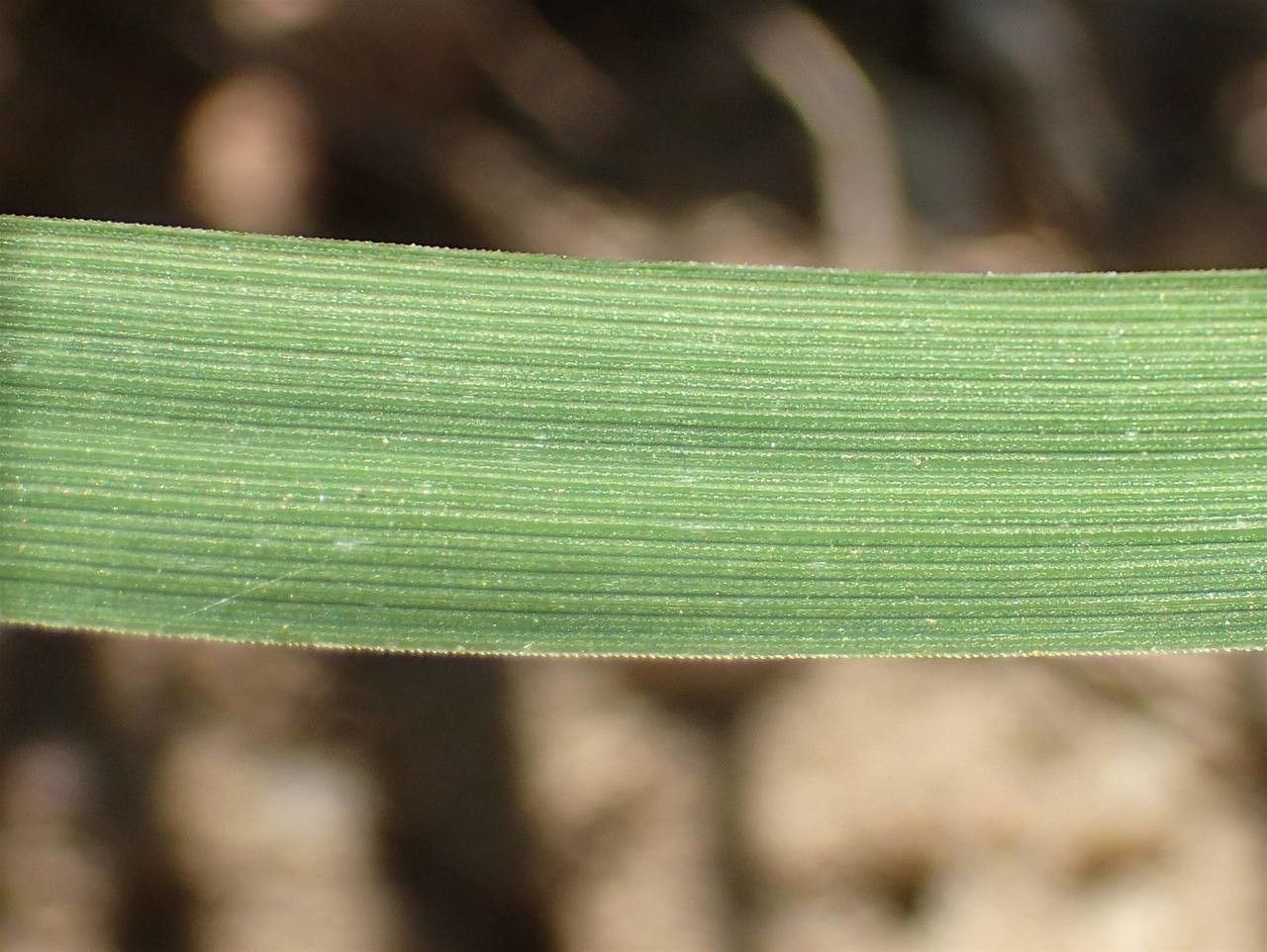
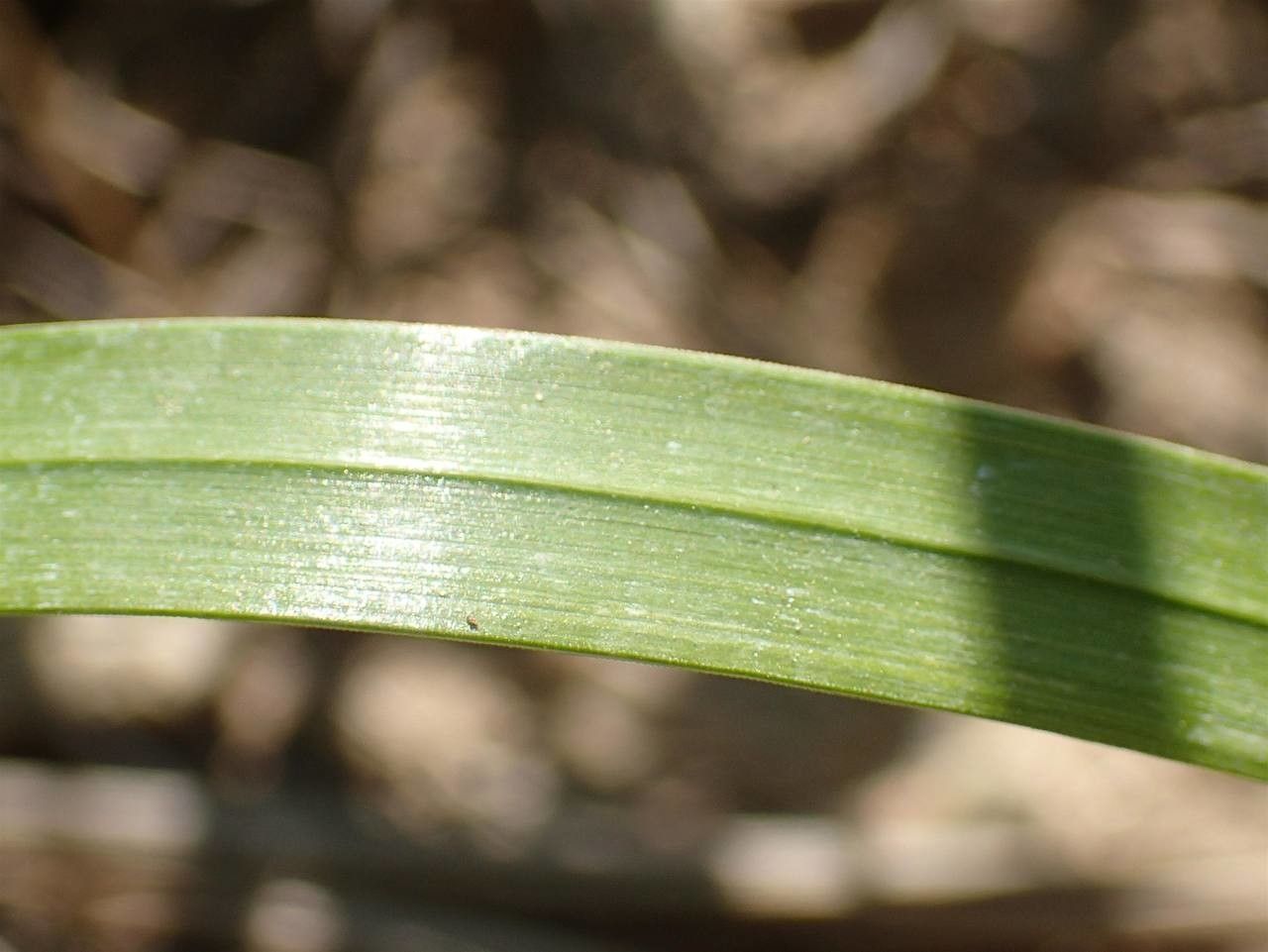
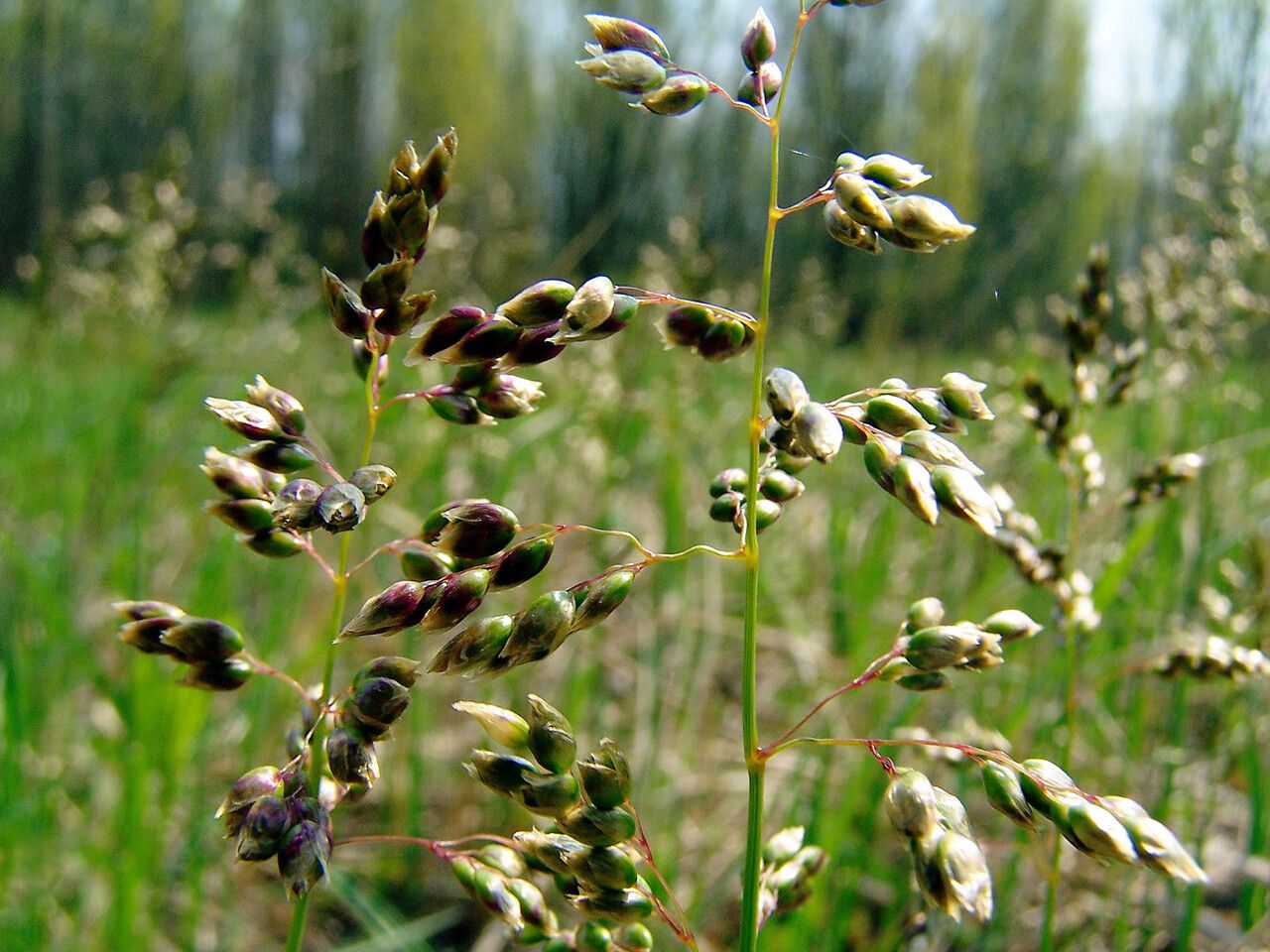
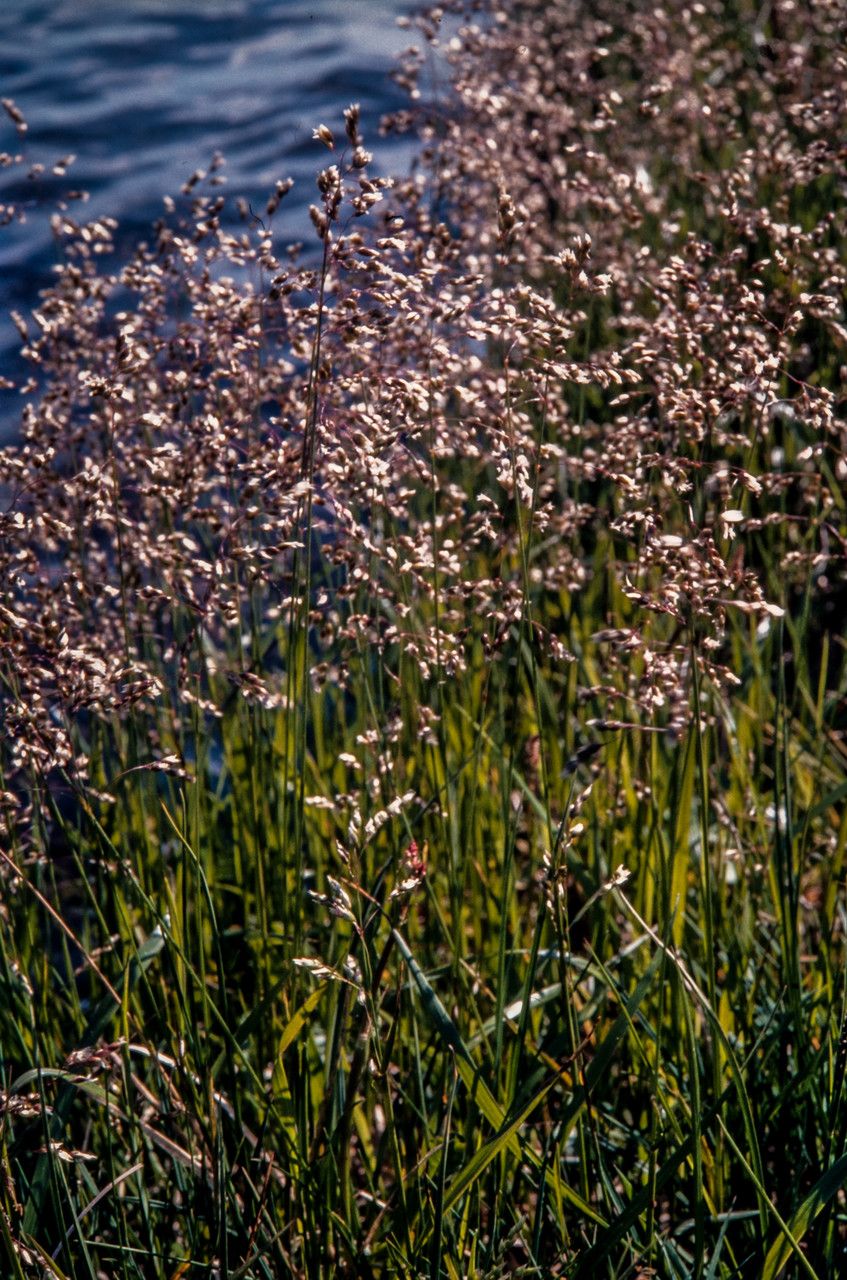
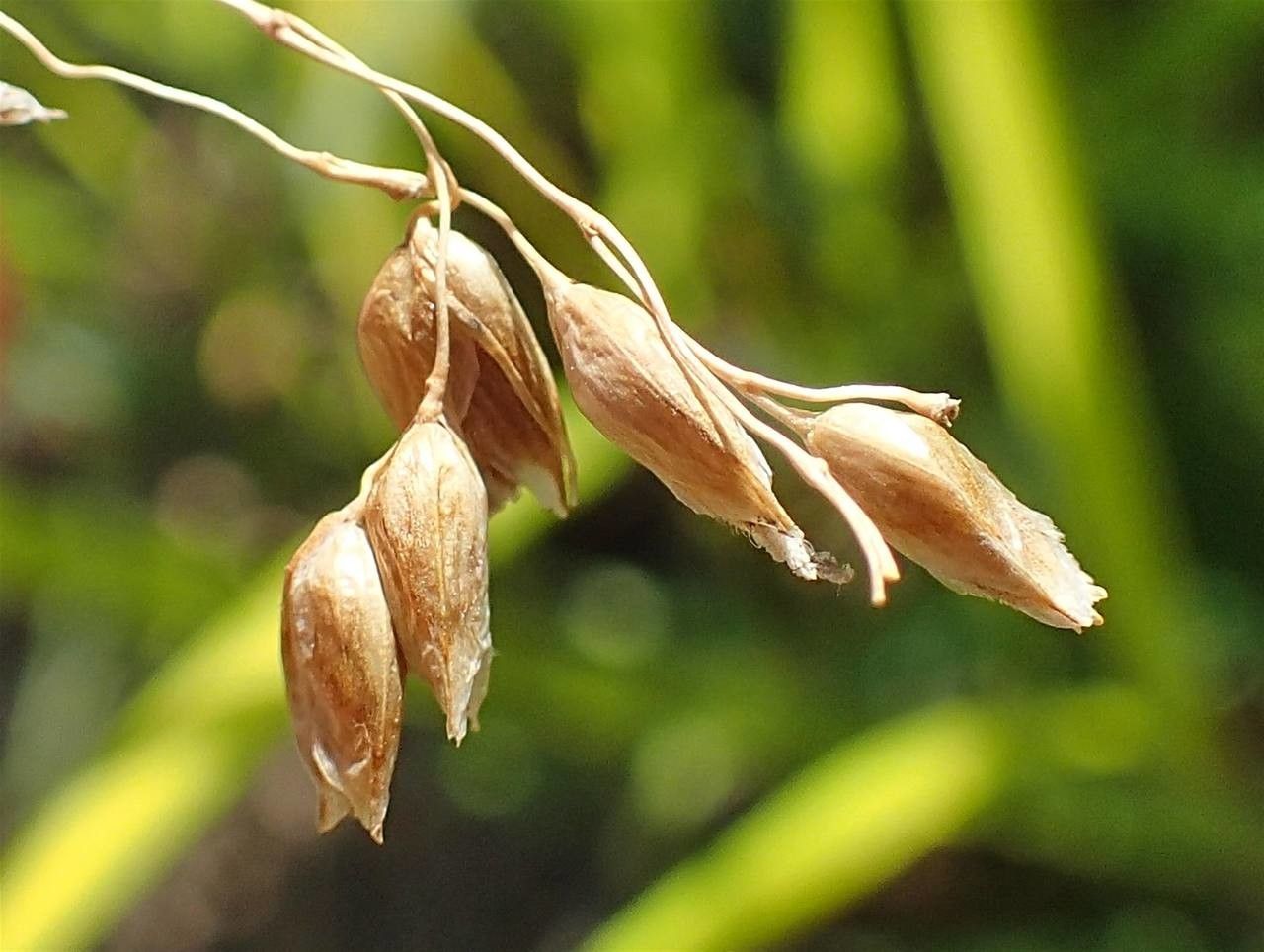
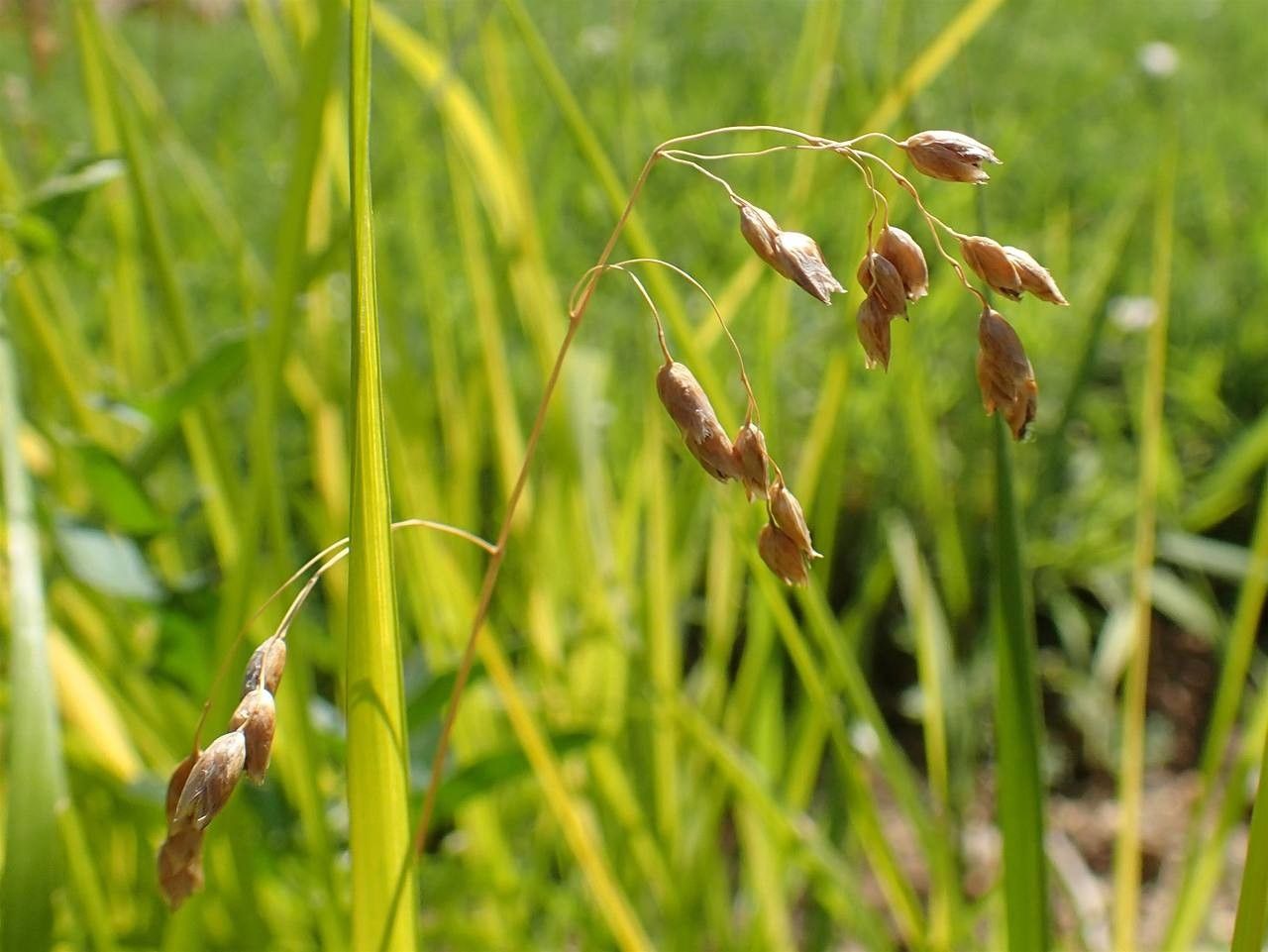
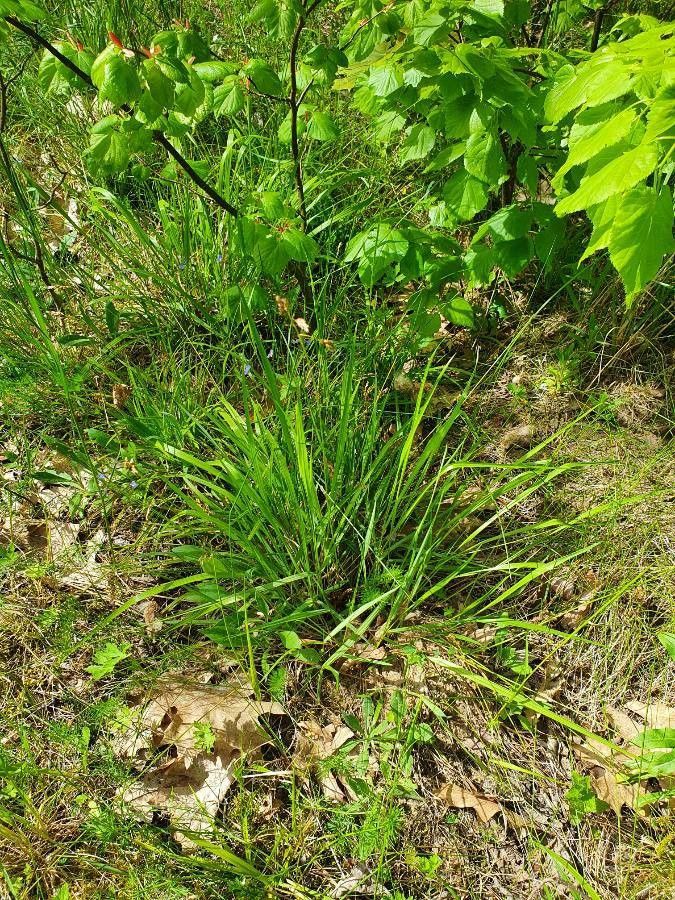
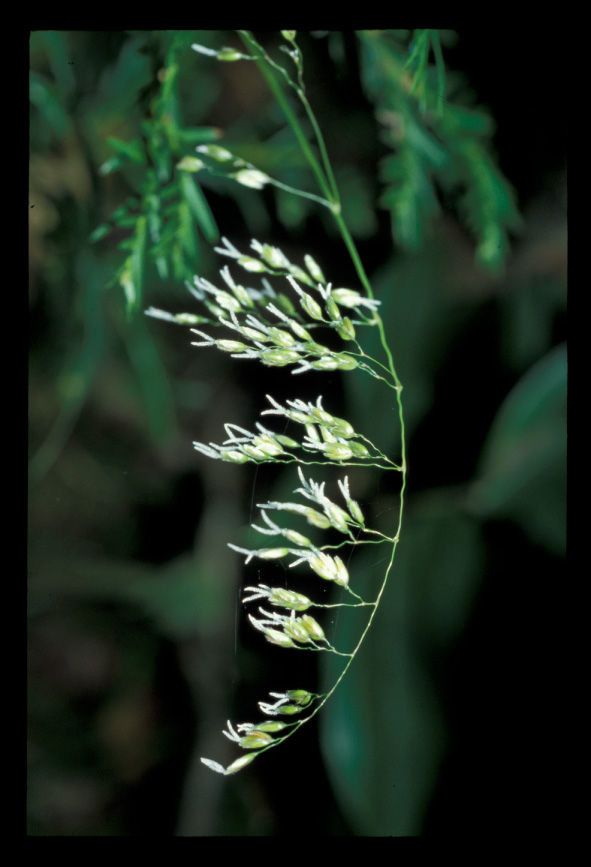
Hierochloe odorata, commonly known as sweetgrass, is a perennial plant belonging to the Poaceae family. Native to North America and Eurasia, it thrives in wetlands, meadows, and prairies. The plant is characterized by long green leaves that can grow up to 60 cm in height and emit a sweet fragrance when crushed or burned.
Sweetgrass has been used for centuries by Indigenous peoples for its medicinal properties and cultural significance. It is often utilized in smudging ceremonies, where the smoke from burning sweetgrass is believed to purify the air and promote positive energy.
Beyond its cultural uses, sweetgrass also has practical applications. It is commonly used in basket weaving and potpourri blends due to its pleasant vanilla-like scent, which comes from the compound coumarin.
Sweetgrass requires moist soil conditions but can tolerate both full sun and partial shade. It can be propagated through seeds or by dividing established plants. However, some populations of Hierochloe odorata are considered threatened or endangered in certain regions due to habitat loss from development and agricultural practices.
Overall, Hierochloe odorata (sweetgrass) holds significant cultural importance while also offering practical uses, making it an essential species both ecologically and culturally.
Sweetgrass demonstrates strong disease resistance and is generally not susceptible to illnesses. With regard to care, this plant is fairly low-maintenance. When grown outdoors it needs only light watering, and larger plants typically do not require pruning. Smaller plants, however, should be pruned after they finish blooming. Sweetgrasst is appropriate for anyone who has an outdoor area, such as a garden or deck, and it does not demand a great deal of care experience.
How to keep Hierochloe Odorata.
Light
Sweetgrass prefers locations that get sunlight for most of the day. It can also tolerate spots where light is intermittent during the day. The strength and duration of sun exposure strongly affect its health and growth. Too much or too little sun can hinder its development.
Temperature
Sweetgrass naturally occurs in habitats with temperatures between 41 and 95 °F (5 to 35 °C). It grows best in mild to warm conditions. When seasons become colder or hotter, modifying the temperature is necessary to keep sweetgrass healthy.
Fertilizer
Sweetgrass needs extra nutrients to encourage healthy new growth. In spring, applying compost around the plant's base will effectively supply the nutrition it requires. Fertilizing helps support vigorous growth and enables the plant to better resist diseases and pests.
Botanical profile.
- Plant Type
- Grass
- Life Cycle
- Perennial
- Genus
- Hierochloe
- Family
- Poaceae
- Hardiness Zone
- 4-9
- Mature Height
- 40 cm to 91 cm
- Mature Spread
- 20 cm to 40 cm
- Leaf Color
- Green
- Leaf Type
- Semi-evergreen
- Flower Color
- Yellow, Green, Purple, Brown
- Flower Size
- 10.16 cm
- Bloom Time
- Mid spring, Late spring
- Planting Time
- Spring, Summer
- Harvest Time
- Early summer, Mid summer
Other names.