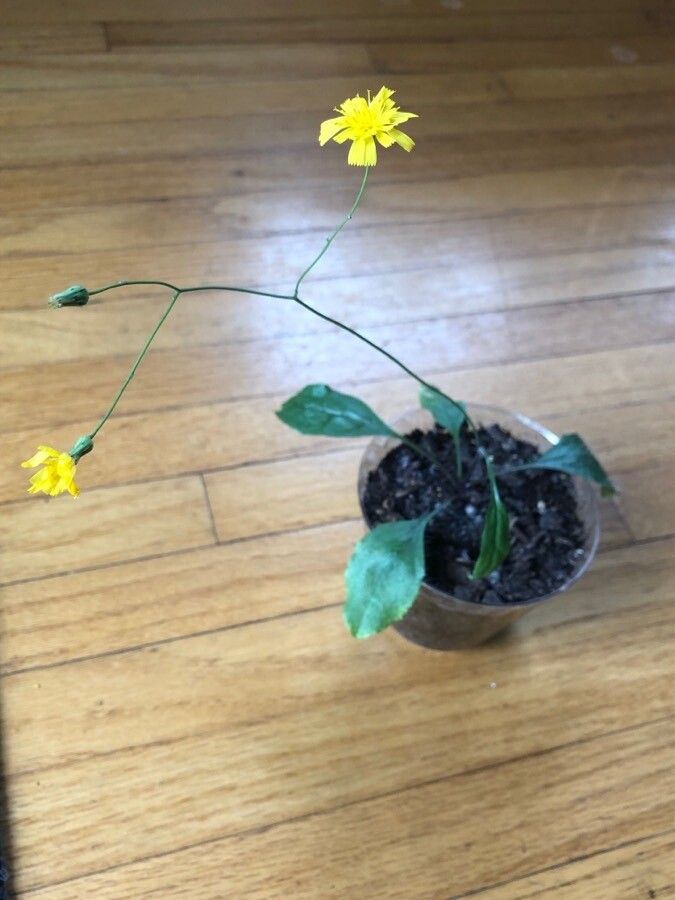
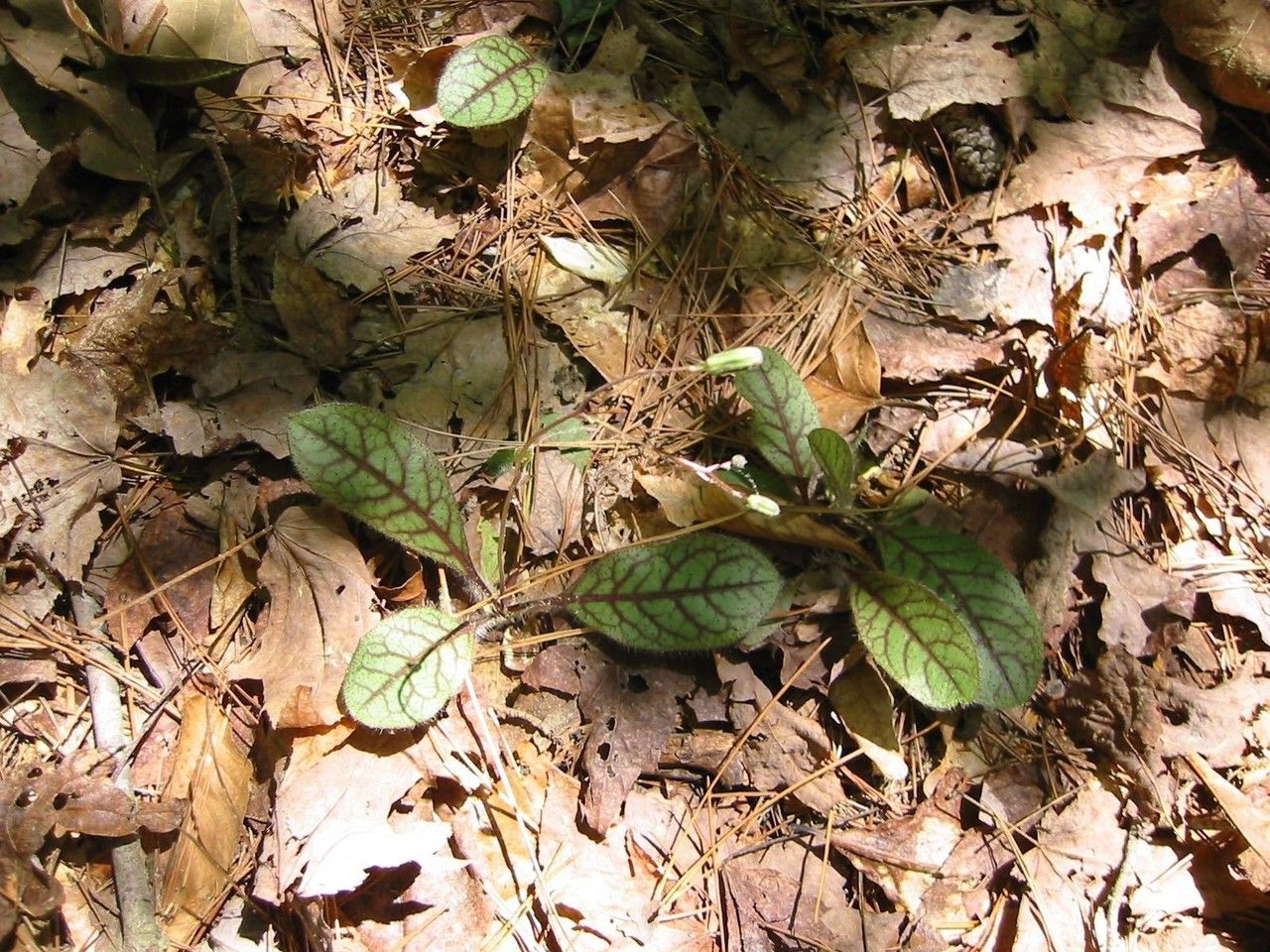
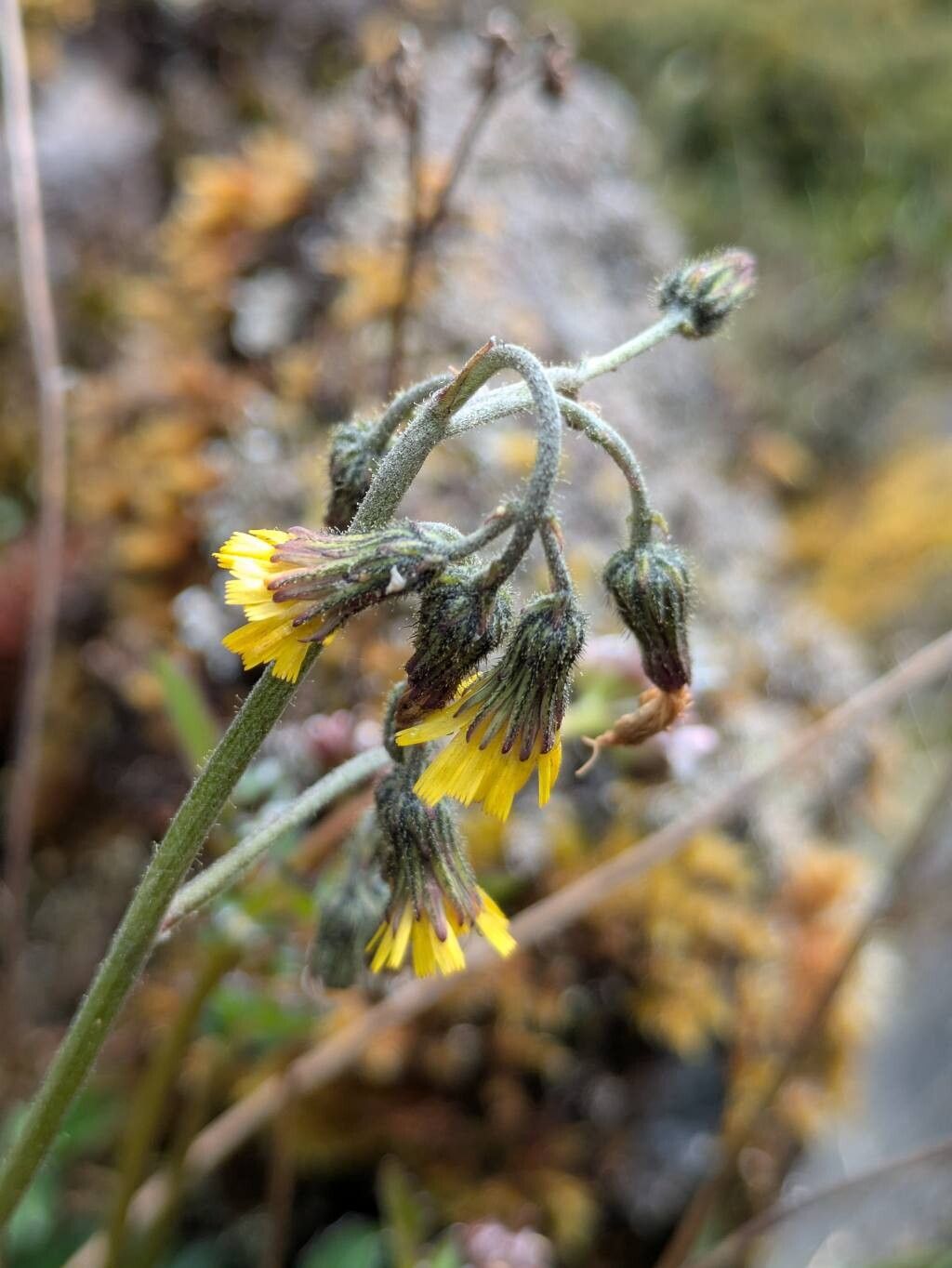
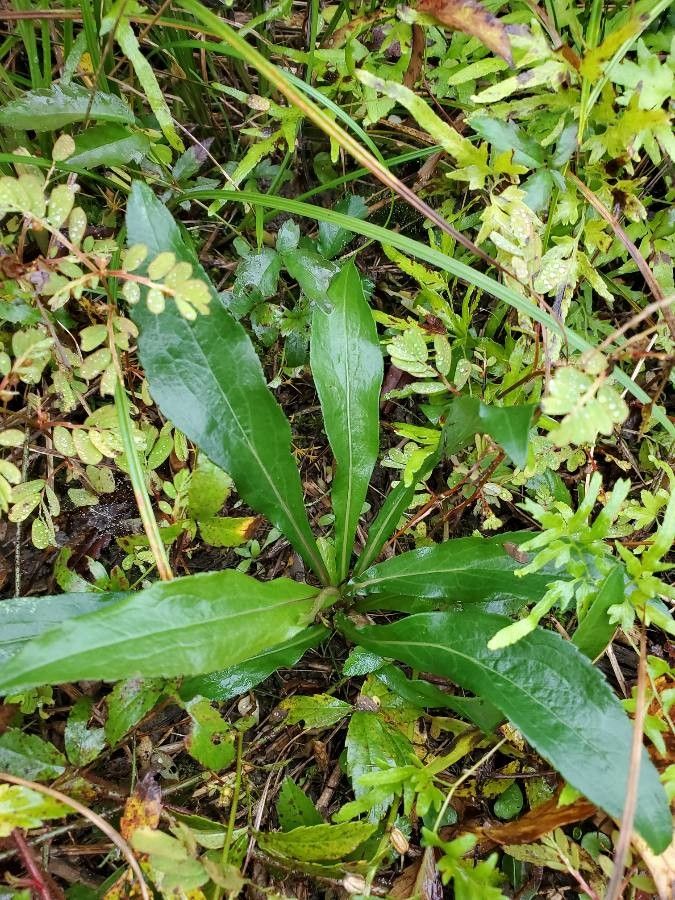
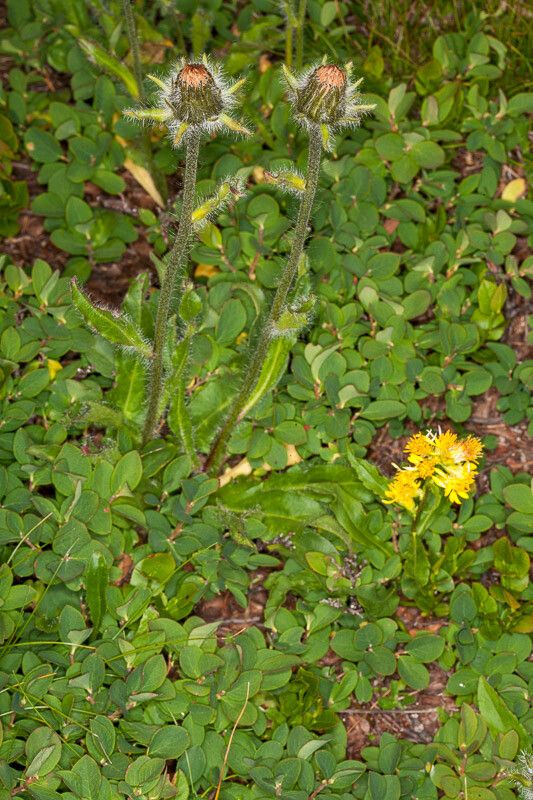
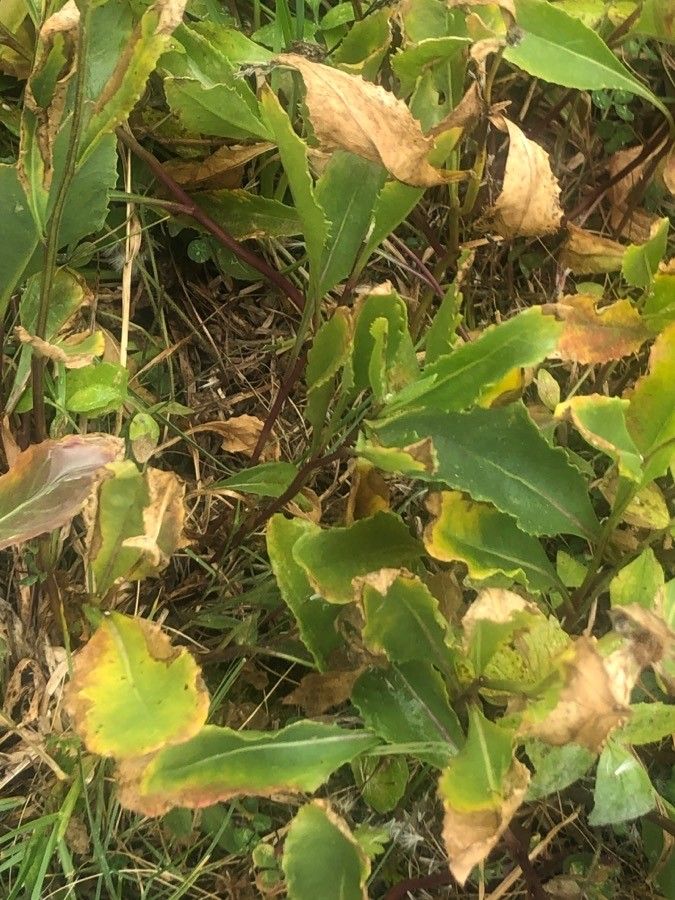
Hieracium venosum, commonly known as rattlesnake weed or veinleaf hawkweed, is a perennial herbaceous plant in the Asteraceae family. Native to North America, this plant thrives in various habitats, including meadows, forests, and rocky slopes.
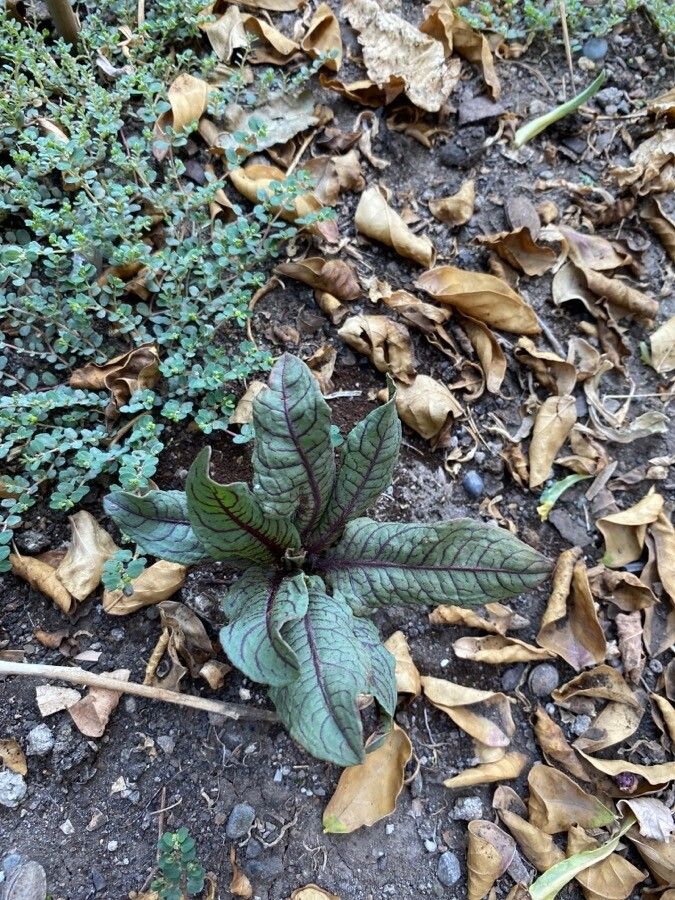
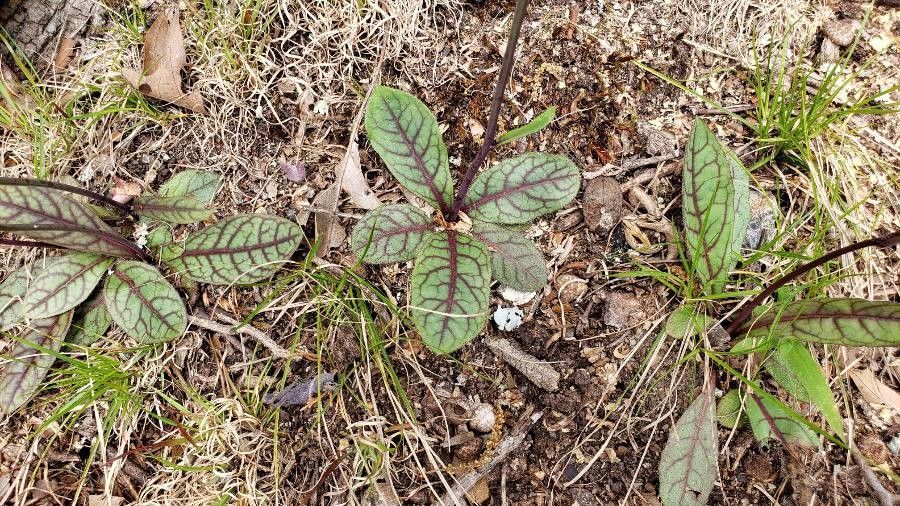
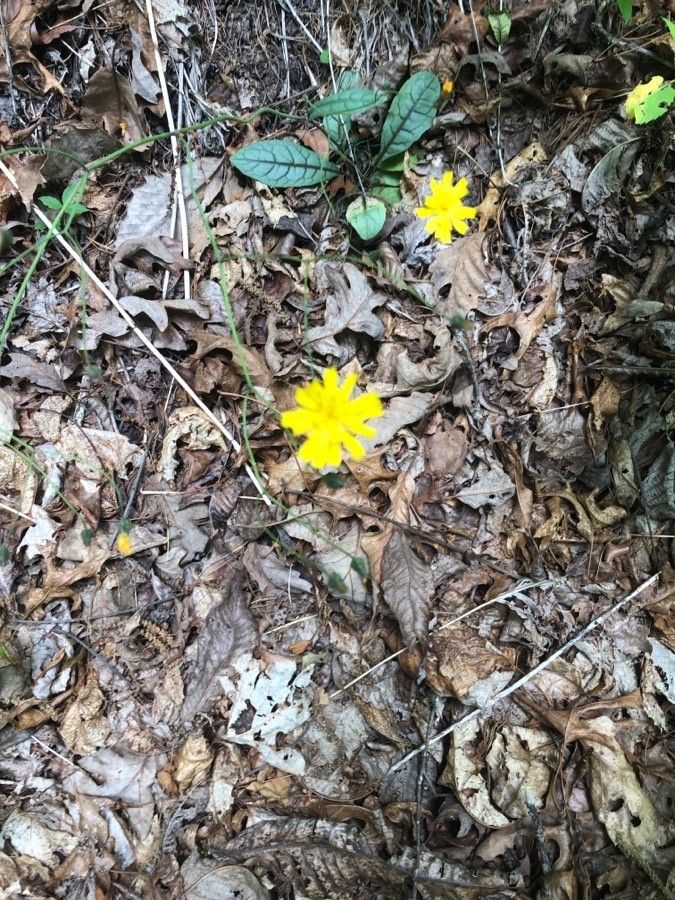
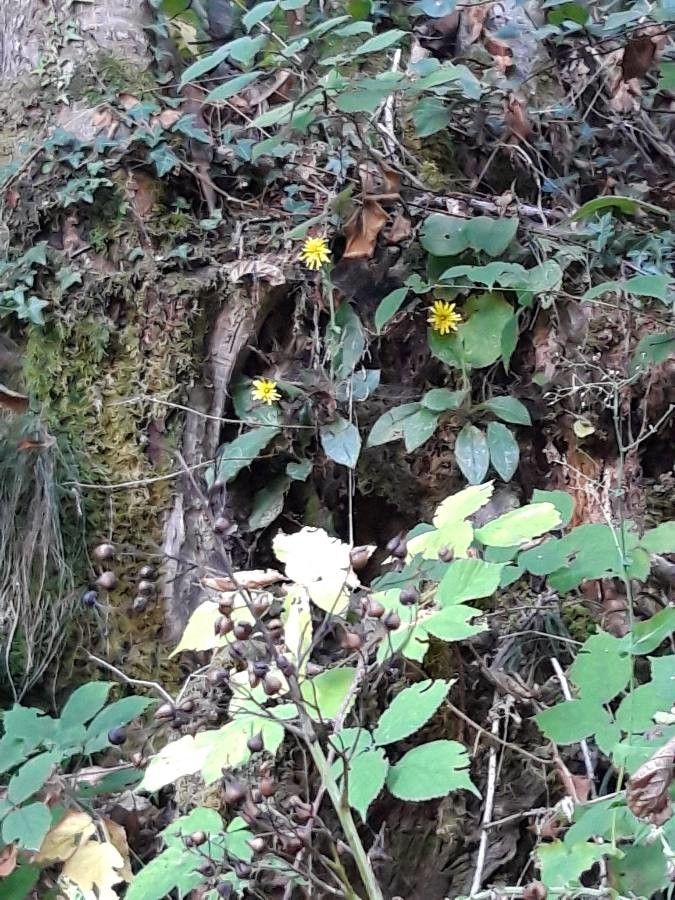
Hieracium venosum can grow up to 60 cm tall and features a basal rosette of lance-shaped leaves with prominent veins. Its stem is hairy and bears small leaves that grow alternately along it. The plant produces yellow-orange flowers, which bloom in clusters at the top of the stem from June to August.
Native Americans have utilized Hieracium venosum for its medicinal properties, using it to treat ailments such as snake bites, stomach issues, and respiratory problems. The plant contains compounds like flavonoids, which have anti-inflammatory properties.
It is important to note that Hieracium venosum can be invasive in some areas, owing to its ability to spread rapidly through its rhizomes (underground stems). Therefore, it requires careful monitoring if planted in gardens or natural areas.
In summary, Hieracium venosum is an intriguing native North American perennial herb with medicinal benefits. However, due to its invasive potential, it should be managed carefully when grown outside its natural habitat.
Rattlesnake hawkweed has good resistance to disease and is generally not prone to illnesses. However, it can be vulnerable to pests and diseases present in its environment. Such infections are generally not serious. Regarding care, this plant requires moderate maintenance. It should be pruned regularly to maintain an attractive appearance and healthy growth. Fertilizing can also help encourage flowering. Rattlesnake hawkweed is appropriate for anyone with outdoor space, such as a garden or patio, and does not demand extensive care experience. It may need more attention when cultivated indoors.
How to keep Hieracium Venosum.
Light
The rattlesnake hawkweed flourishes in places where it gets a moderate amount of sunlight each day, which is common in its native habitat. Adequate sun exposure is crucial to its robust growth. Imbalanced exposure to sunlight might interfere with its progress and general well-being.
Temperature
Rattlesnake hawkweed is native to habitats where temperatures generally range from 32 to 77 °F (0 to 25 °C). It does best in these cooler conditions, so if grown in warmer areas it should be given shade to maintain its preferred temperature. Seasonal adjustments are usually unnecessary.
Fertilizer
The best period to fertilize a Rattlesnake hawkweed is in the early part of spring, as it moves out of dormancy and begins to actively grow. This process delivers essential nutrients for its optimal growth. Even though the Rattlesnake hawkweed doesn't require much fertilization, applying it annually can improve its lifespan and promote the production of more durable, longer-lasting flowers.
Botanical profile.
- Plant Type
- Herb
- Life Cycle
- Perennial
- Genus
- Hieracium
- Family
- Asteraceae
- Hardiness Zone
- 3
- Mature Height
- 40 cm
- Mature Spread
- 20 cm
- Leaf Color
- Yellow, Gold, Purple, Lavender
- Leaf Type
- Evergreen
- Flower Color
- Yellow, Gold
- Flower Size
- 2.54 cm
- Bloom Time
- Early summer, Mid summer
- Planting Time
- Spring, Summer, Autumn
- Harvest Time
- Mid summer, Late summer
Other names.