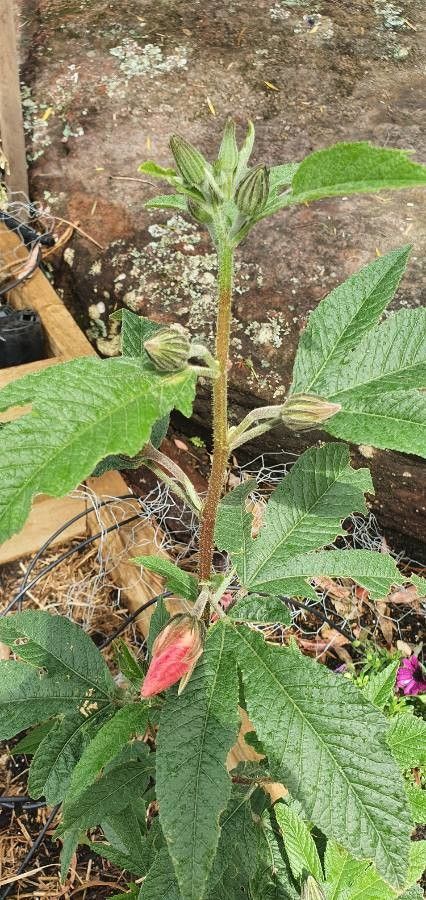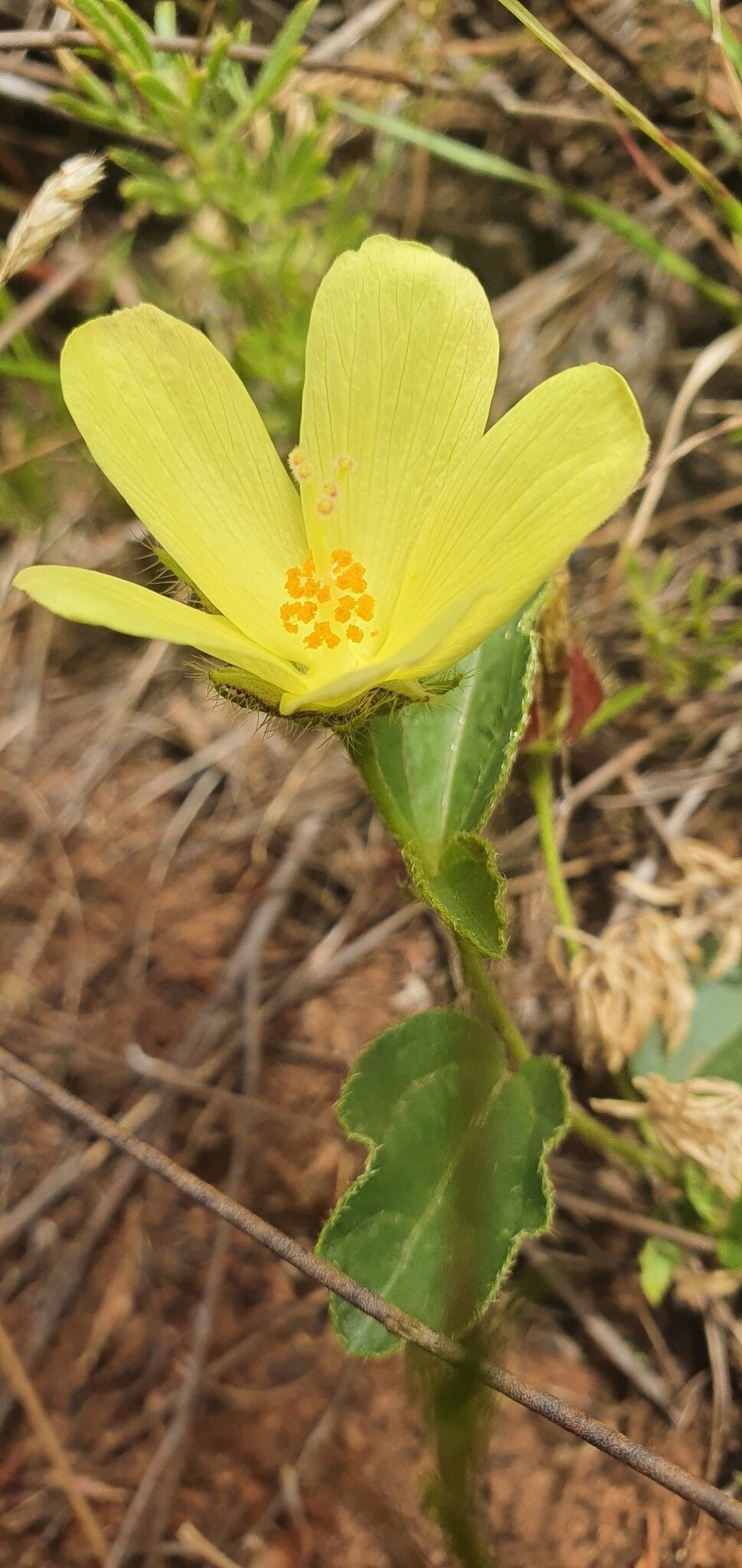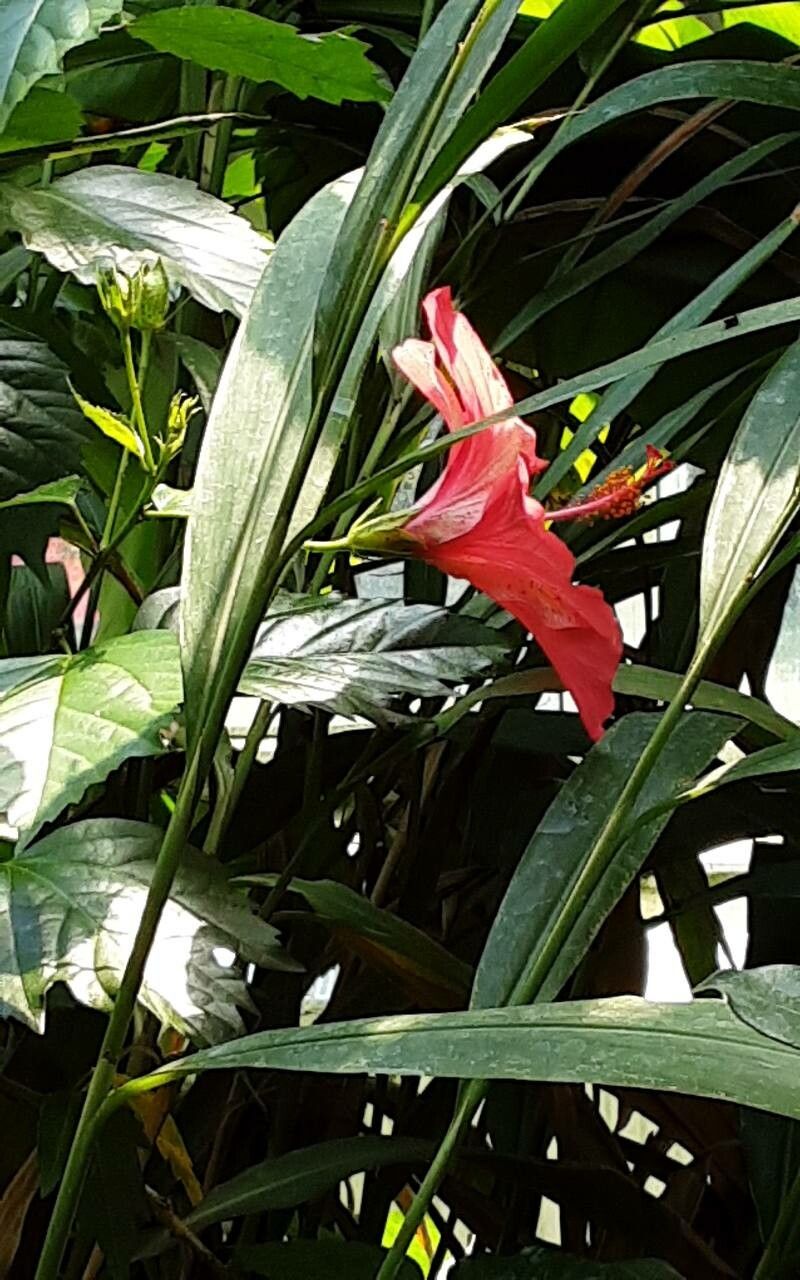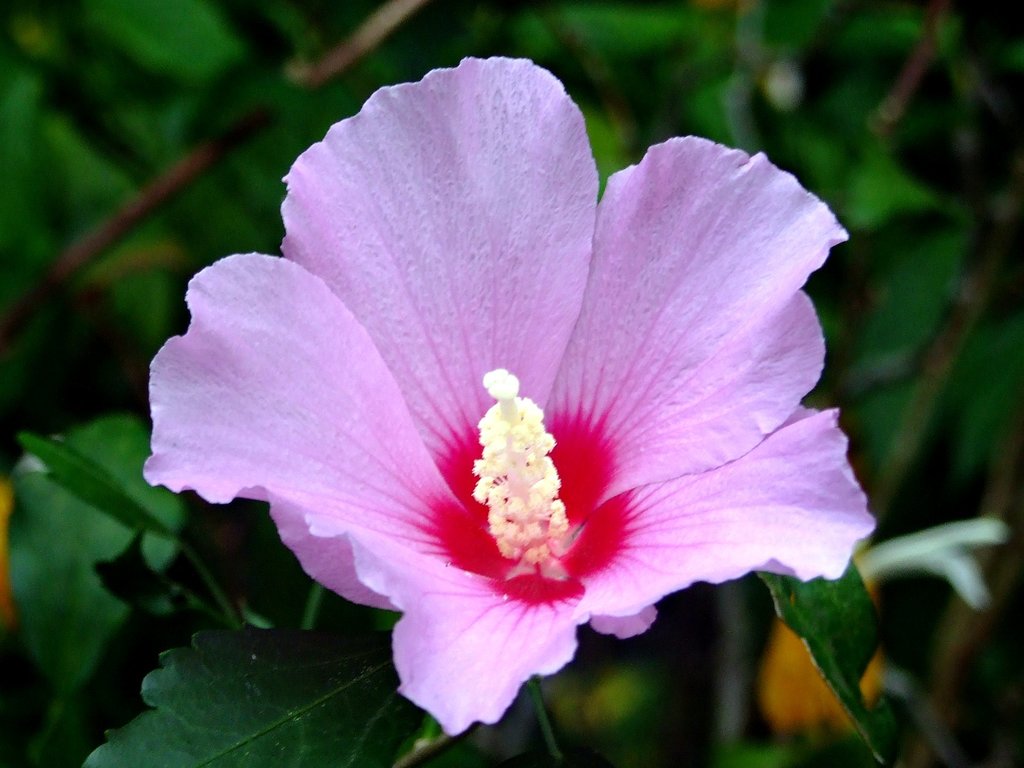
Hibiscus syriacus, commonly known as Rose of Sharon, is a deciduous shrub belonging to the family Malvaceae. Native to Asia, this plant has been cultivated for centuries for its ornamental appeal. It can grow up to 10 feet tall and 6 feet wide, featuring a vase-shaped growth habit. The leaves are dark green, glossy, and lobed with serrated edges.
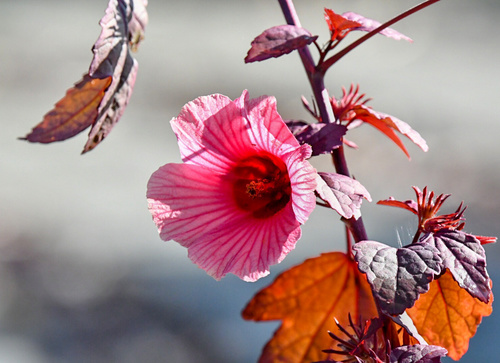
The main attraction of Hibiscus syriacus is its flowers, which bloom from mid-summer to fall in shades of white, pink, purple, or blue. These flowers feature a prominent central stamen that attracts pollinators like bees and butterflies. Depending on the cultivar, the flowers can be either single or double-petaled.
Hibiscus syriacus prefers full sun exposure but can tolerate partial shade in hot climates. It thrives best in well-drained soil rich in organic matter but can adapt to various soil types, including clay soils.
The hibiscus flower can bloom for up to 180 days. It opens its petals each morning and closes them by evening, mirroring the cycle of the sun rising and setting. Similarly, loving someone comes with its own ups and downs. However, those who truly understand love won't easily give up. They persevere, knowing that life's challenges are unavoidable; nothing will deter them from their commitment or shake their belief in love. This steadfastness is likely why the hibiscus symbolizes "gentle perseverance." FUN FACT · FROM THE LIBRARY
This plant requires moderate watering during its growing season, but it should be watered deeply during drought periods or high temperatures. Annual pruning should be performed in late winter or early spring before new growth appears.
Overall, Hibiscus syriacus is an attractive shrub that adds color and beauty to any garden landscape. It also provides habitat for pollinators like bees and butterflies, making it an excellent addition for garden enthusiasts seeking an easy-to-grow ornamental plant.
The name "Rose of Sharon" originates from the Bible, although scholars are unsure which specific plant it originally referred to. Today, various plant species are known as the Rose of Sharon. However, in North America, when people mention Rose of Sharon, they are typically referring to the Hibiscus syriacus.
Rose of sharon possesses strong disease resistance and is generally not prone to disease. As for care, this plant is fairly low-maintenance. When grown outdoors it needs minimal watering, and larger specimens usually do not need pruning. However, smaller plants should be pruned after they have bloomed. Rose of sharont is suitable for anyone with outdoor space, such as a garden or deck, and does not require much care experience.
How to keep Hibiscus Syriacus.
Light
Rose of Sharon flourishes in consistent, uninterrupted sunlight and can also tolerate somewhat less sunny circumstances. Its growth requires sufficient light. The plant's original habitat, which isn't limited to any specific region, typically receives a lot of sunlight. Insufficient light can lead to its growth decline, while excess light may result in photodamage or sunscald.
Water
The Rose of Sharon, native to East Asia, thrives in well-drained, consistently moist soil and can tolerate short periods of dryness. Watering it every 1-2 weeks promotes healthy growth. This plant flourishes in full sun to partial shade and adapts its water usage to ensure vibrant blooms, even when moisture levels vary.
Humidity
This plant will thrive in moderate humidity, which is probably the level in your home. However, misting it a few times a week can be very beneficial. Make sure the room has good ventilation.
Temperature
The rose of sharon, which naturally thrives in moderate climates, can generally withstand varying temperatures from 5 to 35 ℃ (41 to 95 ℉) throughout its growing period. Nonetheless, in the winter season, it leans towards colder temperatures between 5 to 10 ℃ (41 to 50 ℉) for proper dormancy. In regions with higher heat, it might gain from slight shading during the intense heat periods in the summer.
Fertilizer
For the Rose of Sharon, the timing of fertilization is key. Apply fertilizer starting from the early spring and maintain this on a monthly basis until the beginning of summer. Fertilizers aid in generating beautiful flowers and supply the necessary energy during both the dormant and growing stages.
Pruning
The Rose of Sharon benefits from annual pruning in early spring. To promote better air circulation, remove any dead wood and thin out weak branches. Shape the plant by trimming back last year's growth, but avoid heavy pruning because it blooms on new growth. Regular pruning encourages the plant to be both vigorous and full of flowers.
Pot & Repot
While transplanting a Rose of Sharon, select a container that is 1-2 inches (2.5-5 cm) bigger with substantial drainage. Employ a potting mixture with good drainage properties. Carry out the repotting process in spring or autumn, making sure the root cluster is slightly below the edge of the plant pot. Generously water the plant after repotting and position it in a warm location receiving diffused sunlight.
Toxicity
Rose of Sharon is non-toxic for humans but is moderately toxic to pets. If ingested in a significant amount, your pet may experience vomiting, diarrhea, and other potentially severe reactions.
Further reading →
The toxicity and danger assessments provided are for reference only. We do not assure their accuracy, so it's crucial not to depend on them. Seek professional advice when necessary for accurate guidance.
Botanical profile.
- Plant Type
- Shrub, Tree
- Life Cycle
- Perennial
- Genus
- Hibiscus
- Family
- Malvaceae
- Hardiness Zone
- 5-9
- Mature Height
- 2.13 m to 3.96 m
- Mature Spread
- 5 cm to 8 cm
- Leaf Color
- Green
- Leaf Type
- Deciduous
- Flower Color
- White, Pink, Red, Blue, Purple, Violet
- Flower Size
- 5.08 cm to 10.16 cm
- Bloom Time
- Early summer, Mid summer
- Planting Time
- Spring, Autumn
- Harvest Time
- Mid summer, Late summer
- Native Area
- Indonesia, Iran, China
Other names.
Reader questions.
When Should I Water My Rose Of Sharon?
To determine the best time to water your rose of sharon, check the top inch of soil for dryness, as this is a key indicator that your plant needs water. The plant may also show signs like wilting, a change in leaf color to a deeper green or yellow, slower growth, or fewer blooms, all suggesting a need for watering. Ideally, water early in the morning or late in the evening to reduce evaporation and ensure water reaches the roots. Be cautious not to over-water or water too frequently to prevent issues such as root rot or bloom loss. It's essential to understand your plant's needs and adjust your watering accordingly.
Why is it necessary to fertilize my Rose of Sharon?
Fertilizing a Rose of sharon is important for a few reasons. One of the main reasons is that it helps the plant produce beautiful blooms. To ensure great flowers during spring, it's best to fertilize in early spring. Fertilizer also gives the plant extra energy to store in the ground during dormant growth phases. By providing extra nutrients during fall planting or late spring, the Rose of sharon can store more energy to use when it starts growing again.
What are the sunlight requirements for Rose of Sharon?
The Rose of Sharon requires constant, unabated sunlight exposure for healthy growth and can endure slightly less sunny conditions. It thrives in environments characterized by plentiful sun exposure. Full sun is defined as over 6 hours of sunlight a day, while partial sun refers to about 3-6 hours of sunlight. It's important to monitor how sunlight moves through your garden to ensure plants receive the ideal balance of light and shade, promoting their wellbeing.
What are the ideal growing conditions for a Rose of Sharon?
A Rose of Sharon thrives in temperate regions and can tolerate a range of temperatures from 5 to 35 °C (41 to 95 °F) during its growing season. In winter, it prefers cooler temperatures between 5 to 10 °C (41 to 50 °F) to achieve dormancy. In hotter climates, partial shade during the summer's peak heat can be beneficial. It has strong cold resistance, meaning special frost protection measures are generally not required. However, if temperatures are expected to drop below the plant's cold tolerance limit, cold protection, such as wrapping the trunk and branches with non-woven fabric or cloth, is advisable. It's also recommended to water the plant abundantly before the first autumn freeze to keep the soil moist and prevent drought and water scarcity during winter and early spring.
How Should I Water My Rose Of Sharon?
Watering your rose of sharon effectively involves understanding its preference for well-draining soil and its drought-tolerant nature. Use a watering can with a long, narrow spout to deliver water directly to the root zone, ideally in the early morning or late evening. A moisture meter can be valuable to avoid overwatering by ensuring the soil's moisture levels are just right. Focus the water at the base of the plant and avoid wetting the foliage to prevent diseases. Be mindful of common mistakes like overwatering or allowing water to sit on the leaves, which can lead to disease or pest problems.
When should I fertilize my Rose of Sharon to ensure it grows well?
To ensure effective fertilization for Rose of sharon, timing is crucial. It is important to avoid applying fertilizer too early when the plant is still dormant, as it will not be absorbed effectively and will be washed away by rainwater, resulting in waste and pollution. Instead, the first application of fertilizer should be made in early spring. Fertilization should then be continued once a month until early summer.
How can artificial lighting be used for Rose of Sharon in less sunny conditions?
When natural sunlight is inadequate, especially during winter or in less sunny spaces, artificial lighting becomes crucial for the growth of indoor Rose of Sharon plants. LED lights are recommended due to their customization options, providing specific wavelengths required by plants. For full sun plants, 30-50W/sq ft of artificial light is needed, partial sun plants require 20-30W/sq ft, and full shade plants need 10-20W/sq ft. The artificial light source should be placed 12-36 inches above the plant, and it's important to mimic natural daylight hours, with most plants needing 8-12 hours of light per day.
What should I do if my Rose of Sharon is exposed to temperatures below its cold tolerance?
Rose of Sharon is cold-tolerant and typically does not show noticeable changes during winter, even if exposed to temperatures below its cold tolerance level. However, come spring, the branches may become brittle and dry, and no new shoots will emerge. In this case, it's advisable to prune away any dead branches that failed to produce new leaves.
How Much Water Does Rose Of Sharon Really Need?
The amount of water your rose of sharon needs depends on various factors including pot size, root depth, and plant size. A general guideline is to water thoroughly until water reaches the bottom of the pot, ensuring the entire root system is hydrated. For a mature plant in a 12-inch pot, about 1 gallon per watering session is usually sufficient, adjusting for pot size. Proper hydration is indicated by healthy, vibrant leaves, and upright stems. However, rose of sharon can tolerate temporary droughts, though prolonged dry periods can impact its health negatively. It's also beneficial to increase humidity around the plant and to water in the morning to prevent fungal growth.
When is the best time to not fertilize my Rose of sharon?
To ensure optimal blooming, it is important to be mindful of the nitrogen content in Rose of Sharon fertilizer. Avoid using fertilizer with too much nitrogen as it can result in an abundance of leaves but fewer blooms. Instead, opt for a fertilizer with lower nitrogen levels in comparison to other nutrients. It is advisable not to fertilize Rose of Sharon after early autumn, as excessive growth before winter may occur. Additionally, refrain from fertilizing during hot and dry periods since dry soil does not effectively deliver fertilizer. Fertilizing during this time may stimulate growth, which requires more water that may not be readily available. It is advisable to apply fertilizer earlier in the season when temperatures are cooler. Lastly, keep in mind that Rose of Sharon can absorb fertilizer from nearby plants or lawns, so be cautious about unintentionally over-fertilizing the tree or shrub.
What are the key symptoms and solutions for light-related issues in Rose of Sharon?
Rose of Sharon shows several symptoms when facing unsuitable light conditions, such as smaller new leaves, leggy or sparse growth, premature leaf drop, halted growth, pale or irregularly colored new leaves, chlorosis, sunscald, leaf curling, wilting, and leaf scorching. Solutions include gradually moving indoor plants to sunnier locations to receive at least 6 hours of direct sunlight daily, using artificial lights for additional support, and ensuring outdoor plants are gradually exposed to more sunlight to avoid sunburn. Pruning obstructions or transplanting may be necessary to improve light access for ground-planted roses. It is crucial to adapt the plant gradually to prevent shock and ensure new growth is healthy.
How should I care for my Rose of Sharon during high temperatures?
During summer, the Rose of Sharon should ideally be kept below a certain maximum temperature. If temperatures exceed this, the plant's leaves may lighten in color, and the tips may become dry and withered, making the plant more prone to sunburn. To protect the plant, trim away sunburned and dried-up parts. Move the plant to a location that provides shade, especially during the midday and afternoon sun, or use a shade cloth. Ensure the soil remains moist by watering the plant in the morning and evening.