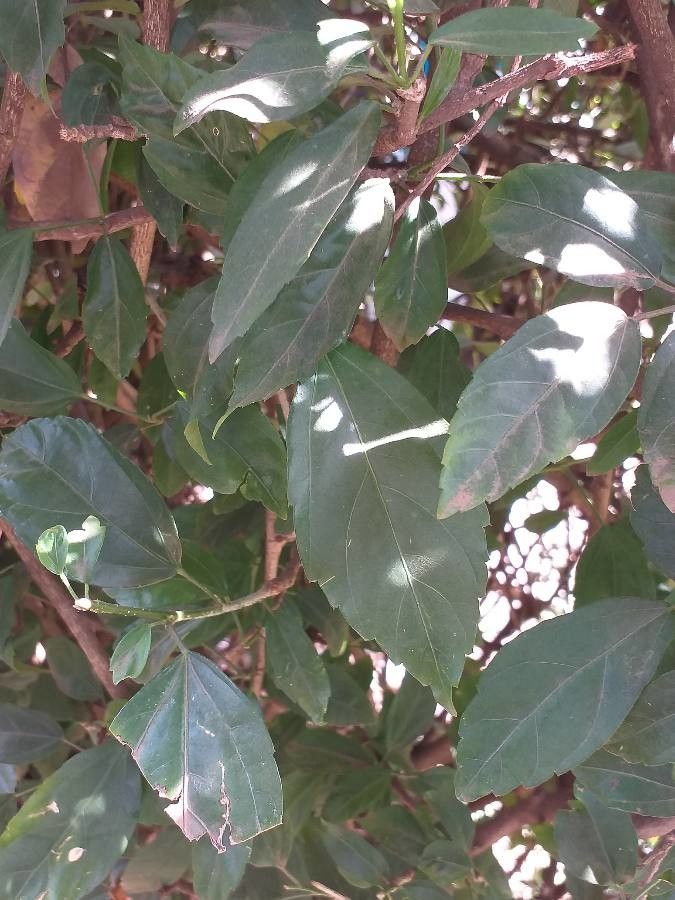
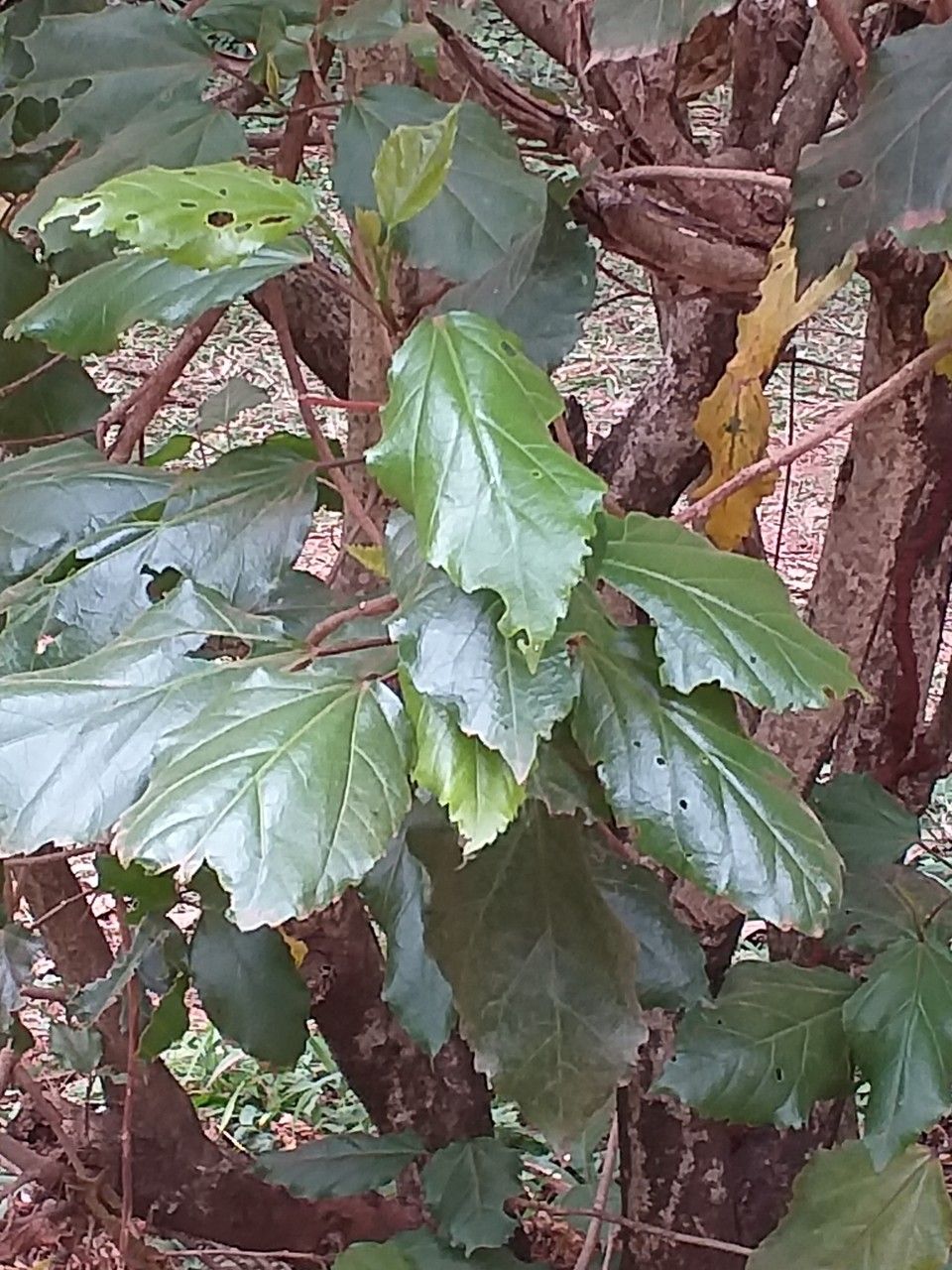
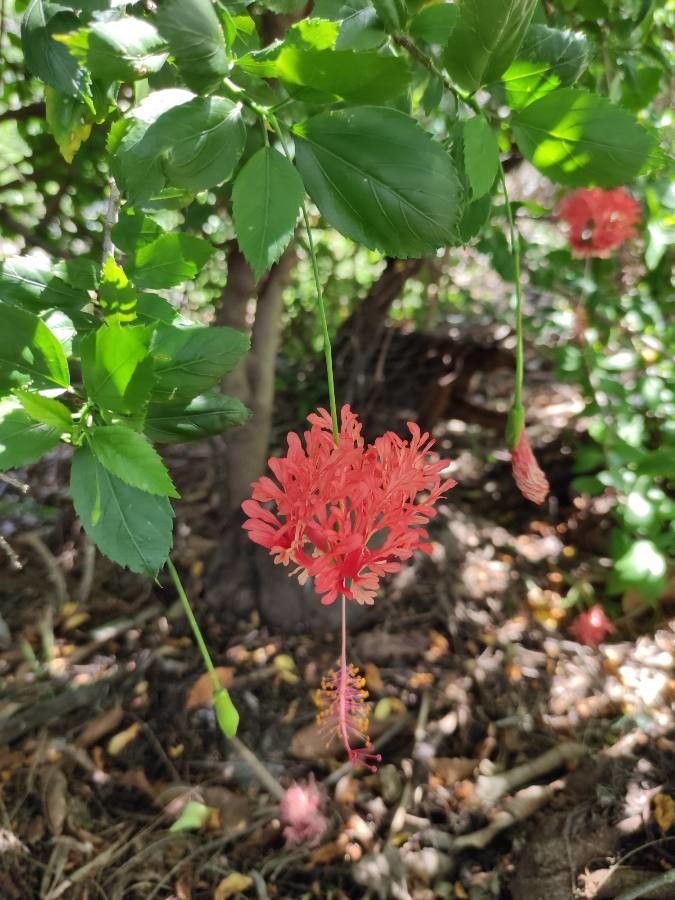
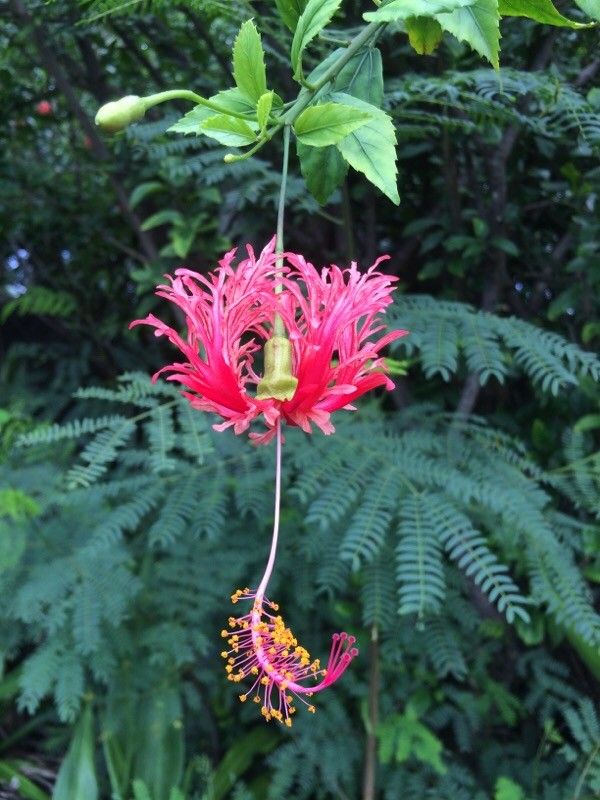
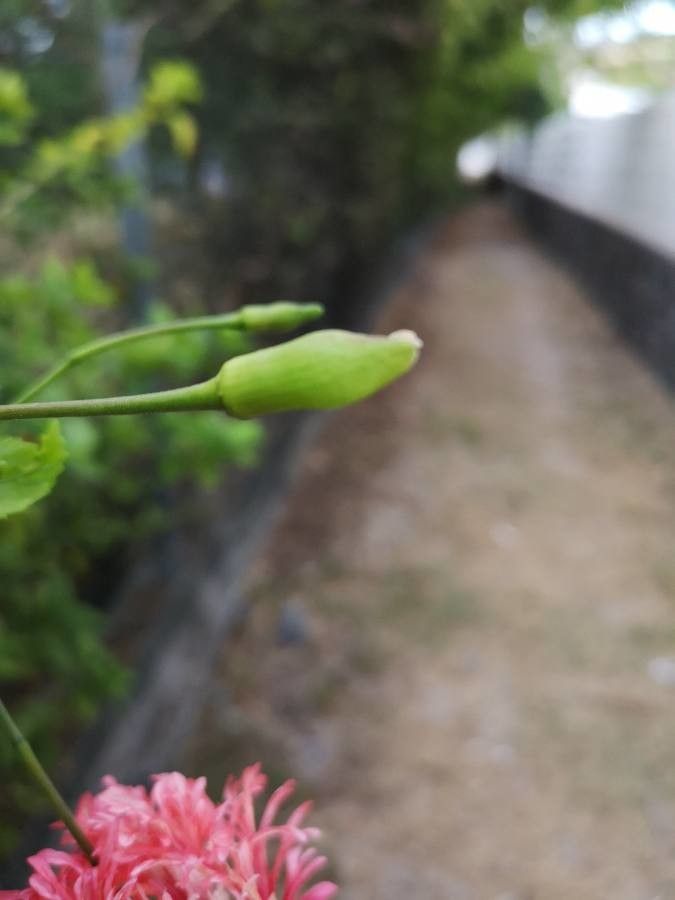
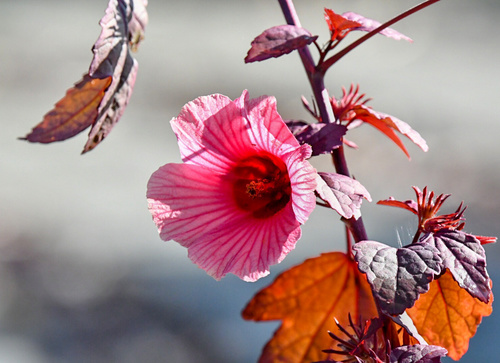
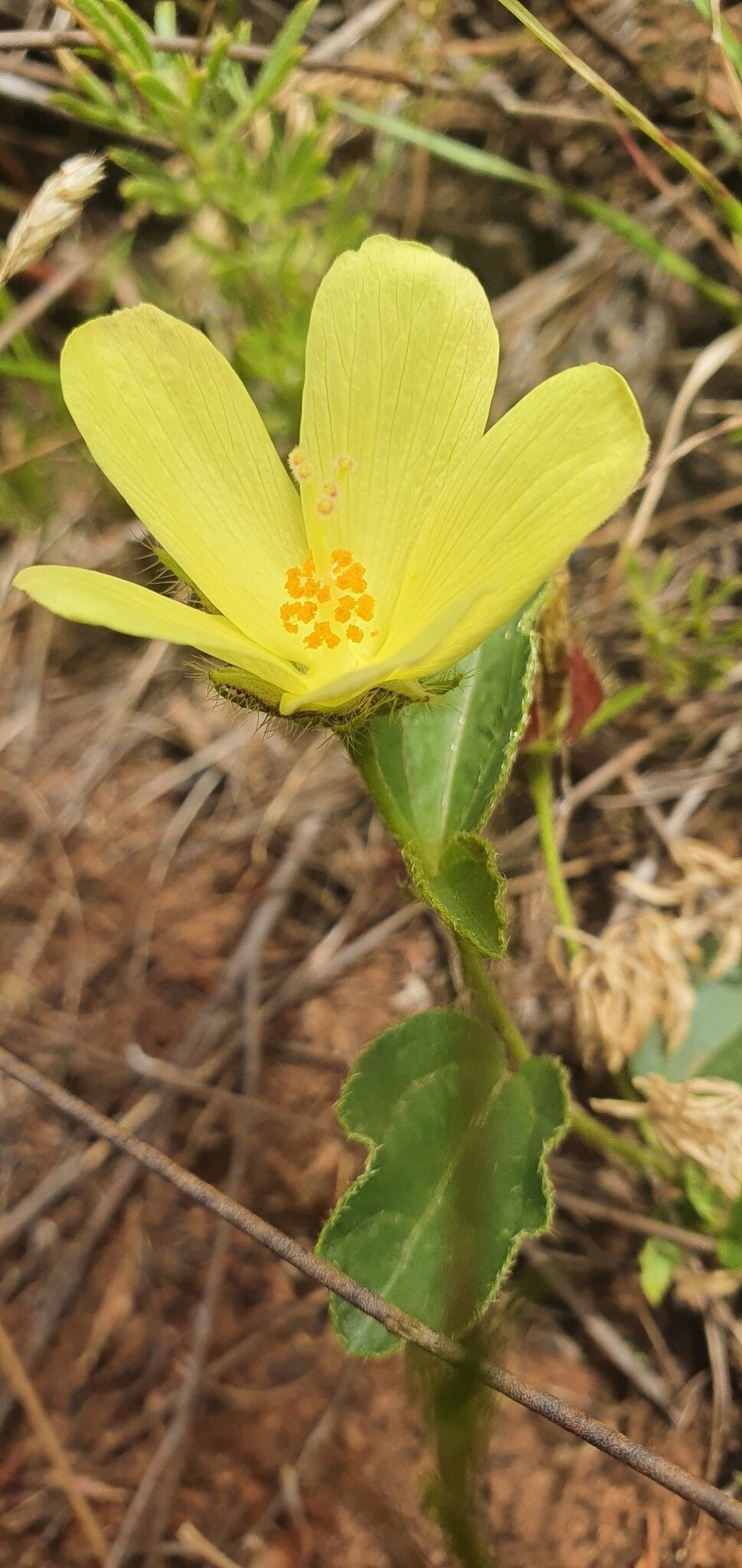
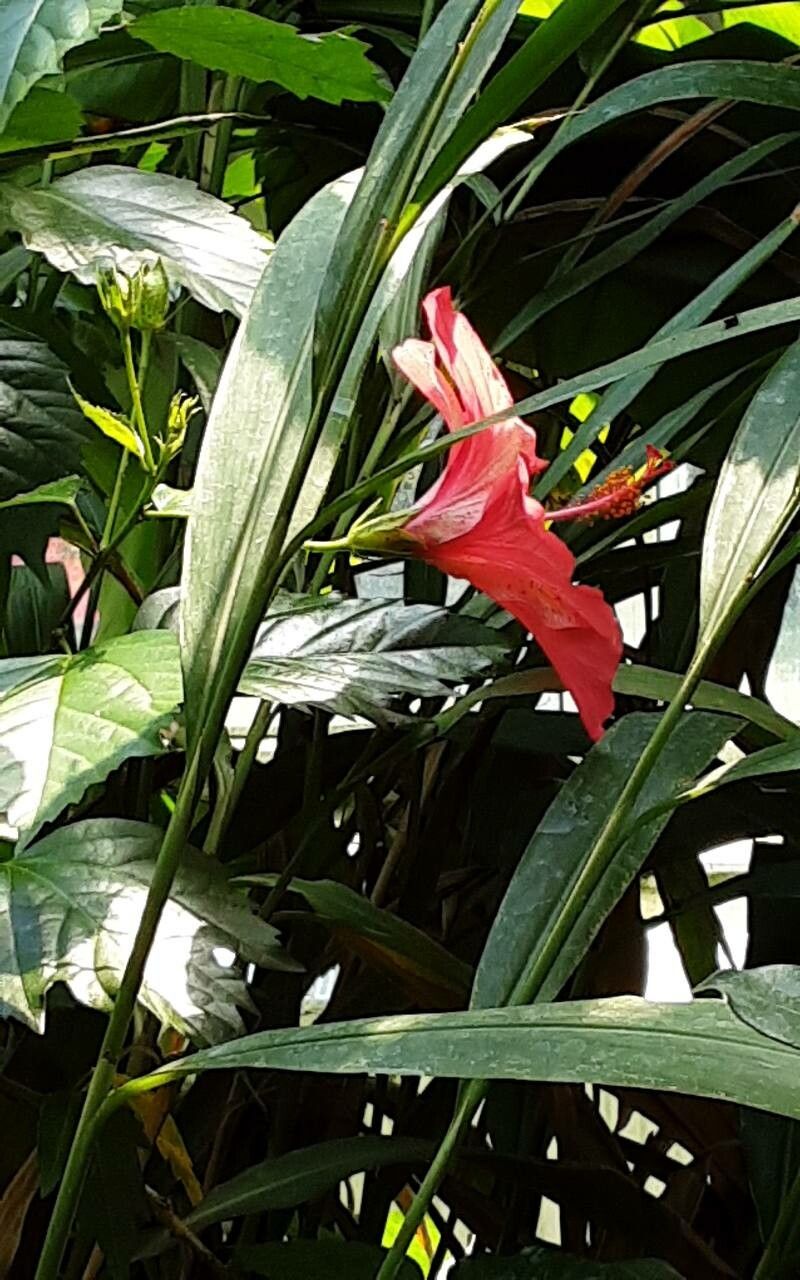
Hibiscus schizopetalus is a species of Hibiscus native to tropical eastern Africa in Kenya, Tanzania and Mozambique. Its common names include fringed rosemallow, Japanese lantern, coral hibiscus, and spider hibiscus.
Spider hibiscus has strong resistance to disease and is typically not prone to illnesses. Still, it can be affected by pests and diseases present in its environment, though these problems are generally mild. As for care, this plant needs a moderate amount of attention. It should be pruned regularly to preserve a neat appearance and encourage healthy growth. Applying fertilizer can also help stimulate blooming. Spider hibiscus is well suited for anyone with outdoor space, such as a garden or patio, and does not demand extensive gardening experience. It may need more attention if kept indoors.
How to keep Hibiscus Schizopetalus.
Light
Spider hibiscus prefers locations where it gets strong sunlight throughout the day. It can tolerate periods of partial shade, but too much shade can slow its growth and make the foliage pale. It originates from environments with abundant sun exposure, and excessive sunlight can cause leaf scorch.
Water
The spider hibiscus flourishes best in environments with high humidity and consistent moisture. To support its lush foliage and vibrant blooms, it requires weekly watering. As an evergreen plant, the spider hibiscus keeps its leaves throughout the year. During hot weather or when grown in containers, it needs more frequent watering to stay healthy.
Temperature
Spider hibiscus originates from warm, tropical areas and therefore prefers temperatures between 68 and 100 °F (20 to 38 °C). Cooler conditions can impede its growth. Temperatures should be adjusted to account for seasonal changes.
Fertilizer
Correct fertilization is vital for the health and appearance of the Spider hibiscus. Fertilize the Spider hibiscus in summer, repeating the application monthly throughout the season. Nutrients fuel growth and preserve the plant’s parts. Fertilization improves the Spider hibiscus’s flower display, ensuring the best blooms.
Pruning
To help your Spider Hibiscus thrive, prune it regularly from late winter to early spring. Remove any dead wood and thin out crowded branches to enhance air circulation. This practice not only boosts flowering but also promotes better plant health, ensuring a vibrant display during the blooming season.
Pot & Repot
Repot mature spider hibiscus every 2-3 years in early spring. Use a pot that is 2 inches (5 cm) larger in diameter than the previous one. After repotting, make sure the plant receives bright, indirect light and keep the soil consistently moist to aid in its recovery and growth.
Botanical profile.
- Plant Type
- Herb, Shrub
- Life Cycle
- Perennial
- Genus
- Hibiscus
- Family
- Malvaceae
- Hardiness Zone
- 10-11
- Mature Height
- 3.05 m
- Mature Spread
- 1.52 m to 1.83 m
- Leaf Color
- Green
- Leaf Type
- Evergreen
- Flower Color
- Red, Pink
- Flower Size
- 1.52 cm to 3.56 cm
- Bloom Time
- All year round
- Planting Time
- Spring
- Harvest Time
- All year round
- Native Area
- Kenya, Tanzania
Other names.
Reader questions.
How should I water my Spider hibiscus plant?
To ensure the health of your Spider hibiscus, follow these watering tips: Use filtered water at room temperature or slightly warmer, as tap water may contain harmful particles. The Spider hibiscus prefers warm conditions, so cold water could be a shock. Instead of overhead watering, apply filtered room temperature water directly to the soil until it is fully soaked. This benefits the plant by hydrating the roots and aiding their nutrient absorption.
Why should I put plant food on my Spider hibiscus?
Fertilizer and soil nutrients are like fuel for your Spider hibiscus. They help it grow and stay healthy. Plants use nutrients from the soil to make new plant material and keep their existing parts in good shape. For the Spider hibiscus, fertilization is particularly important if you want to see the best flowers. Since the flowers are what make this plant attractive, most gardeners will want to make sure they are as beautiful as possible. Fertilization is one of the most effective ways to help your Spider hibiscus produce its best blooms.
What are the sunlight requirements for Spider Hibiscus?
Spider Hibiscus requires full sun to thrive, meaning it should receive above 6 hours of sunlight daily. It can tolerate partial sun, about 3-6 hours of sunlight, but too much shade can stunt its growth and result in pale foliage. It's important to observe how sunlight moves through your garden, choosing spots that provide a balance of light and shade to ensure the plant's happiness.
What is the best temperature for Spider hibiscus?
To help your tropical plants thrive, it's best to maintain a temperature range of 75℉ to 90℉ (25-32℃). While different species can tolerate temperatures outside this range, sticking within a few degrees of these limits will ensure optimal growth. However, there are extreme temperature limits to be aware of. Anything below 50℉ (10℃) or above 95℉ (35℃) can hinder growth and cause issues with the leaves and stems. Low temperatures are particularly damaging, as even a light frost can lead to the death of your tropical plants. In fact, cellular death can occur rapidly, with some species dying within 12 to 24 hours.
What should I do if I give my Spider hibiscus too much or too little water?
Overwatering and underwatering can harm your Spider hibiscus, but overwatering is more common. Too much water can cause wilting and yellowing of the stems and leaves. It can also lead to diseases like root rot, mold, and mildew, which can be fatal for your plant. Underwatering is less likely, as this plant can tolerate drought well. But it is still possible, and when it happens, the leaves may become brittle and brown. It's important to recognize signs of overwatering early. Diseases like root rot may become irreversible if you wait too long. If you notice signs of overwatering, reduce watering immediately and check the soil drainage. Replace poorly draining soil with a loose, well-draining potting mix. On the other hand, if your Spider hibiscus shows signs of not getting enough water, simply increase your watering frequency until the signs disappear.
When should I add fertilizer to my Spider hibiscus plant?
The Spider hibiscus goes through two main phases each year. The dormant phase occurs during the winter, during which minimal new growth occurs. The other phase is the active growth phase, which happens in spring and fall. This is when your Spider hibiscus requires the most fertilization. It is recommended to start fertilizing your Spider hibiscus in the spring and continue doing so about once per month throughout the rest of the spring and most of the summer. As fall approaches, you can decrease the rate of fertilization.
How should I care for my Spider Hibiscus with artificial lighting?
If natural sunlight is insufficient, especially during winter or in less sunny spaces, artificial lighting can be a great solution for Spider Hibiscus. Opt for LED lights, as they can provide the specific wavelengths needed by plants. Full sun plants require 30-50W per square foot, partial sun plants need 20-30W per square foot, and full shade plants need 10-20W per square foot of artificial light. Ensure the light source is placed 12-36 inches above the plant to mimic natural sunlight and adjust the duration to mimic natural daylight hours, usually 8-12 hours per day.
Does Spider hibiscus need different temperatures at different stages of growth?
Spider hibiscus does not need changes in temperature to transition to different growing phases, but it is important to maintain consistency. Fluctuating temperatures can slow down its growth regardless of its current phase, so it is best to keep the plant in a controlled environment. The optimal temperature range for spider hibiscus is between 75℉ and 90℉ (25-32℃), with staying above the lower limit being especially crucial. While temperatures above 90℉ (32℃) are not ideal, the plant, being tropical, can handle them to some extent. However, temperatures below 50℉ (10℃) (and especially 40℉/5℃) can directly harm this heat-loving plant species.
How frequently do I need to water my Spider hibiscus?
If your Spider hibiscus is in a pot, you can check if it needs water by sticking your finger into the soil. If the top two to three inches of soil are dry, it's time to water it. The same method can be used if you have the Spider hibiscus planted outdoors in the ground. In the spring and early fall, you'll typically need to water it once a week using this method. When it's very hot, watering may need to be done twice or more per week. However, it's important to note that mature Spider hibiscus plants can handle dry conditions well.
When is it not a good idea to put fertilizer on my Spider hibiscus?
To support Spider hibiscus growth without causing root burn, it's important to adjust your fertilizing schedule. Spring and summer are the active growth periods when extra nutrients are needed. However, in the fall and winter when the plant enters its dormancy stage, it's best to stop fertilizing.
What are the signs of inadequate lighting for Spider Hibiscus?
Inadequate lighting can lead to several issues for Spider Hibiscus, including smaller new leaves, leggy or sparse growth, faster leaf drop, slower or no new growth, lighter-colored new leaves, chlorosis (leaves turning yellow), sunscald (damaged areas on leaves or stems from intense sunlight), leaf curling (a defense mechanism against excessive sunlight), wilting (loss of turgor pressure), and leaf scorching (brown, dry, crispy leaves edges). These symptoms indicate that the plant needs more light for healthy growth.
Does the Spider hibiscus plant require different temperatures depending on the season?
Spider hibiscus is a plant that does not require different temperatures for different seasons. The key to taking care of it is to maintain an optimal temperature range in the environment. That is why it is recommended to keep this plant indoors, as it allows you to have control over the temperature regardless of the outside climate. When it comes to light, it is important to provide a partial side level of sun exposure for tropical species like the spider hibiscus. This means the light they receive should be dappled or filtered, with bright but indirect light being the best option when growing them indoors. Exposing the plant to too much direct sunlight can harm its leaves and hinder its growth potential.