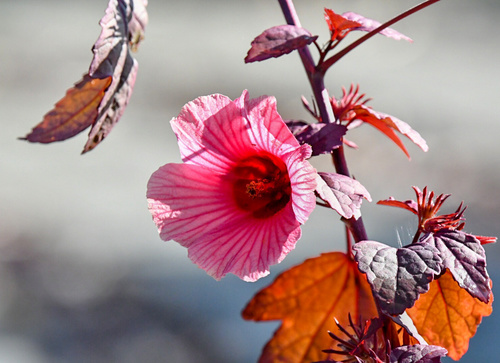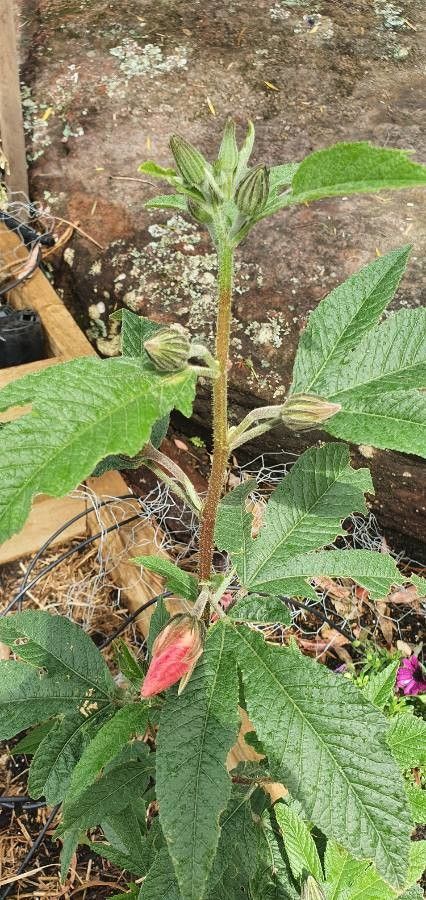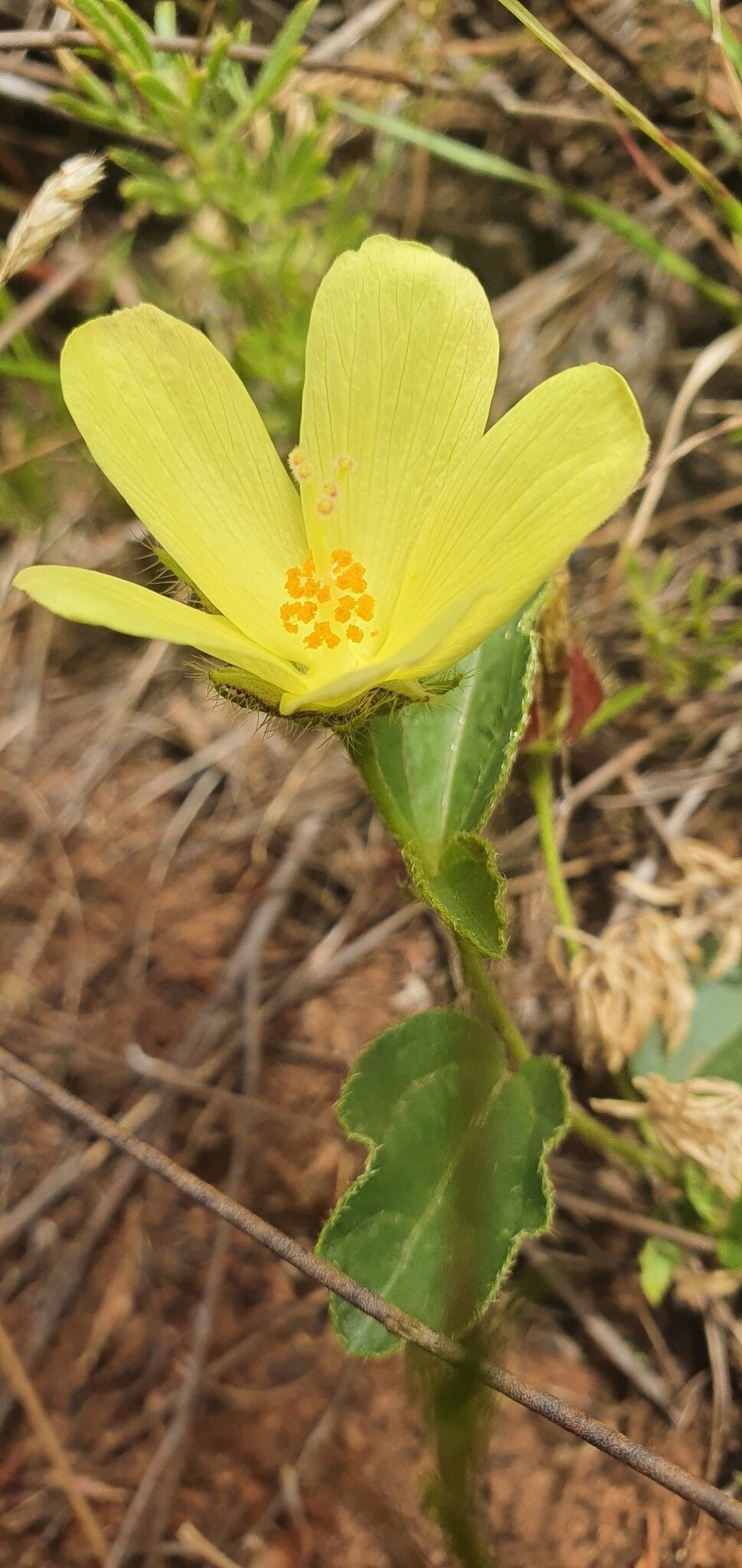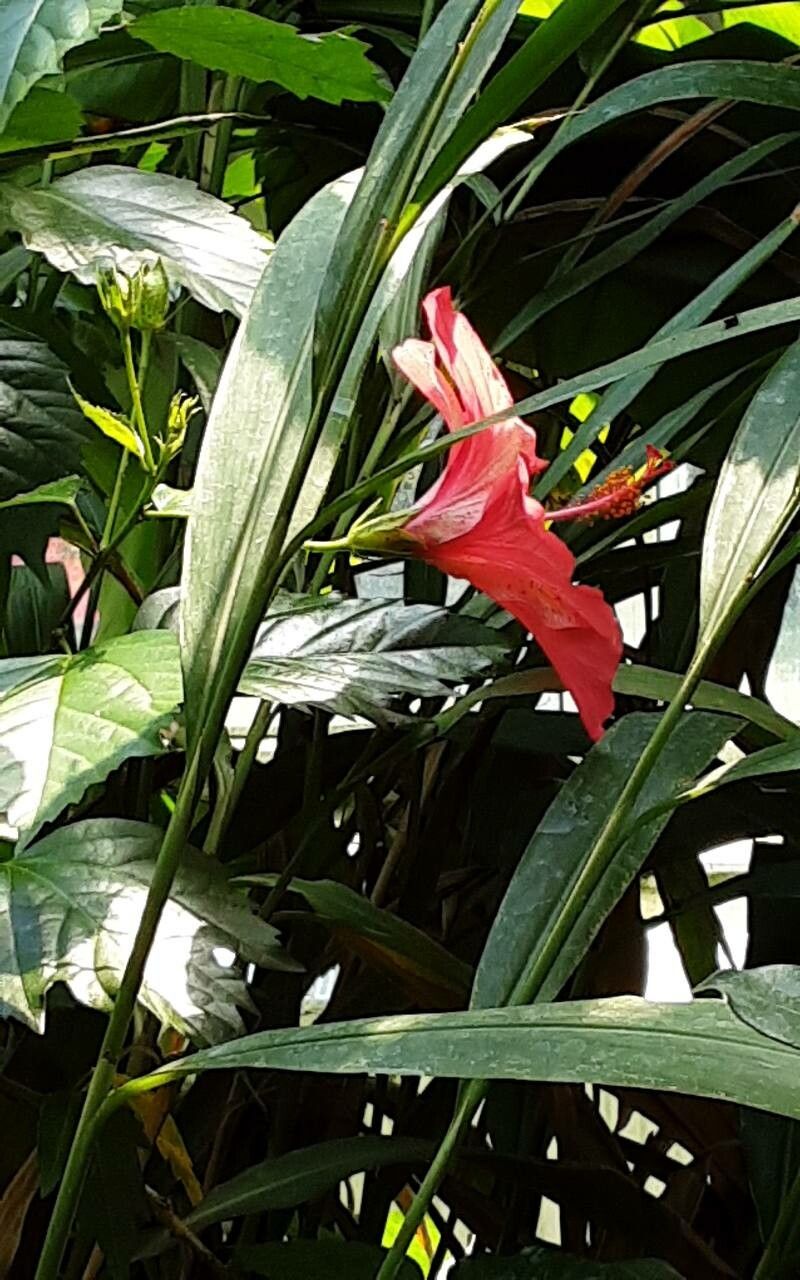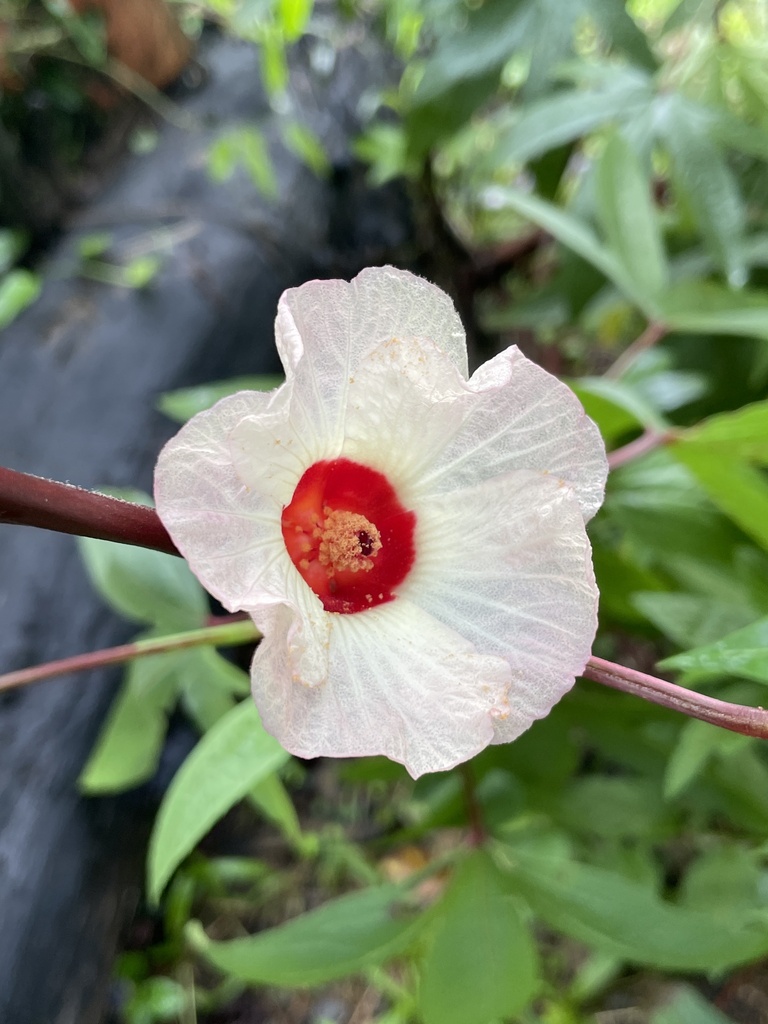
Roselle (Hibiscus sabdariffa) is a species of flowering plant in the genus Hibiscus that is native to Africa, most likely West Africa. In the 16th and early 17th centuries it was spread to the West Indies and Asia, respectively, where it has since become naturalized in many places. The stems are used for the production of bast fibre and the dried cranberry-tasting calyces are commonly steeped to make a popular infusion known as carcade.
Roselle is fairly disease-resistant and is usually not prone to illnesses. Still, it can be vulnerable to pests and diseases present in its surroundings. Such infections are typically mild. As for care, this plant requires moderate maintenance. Regular pruning is needed to keep a neat appearance and support healthy growth. Fertilizing can also help encourage flowering. Roselle is well suited to anyone with outdoor space, such as a garden or patio, and does not demand extensive gardening experience. It may need more attention when grown indoors.
How to keep Hibiscus Sabdariffa.
Light
Roselle performs best when it receives full sun each day, although it can still grow with only moderate exposure. Native to sun-rich habitats, its growth can be hindered by either too little or too much light.
Water
Roselle grows best in tropical regions with high humidity and needs to be watered regularly, about once a week. As an herbaceous plant, it benefits from natural rainfall during its growing season, which helps ensure optimal growth and hydration.
Humidity
This plant will thrive in moderate humidity, which is probably the level in your home. However, misting it a few times a week can be very beneficial. Make sure the room has good ventilation.
Temperature
Roselle originates from environments where temperatures typically range from 68 to 100 °F (20 to 38 ℃). It performs best in warm to hot climates. During colder months, you may need to modify watering and relocate the plant to warmer areas.
Fertilizer
Roselle benefits from regular, dilute applications of fertilizer to encourage healthy leaf development. You should feed Roselle about once a month during the summer. Nitrogen is essential for foliage, and providing nitrogen-rich supplements helps Roselle thrive.
Pruning
Roselle, known for its edible calyces and vibrant red color, benefits from pruning between early and late spring to encourage bushier growth. To achieve this, remove any weak stems and pinch back new growth to promote better branching. Pruning not only enhances airflow and reduces the risk of disease but also improves yield. Make sure to use sterilized tools for this task.
Pot & Repot
When repotting Roselle, choose a pot that’s 1-2 inches (2.5–5.1 cm) larger in diameter and has good drainage. Use a well-draining potting mix, and consider adding perlite for extra drainage. Repot during spring or early summer, then water thoroughly and place it in a shady location at first.
Toxicity
Did you know that the roselle plant's young leaves and fragile shoots can be eaten? They can be consumed fresh in salads or prepared as greens and eaten alone, with other leafy vegetables, or even with meat. The roselle plant's stems also produce a fiber that can be used to make burlap instead of jute.
Further reading →
The toxicity and danger assessments provided are for reference only. We do not assure their accuracy, so it's crucial not to depend on them. Seek professional advice when necessary for accurate guidance.
Botanical profile.
- Plant Type
- Herb
- Life Cycle
- Annual, Perennial, Biennial
- Genus
- Hibiscus
- Family
- Malvaceae
- Hardiness Zone
- 8-11
- Mature Height
- 1.52 m to 2.13 m
- Mature Spread
- 1.22 m to 1.83 m
- Leaf Color
- Green, Red
- Leaf Type
- Evergreen
- Flower Color
- White
- Flower Size
- 6.35 cm to 6.35 cm
- Bloom Time
- Early summer, Mid summer
- Planting Time
- Spring, Summer
- Harvest Time
- Mid summer, Late summer, Early fall
- Native Area
- West Africa
Other names.
Reader questions.
How should I water my Roselle plant?
There are several options for watering Roselle, such as using a garden hose with a spray nozzle or a watering can. Roselle is not particular about the type of water it receives and can thrive with rainwater, tap water, or filtered water. It is best to avoid overhead watering as it can harm the leaves and flowers and potentially cause diseases. Setting up a drip irrigation system is often the most effective method for watering Roselle, as it ensures even and direct distribution to the soil. For Roselle plants grown in containers, a similar approach can be used. Using a cup, watering can, or tap, water can be applied directly to the soil.
Why should I put fertilizer on my Roselle plant?
Plants require nutrients to grow, but not all plants need extra fertilizer. Roselle plants, like others, need nutrients for growth and internal processes. The main nutrients for plants (nitrogen, phosphorus, and potassium) each contribute to essential plant functions. Nitrogen is especially important for foliage growth. However, Roselle plants may struggle to obtain enough nitrogen from the soil alone. Therefore, many gardeners choose to provide additional nitrogen through fertilizer for their Roselle plants.
What are the sunlight requirements for Roselle plants?
Roselle plants thrive best in full sun conditions, requiring more than 6 hours of sunlight daily, but they can also grow adequately with about 3-6 hours of partial sun. It's vital to observe the movement of sunlight through your garden to find spots that offer the ideal mix of light and shade, optimizing the health and growth of your plants. Roselle, being native to sun-rich environments, might not grow as expected if it receives too little or excessive sunlight.
What is the native climate for Roselle?
Roselle, also known by its botanical name Hibiscus sabdariffa, is native to environments where the temperatures typically range between 68 to 100 °F (20 to 38 °C). It flourishes in mild to hot climates. During colder months, it may be necessary to adjust watering practices and possibly relocate Roselle to warmer areas to ensure its survival.
What should I do if I give too much water or not enough water to my Roselle?
To fix underwatering Roselle, simply water it more regularly when you notice it lacks moisture. Overwatering is a bigger issue because it can lead to diseases and the death of your Roselle. To prevent this, choose a sunny spot with good drainage. If your potted Roselle is overwatered, consider changing to a new pot with loose soil and efficient drainage.
When should I fertilize my Roselle plant?
To help Roselle plants thrive, it is recommended to apply fertilizer approximately once a month during the active growth period in spring and summer. However, fertilization is unnecessary during fall and winter when the plant is less active and requires fewer nutrients. Look for signs of new growth as an indication to start fertilizing. Regardless of whether Roselle is grown outdoors or in a container indoors, the fertilization schedule remains the same. If the plant is in a container, it may not need fertilizer for the first few months since the potting soil already contains sufficient nutrients. Only begin fertilizing once the plant has been in the same soil for a significant period of time.
How can artificial lighting be utilized for indoor Roselle plants?
For indoor Roselle plants where natural sunlight is insufficient, especially during winter or in less sunny locations, artificial lighting is a beneficial alternative to support plant growth. LED lights are recommended due to their capability to provide specific light wavelengths needed by plants. For full sun plants, 30-50W/sq ft of light is ideal, 20-30W/sq ft is suitable for partial sun plants, and 10-20W/sq ft for full shade plants. The light source should be positioned 12-36 inches above the plant to mimic natural sunlight, and most plants require 8-12 hours of light per day.
Can Roselle tolerate cold temperatures?
Roselle has some degree of cold tolerance and generally doesn't require special measures when temperatures are above 0°C. However, if temperatures are expected to drop below 0°C, temporary protective measures should be taken, such as wrapping the plant with materials like plastic film or fabric to shield it from the cold. Once temperatures rise again, these protective wraps should be removed to prevent any potential damage.
How often do I need to water my Roselle?
To keep your Roselle plant healthy, it needs water consistently throughout the growing season. In the beginning of spring, watering once a week is sufficient. As the season progresses and temperatures increase, it may be necessary to water two to three times a week, but be careful not to overwater, as this can harm the plant. Regardless of the watering frequency, it's important to keep the soil consistently moist, but not wet. When watering a potted Roselle plant, keep in mind that the soil in pots dries out faster than ground soil, so watering a few times per week is usually necessary compared to just once a week for plants in the ground.
When should I not put fertilizer on my Roselle?
To ensure the well-being of your Roselle plant, avoid fertilizing if it is unhealthy due to disease or insect infestation. Additionally, refrain from fertilizing a dehydrated plant as it can exacerbate the issue. Only apply fertilizer to healthy plants. When watering, be cautious not to splash fertilizer onto the leaves or stem, as this can cause burn marks. Unless you are using a specialized foliage fertilizer, make sure the fertilizer does not directly touch the plant.
What are common symptoms of light deficiency or excess in Roselle plants?
Symptoms of insufficient light in Roselle plants include smaller new leaves, leggy or sparse growth, faster leaf drop, slowed or ceased growth, and paler new leaves, indicating a lack of chlorophyll and essential nutrients. Excessive sunlight could lead to chlorosis (yellowing leaves), sunscald (pale or damaged areas on leaves/stems), leaf curling (to minimize water loss), wilting (loss of leaf and stem firmness), and leaf scorching (brown, dry edges on leaves). These symptoms demonstrate the plant's struggle with adverse light conditions.
How should Roselle be cared for in low temperatures?
Roselle has a moderate tolerance to low temperatures and thrives best when kept above 20°C. To prevent damage during winter or when temperatures fall below -10°C and leaves begin to droop or wilt, it's advised to trim off frost-damaged parts of the plant. To further protect Roselle from low temperatures, wrap it with non-woven fabric or cloth, and erect a wind barrier to shield it from cold winds.