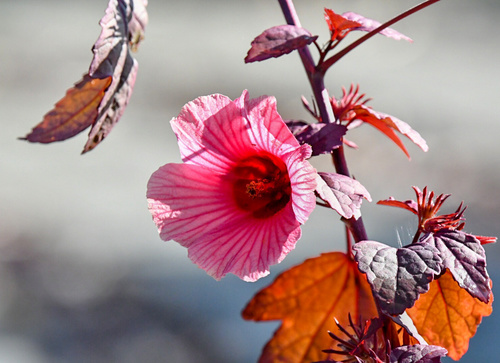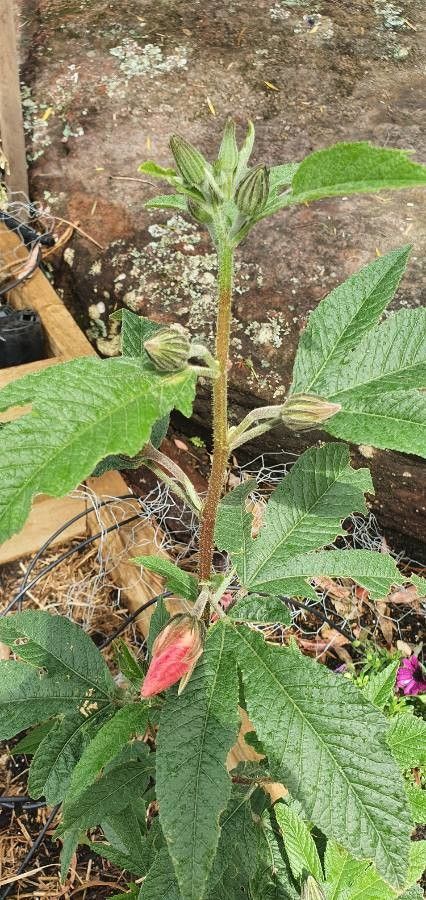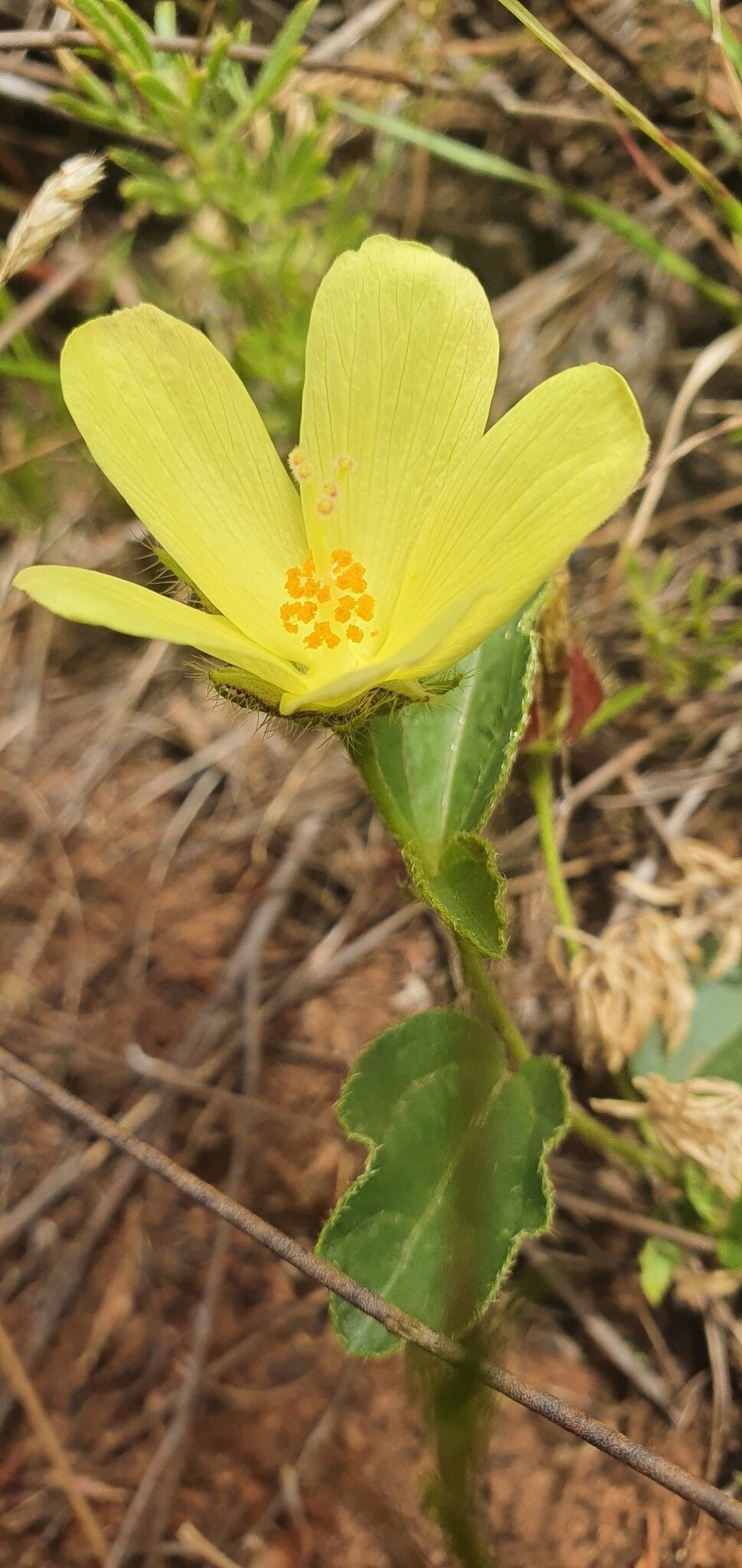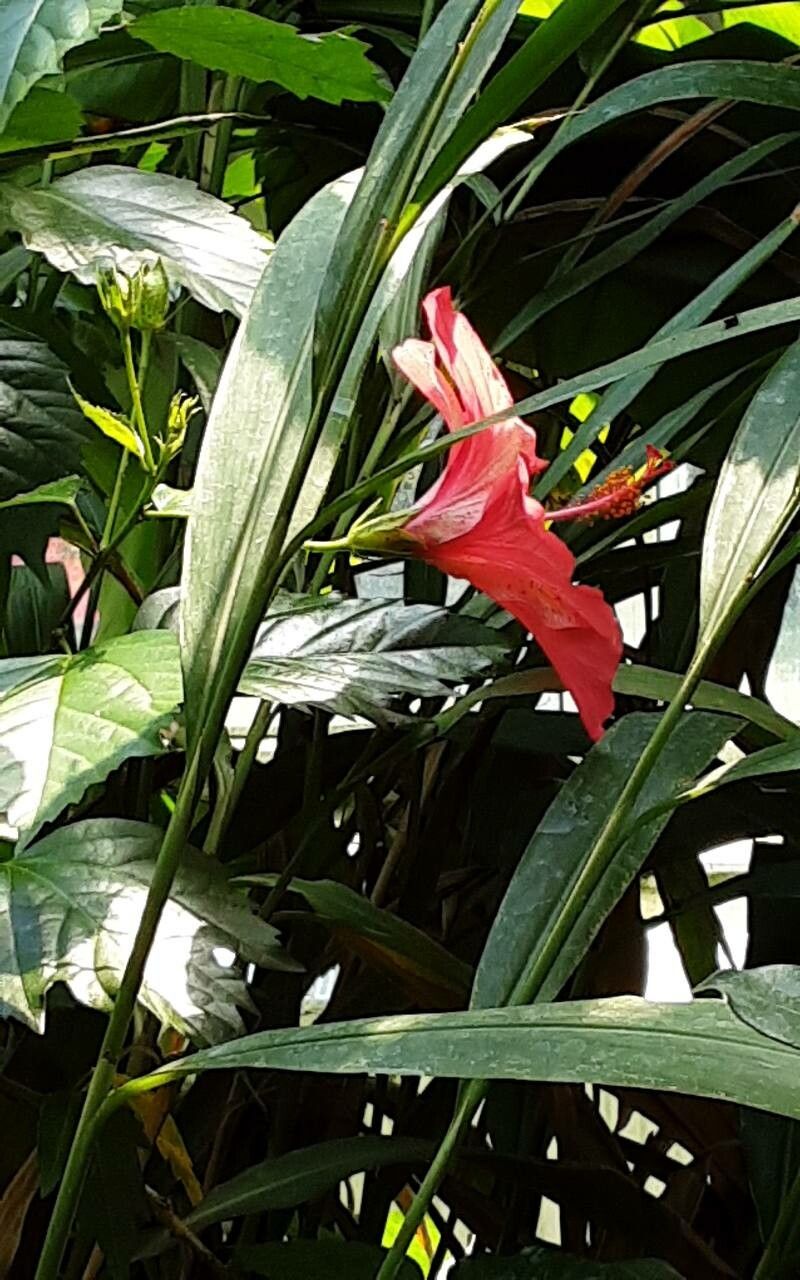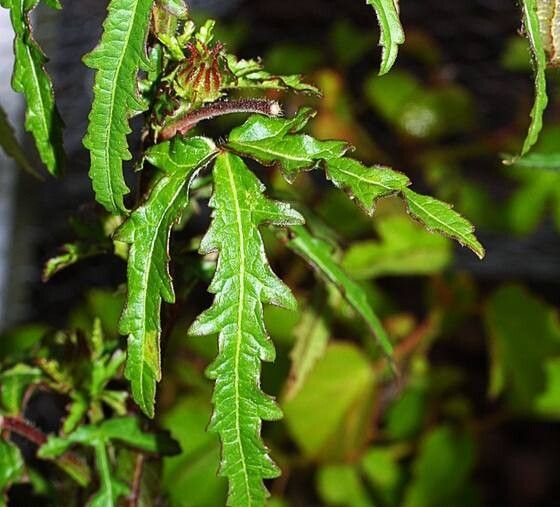
Hibiscus richardsonii, commonly known as puarangi in New Zealand, is a species of flowering plant, a hibiscus, in the mallow family, Malvaceae. It is rare in New Zealand, and more commonly seen in eastern New South Wales in Australia. The species was named in honour of the plant collector and convict, John Richardson.
Flower-of-an-hour has strong disease resistance and is generally unlikely to develop illnesses. However, it can be vulnerable to pests and diseases present in its environment. Those infections are generally mild. For care, this plant requires moderate maintenance. It needs regular pruning to preserve a good appearance and healthy growth. Fertilizing can also help encourage flowering. Flower-of-an-hour is suitable for anyone with outdoor space, such as a garden or patio, and does not demand extensive plant-care experience. It may need extra attention when grown indoors.
How to keep Hibiscus Richardsonii.
Light
The flower-of-an-hour thrives in abundant light, reflecting its native environment which is bathed in plentiful sunlight. Adequate light exposure aids the plant in thriving, leading to robust growth and bright, vivid flowers. While it's able to survive in less sunlit locations, a scarcity of light can inhibit its complete growth and blossom capability, resulting in a dwarfed plant and less remarkable flowers.
Temperature
The plant known as Flower-of-an-hour thrives best in a climate where the temperature ranges from 68 to 100 °F (20 to 38 ℃). For the plant's growth to reach its maximum potential, it's highly advisable to keep this temperature consistent throughout the year.
Fertilizer
The Flower-of-an-hour plant can prosper from regular, mild applications of fertilizer to encourage the development of robust leaves. Roughly every month during the summer period, it's suggested to fertilize Flower-of-an-hour. Nitrogen plays a key role in leaf growth, and providing added nitrogen-intensive sources contributes positively to the flourishing of Flower-of-an-hour.
Pot & Repot
While transplanting the Flower-of-an-hour, choose a container that's 1-2 inches (2.5–5 cm) wider in diameter, with adequate drainage provision. Opt for a potting mixture that drains well, and think about incorporating perlite to boost drainage further. Carry out the repotting process in the spring or early summer, water it sufficiently, and keep it in a location with partial shade initially.
Botanical profile.
- Plant Type
- Herb
- Life Cycle
- Annual, Perennial, Biennial
- Genus
- Hibiscus
- Family
- Malvaceae
- Hardiness Zone
- 6-11
- Mature Height
- 25 cm to 61 cm
- Mature Spread
- 30 cm
- Leaf Color
- Green
- Leaf Type
- Deciduous
- Flower Color
- White, Yellow
- Flower Size
- 2.03 cm to 3.05 cm
- Bloom Time
- Early summer, Mid summer
- Planting Time
- Spring
- Harvest Time
- Mid summer, Late summer
- Native Area
- Burkina Faso, Libya, Lesotho, Egypt, Turkey, India, Djibouti, Angola, Slovakia, Namibia, Madagascar, Montenegro, Pakistan, Eritrea, Slovenia, Morocco, Croatia, Yemen, Kenya, Uganda, Tanzania, Zimbabwe, Uzbekistan, Russia, Niger, Mali, Iraq, Belarus, Mozambique, Oman, Ethiopia, Romania, Botswana, Saudi Arabia, Tajikistan, Tunisia, South Africa, Zambia, Cyprus, Bulgaria, Armenia, Greece, Ukraine, Chad, Serbia, Lebanon, Afghanistan, Syria, Kyrgyzstan, Kazakhstan, Italy, Myanmar, Mongolia, Senegal, Eswatini, Iran, Azerbaijan, Algeria, Hungary, Albania, Turkmenistan