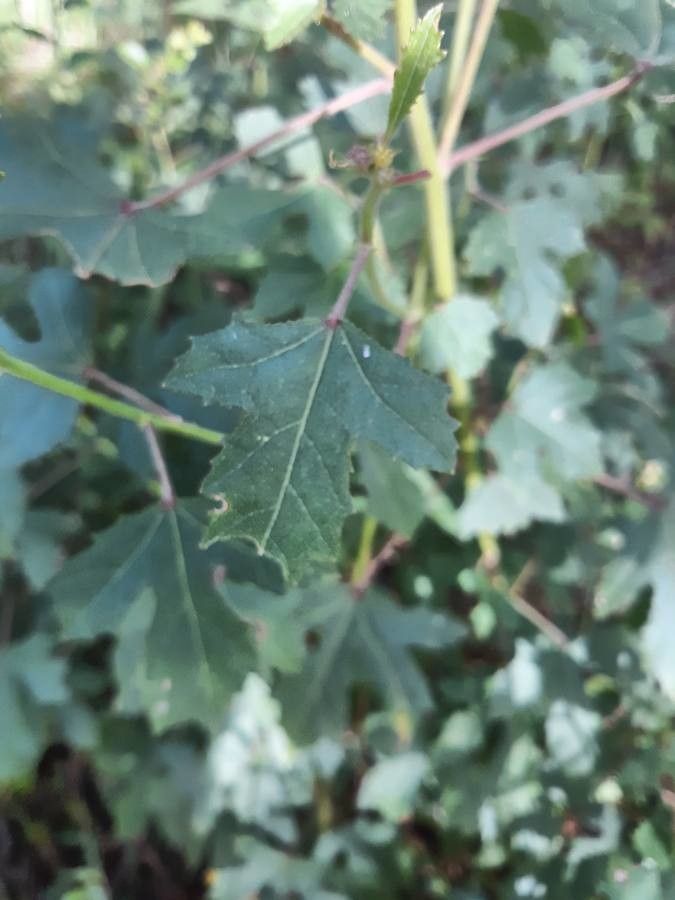
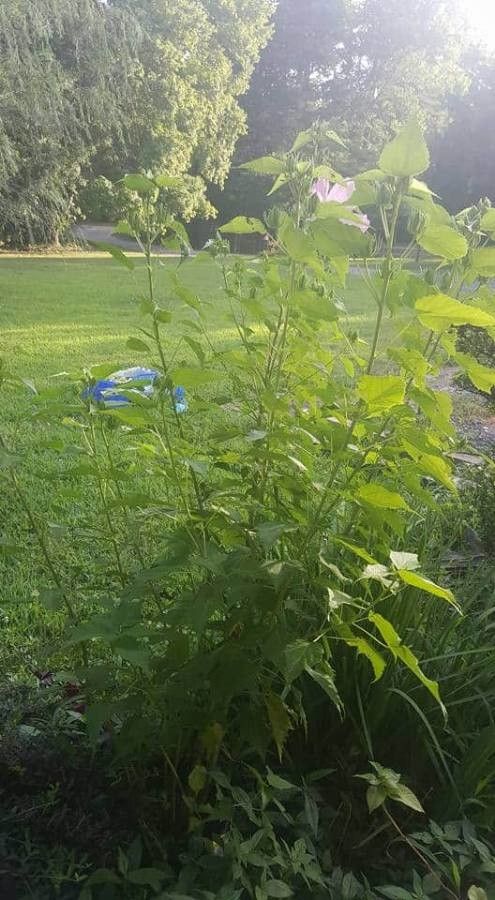
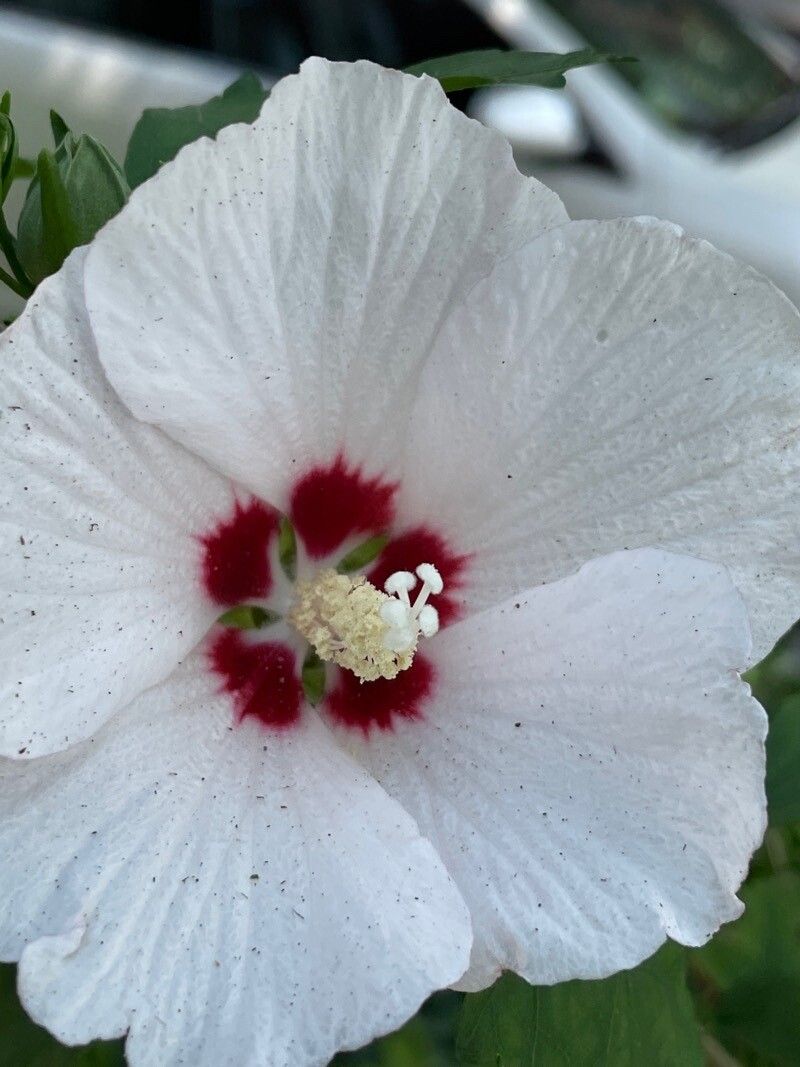
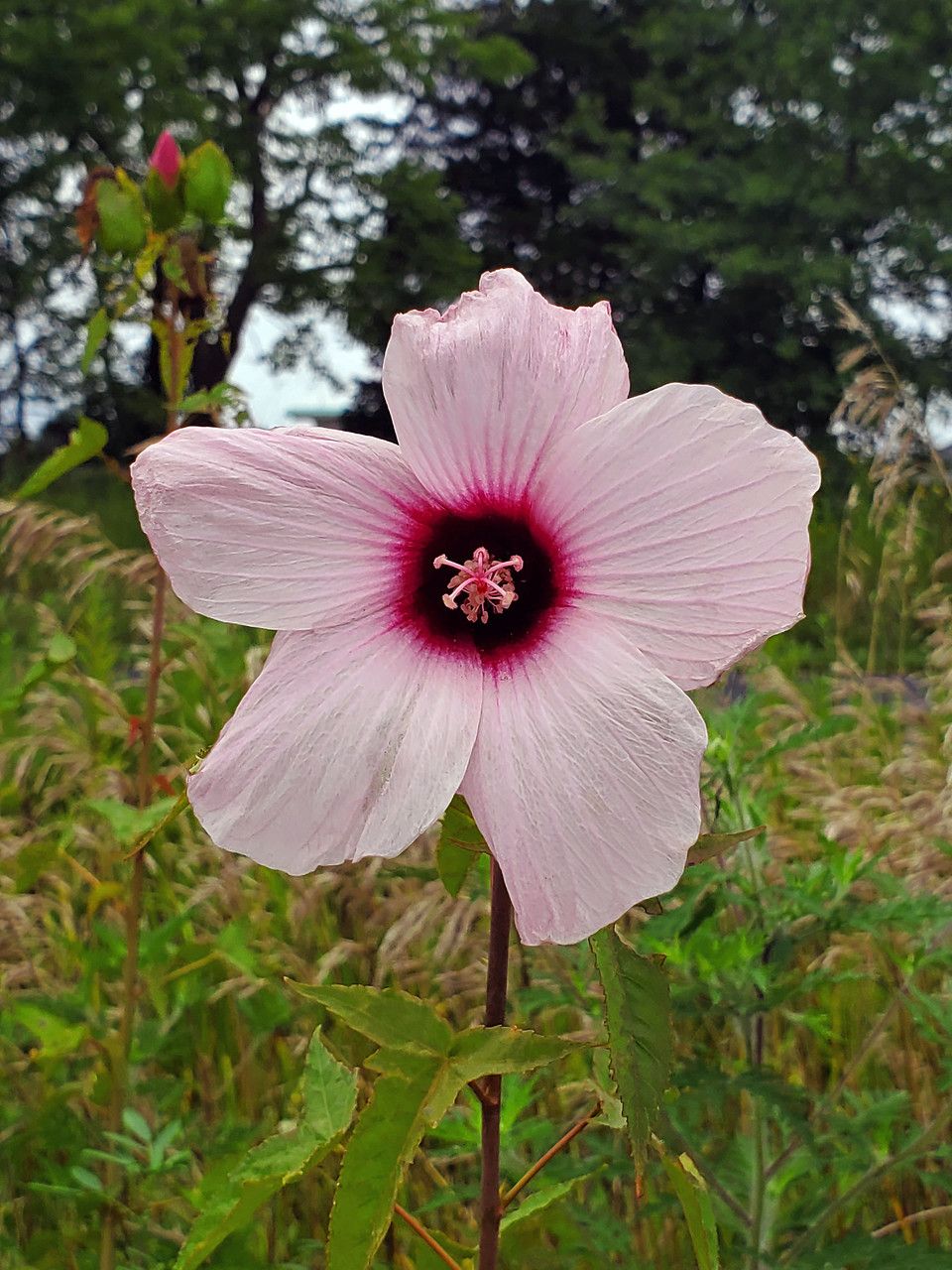
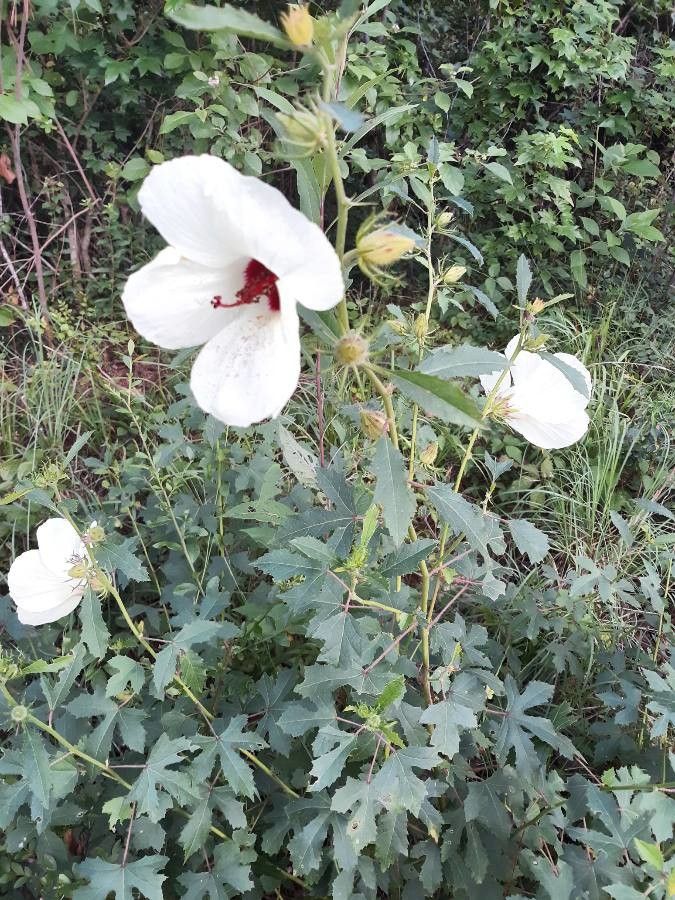
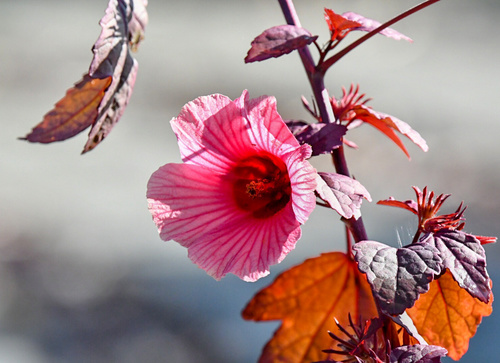
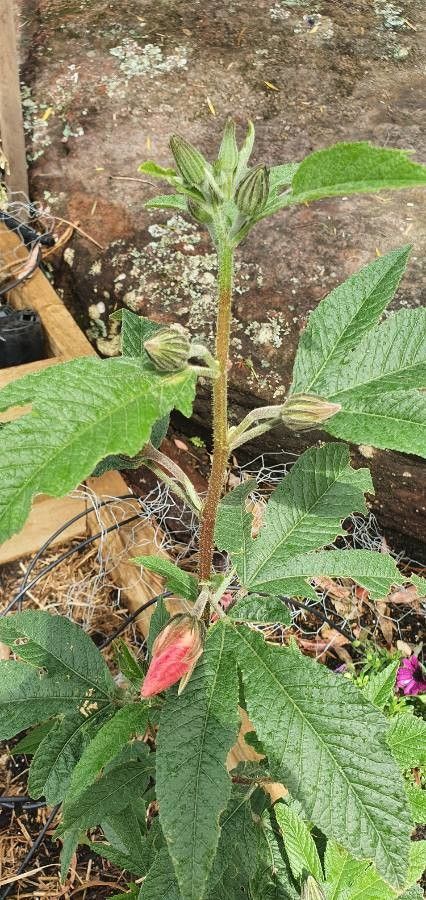
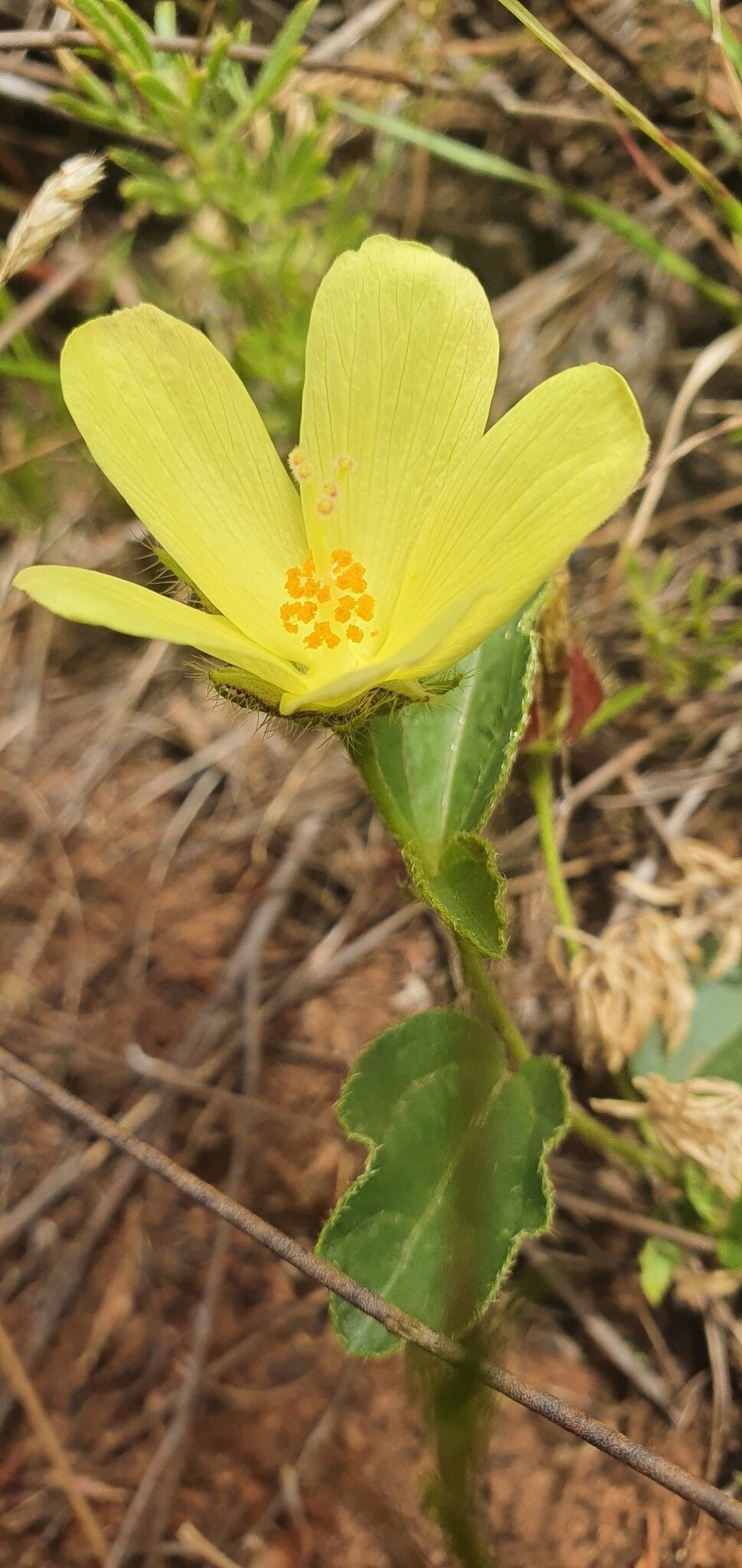
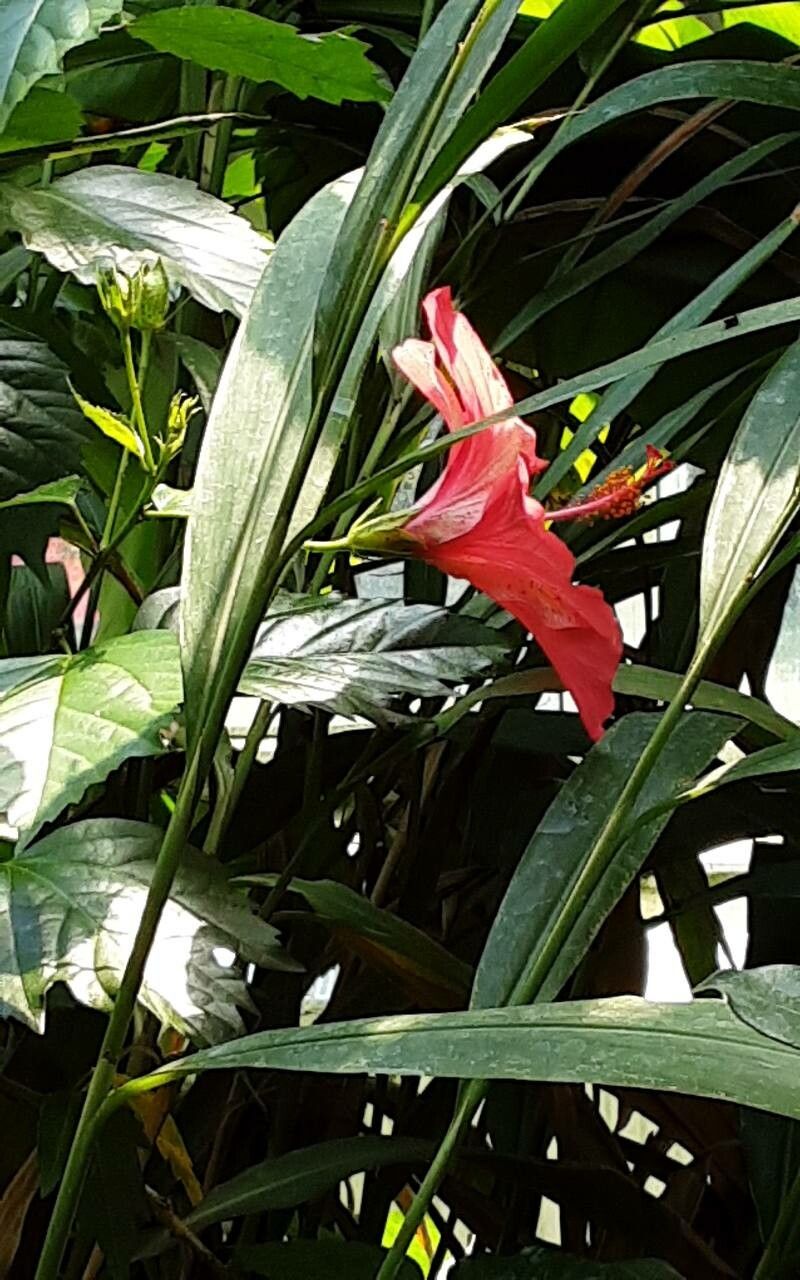
Hibiscus laevis, commonly known as the halberd-leaved rose mallow, is a perennial flowering plant in the Malvaceae family. Native to North America, it thrives in wetlands, marshes, and along riverbanks. The plant can reach heights of up to 6 feet and features large, halberd- or arrowhead-shaped leaves. The showy flowers of Hibiscus laevis are particularly attractive, with five petals that range in color from pink to white with a deep red center. Blooming from mid-summer through early fall, these flowers attract bees, butterflies, and hummingbirds. Hibiscus laevis is easy to cultivate in moist soil with full sun exposure, though it can also tolerate partial shade. It requires regular watering during dry periods but should not be overwatered, as this can lead to root rot. Historically, Native Americans have used the plant for medicinal purposes to treat ailments such as fever, coughs, and sore throats. The roots of Hibiscus laevis have also been used to make tea, believed to have diuretic properties. Overall, Hibiscus laevis is an attractive flowering plant that adds color and elegance to any setting. Its medicinal properties make it a fascinating addition to any garden or landscape project.
Halberd-leaf rosemallow is fairly disease-resistant and generally not prone to illnesses. However, it can be affected by pests and diseases present in its surroundings. These infections are typically not severe. In terms of care, this plant needs moderate maintenance. It should be pruned regularly to maintain a neat appearance and healthy growth. Fertilizing can also help promote flowering. Halberd-leaf rosemallow is suitable for anyone with outdoor space, such as a garden or patio, and does not demand extensive care experience. It may require more attention when grown indoors.
How to keep Hibiscus Laevis.
Light
The Halberd-leaf rosemallow thrives in locations with plenty of sun and adapts reasonably well to places with limited sunlight. Its robust health and flowering are a result of its original environment that was rich in sun exposure. The plant may encounter difficulty in growth and blooming if it's subjected to either insufficient or too much sunlight.
Water
The Halberd-leaf Rosemallow thrives in moist environments but can withstand moderate drought. For optimal hydration, it should be watered weekly. This outdoor plant flourishes near water and benefits from a growing season that aligns with natural rainfall, which promotes robust flowering.
Temperature
The halberd-leaf rosemallow thrives in areas with temperature variations between 59 and 100 ℉ (15 to 38 ℃). This temperature bracket ensures its best growth and it may suffer in environments that are either too cold or too warm. In the winter season, it is advisable to regulate indoor temperatures to approximately 60 to 70 ℉ (15 to 21 ℃) to reproduce the conditions of its original habitat.
Fertilizer
Typically, a one-time fertilization in the spring is enough for Halberd-leaf rosemallow. However, feeding it multiple times can optimize its growth. Fertilize once every month to six weeks. The act of fertilizing not only improves leaf aesthetics and performance, encouraging steady color and a healthy feel, but it also triggers the growth of roots and the absorption of nutrients, contributing to the plant's overall well-being in the long run.
Pruning
The halberd-leaf rosemallow flourishes in wetlands and is known for its distinct, halberd-shaped leaves and vibrant flowers. To maintain its health and beauty, it is best to prune the plant between early and late spring. This involves removing dead stems and thinning out crowded areas to improve air circulation. Regular pruning encourages healthy growth, boosts the number of blooms, and reduces the risk of disease. For the best care practices, be sure to consult regional horticultural guides.
Pot & Repot
While repotting the Halberd-leaf rosemallow, select a pot that is 1-2 inches (2.5-5 cm) wider and has sufficient drainage. Employ a potting mix that drains well. Do the repotting in the spring or autumn, making sure to keep the root ball a bit below the edge of the flower pot. Drench thoroughly post-repotting and situate it in a warm location with soft sunlight.
Botanical profile.
- Plant Type
- Herb
- Life Cycle
- Perennial
- Genus
- Hibiscus
- Family
- Malvaceae
- Hardiness Zone
- 7-11
- Mature Height
- 2.13 m
- Mature Spread
- 61 cm to 91 cm
- Leaf Color
- Green
- Leaf Type
- Deciduous
- Flower Color
- Pink, White
- Flower Size
- 12.70 cm
- Bloom Time
- Early summer, Mid summer
- Planting Time
- Spring, Autumn
- Harvest Time
- Mid summer, Late summer, Early fall
Other names.
Reader questions.
How can I water my Halberd-leaf rosemallow properly?
To properly water the Halberd-leaf rosemallow, it's best to use filtered water at room temperature. Tap water may contain harmful particles, so filtered water is preferred. Because the plant is accustomed to warm conditions, it is advisable to avoid using cold water as it could shock the plant. Additionally, it is not recommended to water the plant from above as this can lead to leaf complications. Instead, the ideal method is to soak the soil with filtered room temperature water until it is thoroughly drenched. This helps to moisturize the roots and support their growth and nutrient absorption.
Why should I add fertilizer to my Halberd-leaf rosemallow?
The Halberd-leaf rosemallow relies on its leaves for overall structure, and fertilization is key to ensuring their appearance and function. Proper fertilization leads to consistent leaf color and a healthy texture. Additionally, fertilization also benefits the plant's root system by promoting the growth of new roots and maintaining existing ones. This results in a healthier plant that can effectively absorb soil nutrients over time.
What are the sunlight requirements for Halberd-leaf rosemallow?
Halberd-leaf rosemallow thrives when it receives considerable sunlight, making it essential to provide adequate light for vibrant health and blooms. It's adapted to areas that receive both full sun for more than 6 hours a day, or partial sun, about 3-6 hours of sunlight daily. Be mindful to observe your garden's light conditions to ensure your Halberd-leaf rosemallow finds the perfect balance of light and shade for optimal growth and flowering.
What is the optimal temperature range for the Halberd-leaf rosemallow?
The Halberd-leaf rosemallow, or Hibiscus laevis, thrives in a temperature range of 59 to 100°F (15 to 38°C). Within this range, the plant experiences optimal growth. To simulate its natural environment, especially during winter, indoor temperatures should be adjusted to about 60 to 70°F (15 to 21°C). The plant has strong cold resistance, but if winter temperatures are expected to drop below -15°C, it is important to provide protection by covering the plant with soil or straw. Additionally, before the first freeze of autumn, the plant should be watered abundantly to ensure the soil remains moist throughout winter and early spring, preventing drought and water scarcity.
What do I need to do if I give my Halberd-leaf rosemallow plant too much or too little water?
Overwatering is a more common issue than underwatering for the Halberd-leaf rosemallow. When this plant receives too much water, its stems and leaves may wilt and turn yellow. Over time, overwatering can lead to diseases like root rot, mold, and mildew, which can be fatal. On the other hand, underwatering is less common because the plant can tolerate drought. However, if underwatering does occur, the leaves can become brittle and brown. It is important to notice the signs of overwatering early to prevent irreparable damage, such as root rot. If you notice signs of overwatering, reduce your watering schedule and check the soil's drainage. Replace the soil if it drains poorly. If you notice signs of underwatering, increase the frequency of watering until the signs subside.
When should I fertilize my Halberd-leaf rosemallow plant?
If you cultivate your Halberd-leaf rosemallow outdoors annually, you'll notice new growth sprouting in early spring. This signals that it's time to start fertilizing for the year. Typically, one application of fertilizer in the spring is sufficient for the plant's well-being. However, if you want to enhance the growth of your Halberd-leaf rosemallow, you can fertilize it multiple times during the spring and early summer. If you opt for this approach, feed your plant approximately once every month to a month and a half.
Can I use artificial lighting for my Halberd-leaf rosemallow indoors, and what are the guidelines?
Yes, artificial lighting is an effective solution for Halberd-leaf rosemallow when natural sunlight is insufficient, especially indoors. LED lights are recommended due to their ability to provide specific wavelengths needed for plant growth. For full sun plants, 30-50W/sq ft of artificial light is preferred, with partial sun plants needing 20-30W/sq ft, and full shade plants requiring 10-20W/sq ft. The light source should be positioned 12-36 inches above the plant, making sure to mimic natural daylight hours, generally providing 8-12 hours of light per day.
How does the Halberd-leaf rosemallow react to low temperatures?
The Halberd-leaf rosemallow is cold-tolerant and prefers temperatures above 15°C. During the winter, it is important to keep the temperature above -10°C. If temperatures fall below -15°C, the plant may not show immediate changes, but there could be a decrease in sprouting or even no sprouting at all during the spring. In such cases, removing parts of the plant that have failed to sprout in the spring is recommended as a solution.
How often do I need to water my Halberd-leaf rosemallow?
If your Halberd-leaf rosemallow is in a pot, you can determine when it needs watering by checking the moisture level of the soil. Simply stick your finger into the soil and if the top two to three inches are dry, it's time to water. If you have your Halberd-leaf rosemallow planted outdoors in the ground, you can use a similar method to check the soil. Again, if the top few inches of soil are dry, it is time to water. Typically, during spring and early fall, you can water this plant about once a week using this method. However, during extremely hot weather, you may need to increase watering to about twice or more per week. It's worth noting that mature, well-established Halberd-leaf rosemallows have a good ability to withstand drought.
When is the best time to not fertilize my Halberd-leaf rosemallow?
During late fall and winter, your Halberd-leaf rosemallow will go into a dormant phase and stop growing. So, it's best not to fertilize it during this time. If you decide to fertilize in spring and summer, gradually decrease the fertilization rate as summer approaches, as the growth rate of your Halberd-leaf rosemallow will also slow down. In general, it's not a good idea to fertilize your Halberd-leaf rosemallow when the weather is exceptionally hot or the soil is very dry, as this can stress the plant and cause it to die prematurely.
What are the symptoms of insufficient or excessive sunlight exposure in Halberd-leaf rosemallow?
Symptoms of inadequate sunlight include smaller new leaves, leggy or sparse growth, faster leaf drop, delayed or halted growth, and lighter-colored or yellow leaves due to chlorosis. Excessive sunlight can lead to sunscald, leaf curling as a self-defense mechanism against sun exposure, wilting due to increased water loss, and leaf scorching, where leaves exhibit brown, dry, and crispy edges. These symptoms reflect the plant's struggle to adapt to its lighting conditions.
What should be done if the Halberd-leaf rosemallow experiences high temperatures?
During the summer months, it is critical to ensure that the temperature around the Halberd-leaf rosemallow does not exceed 38°C. If the temperature surpasses 43°C, the leaves may become lighter in color, curl, become prone to sunburn, and in severe cases, the plant might wilt and dry out. To mitigate this, trim away any sunburned and dried-up parts of the plant. Moving the plant to a shaded location or using a shade cloth can protect it from the midday and afternoon sun. Additionally, watering the plant in the morning and evening will help keep the soil adequately moist.