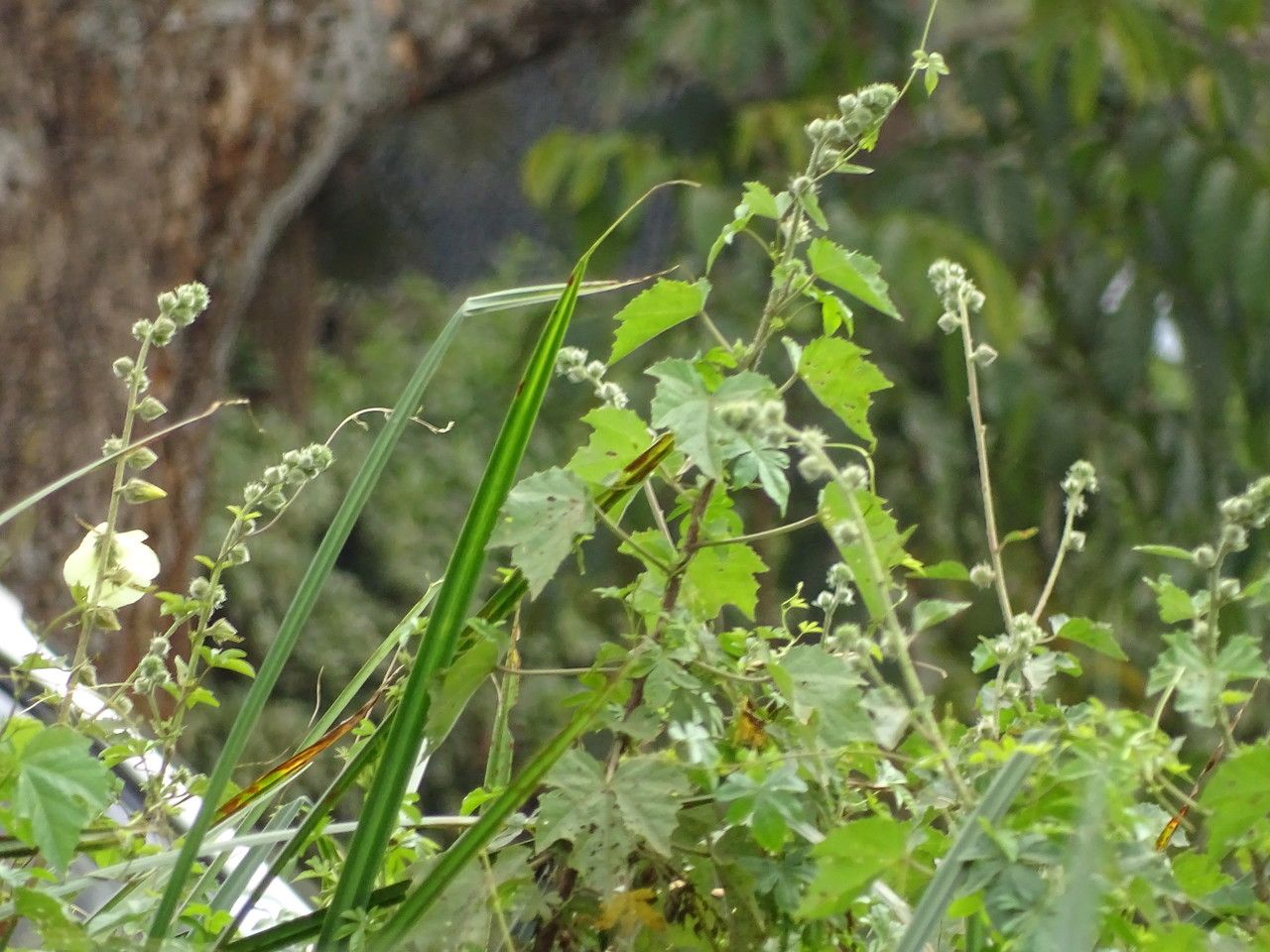
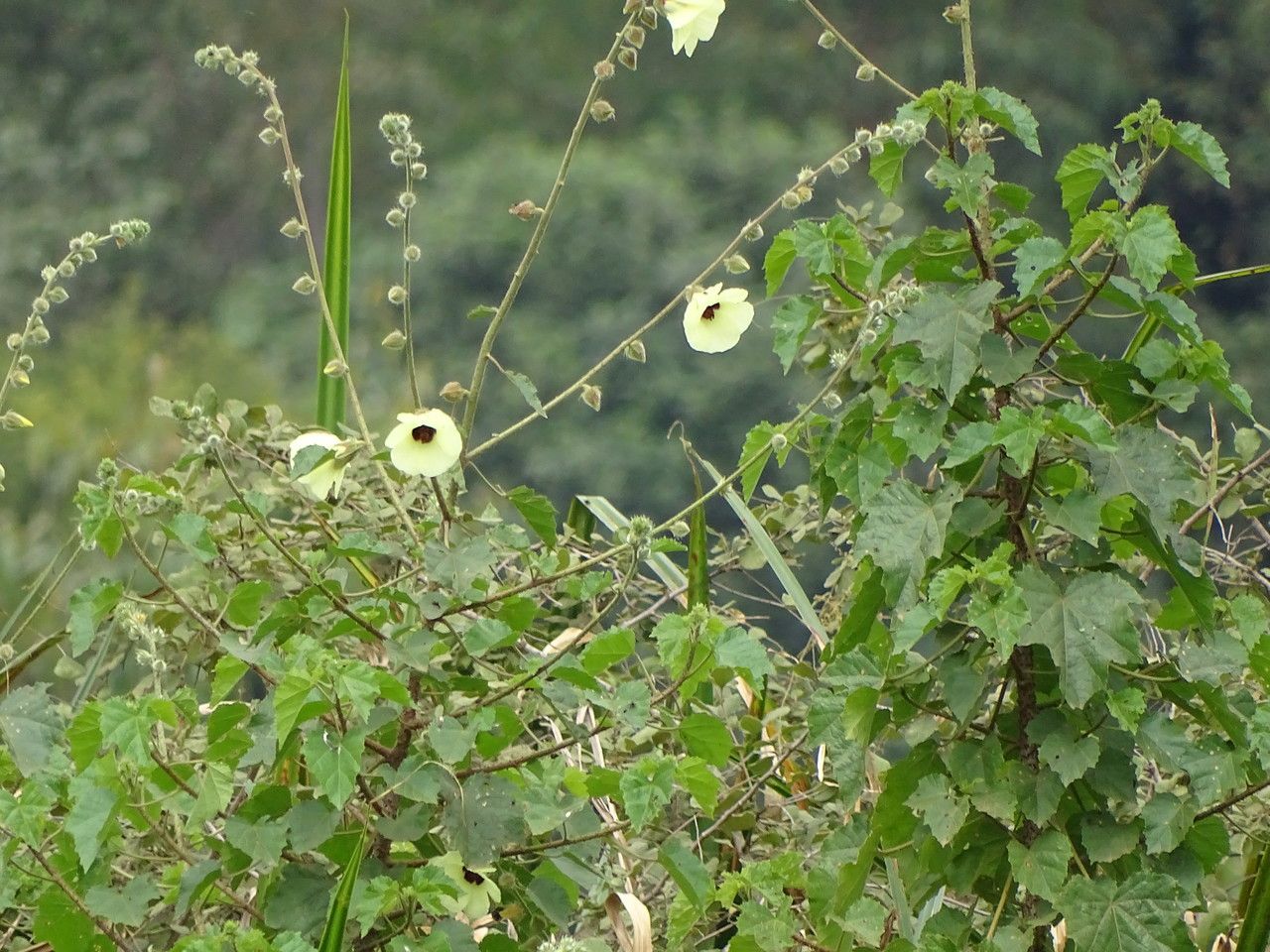
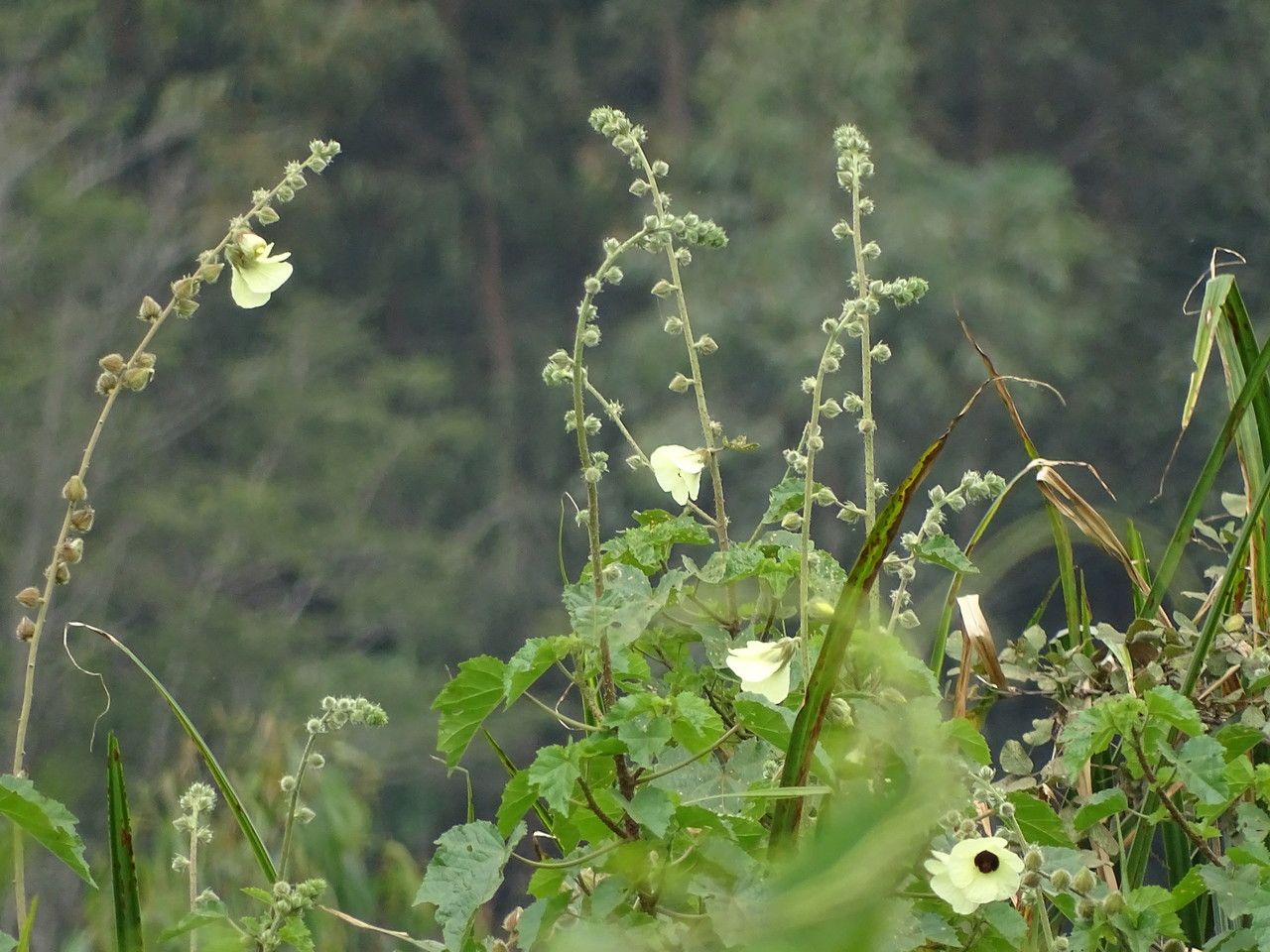
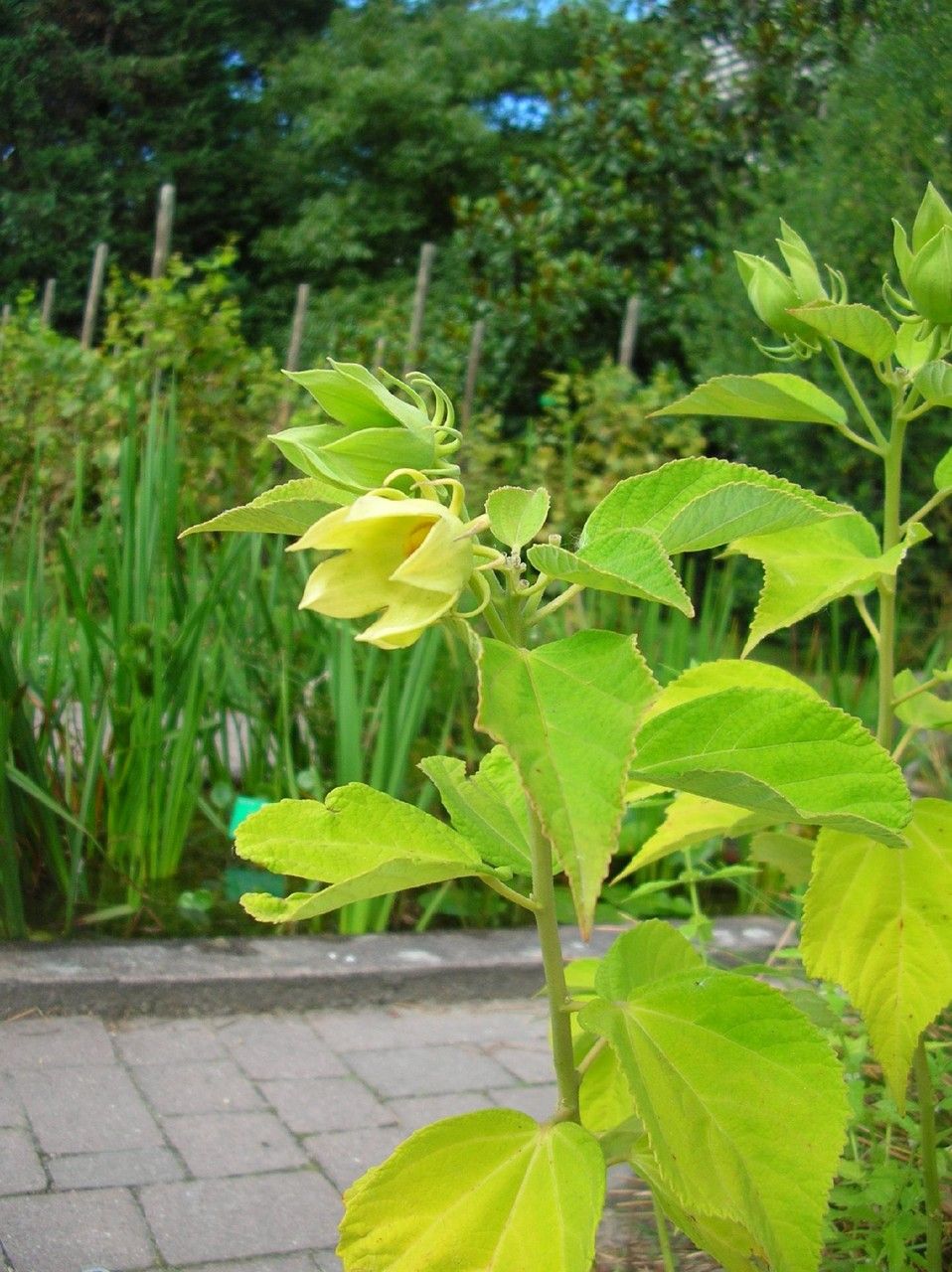
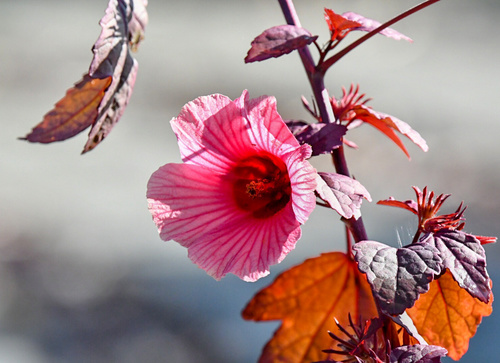
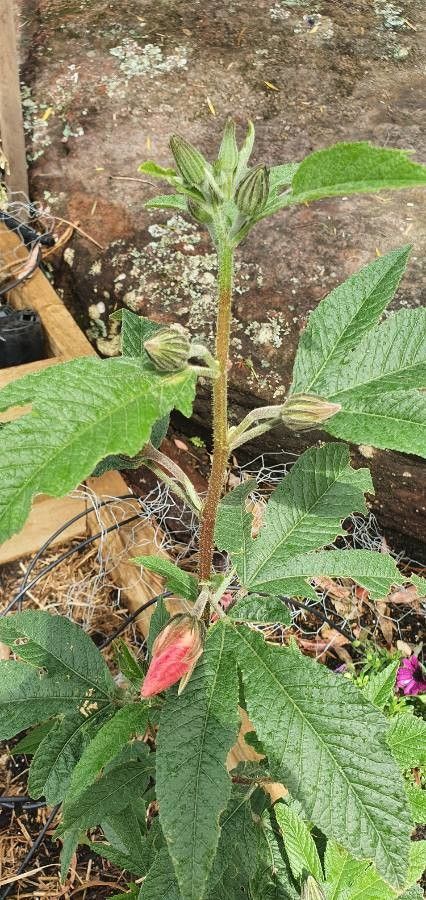
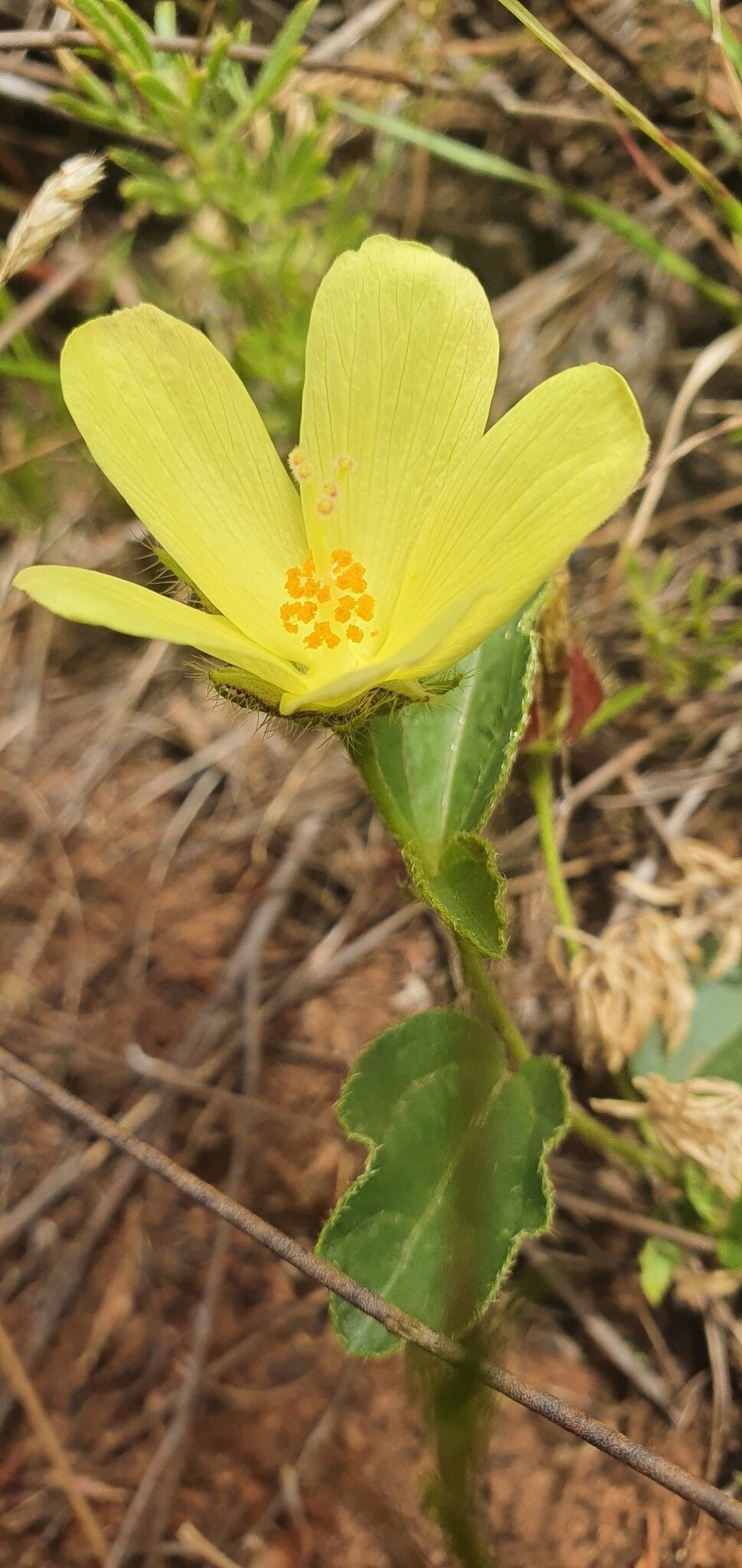
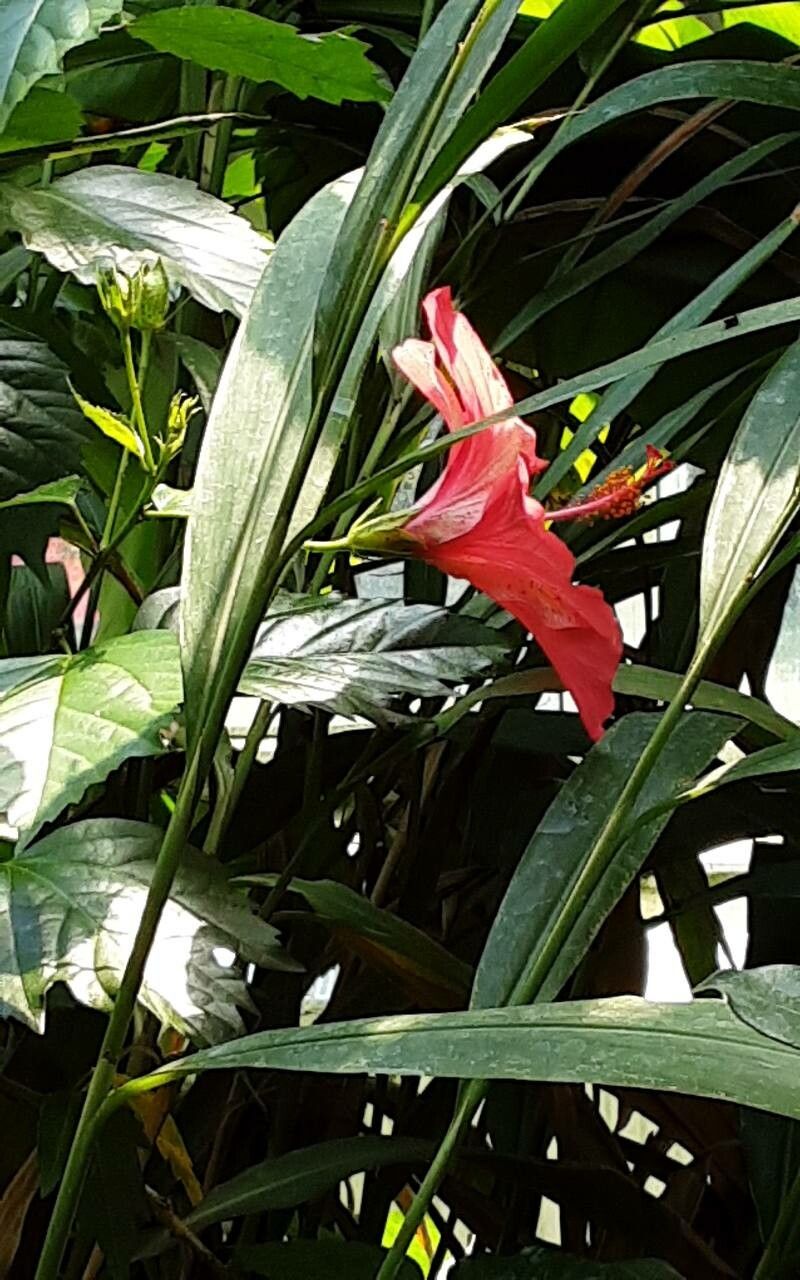
Hibiscus diversifolius, the swamp hibiscus, is a widespread species of hibiscus. It grows to between 1 and 2 metres in height, with prickly stems and yellow flowers with a maroon basal spot during spring summer.
Swamp hibiscus is resistant to disease and is generally not prone to illnesses. In terms of care, this plant is relatively low maintenance. When grown outdoors it needs minimal watering, and larger specimens typically do not require pruning. Smaller plants, however, should be pruned after they have finished blooming. Swamp hibiscus is suitable for anyone with an outdoor area, such as a garden or deck, and does not require much care experience.
How to keep Hibiscus Diversifolius.
Light
Swamp hibiscus comes from open habitats such as sunny meadows and forest margins, where light is abundant. It does best in full sun but can also tolerate partial sun, adapting well to different light conditions.
Water
Swamp hibiscus thrives in consistently moist conditions, flourishing in the wet soil typical of its swampy habitat. To encourage its vibrant flowering, water the swamp hibiscus weekly, especially during the growing season when its water needs are higher.
Temperature
Swamp hibiscus comes from tropical areas where the climate is generally warm and humid. Because of this, it is adapted to high temperatures and moisture. It does not tolerate sudden temperature shifts and prefers a steady thermal environment, so avoiding temperature fluctuations indoors is important. It typically cannot withstand cold and requires warmer conditions to grow; if the surrounding temperature falls too low, the plant may stop growing or even die.
Fertilizer
The best time to fertilize a Swamp hibiscus is in early spring, when it breaks dormancy. This encourages overall growth and the development of flowers. Fertilization improves the foliage, stems, and branches, and encourages flowers that are large, vibrant, and long-lasting. It helps move nutrients from the roots to the flowers and boosts the plant’s health and resistance to disease.
Pruning
To promote the health and vibrant blooms of swamp hibiscus, it's important to prune them from early to late winter. This involves removing dead wood and trimming older stems, which encourages new growth, improves air circulation, and increases flowering. Be sure to make angled cuts to prevent water damage and disease. This practice supports the overall health of the plant and results in more beautiful flowers.
Botanical profile.
- Plant Type
- Shrub
- Life Cycle
- Perennial
- Genus
- Hibiscus
- Family
- Malvaceae
- Hardiness Zone
- 9-11
- Mature Height
- 0.91 m to 3.05 m
- Mature Spread
- 0.91 m to 2.13 m
- Leaf Color
- Green, Dark Green
- Leaf Type
- Evergreen
- Flower Color
- Yellow, Pink, Red
- Flower Size
- 5.08 cm to 7.62 cm
- Bloom Time
- Summer, Early fall, Mid fall
- Planting Time
- Spring, Autumn
- Harvest Time
- Late summer, Fall, Early winter
Other names.
Reader questions.
What are the sunlight requirements for Swamp Hibiscus?
Swamp Hibiscus, also known as Hibiscus diversifolius, thrives best under specific sunlight conditions. For full sun exposure, it requires above 6 hours of sunlight daily. If the environment provides partial sun, then about 3-6 hours of sunlight is necessary. It's important to observe the way sunlight moves through your garden to ensure that you select locations that offer the right balance of light and shade to meet the needs of your plants. This consideration is crucial for the happiness and health of your Swamp Hibiscus.
What is the Swamp Hibiscus?
The Swamp Hibiscus, known botanically as Hibiscus diversifolius, is a plant species without any provided information on its essentials or symptoms in the given data.