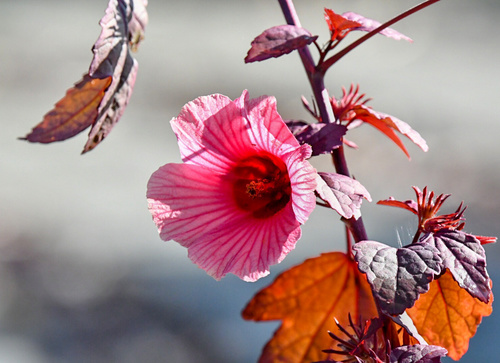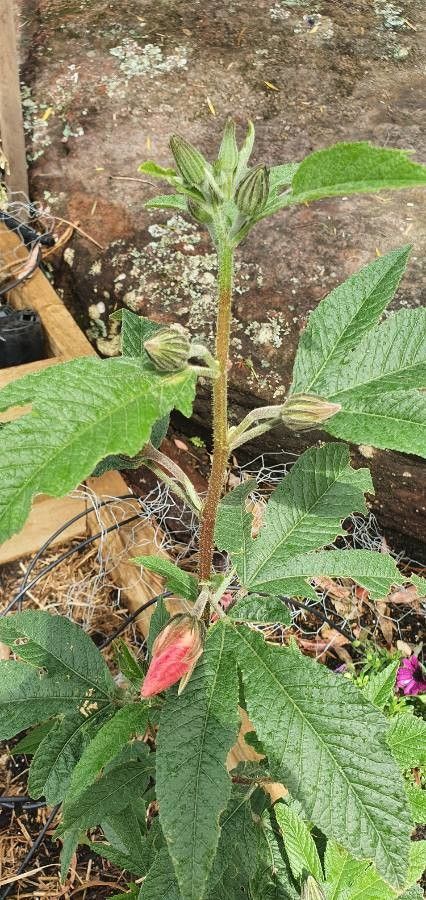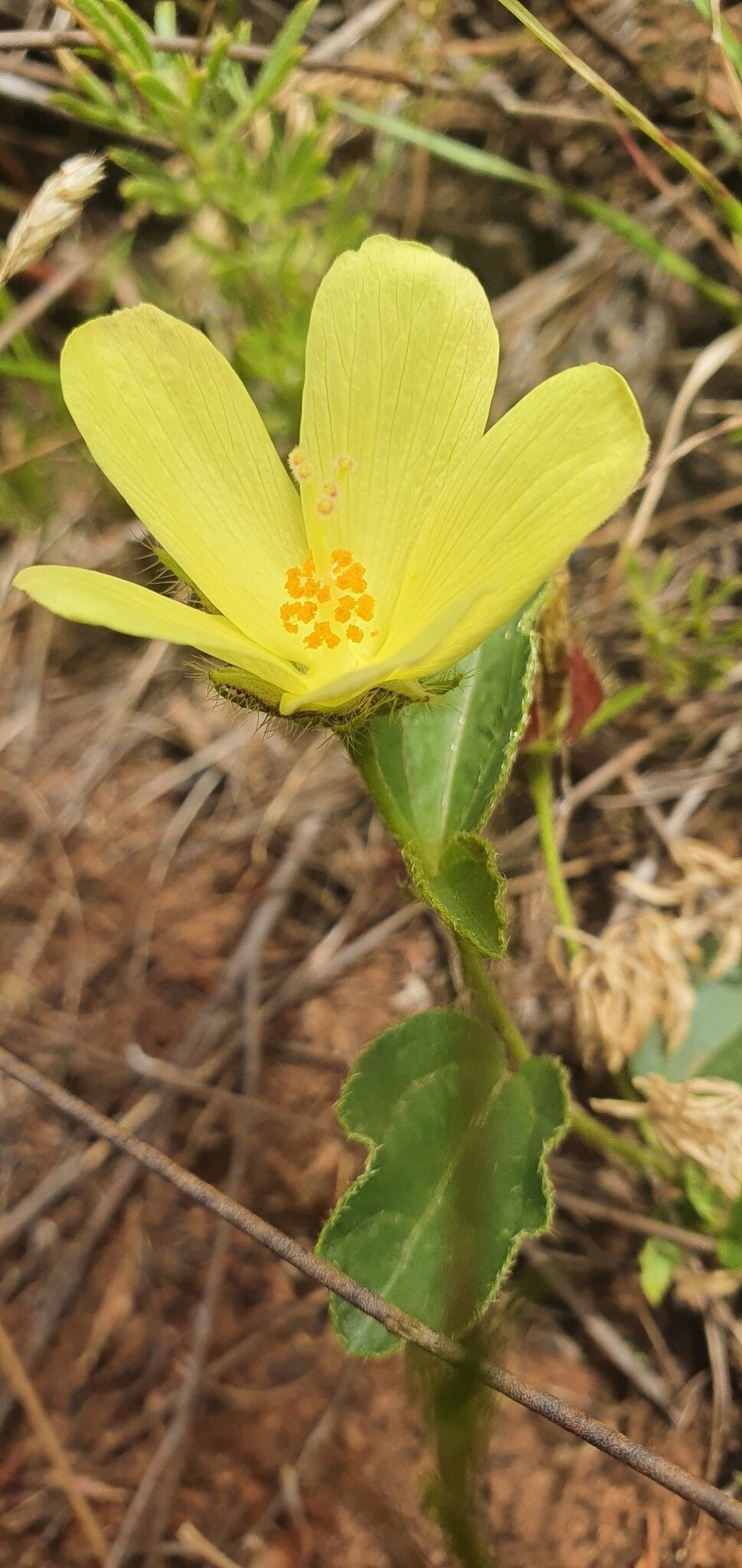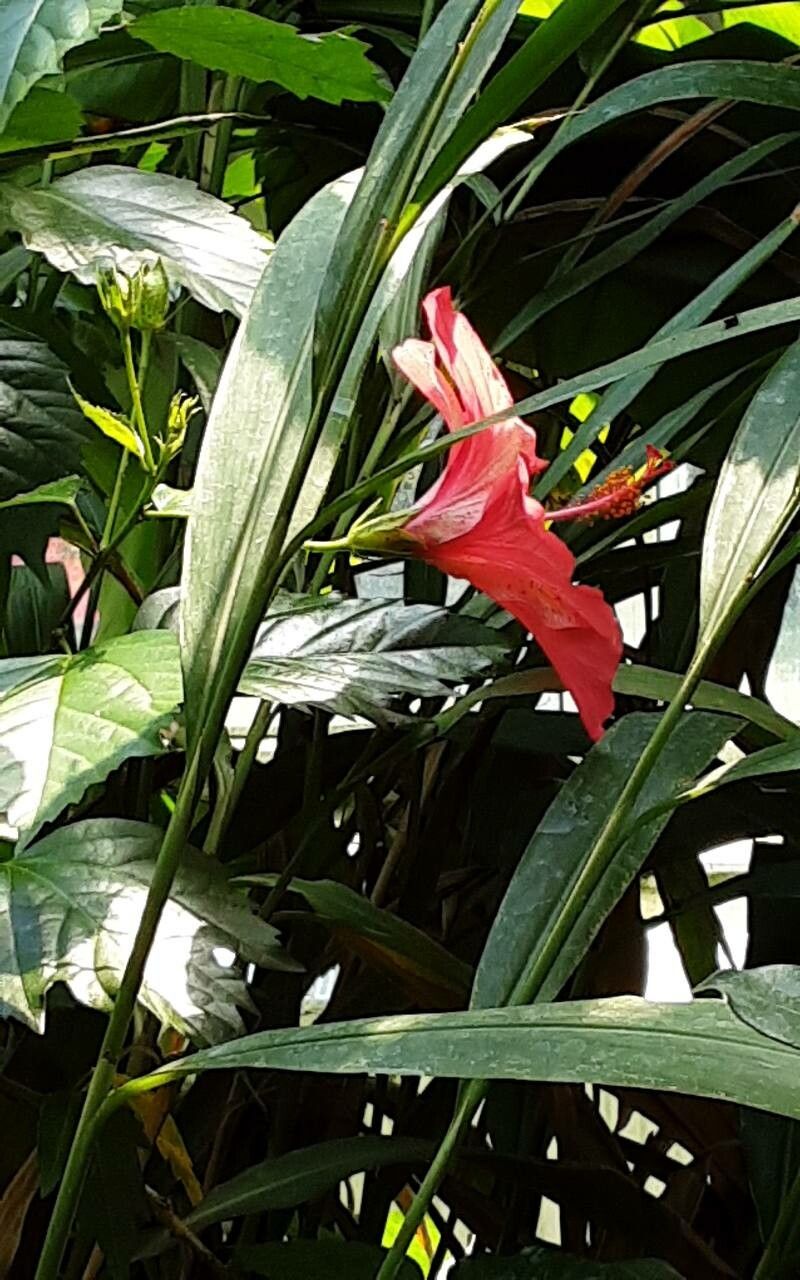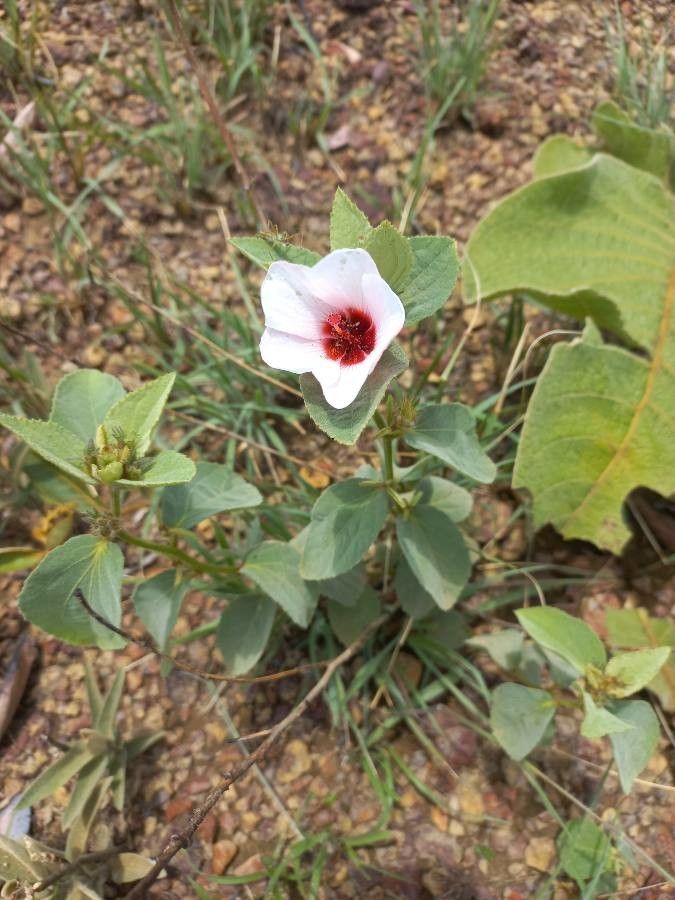
Hibiscus denudatus (common names: paleface, rock hibiscus) is a perennial shrub of the mallow family, Malvaceae. It is in the rosemallow genus, Hibiscus. It is found in the southwest of North America in the southwestern United States and northern Mexico in the states of extreme southeast California, southern Nevada, southern Arizona and New Mexico, southwest Texas, Baja California-north, Sonora, Chihuahua, and Coahuila. It can be found in the Colorado and Sonoran Deserts, and in the east to the Chihuahuan Desert. In California, Rock Hibiscus is exclusive to the southeast, the Colorado Desert-(northwestern Sonoran Desert) and neighboring Baja California state, Mexico.
Paleface has strong disease resistance and is usually not susceptible to illnesses. Regarding care, this plant is fairly low maintenance. When planted outdoors it needs little watering, and larger specimens typically do not require pruning. Smaller plants, however, should be trimmed after they have finished blooming. Palefacet is appropriate for anyone with outdoor space, such as a garden or a deck, and does not demand much gardening experience.
How to keep Hibiscus Denudatus.
Light
Paleface does best in locations with abundant sunlight, though it can also tolerate places where the sun's rays are somewhat filtered. Its growth and vigor are highest when it receives a substantial amount of light each day. In its native range, it occurs in areas bathed in plentiful light. However, excessive light can cause stress, while insufficient light may inhibit its growth.
Water
Paleface is a drought-tolerant plant native to desert climates and requires watering every 2 to 3 weeks. It aligns with natural rainfall patterns, making it ideal for outdoor cultivation. As a deciduous species, its water needs decrease when it sheds its leaves, thus conserving resources during dormancy.
Temperature
Paleface naturally occurs in habitats with temperatures between 59 and 95°F (15 and 35°C). Its temperature requirements strongly affect its growth and survival, so adjusting outdoor conditions is desirable, especially during seasons with extreme temperatures.
Fertilizer
Timing is important for fertilizing Paleface. Apply fertilizer in early spring and then once a month through early summer. Fertilizer encourages attractive blooms and supplies energy both during dormancy and in periods of active growth.
Pruning
Paleface benefits greatly from early spring pruning, which involves removing dead or damaged branches to boost growth and improve air circulation. Light pruning is effective for maintaining the plant's shape and health, encouraging abundant blooms. Additionally, cutting back spent flowers helps extend the flowering period. It's important to avoid heavy pruning.
Pot & Repot
To thrive, Paleface plants need pots with excellent drainage. This prevents excess water from accumulating and harming the roots.
Botanical profile.
- Plant Type
- Shrub
- Life Cycle
- Perennial
- Genus
- Hibiscus
- Family
- Malvaceae
- Hardiness Zone
- 7-10
- Mature Height
- 49 cm to 91 cm
- Mature Spread
- 30 cm
- Leaf Color
- Gray, Light Gray
- Leaf Type
- Deciduous
- Flower Color
- White
- Flower Size
- 2.54 cm to 5.08 cm
- Bloom Time
- Spring, Summer, Early fall, Mid fall
- Planting Time
- Spring
- Harvest Time
- Late spring, Summer, Fall
- Native Area
- Mexico
Other names.
Reader questions.
What's the best way to water my Paleface plant?
To promote excellent root development, place a garden hose at the base of the plant. Avoid spraying the leaves directly, as they will need more water if they are exposed to direct sunlight outdoors. You can also use bubblers or soaker hoses to moisten the roots and cover the entire garden or bed. Remember to drain any excess water and wait for the soil to dry before watering again. Watering at ground level helps prevent diseases. On sunny days, consider spraying the entire bush with water. Whether the plant is in a pot or in the ground, it's best to provide deep watering rather than light sprinkling for Paleface.
What are the sunlight requirements for Paleface plants?
Paleface plants thrive in full sun, which means they need more than 6 hours of sunlight daily, but they can also grow in partial sun, receiving about 3-6 hours of sunlight. Choosing the right location is crucial for providing the perfect balance of light and shade, ensuring the plants' optimal growth and happiness. In their native habitat, these plants are accustomed to abundant light, so it's essential to mimic these conditions as closely as possible, whether the plant is located outdoors or indoors. If the natural sunlight is insufficient, especially during winter or in less sunny areas, artificial lighting can be an effective solution. For indoor plants, it's recommended to provide 30-50W/sq ft of artificial light for those needing full sun, 20-30W/sq ft for partial sun plants, and 10-20W/sq ft for full shade plants. The right type of light, its placement, and duration can significantly impact plant growth, mimicking the length of natural daylight hours as needed.
What are the ideal temperature conditions for Paleface?
Paleface, or Hibiscus denudatus, thrives in environments with temperatures ranging from 59 to 95°F (15 to 35°C). Its growth and survival depend significantly on maintaining this temperature range. While Paleface has strong cold resistance and usually doesn't require special frost protection measures, it's important to provide protection if winter temperatures are expected to fall below -15°C. This can be done by wrapping the trunk and branches with non-woven fabric or cloth. Additionally, watering the plant abundantly before the first freeze in autumn to ensure the soil remains moist can help prevent drought and water scarcity during winter and early spring.
If I give Paleface too much/too little water, what should I do?
Paleface plants that receive too much water may exhibit yellowing, dropping, and wilting leaves, along with a dull and unhealthy appearance. Mushy stems are also a noticeable sign. If these signs are present, adjusting your watering schedule is recommended. On the other hand, wilting can also be a sign of under watering, indicated by crispy and dry leaves compared to the soft wilted leaves of overwatered plants. When the soil is dry and simply watering is insufficient, a thorough watering is necessary. Although the plant will recover, it may still display dryness and yellow leaves, due to damage to its root system. Once the plant returns to normal, the yellowing leaves will stop. When keeping the Paleface indoors, always check the moisture levels in the pot and avoid overwatering. If black spots are observed, allow the soil to dry by refraining from watering for a few days. Overwatering can lead to root rot, so be vigilant and prevent soil from becoming too soggy. In case root rot is detected, consider transferring the plant to a different pot, especially if discolored and slimy roots are present. When planting the Paleface outdoors, ensure the soil is adequately moistened. If the soil feels too dry when checked with fingers, it indicates underwatering, and proper watering is essential for the plant's recovery.
What are the common symptoms of improper lighting in Paleface plants?
When Paleface plants receive suboptimal lighting, they may exhibit various symptoms indicating stress or poor health. Common signs include smaller new leaves, leggy or sparse growth, faster leaf drop, slower or no new growth, lighter-colored new leaves, and conditions like chlorosis, sunscald, leaf curling, wilting, and leaf scorching. These symptoms reflect the plant's struggle to adapt to inadequate light conditions, which can lead to a lack of chlorophyll, essential nutrients, and overall reduced ability to photosynthesize effectively. Excessive light, on the other hand, can cause damage like sunscald and leaf scorching, indicating the importance of finding a balance in light exposure.
What should I do if Paleface experiences low temperatures?
Paleface has notable cold tolerance, preferring temperatures above 15°C and requiring protection if temperatures drop below -10°C. In cases where temperatures fall below -15°C, there may not be noticeable changes during winter, but come spring, branches could become brittle and dry, with no new shoots emerging. To address this, prune away any dead branches that have failed to produce new leaves in spring. This promotes the growth of new, healthy shoots.
How much should I water my Paleface plant?
The Paleface plant prefers deep, infrequent watering. When planted in pots, it's important to thoroughly soak them with a gallon of water each time. Since flower pots have limited water storage, the soil tends to dry out quickly. In cold regions, watering is needed every 3 to 5 days. It's best to water early in the morning when the soil is dry, whether the plant is indoors or outdoors. To determine if watering is necessary, check the soil inside. If the top 2-3 inches of soil are dry, it's time for a full watering. On hot days, check the soil moisture daily as the heat can dry out the potting soil rapidly. If you have a garden, irrigation of the soil is also necessary. In hot climates, watering once a week should suffice. Only water the plants when the top 2 to 3 inches of soil are too dry, taking the amount of rainfall into consideration to prevent root rot. Keep in mind that during periods of heavy rainfall, additional watering may not be needed. The Paleface plant typically grows during spring and fall, so when they are outdoors, adding a layer of mulch about 3 to 4 inches deep can help conserve water. Sandy soil tends to drain faster, so plants in this type of soil will require more frequent watering. On the other hand, plants in clay soil should be watered less often, allowing 2-3 days for the soil to dry out and prevent root rot. To keep track of watering schedules, mark the dates on a calendar and be attentive to any drooping leaves, which could indicate that watering is needed earlier than expected.
How can you address lighting issues for indoor and outdoor Paleface plants?
To optimize growth and health in Paleface plants, gradually increase their sunlight exposure. For indoor plants, move them to a sunnier spot each week until they receive at least 6 hours of direct sunlight daily, preferably by a south-facing window with curtains open during the day. If the plant is large or not easily movable, using artificial light, such as a desk or ceiling lamp for at least 8 hours daily, or investing in professional plant grow lights, can provide sufficient light. Outdoor plants also benefit from a gradual introduction to sunnier spots to avoid sunburn. In cases where environmental obstructions limit sunlight, consider pruning or transplanting smaller plants during their dormant period to locations with better light exposure and drainage. Note that while parts of the plant damaged by insufficient light may not recover, new growth should be healthy following adjustments in light exposure.
How should I care for Paleface in high temperature conditions?
During the summer months, it's crucial to ensure that Paleface is not exposed to temperatures above 35°C. If the temperature rises beyond 41°C, the plant's leaves may lighten in color, and the tips could become dry and withered, indicating a higher vulnerability to sunburn. To mitigate these effects, trim away the sunburned and dried-up parts of the plant. Move Paleface to a shaded location or utilize a shade cloth to protect it from the midday and afternoon sun. Additionally, watering the plant in the morning and evening helps keep the soil moist, further reducing heat stress.
How much water should I give to my Paleface?
To properly care for Paleface, it is important to provide it with the appropriate amount of water. With potted plants, make sure to water them deeply until water can be seen dripping from the bottom of the pot. Allow the soil to dry before watering them again. To determine the amount of water given in a week, you can use a water calculator or a moisture meter. During the flowering period, ensure the plant receives plenty of water, but allow the moisture to evaporate afterwards to prevent root rot. If Paleface is planted outdoors and experiences adequate rainfall, additional watering may not be necessary. However, when Paleface is young or newly planted, it should receive 1-2 inches of rain per week. As the plant matures, it can rely solely on rainfall for hydration. Only when there is extreme heat or no rain for 2-3 weeks should Paleface be given a full watering during cooler parts of the day to prevent damage from high temperatures. Additional watering will be needed during prolonged dry periods.
Should I water my Paleface plant more or less depending on the time of year or the weather?
The Paleface plant needs to be watered differently depending on the season. During the spring and fall, the soil should be kept moist but not soggy. It's important to alternate between dry and moist soil conditions for optimal growth. In the summer, hot weather and lack of rainfall can cause the water to evaporate quickly, so more frequent watering may be necessary to keep the plant moist. During winter, the Paleface requires less water as it goes dormant and drops its leaves. Well-draining soil, such as terracotta, can help with water evaporation. Once the plant starts to leaf out and go dormant in the spring, watering can be skipped as it can rely on natural rainfall. Good drainage is crucial throughout the year, especially in winter when the plant is in a pot. Consistent deep soaking of the root system is recommended, rather than shallow sprinkles that can encourage fungus growth. Avoid letting the plant dry out completely in fall and winter to prevent damage. Over-watering should be avoided as well, as the Paleface does not like sitting in water for too long. Applying mulch can help reduce stress, conserve water, and encourage healthy blooms.
What do I need to watch out for when watering my Paleface plant in different times of the year, weather conditions, or growth stages?
When planting Paleface in the ground, it primarily relies on rain for water. However, if there is no rainfall for 2-3 weeks, you may need to provide deep watering to the plants. It's best to water Paleface in the morning during summer to avoid stressing the roots with a large temperature difference between the water and the root system. Avoid watering the bushes when it's too hot outside. Start mulching them during the spring when the ground is not too cold. The age of the plants is important, as newly planted ones often fail to grow due to lack of water. Once they are established, gradually decrease the watering schedule. In fall and winter, especially if there's water-retaining material in the soil, reduce watering, as dry winds can cause them to dry out. Plants in pots dry out faster, so they require more frequent watering. If you notice fewer blooms and drying leaves, it indicates they need more water. Watering potted plants can be more complex and varies in frequency. Avoid letting the pot-planted plant sit in water by not placing them in containers with saucers, bowls, or trays. Overwatering in the fall can cause mottled or yellowish foliage. It's important to prevent overwatering regardless of the current climate or season. During the flowering months, increase watering frequency, but once fully grown, reduce it again. Water them adequately every 3 to 5 days without sticking to a strict schedule. Check soil moisture by touching it with your finger or using a moisture meter. Be cautious of root rot caused by excessive watering or underwatering, regardless of the climate or season in your area.