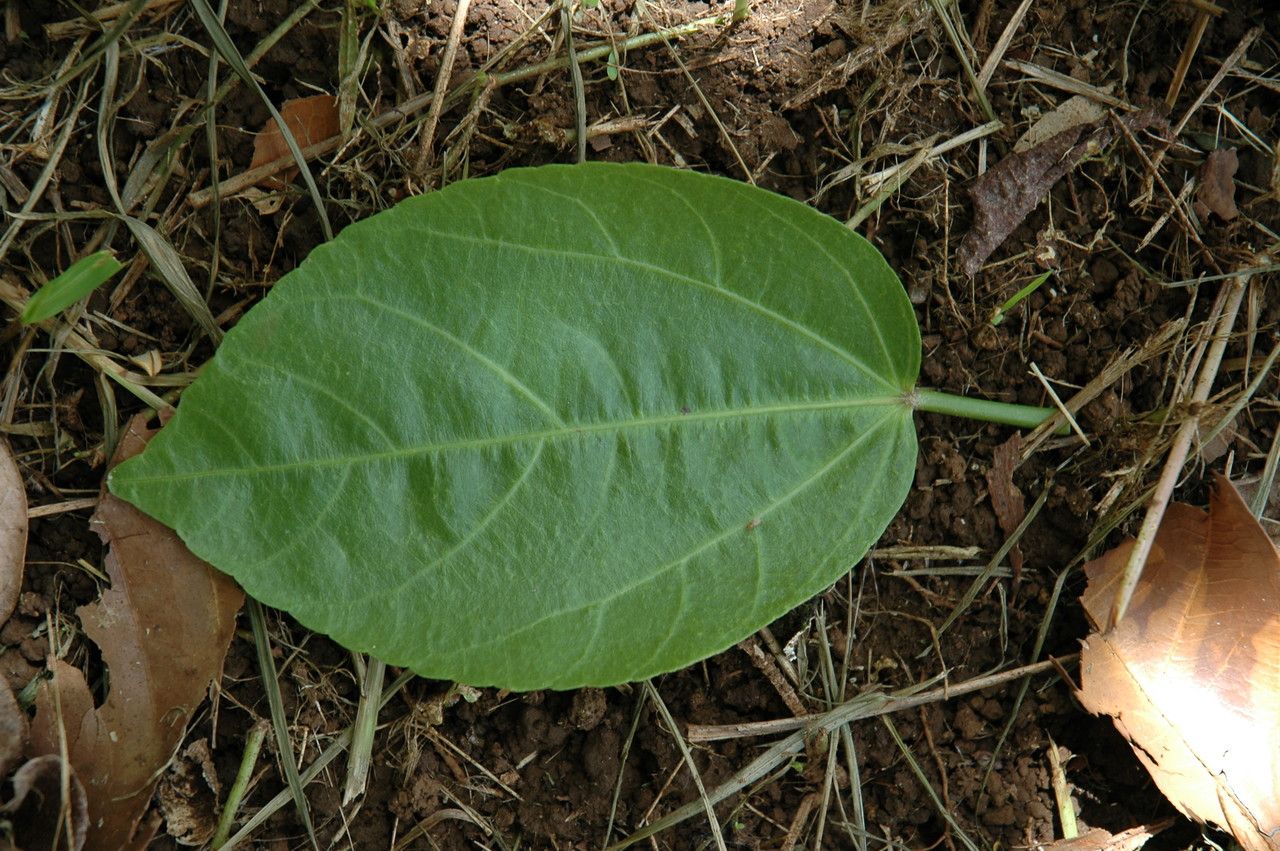
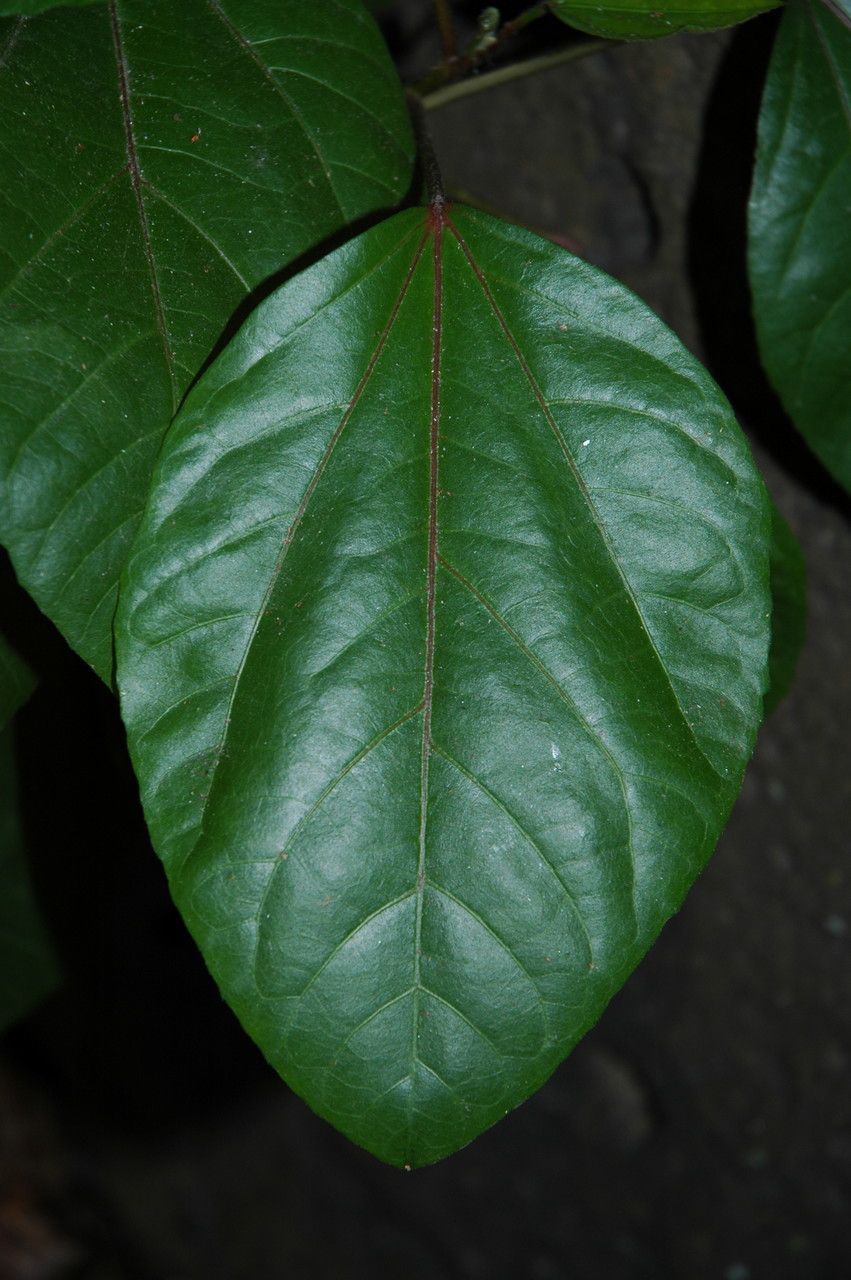
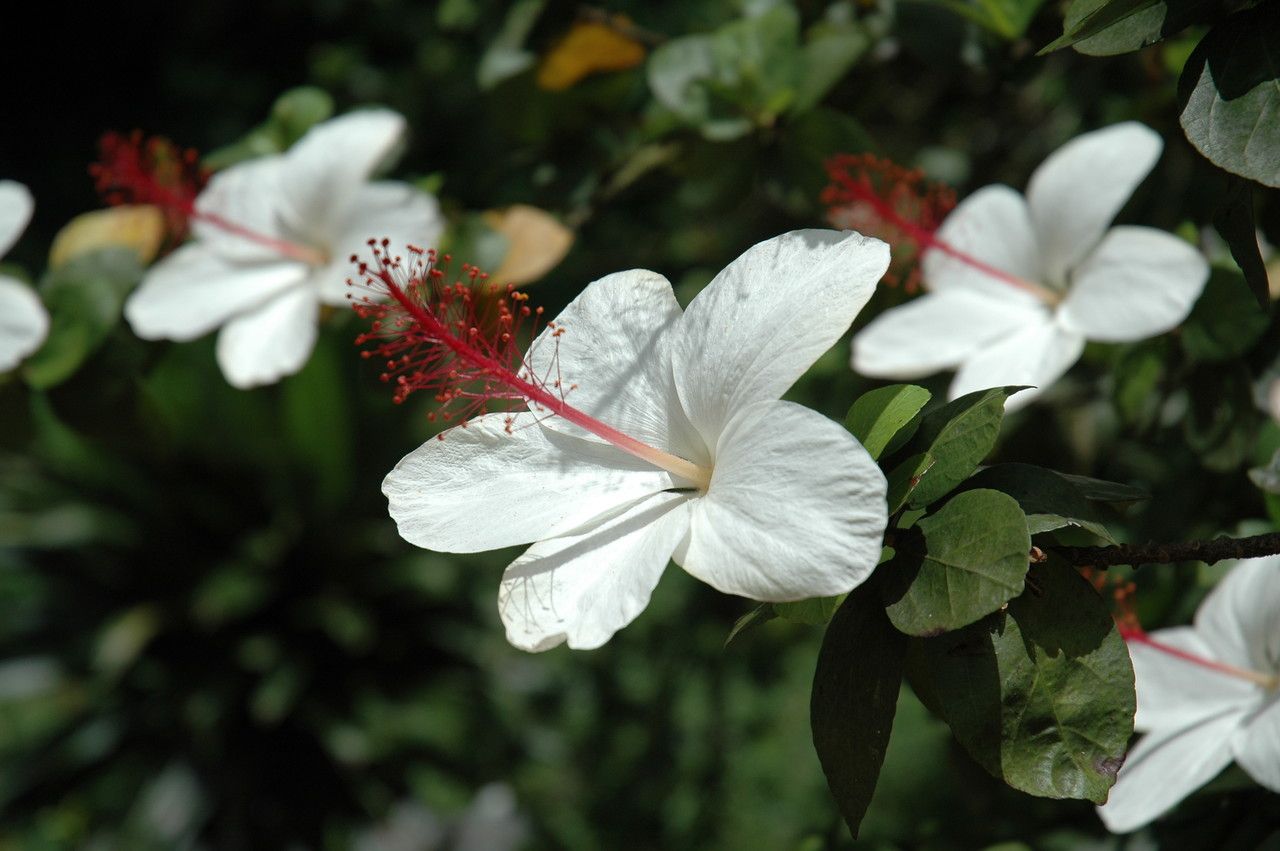
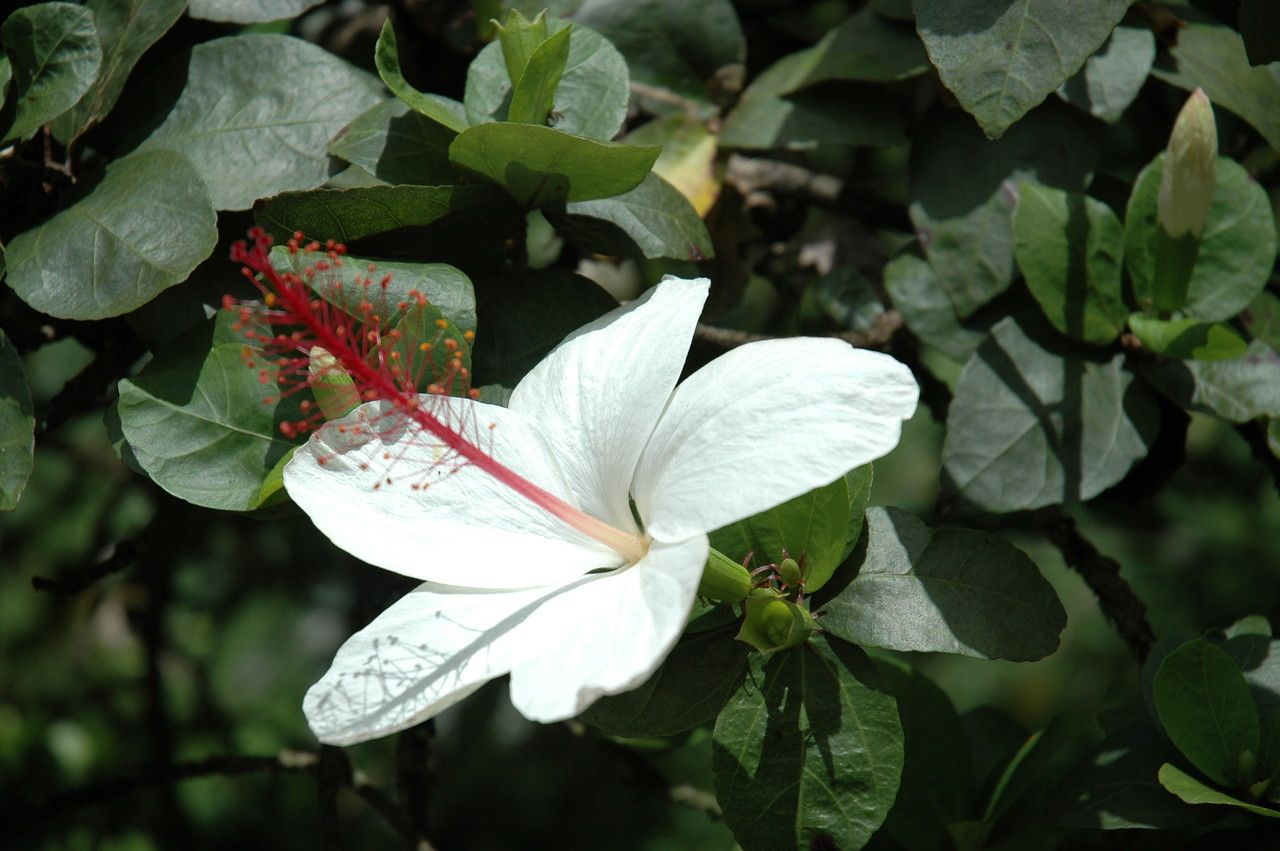
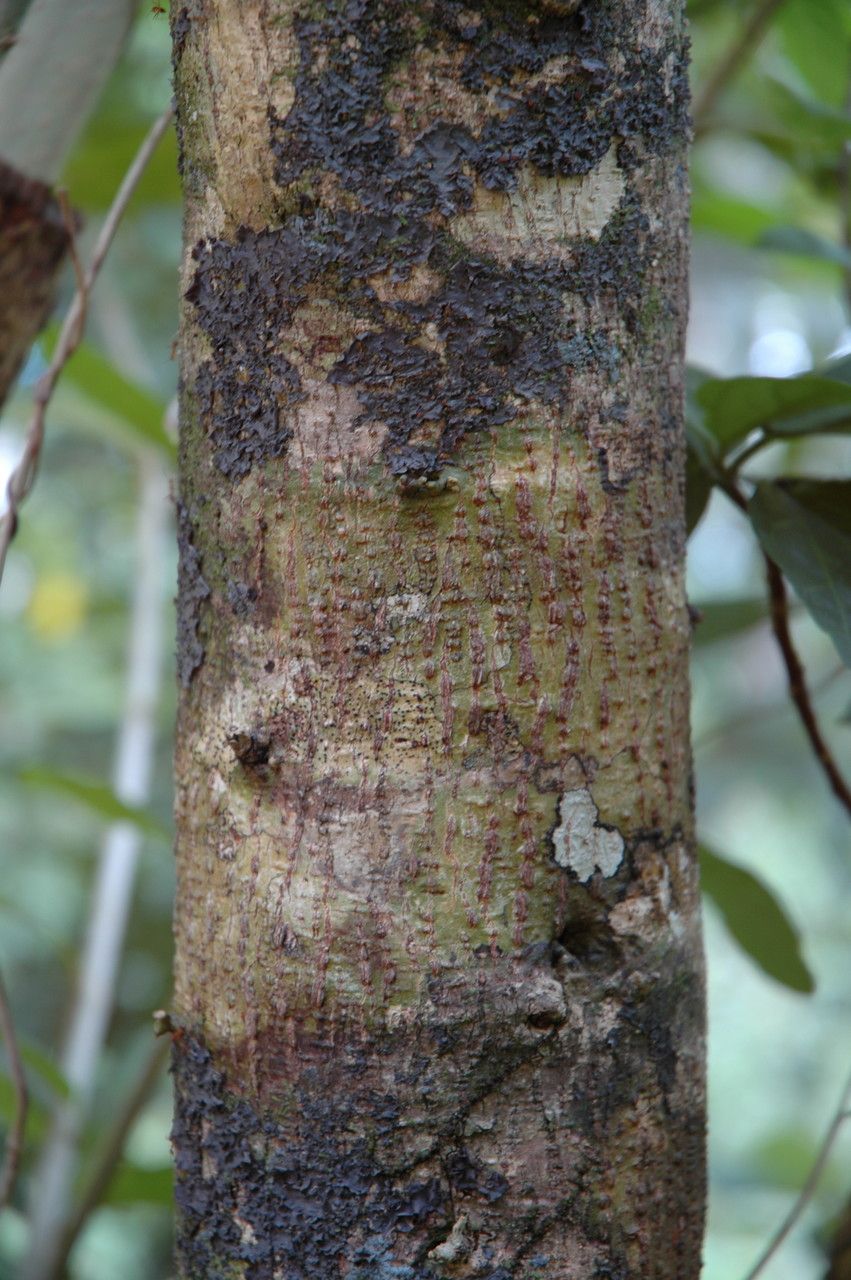
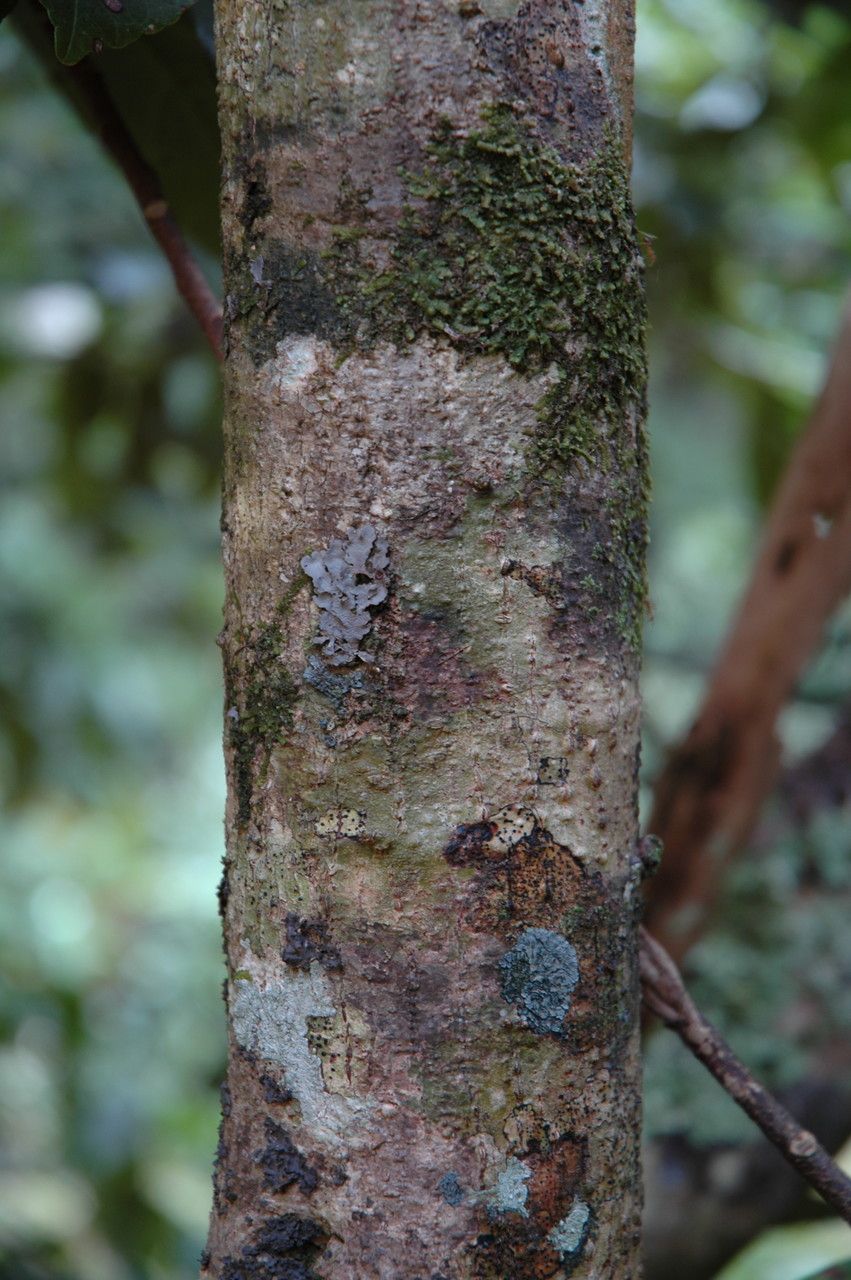
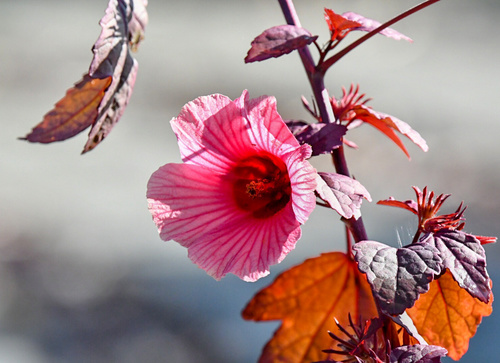
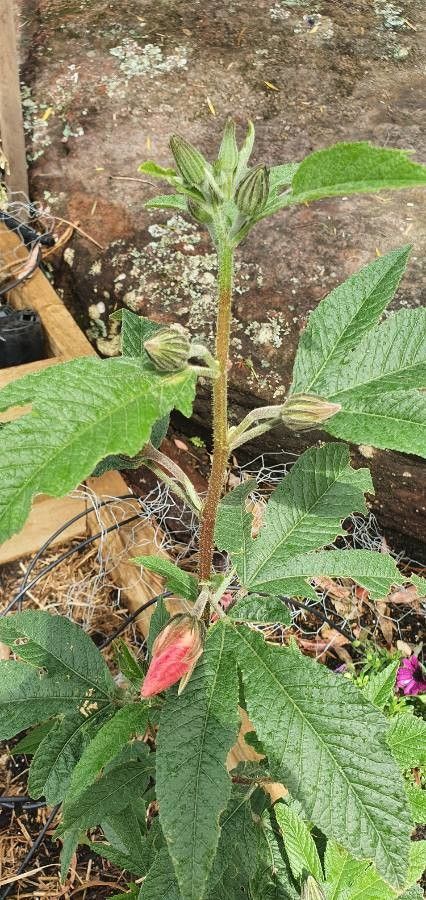
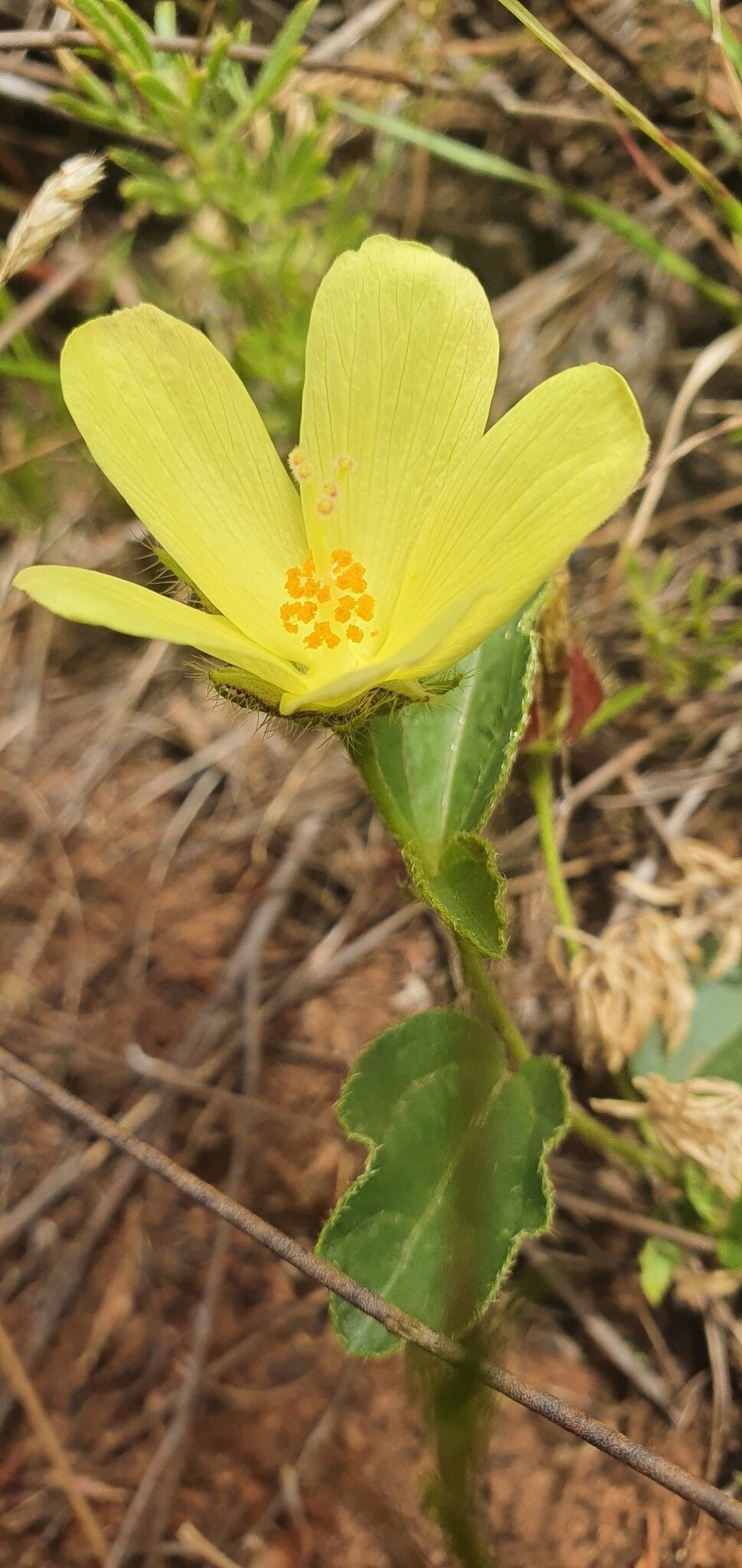
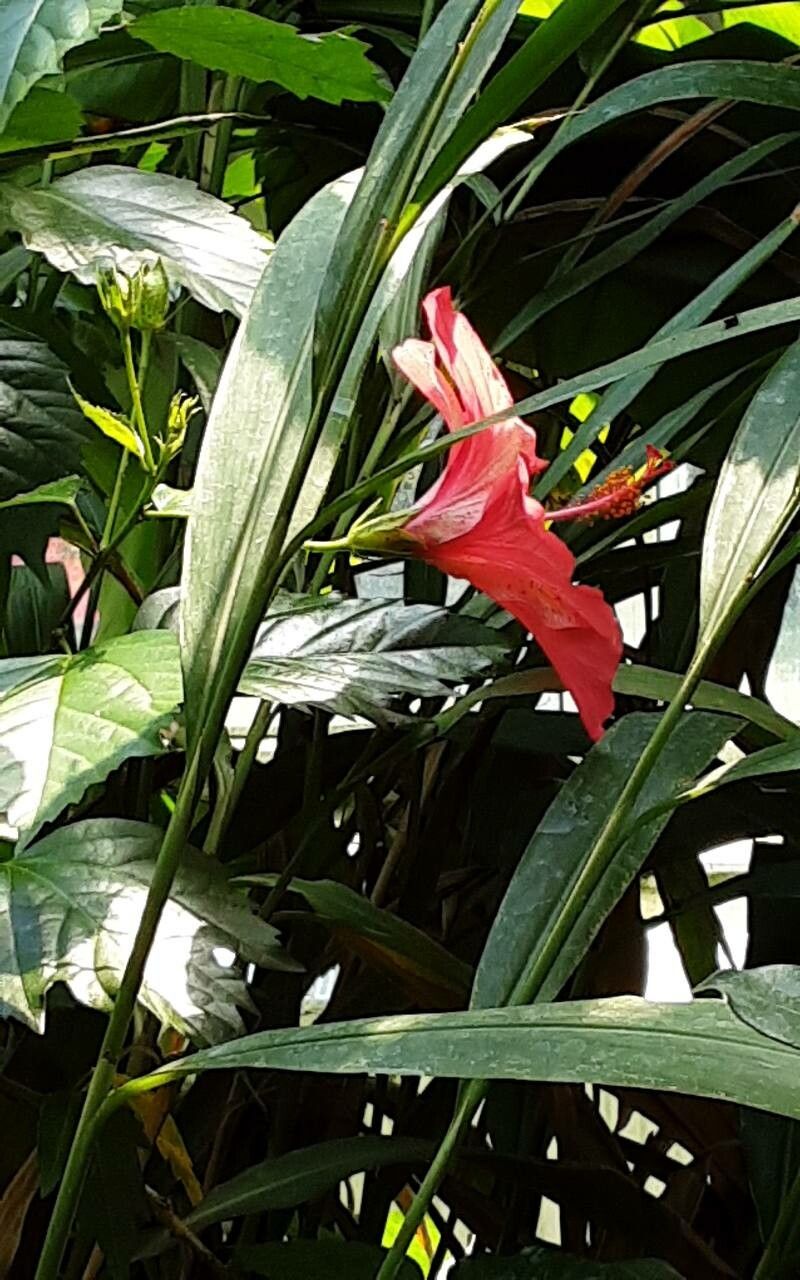
Hibiscus arnottianus, also known as the Hawaiian hibiscus or Ma'o hau hele, is a species of flowering plant in the Malvaceae family. This plant is native to Hawaii and typically grows in dry forests and shrublands. It can reach a height of up to 10 feet and features glossy green, oval-shaped leaves with serrated edges. The large, showy flowers come in a variety of colors, including yellow, orange-red, or pink, and often have a dark red center. These stunning flowers bloom from late spring through early fall, attracting pollinators such as bees and butterflies.
Traditionally, Native Hawaiians have used Hibiscus arnottianus for medicinal purposes, including treating coughs, colds, sore throats, and skin irritations. Additionally, its beautiful flowers are often used for making leis.
The plant thrives in full sun exposure but can tolerate some shade during the hottest part of the day. It prefers well-drained, slightly acidic soil but can also grow in alkaline soil conditions.
Overall, Hibiscus arnottianus makes an excellent addition to any garden due to its vibrant flowers that bloom throughout most of the year. Its cultural significance within Hawaiian culture also makes it an important part of Hawaii's natural heritage.
White rosemallow shows strong resistance to disease and is typically not susceptible to them. Regarding care, this plant is fairly low-maintenance. When grown outdoors it needs only minimal watering, and larger specimens usually do not require pruning. Smaller plants, however, should be pruned after they have bloomed. White rosemallowt is suitable for anyone with an outdoor area, such as a garden or deck, and does not demand a lot of care experience.
How to keep Hibiscus Arnottianus.
Light
White rosemallow is native to open habitats like sunny meadows and forest edges, which provide abundant light. It does best in Full Sun but can tolerate Partial Sun, adapting to a range of light conditions.
Water
White rosemallow thrives in conditions with balanced moisture, typically requiring watering every 1 to 2 weeks. Although it originates from tropical regions and can tolerate brief droughts, it needs consistent hydration throughout the year because it is an evergreen plant.
Temperature
White rosemallow comes from tropical areas, where the weather is usually warm and humid. Consequently, it is adapted to high heat and humidity. It is sensitive to sudden temperature shifts and prefers a steady thermal environment, so avoiding indoor temperature swings is important. It generally does not tolerate cold and needs warmer temperatures to grow; if the surrounding temperature falls too low, growth may stop or the plant can die.
Fertilizer
The best time to fertilize a White rosemallow is in early spring, as it breaks dormancy. This encourages overall growth and flower development. Fertilization improves the foliage, stems, and branches and supports the production of large, vibrant, long-lasting flowers. It helps transfer nutrients from the roots to the flowers and enhances the plant's health and disease resistance.
Pruning
The white rosemallow, an evergreen shrub, benefits greatly from annual pruning in early spring. By removing dead branches, you can enhance air circulation and encourage more abundant flowering. Additionally, thinning out overcrowded areas allows for better light access, which strengthens the plant's structure and boosts its resistance to disease. For the best results, always use clean, sharp tools while pruning.
Botanical profile.
- Plant Type
- Shrub
- Life Cycle
- Perennial
- Genus
- Hibiscus
- Family
- Malvaceae
- Hardiness Zone
- 9-11
- Mature Height
- 4.88 m
- Mature Spread
- 4.88 m
- Leaf Color
- Dark Green, Forest Green
- Leaf Type
- Evergreen
- Flower Color
- White
- Flower Size
- 10.16 cm to 15.24 cm
- Bloom Time
- All year round
- Planting Time
- Spring, Summer
- Harvest Time
- All year round
Other names.
Reader questions.
What are the sunlight requirements for White rosemallow (Hibiscus arnottianus)?
White rosemallow (Hibiscus arnottianus) thrives in conditions that meet its sunlight requirements accurately. It requires full sun, which means the plant should receive above 6 hours of sunlight daily, to flourish. However, it can also adapt to partial sun conditions, where it gets about 3-6 hours of sunlight. It's important to observe the way sunlight moves through your garden throughout the day. This observation will help you choose locations that provide an ideal balance of light and shade, ensuring that your White rosemallow plants grow healthy and happy.
What is the botanical name of White rosemallow?
The botanical name of White rosemallow is Hibiscus arnottianus.