Hexastylis virginica, commonly known as Virginia heartleaf or wild ginger, is a perennial herb native to the eastern United States. Belonging to the family Aristolochiaceae, it is closely related to the more familiar ginger plant.
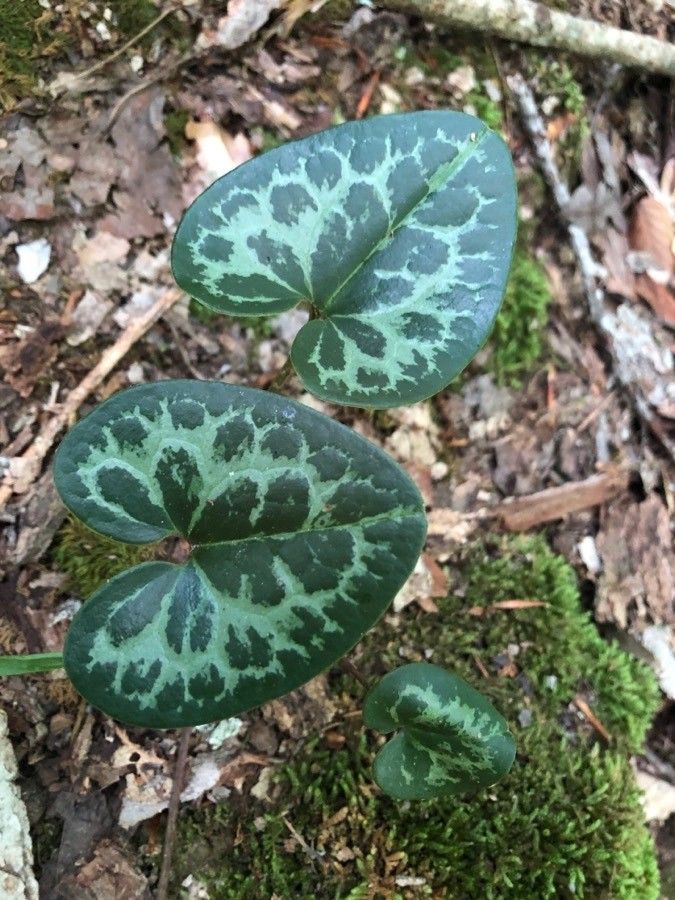
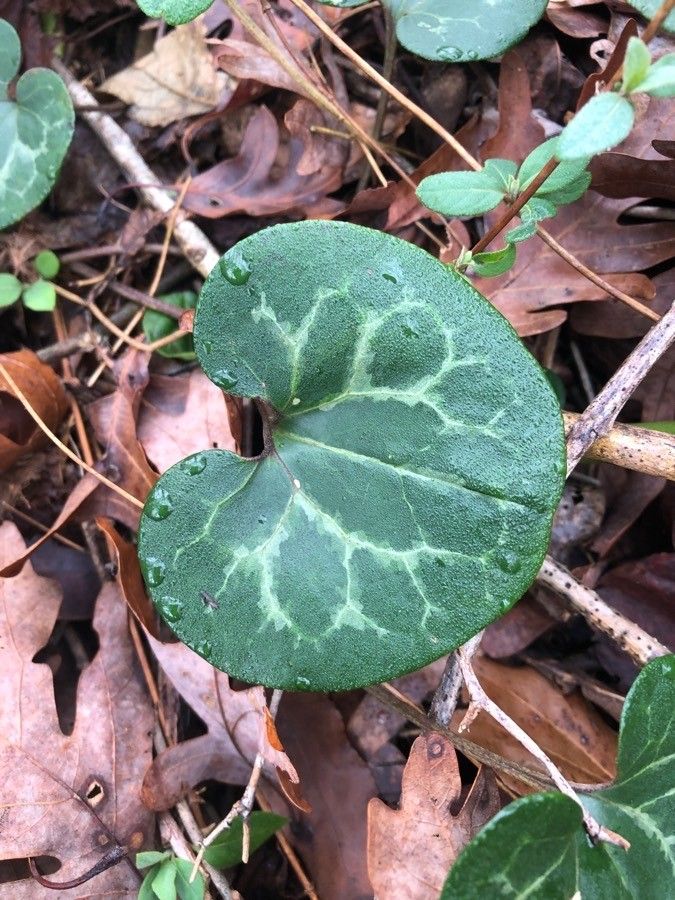
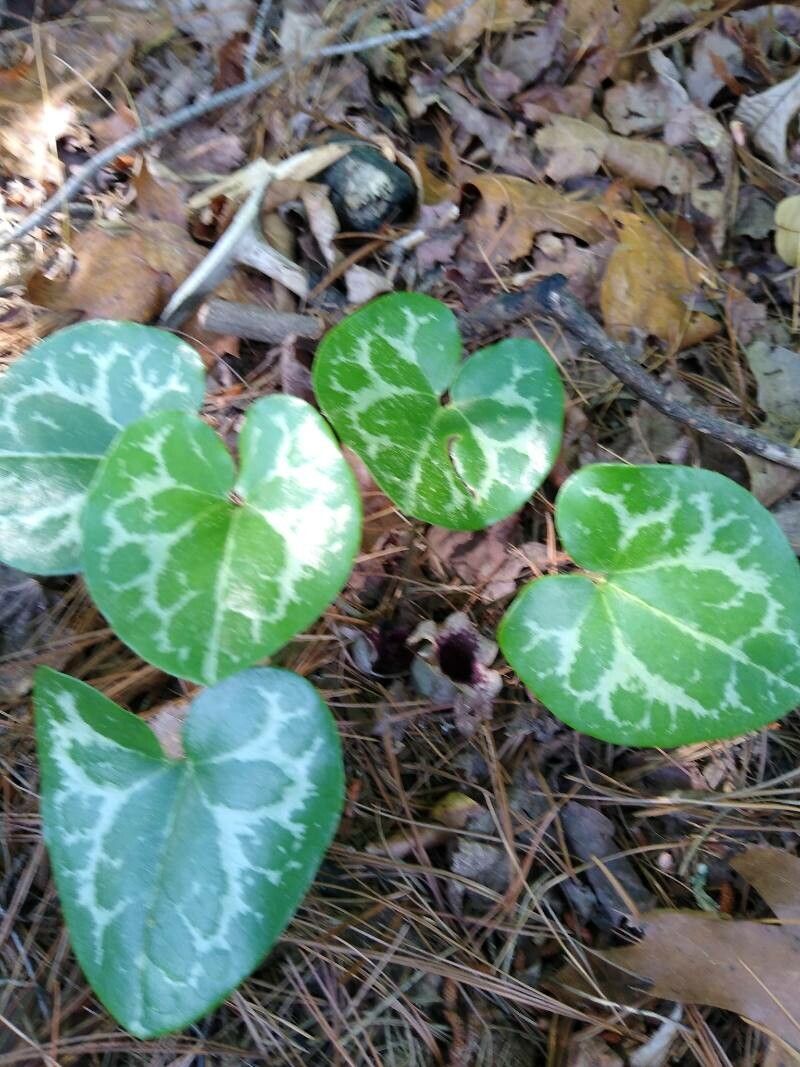
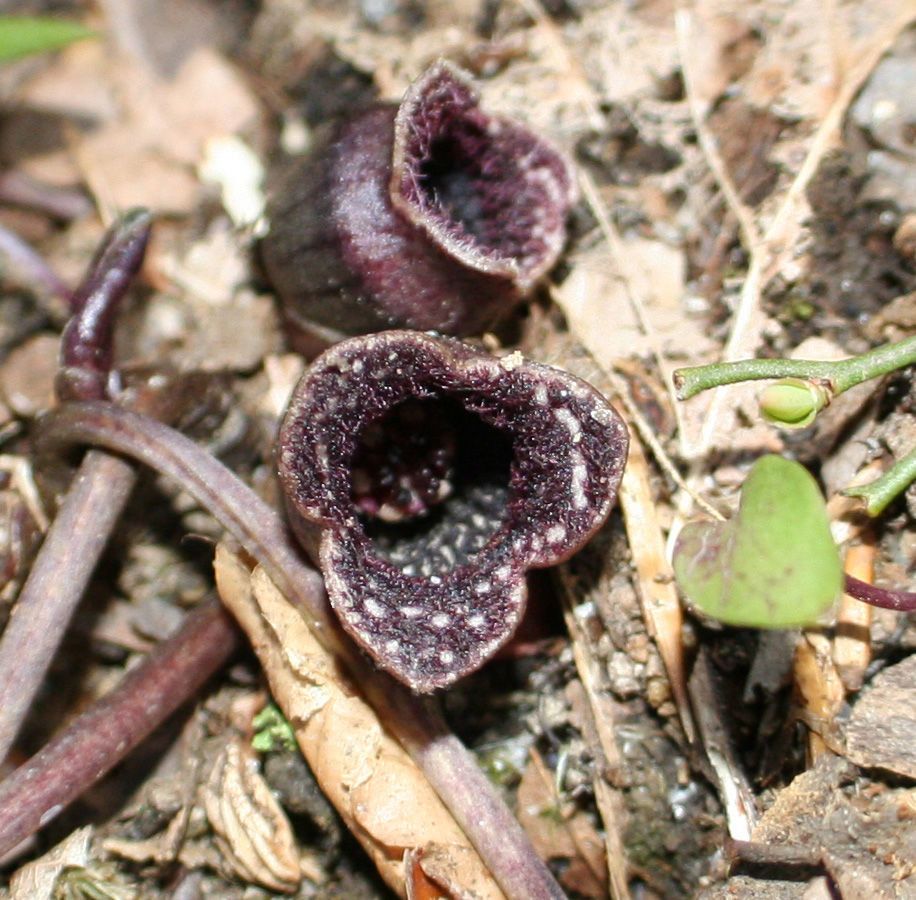
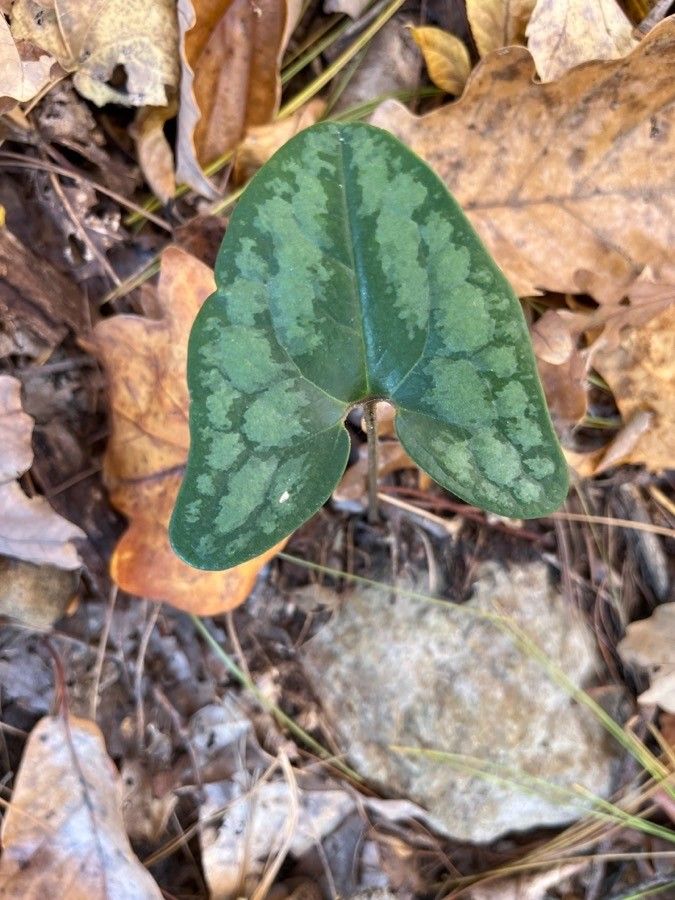
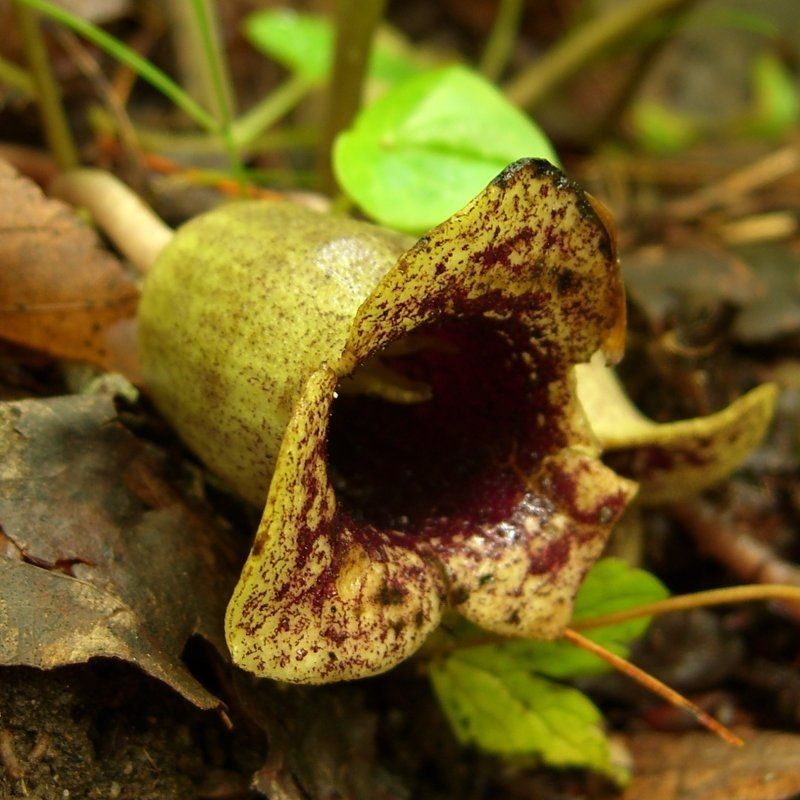
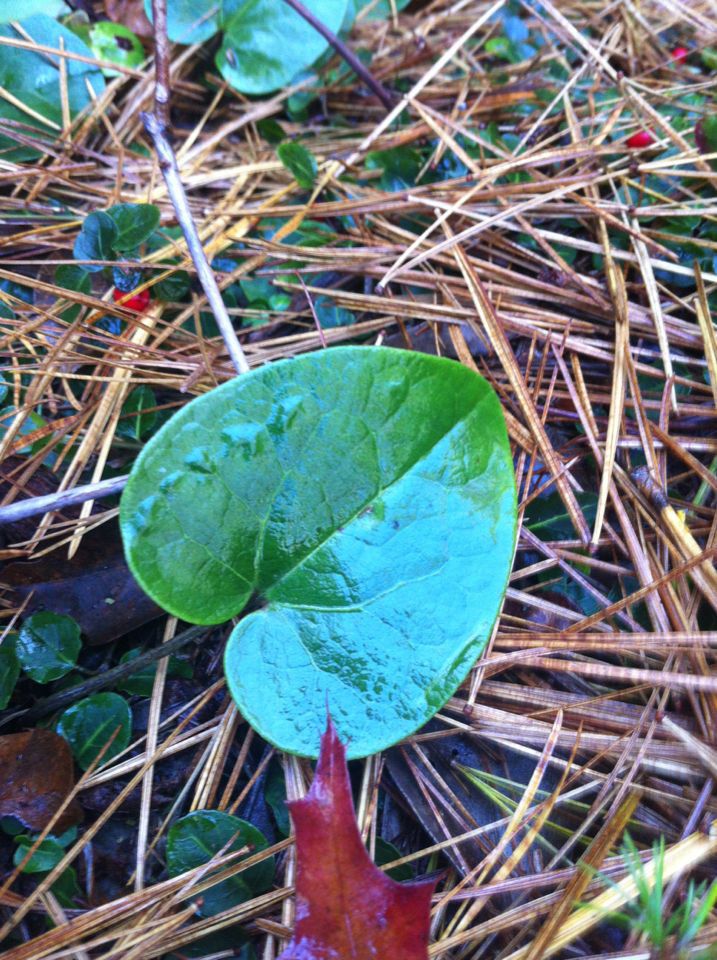
Virginia heartleaf typically thrives in shady woodland areas and can grow up to 12 inches in height. Its heart-shaped leaves are glossy and dark green, reaching up to 4 inches in length. The small, reddish-brown flowers bloom from April through June.
Native Americans have used Hexastylis virginica for centuries due to its medicinal properties, particularly its anti-inflammatory compounds. Additionally, the plant has been employed as a flavoring agent thanks to its spicy aroma.
Virginia heartleaf is ideal for woodland gardens or shady areas where other plants may struggle due to lack of sunlight. It prefers moist soil with good drainage but can endure dry conditions once established.
Overall, Hexastylis virginica is an attractive native plant that offers both aesthetic value and potential medicinal benefits. Its ease of growth in suitable conditions makes it an excellent addition for garden enthusiasts seeking a unique, low-maintenance plant.
Virginia heartleaf shows strong resistance to disease and is generally not prone to illness. However, it can be vulnerable to pests and diseases present in its environment. These problems are typically mild. In terms of care, the plant requires moderate maintenance. It should be pruned regularly to keep a tidy appearance and encourage healthy growth. Fertilizing can also help increase flowering. Virginia heartleaf is suitable for anyone with outdoor space, such as a garden or patio, and does not demand extensive gardening experience. It may need more attention when grown indoors.
How to keep Hexastylis Virginica.
Light
Virginia heartleaf is native to habitats such as forest understories or rocky areas that provide natural shade. It prefers Full Shade but can tolerate Partial Sun.
Water
Virginia heartleaf thrives in moderate moisture and dappled sunlight, requiring weekly watering to mimic natural rainfall. It prefers consistent humidity but can tolerate brief dry periods. While best grown outdoors, Virginia heartleaf flourishes in temperate climates with distinct wet and dry seasons, benefiting from natural precipitation and seasonal changes.
Temperature
Virginia heartleaf can adjust to a broad spectrum of temperatures, yet its range may still be limited by different combinations of moisture and heat. It does best in warm summer climates with sufficient rainfall or watering. Extended stretches of cloudy, rainy weather or prolonged high temperatures can raise the chance of Virginia heartleaf dying. In winter, protecting it from cold can increase the plant's survival rate.
Fertilizer
The best time to fertilize a Virginia heartleaf is in early spring, as it emerges from dormancy and starts active growth. Fertilization supplies essential nutrients needed for healthy growth. Although Virginia heartleaf has relatively low fertilizer requirements, an annual application can improve its survival and encourage better, longer-lasting flowers.
Pruning
The Virginia heartleaf features evergreen, heart-shaped leaves. For best results, prune it from early to late spring. Remove any damaged leaves and thin out crowded areas to improve air circulation. Be sure to use sharp, clean tools to prevent infections. Regular pruning encourages new growth and enhances the plant's appearance.
Botanical profile.
- Plant Type
- Herb
- Life Cycle
- Perennial
- Genus
- Hexastylis
- Family
- Aristolochiaceae
- Hardiness Zone
- 5-8
- Mature Height
- 10 cm to 15 cm
- Mature Spread
- 20 cm to 30 cm
- Leaf Color
- Dark Green, Forest Green
- Leaf Type
- Evergreen
- Flower Color
- Brown
- Flower Size
- 2.03 cm to 3.05 cm
- Bloom Time
- Early spring, Mid spring
- Planting Time
- Spring, Summer, Autumn
- Harvest Time
- Early summer, Mid summer
Other names.