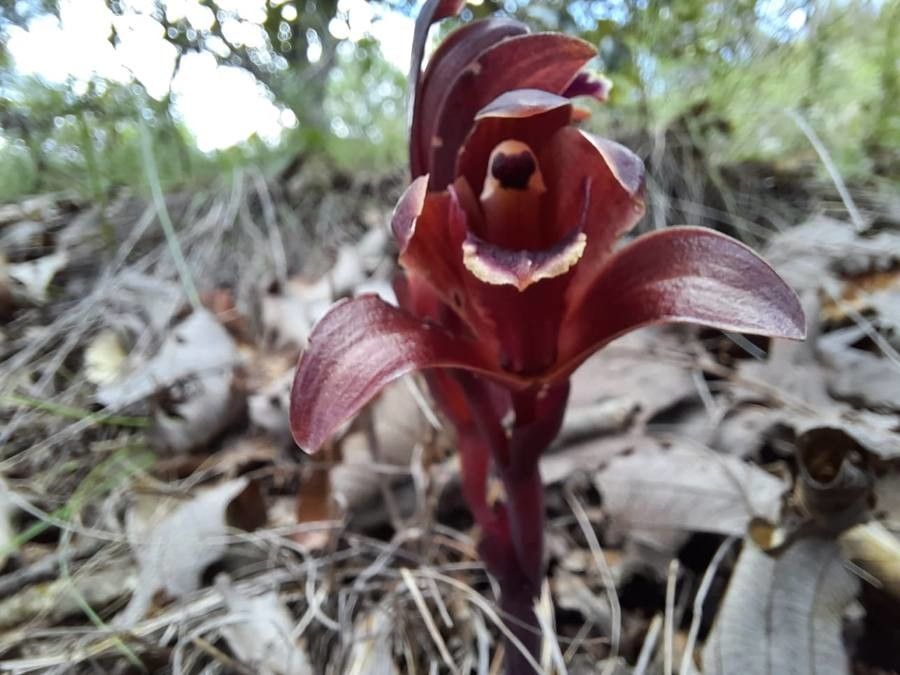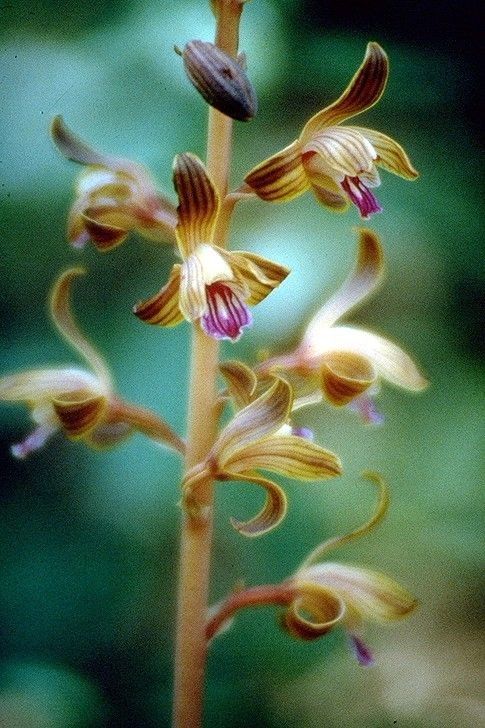
Hexalectris spicata, the spiked crested coralroot, is a terrestrial, myco-heterotrophic orchid lacking chlorophyll and subsisting entirely on nutrients obtained from mycorrhizal fungi in the soil. It is native to Arizona, New Mexico, Texas and Coahuila. It is closely related to H. arizonica and the two are sometimes considered varieties of the same species. Hexalectris spicata is endemic to the southern half of the United States from Arizona east to Florida and north to Maryland and the Ohio Valley.
Spiked crested coralroot typically shows strong disease resistance and is affected by relatively few insect pests. Its care is regarded as difficult because it needs a highly humid yet well-ventilated setting with minimal harmful pathogens. Too much watering can cause root rot. While anyone can grow Spiked crested coralroot, maintaining its health and getting it to bloom again requires more cultivation experience.
How to keep Hexalectris Spicata.
Light
Spiked crested coralroot is native to habitats like forest understories and rocky areas, where it grows in natural shade. It prefers partial sun but can tolerate full sun or full shade, showing its adaptable, hardy nature.
Water
The spiked crested coralroot thrives in moisture-rich environments, similar to its native woodlands, and requires weekly watering for optimal health. While it can adapt to moderate dryness, the plant needs stable humidity levels. This makes it ideal for indoor cultivation, where moisture can be effectively regulated.
Temperature
Spiked crested coralroot prefers a moderate temperature range, flourishing at 50 to 95 °F (10 to 35 °C). To support optimal growth during seasonal shifts, adjust temperatures accordingly while remaining within this range.
Fertilizer
The primary time to fertilize Spiked crested coralroot is in early spring when the flowers are developing. Using the proper fertilizer promotes better blooms and helps Spiked crested coralroot produce attractive flowers. Fertilizing in early spring ensures strong flowers throughout the season and supplies energy for dormant growth phases.
Pruning
The spiked crested coralroot is known for its distinctive spiked blooms. To ensure healthy growth, it should be pruned from early to late spring. Regular, light maintenance is crucial for several reasons: it helps shape the plant, removes any damaged foliage, prevents disease, enhances the plant's appearance, and improves air circulation. All of these factors contribute to better blooming potential and overall plant vigor.
Botanical profile.
- Plant Type
- Herb
- Life Cycle
- Perennial
- Genus
- Hexalectris
- Family
- Orchidaceae
- Hardiness Zone
- 6-10
- Mature Height
- 20 cm to 76 cm
- Mature Spread
- 30 cm to 91 cm
- Leaf Color
- Brown
- Leaf Type
- Semi-evergreen
- Flower Color
- Pink
- Flower Size
- 2.54 cm
- Bloom Time
- Early summer, Mid summer
- Planting Time
- Spring, Summer
- Harvest Time
- Late summer, Early fall
Other names.
Reader questions.
How should I water my Spiked crested coralroot plant?
The watering needs of the Spiked crested coralroot depend on whether it is actively growing or not. During active growth, water should be applied to the soil and occasional overhead watering allowed, especially in warm weather. In contrast, during winter or cool and wet weather, it's best to stick to watering the soil directly. Signs that the plant needs more water include thin and dry leaves or discoloration. If the coralroot receives too much water, it may appear mushy and limp. When growing this plant in a pot, ensure that the potting mix has good drainage. During the growing season, water the plant multiple times per week, making sure the water drains quickly to prevent standing water. The size of the pot will determine the frequency of watering, with larger pots needing less frequent watering. Rainwater and distilled water are ideal for this plant, and it's best to match the water temperature to the air temperature as closely as possible.
How much sunshine does Spiked crested coralroot need to grow?
Spiked crested coralroot needs both direct sunlight and shade to flourish. It requires about 3-6 hours of direct sunlight daily, but during the hottest parts of the day, some shade is necessary to prevent sun damage. The best time for it to receive sunlight is in the morning, although it can tolerate some afternoon sun if the temperature isn't too hot. For the ideal amount of sunlight, you can plant Spiked crested coralroot in an area that receives partial sun, like under a tree or on the east side of a building.
What temperature is best for Spiked crested coralroot?
The temperature needed for Spiked crested coralroot depends on the time of year. Let's discuss the two main seasons: the growing season and the dormancy season. During the growing season, when the plant starts to sprout, the ideal temperature range is 65-80℉ (18-27℃). If it gets colder than 15℉ (-10℃), the plant will suffer, causing its leaves to brown and wilt. However, if it's only a short cold snap, the plant may survive with some help. In the warmer parts of the year, Spiked crested coralroot also needs protection from high temperatures. The maximum temperature range for this plant is 95-105℉ (35-40℃). Anything above that will damage the leaves and flowers. High temperatures can cause wilting, drooping, and even sunburn on the leaves, which can be challenging for the plant to recover from. Thankfully, there are several quick and easy ways to address this issue.
What should I do if I give too much water or too little water to my Spiked crested coralroot plant?
To prevent your Spiked crested coralroot from dying, make sure you don't keep it in overly moist soil. These plants need water often, but they also need well-draining soil. If you overwater the plant, it will become mushy and develop root rot. In that case, use sterile pruning shears to remove any rotting roots. Then, repot the plant using a container with good drainage and fast-draining potting mix. However, excessive repotting can harm the plant, so it's important to water it correctly. If the plant starts shriveling and feeling dry, it's likely underwatered. Increase your watering frequency if this happens because the soil is drying out faster than expected.
What happens if Spiked crested coralroot doesn't get enough sunlight?
Spiked crested coralroot can suffer from sun damage if it receives excessive direct sunlight. This can cause its leaves to yellow, dry out, or burn. Additionally, you may observe wilting or stunting of the plant. To prevent this, it is important to provide some shade for Spiked crested coralroot during the hottest times of the day. This can be achieved by using a shade cloth or planting it near taller plants that can offer natural shade.
We need to know the right temperature for first-year or young Spiked crested coralroot plants.
If you have just planted your Spiked crested coralroot outside for the first time, it may need some extra care during the coldest months. Frost can cause severe damage to a first-year plant and prevent it from growing back properly in the spring. To keep the plant healthy, it should be kept above 40℉(5℃) until it is established. This can be done by bringing it inside for a month or two or using mulch or fabric barriers to protect it from frost. During the first year or two, it's best to plant the Spiked crested coralroot in a shadier spot because smaller and weaker plants struggle to regulate their own temperatures in hot weather. They should also receive no more than five hours of direct sunlight per day if the temperature goes above 80℉(27℃). Using shadecloth and providing frequent watering or misting can help control the heat during the summer.
How frequently should I water my Spiked crested coralroot?
During the active growth stage in spring and summer, water your Spiked crested coralroot once or twice per week. Increase watering to three times per week or more during hot and dry weather. In winter, water your Spiked crested coralroot, but not as much. Watering two to three times per month should suffice during the coldest months. If you keep your Spiked crested coralroot indoors in winter, be aware that indoor locations can dry out the soil faster, so you may need to water more often. Use the fall season to gradually decrease watering from multiple times per week to your reduced winter schedule.
What happens if the Spiked crested coralroot gets too much sunlight?
Spiked crested coralroot may become tall and lanky with sparse foliage if it doesn't receive enough sunlight. The leaves may also turn yellow or pale green, which indicates a lack of chlorophyll production caused by insufficient sunlight. To fix this issue, consider moving Spiked crested coralroot to a sunnier location or trimming nearby foliage to enable more light to reach the plant.
How can I keep Spiked crested coralroot safe from really hot or really cold temperatures?
If the growing season experiences cold temperatures below 15℉(-10℃), there are ways to protect the Spiked crested coralroot from frost or cold damage. If it is grown in a container, simply bring it inside in bright, indirect light until temperatures rise above the lower threshold again. If it is planted in the ground, using mulch or horticultural fabric to create an insulated barrier around the plant will protect it from frost and cold wind. On the other hand, if temperatures rise above 80℉(27℃) in the shade during the day, it is important to limit the amount of sunlight exposure to Spiked crested coralroot to six hours or less per day, preferably in the morning. Setting up shade cloth or fine plastic mesh can help reduce the direct sunlight during the hottest parts of the day. Additionally, installing a misting system that releases cooling mist around the plant's base throughout the day will help lower ground temperatures.
What do I need to think about when watering my Spiked crested coralroot at different times of the year and when it's growing?
When planning the watering schedule for your Spiked crested coralroot, it's important to consider two key growth phases. The first phase is the active growth period which occurs in spring and summer. During this time, the plant requires frequent watering, multiple times per week. The second phase is the rest period, which the Spiked crested coralroot goes through in winter for approximately two to three months. During this period, the plant needs much less water and fertilization compared to normal. You should water it about once or twice per month. As fall approaches, it is recommended to gradually reduce the watering frequency from multiple times per week to the appropriate rate of once or twice per month for the winter season.
Suggested temperatures during the dormant season for Spiked crested coralroot.
Spiked crested coralroot needs sufficient cold during winter to remain dormant until it's ready to sprout. If it sprouts too early before the last frost danger has passed, it could die especially if it started growing before the frost hits. Winter temperatures should ideally be below 32℉ (0℃), but if they reach 40℉ (5℃), it should be fine. However, in milder climates like woodland rainforests, an unexpected warm period can cause premature sprouting. If there's still a risk of frost, you can protect the sprout by covering it with clear plastic on stakes. This cover can be removed when the frost danger has passed. Occasionally, Spiked crested coralroot will naturally sprout at the right time, but using this method increases the chance of a successful second sprouting.
If I grow Spiked crested coralroot indoors, how should I water it in a different way?
The Spiked crested coralroot thrives in humid environments, which can be a challenge to replicate indoors. Indoor growing locations often lack the necessary moisture level, causing the plant and its soil to dry out faster compared to outdoor growth. To address this issue, it is recommended to have a humidifier in the growing room. Additionally, you may need to water the plant more frequently. However, it's important to strike a balance as Spiked crested coralroots also require adequate air circulation to prevent excessive moisture and related diseases. Therefore, consider including a fan in the room to ensure proper airflow.