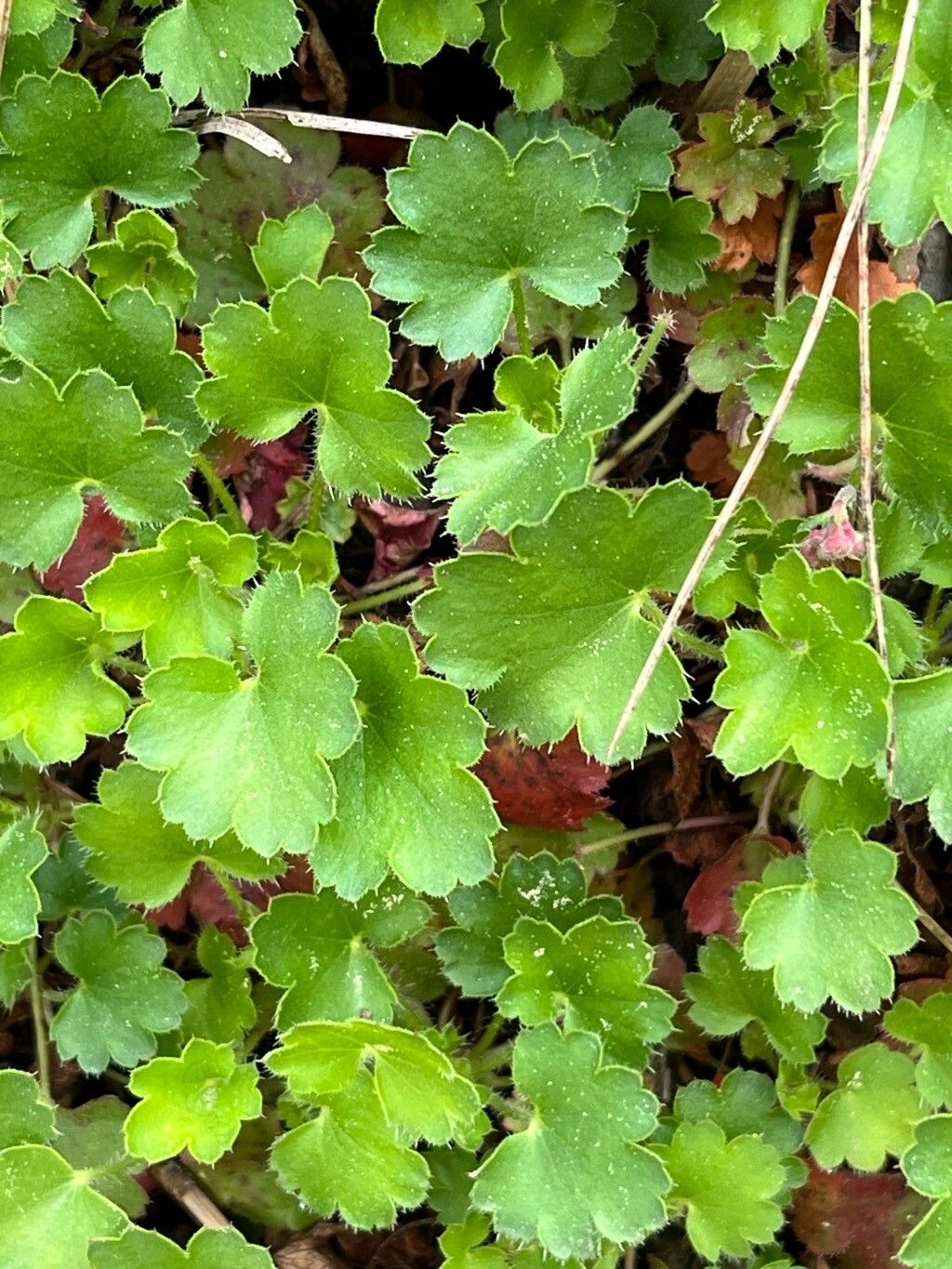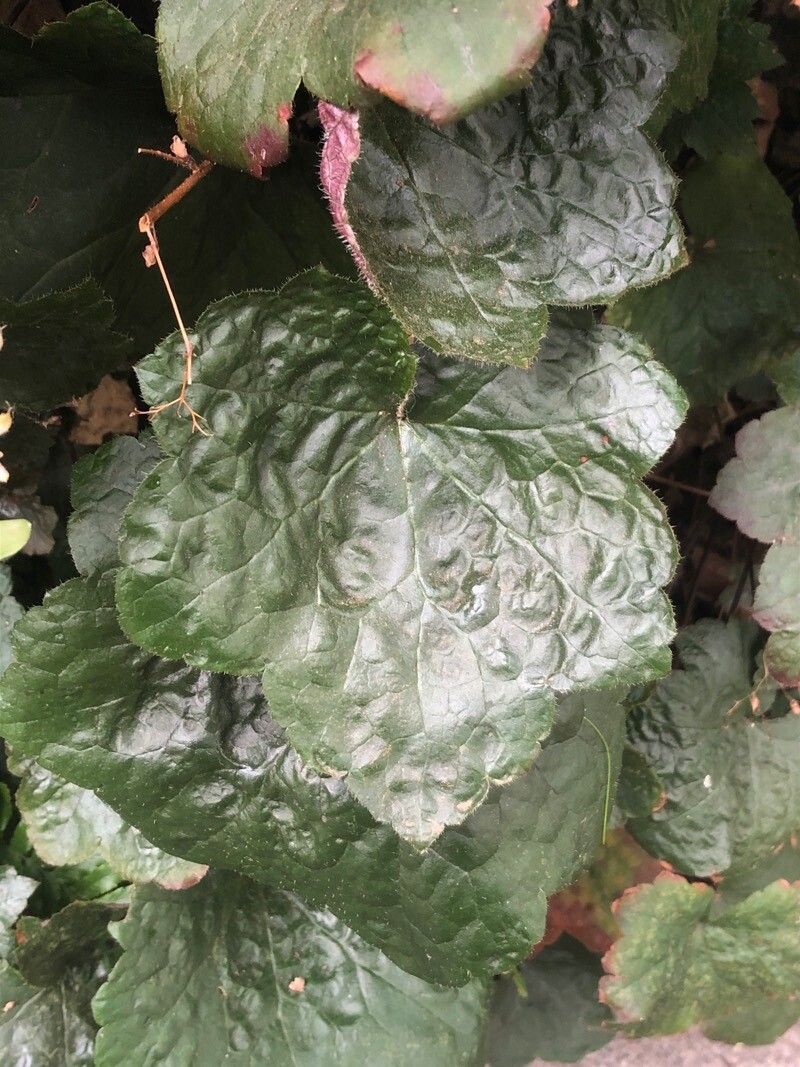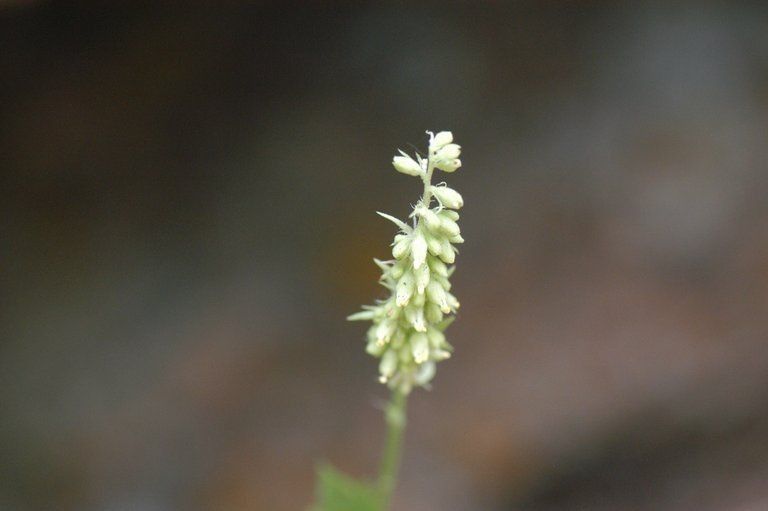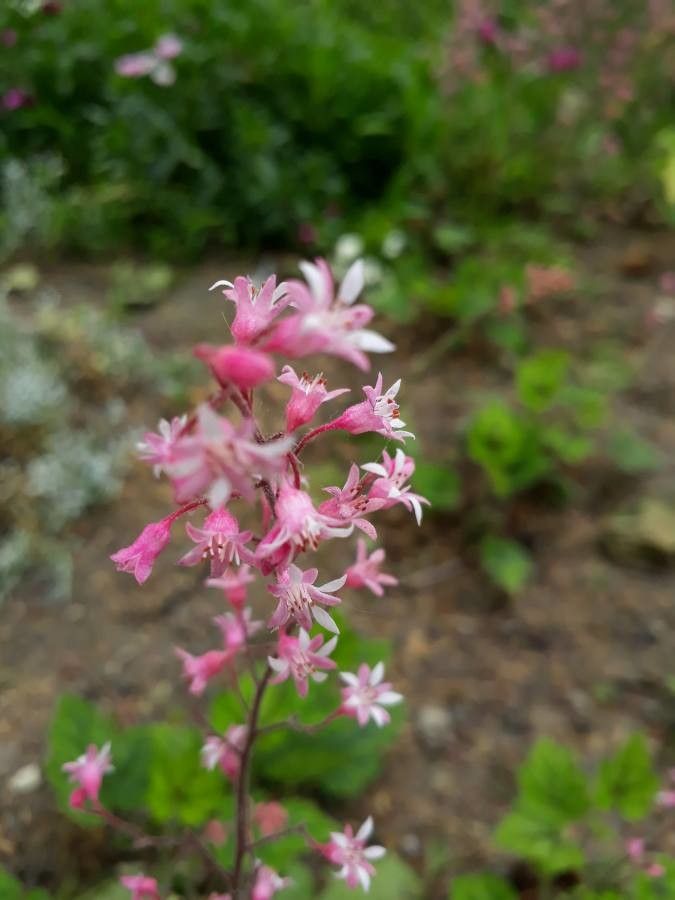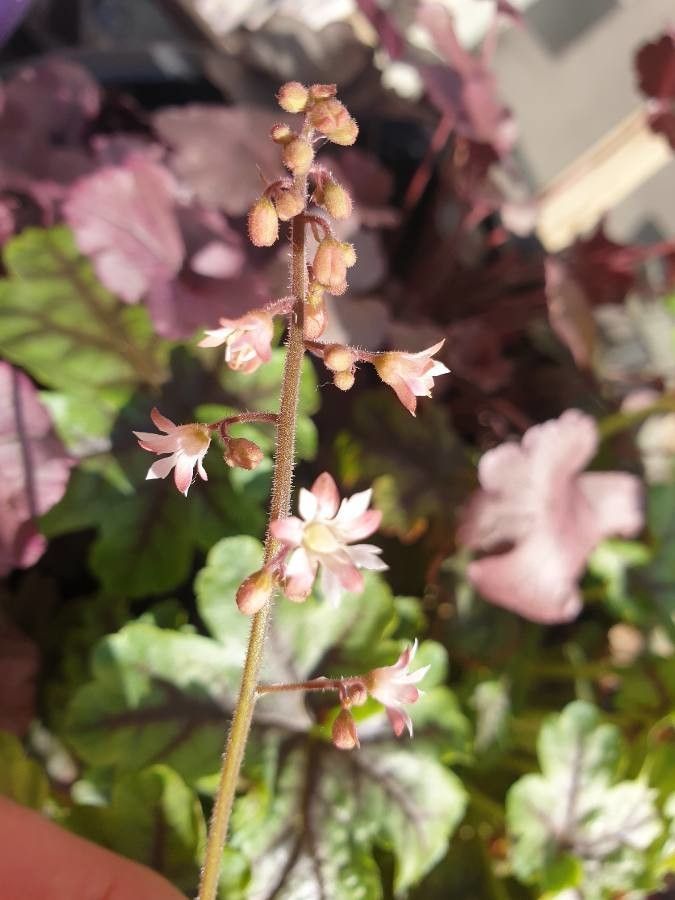
Heuchera elegans is a species of flowering plant in the saxifrage family known by the common name urn-flowered alumroot. It is endemic to the San Gabriel Mountains of Southern California, where it grows on the rocky slopes. Heuchera elegans is a rhizomatous perennial herb with multi-lobed leaves. It produces an erect, drooping inflorescence which bears bright pink or magenta bell-shaped flowers.
CultivationWhile uncommon in the wild, Heuchera elegans is cultivated as an ornamental plant for its attractive garden flower, and for wildlife gardens and natural landscaping.
Urnflower alumroot is fairly resistant to disease and typically does not suffer from illnesses. Still, it can be vulnerable to pests and diseases present in its environment. When infections occur, they are generally mild. Regarding maintenance, this plant needs a moderate amount of care. It should be pruned on a regular basis to preserve its appearance and support healthy growth. Applying fertilizer can also encourage more blooms. Urnflower alumroot is a good choice for anyone with outdoor areas, like a garden or patio, and does not demand extensive gardening experience. If kept indoors, it may need extra attention.
How to keep Heuchera Elegans.
Light
Urnflower alumroot naturally occurs in places like forest understories and rocky sites, where it grows in natural shade. It prefers partial sun but can tolerate full sun or full shade, showing that it is adaptable and hardy.
Water
Urnflower alumroot is drought-resistant once established and needs only occasional watering, particularly in the fall and winter. During the summer, make sure it gets about 1 inch (2.5 cm) of water per week. Water early in the morning at the base of the plant to avoid sun scorching. Be sure to monitor plants in containers more closely.
Temperature
Urnflower alumroot can tolerate a broad range of temperatures, but its distribution can still be constrained by different combinations of water and heat. It does best in warm summer conditions with sufficient rainfall or irrigation. Extended periods of cloudy, rainy weather or prolonged high temperatures raise the risk of Urnflower alumroot dying. In winter, shielding the plant from cold can increase its chances of survival.
Fertilizer
The best time to fertilize an Urnflower alumroot is in early spring, when it is coming out of dormancy and beginning active growth. Fertilizing supplies essential nutrients for healthy development. Although Urnflower alumroot has fairly low fertilizer requirements, an annual application can improve its survival and encourage better, longer-lasting flowers.
Pruning
In the spring, remove any dead or damaged leaves from urnflower alumroot to encourage new growth and vibrant foliage. To extend the blooming period, deadhead any faded flower stalks. Avoid pruning in late fall. Instead, use sharp secateurs to cut away any longer, unproductive woody stems to promote overall growth.
Botanical profile.
- Plant Type
- Herb
- Life Cycle
- Perennial
- Genus
- Heuchera
- Family
- Saxifragaceae
- Hardiness Zone
- 4-9
- Mature Height
- 20 cm to 40 cm
- Mature Spread
- 30 cm to 46 cm
- Leaf Color
- Light Green, Silver
- Leaf Type
- Evergreen
- Flower Color
- White, Pink
- Flower Size
- 0.51 cm to 1.02 cm
- Bloom Time
- Mid spring, Late spring, Early summer
- Planting Time
- Spring, Summer
- Harvest Time
- Summer