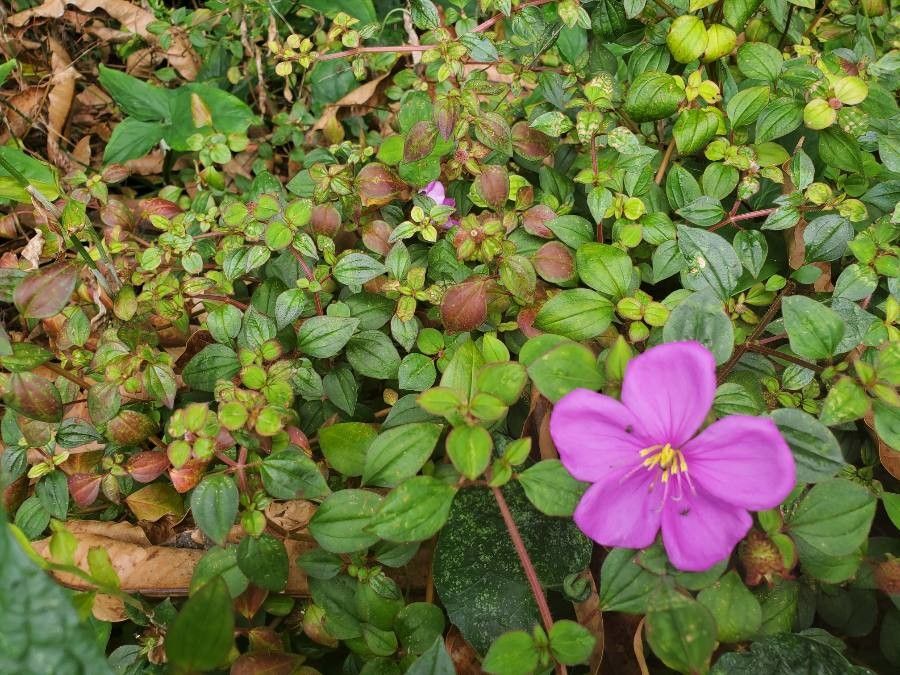
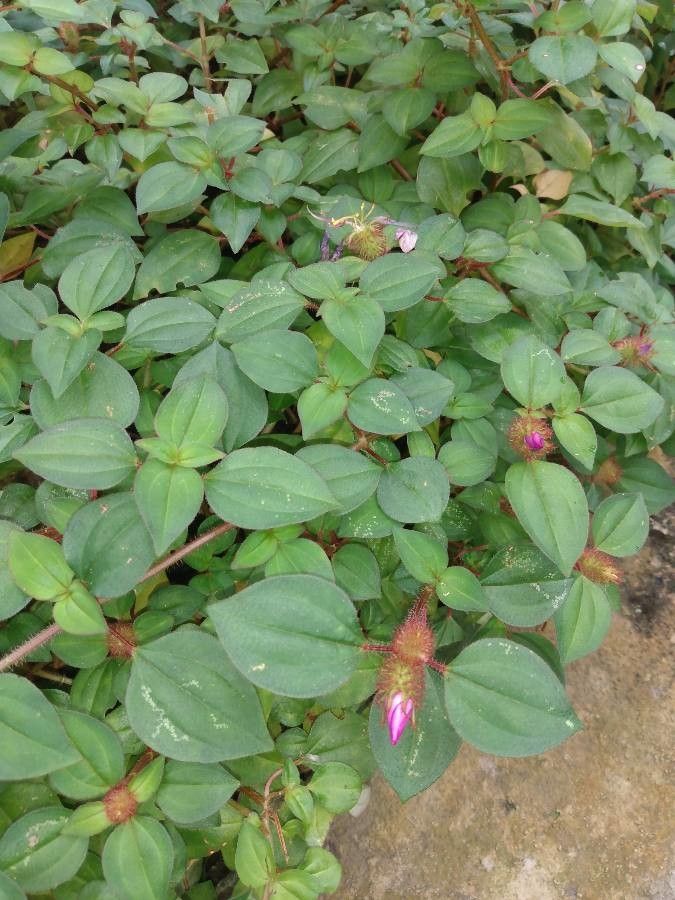
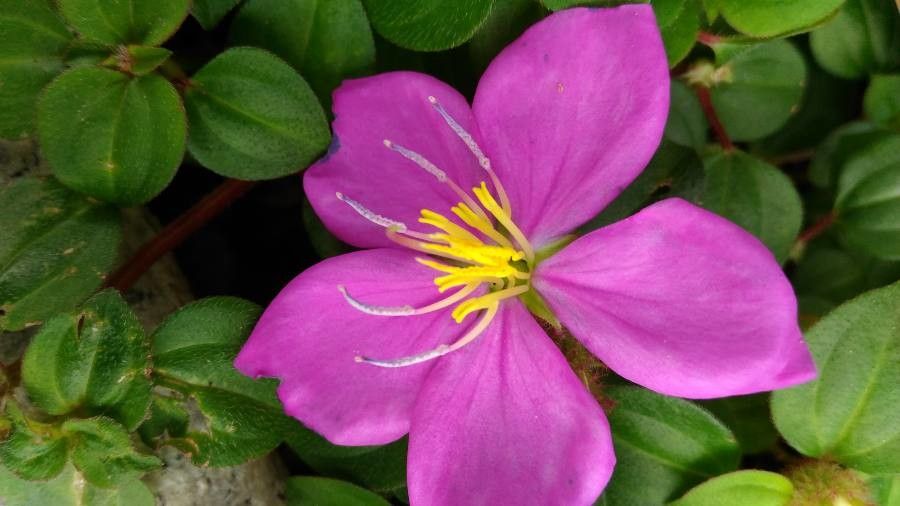
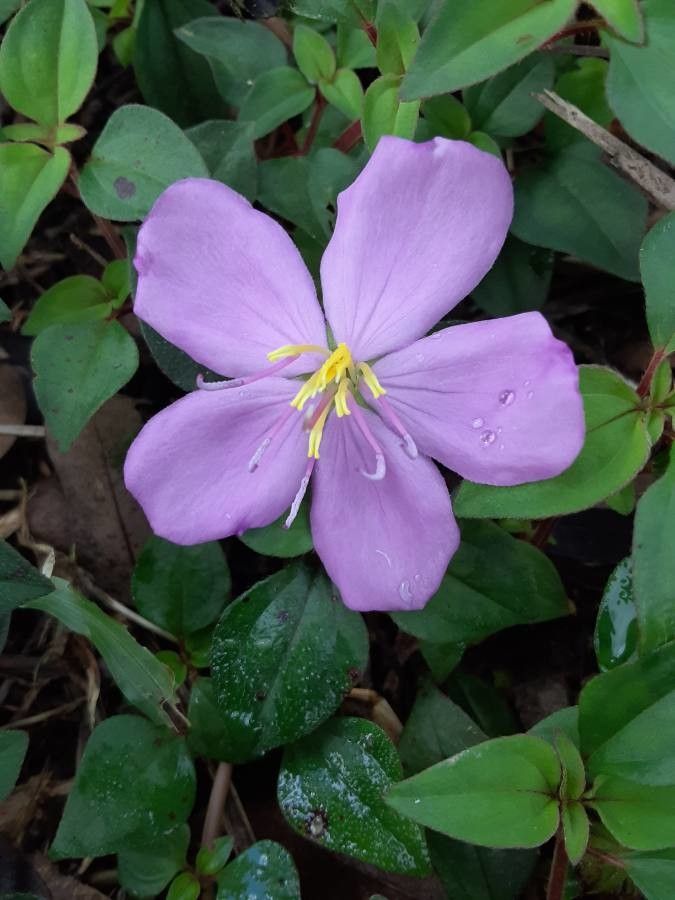
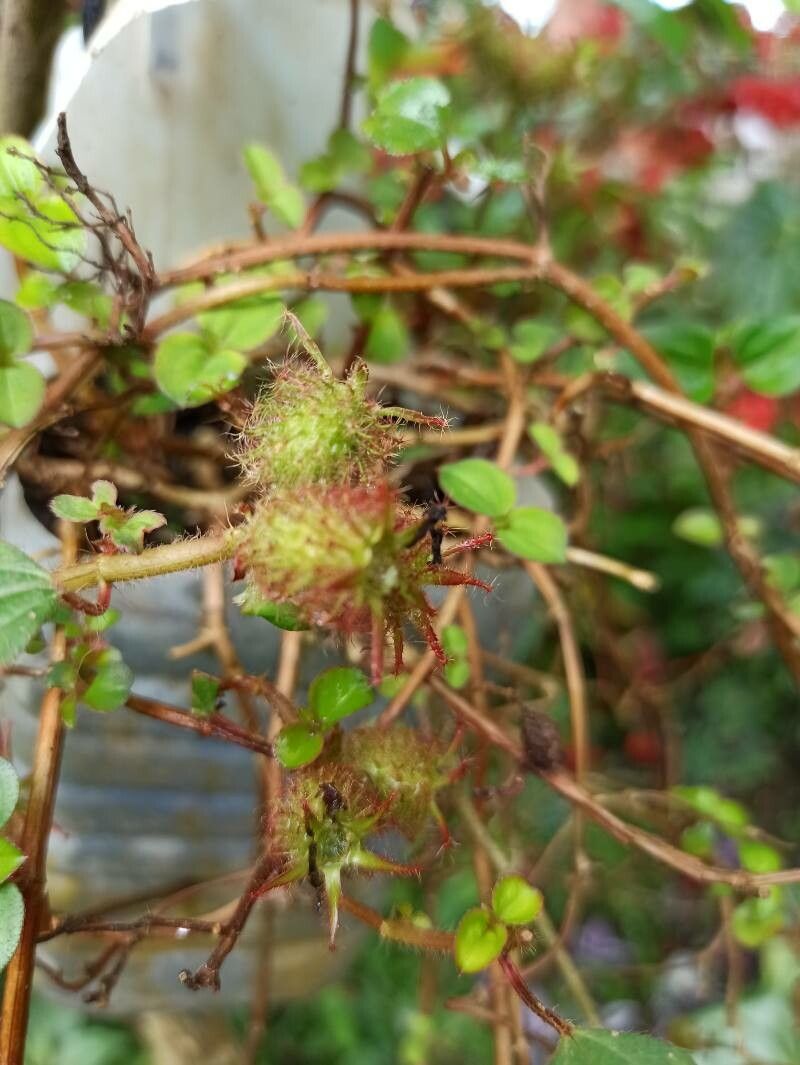
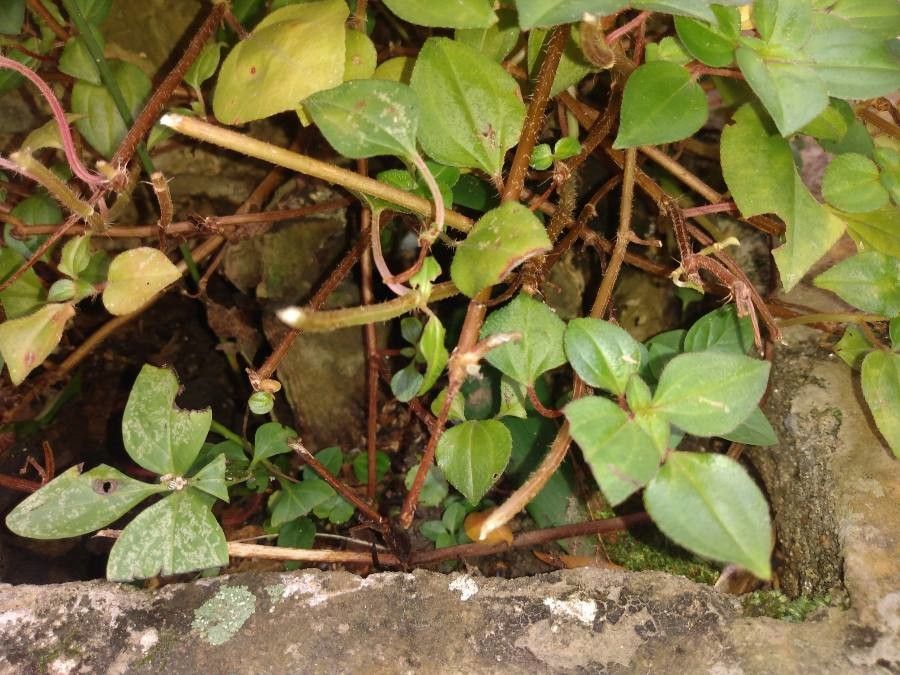
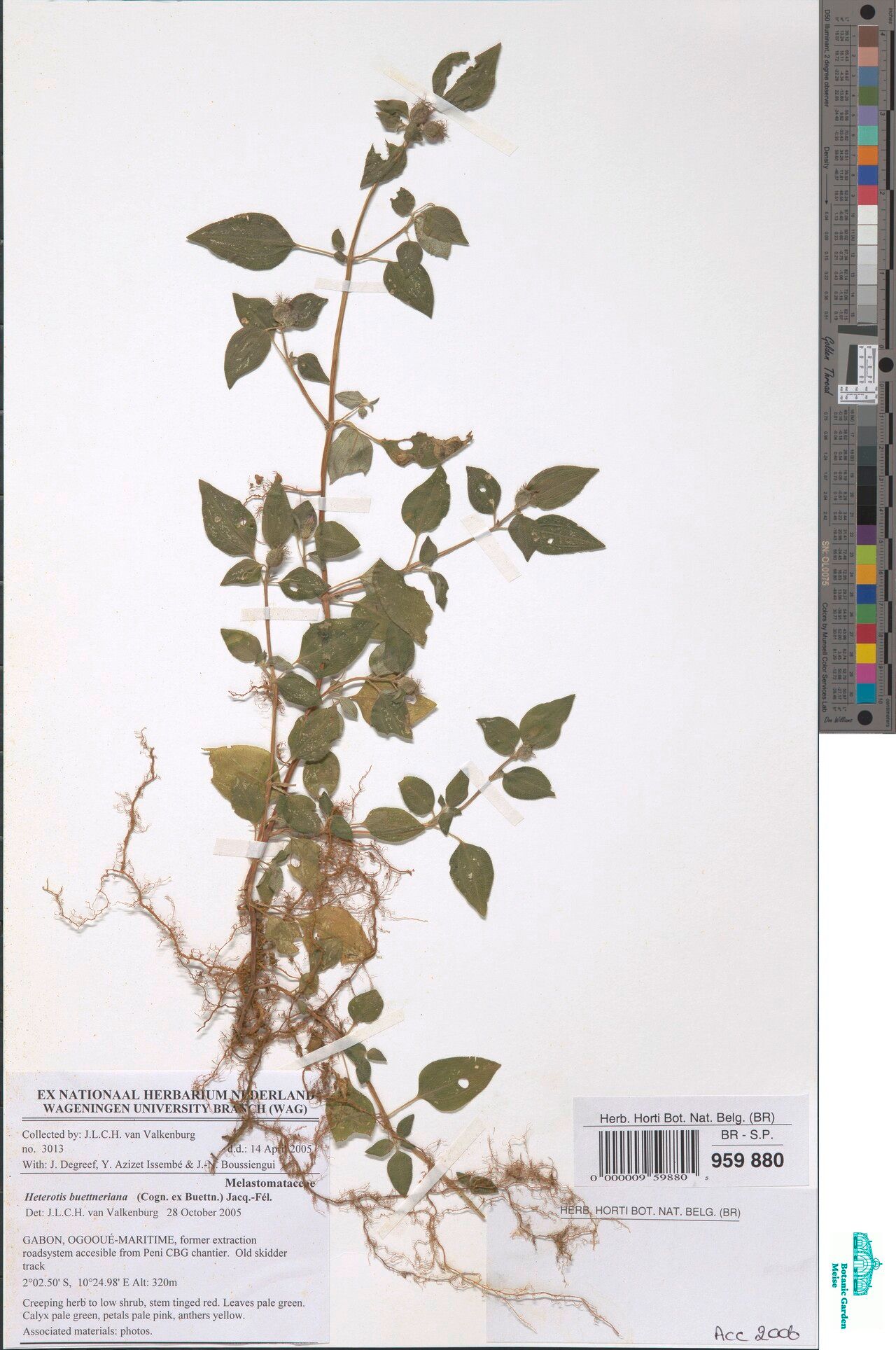
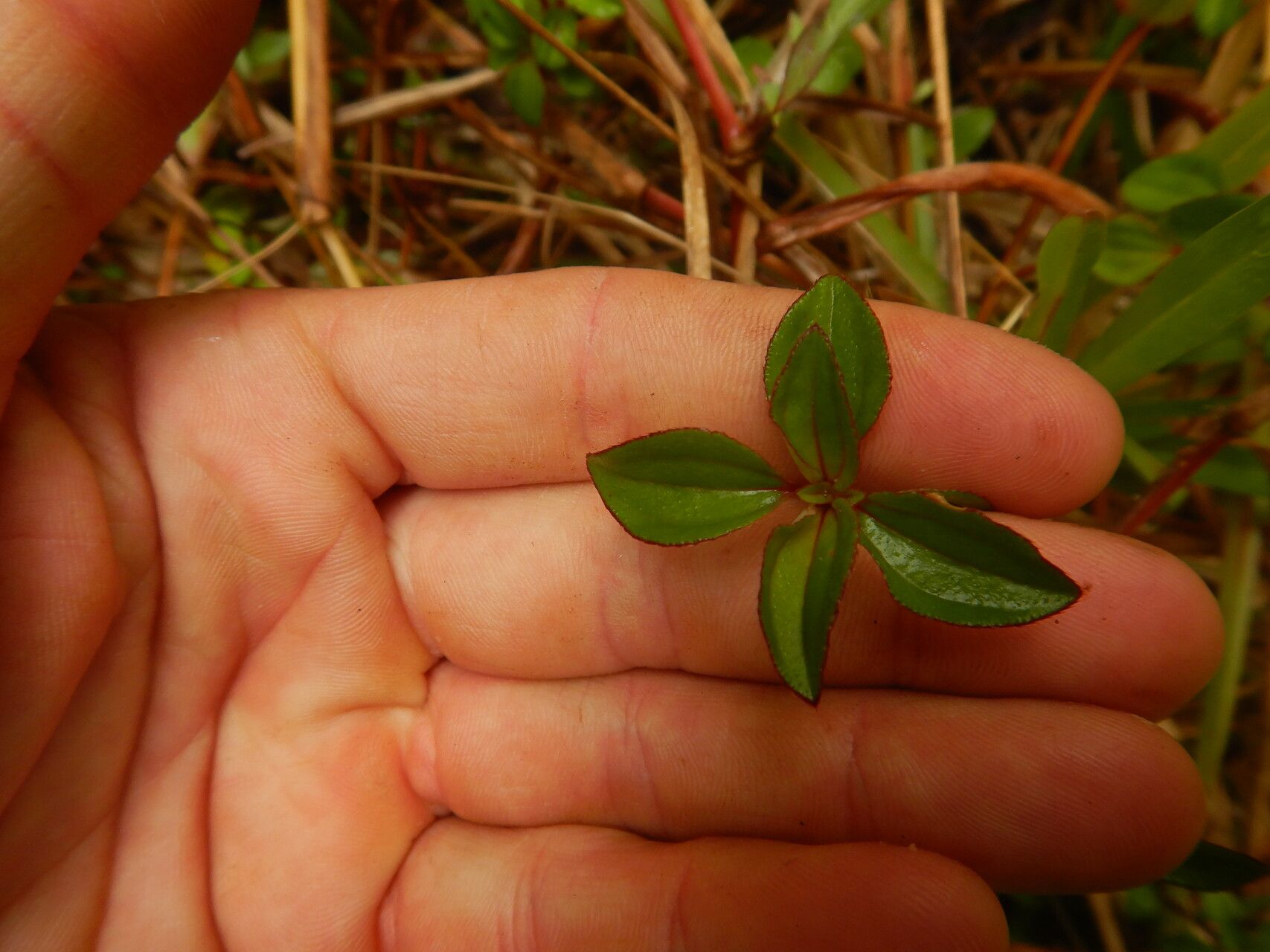
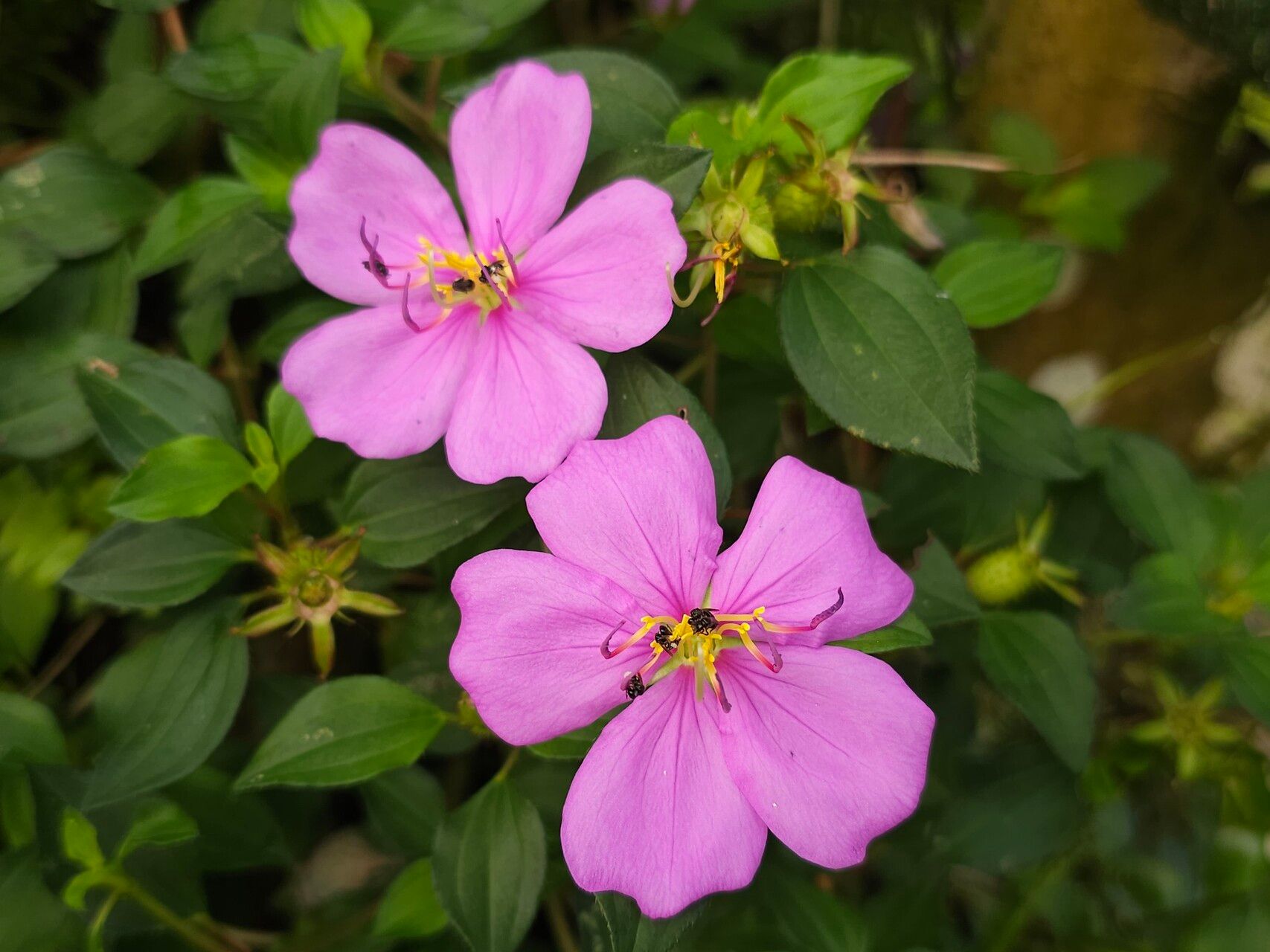
Heterotis rotundifolia, commonly called pink lady, Spanish shawl, or rockrose, is a shrub in the family Melastomataceae that occurs in tropical Africa.
Spanish shawl has good resistance to diseases and generally is not prone to illnesses. However, it can be susceptible to pests and diseases present in its environment. These infections are typically not severe. For care, this plant requires moderate maintenance. It needs regular pruning to keep a pleasing appearance and support healthy growth. Fertilizing can also aid in encouraging flowering. Spanish shawl is appropriate for anyone who has outdoor space, such as a garden or patio, and does not demand extensive gardening experience. It may need more attention when grown indoors.
How to keep Heterotis Rotundifolia.
Light
Spanish shawl comes from habitats with dappled light, like the understory of tropical forests or rocky sites that offer natural shade. It prefers partial sun but can also tolerate full shade.
Water
The Spanish shawl thrives in tropical climates, requiring consistent moisture and weekly watering to stay healthy. While it is moderately drought-tolerant, it still needs regular hydration, particularly during cooler months. As an evergreen plant, the Spanish shawl keeps its foliage year-round, so it's important to monitor humidity levels when it is kept indoors.
Temperature
Spanish shawl is native to habitats where temperatures range from 68 to 100 °F (20 to 38 ℃). This temperate plant does well within a moderate climatic range. In colder, frost-prone areas, seasonal temperature adjustments may be necessary.
Fertilizer
Correct fertilization is vital for the Spanish shawl's health and appearance. Fertilize the Spanish shawl in summer, applying it monthly throughout the season. Nutrients fuel growth and help maintain the plant's components. Fertilization improves the Spanish shawl's flower display, ensuring the best blooms.
Pruning
The Spanish shawl is known for its striking purple-pink flowers. To shape the plant and encourage growth, it's important to prune it from early to late spring. Focus on trimming dead stems and thinning out dense areas to improve air circulation. Always use clean tools to prevent plant shock. Regular pruning not only helps maintain a lush appearance but also promotes abundant blooming.
Botanical profile.
- Plant Type
- Herb
- Life Cycle
- Perennial
- Genus
- Heterotis
- Family
- Melastomataceae
- Hardiness Zone
- 10-11
- Mature Height
- 15 cm to 30 cm
- Mature Spread
- 30 cm to 61 cm
- Leaf Color
- Green, Dark Green
- Leaf Type
- Semi-evergreen
- Flower Color
- Lavender
- Flower Size
- 4.06 cm
- Bloom Time
- All year round
- Planting Time
- Spring, Summer, Autumn
- Harvest Time
- All year round
- Native Area
- Malawi, Egypt, Angola, Zambia, Sudan, Guinea, Gabon, Guinea-Bissau, Kenya, Uganda, Tanzania, Zimbabwe, Benin, Central African Republic, Sierra Leone, Equatorial Guinea, Cameroon, Liberia, Mozambique, Togo, Ghana, Côte d'Ivoire, Congo (DRC), Congo
Other names.
Reader questions.
What should I do if I give my Spanish shawl too much water or too little water?
Overwatering and underwatering can harm your Spanish shawl, but overwatering is more common. When the plant gets too much water, its stems and leaves may wilt and turn yellow. Prolonged overwatering can lead to diseases like root rot, mold, and mildew, which can be fatal. Underwatering is less common because the Spanish shawl is drought-tolerant. However, it can still happen, causing brittle and brown leaves. It's crucial to recognize signs of overwatering early, as some diseases may not be fixable if you wait too long. Reduce watering if you see these signs and check the soil drainage. Replace poorly draining soil with a loose, well-draining mix. If your Spanish shawl is not getting enough water, simply increase your watering frequency until the signs improve.
What are the ideal temperature conditions for a Spanish shawl?
The Spanish shawl, Heterotis rotundifolia, thrives in environments experiencing temperatures between 68 to 100 °F (20 to 38 °C). This temperate plant prefers moderate climatic conditions and is extremely heat-loving. It requires seasonal temperature adjustments in colder, frost-prone areas. To protect it from cold, it's recommended to bring it indoors during autumn and position it near a bright window, away from heaters. Keeping the temperature above 20°C during winter promotes healthy growth, while temperatures approaching 5°C are harmful.
How frequently should I water my Spanish shawl?
If your Spanish shawl plant is in a pot, the most precise way to determine if it needs water is by checking the moisture level of the soil. Simply insert your finger into the soil and if the top two to three inches are dry, it's time to water it. If you have the Spanish shawl plant growing outdoors in the ground, you can use a similar method to test the soil. Once again, if the top few inches of soil have dried out, it's time to give it some water. In the spring and early fall seasons, following this method will typically result in watering the plant about once a week. However, during extremely hot weather, you may need to increase the frequency to about twice a week or even more. It's worth noting that mature and well-established Spanish shawl plants have an impressive ability to tolerate drought.
How does low temperature affect the Spanish shawl and what are the solutions?
Spanish shawl is not tolerant of low temperatures, preferring environments above 20°C. In winter, it should be kept above 5°C to avoid damage. Exposure to temperatures below 1°C may cause the leaves to lighten in color, and after frost damage, they gradually turn brown or black. Symptoms like wilting and drooping can also occur. The solution involves trimming off the frost-damaged parts and moving the plant to a warm, indoor environment. Placing it near a south-facing window ensures ample sunlight, but it should not be placed near heaters or air conditioning vents to avoid air dryness.
How much water should I give my Spanish shawl plant?
When watering your Spanish shawl, do not hold back on the amount of water you give. It is important to thoroughly water the plant when the top two to three inches of soil have dried out. Make sure to water the soil completely, allowing excess water to flow through the drainage holes at the bottom of the pot. If you do not see any extra water draining, it means you have not watered enough. However, be careful not to let water accumulate in the soil, as it can be harmful to the plant. On the other hand, if water does not drain properly from the pot, it could indicate poorly draining soil, which is not good for the plant's health. If the plant is outdoors, it only needs about 1 inch of rain per week.
How to manage high temperatures for a Spanish shawl?
In the summer, it's important to keep the Spanish shawl below 38°C to prevent heat stress. Exceeding 43°C can make the leaves lighten and increase the risk of sunburn. To manage high temperatures, trim away sunburned and dried-up parts, and relocate the plant to a spot that provides shade from the intense midday and afternoon sun. Watering the plant in the morning and evening helps keep the soil moist and supports the plant during hot conditions.
How do I give water to my Spanish shawl plant at different growth stages?
The water needs of the Spanish shawl can vary based on its growth stages. When the plant is in its early years or has just been transplanted, it requires more water to support root development. These young roots need extra moisture to grow properly. As the Spanish shawl matures, it will require less water overall. However, during the blooming period, the plant will need additional water as flower development requires a significant amount of moisture.
How do I water my Spanish shawl in different seasons?
The Spanish shawl has different water needs depending on the season. It requires the most water during the hottest months of the year, especially in the peak of summer. You may need to water it more than once per week, depending on how quickly the soil dries out. During winter, the plant goes into a dormant phase and needs significantly less water. In fact, you may not need to water it at all. If you choose to water it during winter, it's important to be cautious and not water more than once per month, as excessive watering can increase the risk of disease.
What's the difference in watering my Spanish shawl inside or outside?
For gardeners living in temperate and tropical regions, growing the Spanish shawl indoors is most common. However, it's important to consider that soil in a container tends to dry out faster than ground soil. If you have drying elements like air conditioning units, your Spanish shawl may need more frequent watering compared to if it were planted outside. In such cases, you may not need to water it very often if you receive regular rainfall to keep the plant alive. On the other hand, for those growing this plant indoors, watering will be required more often since rainwater cannot be an option for soaking the soil.
How should I water my Spanish shawl plant?
To best care for your Spanish shawl plant, here are some key guidelines to follow. Firstly, it is recommended to use filtered water at room temperature or slightly warmer. Tap water may contain harmful particles that can adversely affect the plant's health. Secondly, the Spanish shawl plant is accustomed to warm environments, so using cold water can cause stress. Therefore, it's important to avoid using cold water and opt for room temperature or slightly warmer water instead. Additionally, it is advised not to water the plant from above, as this can lead to issues with the foliage. Instead, focus on watering the soil directly until it is completely soaked. This method benefits the plant by keeping the roots moist and facilitating their spread through the soil to gather essential nutrients.