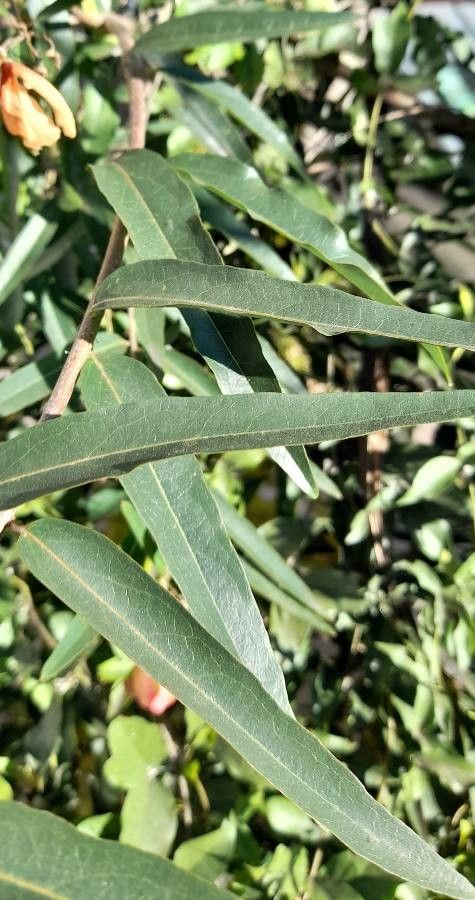
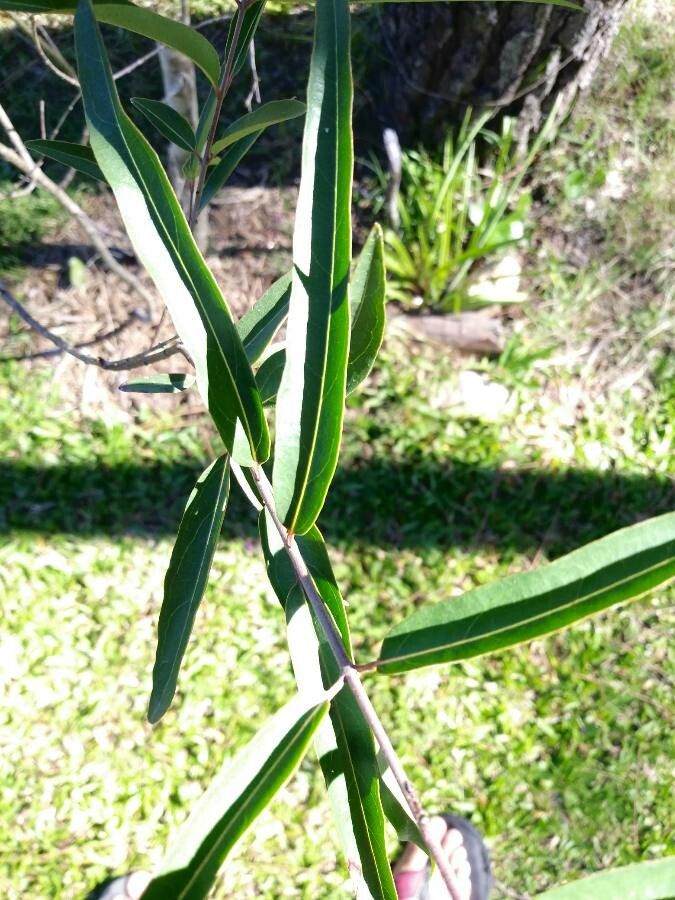
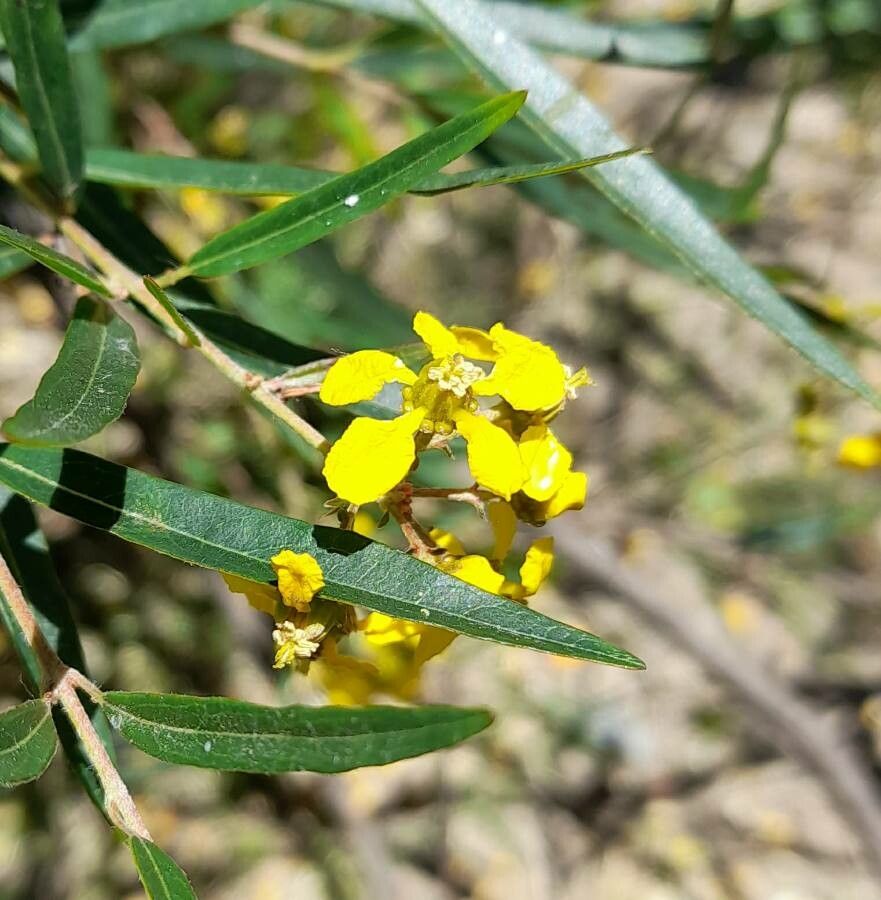
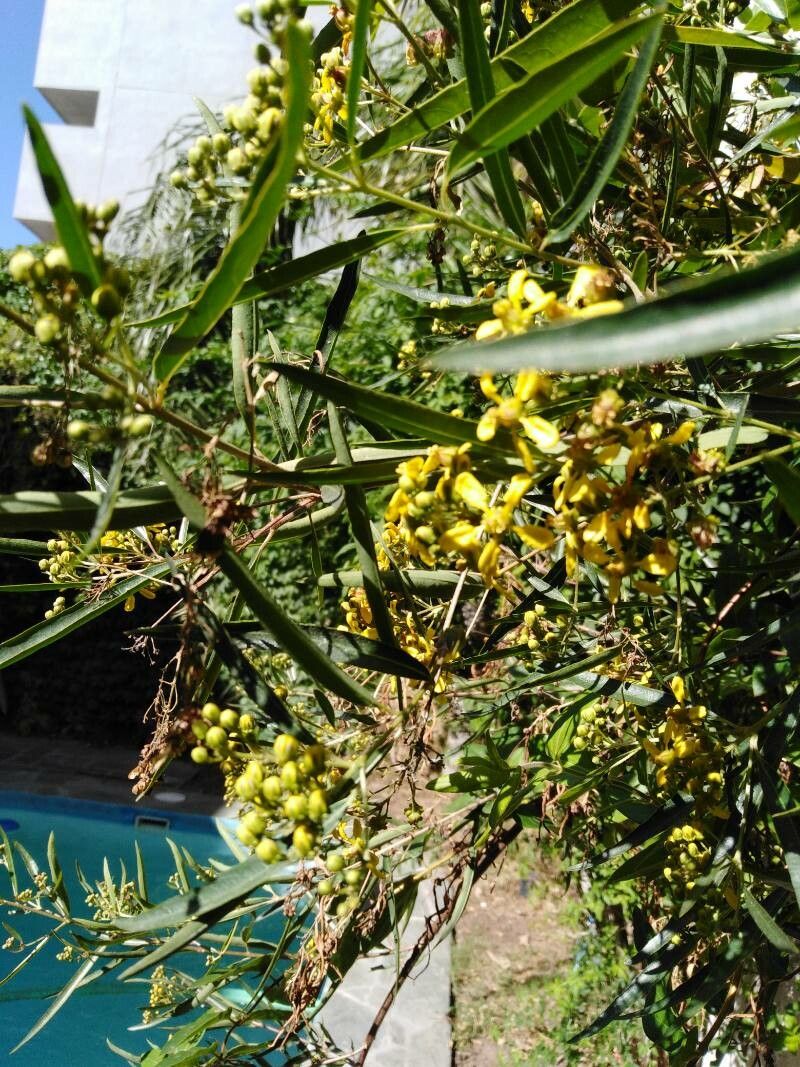
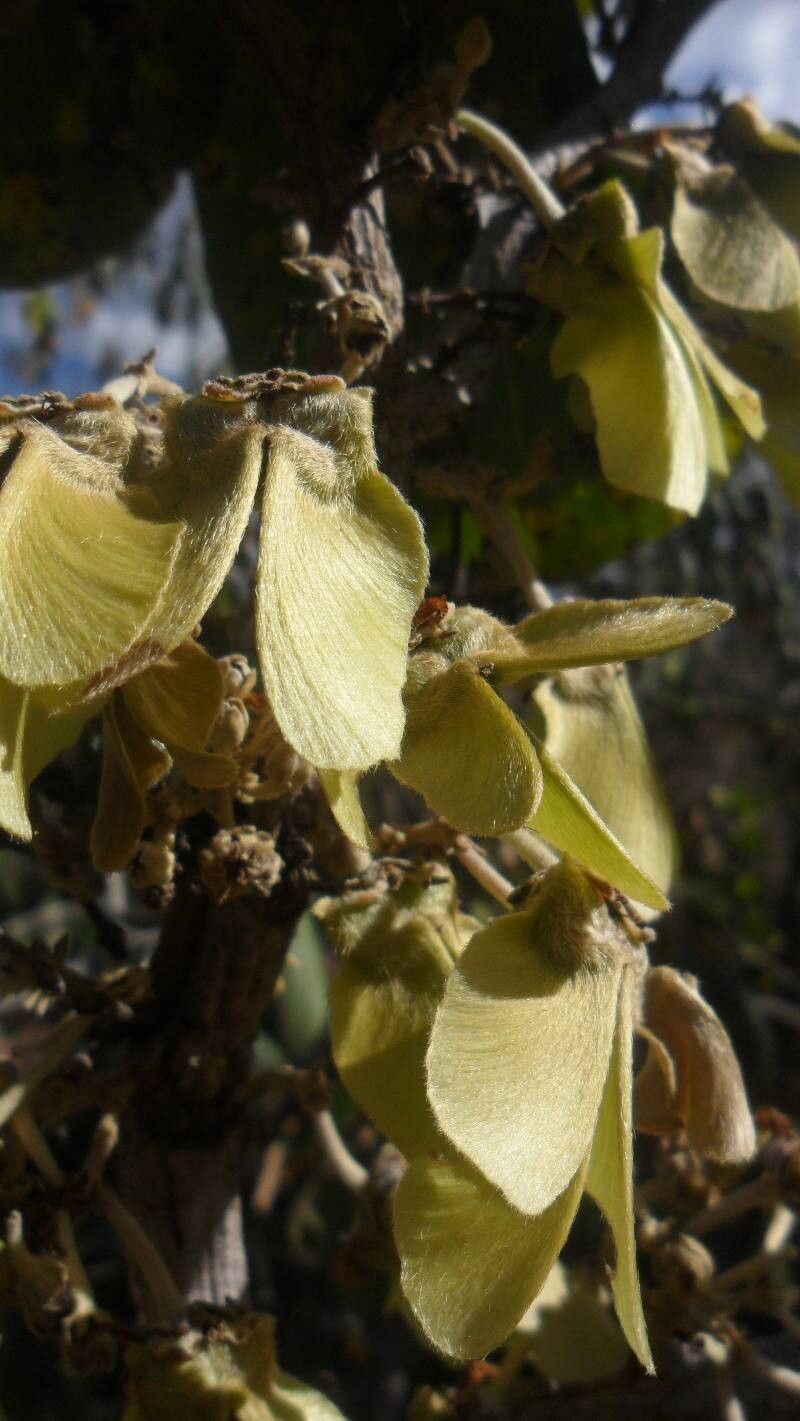
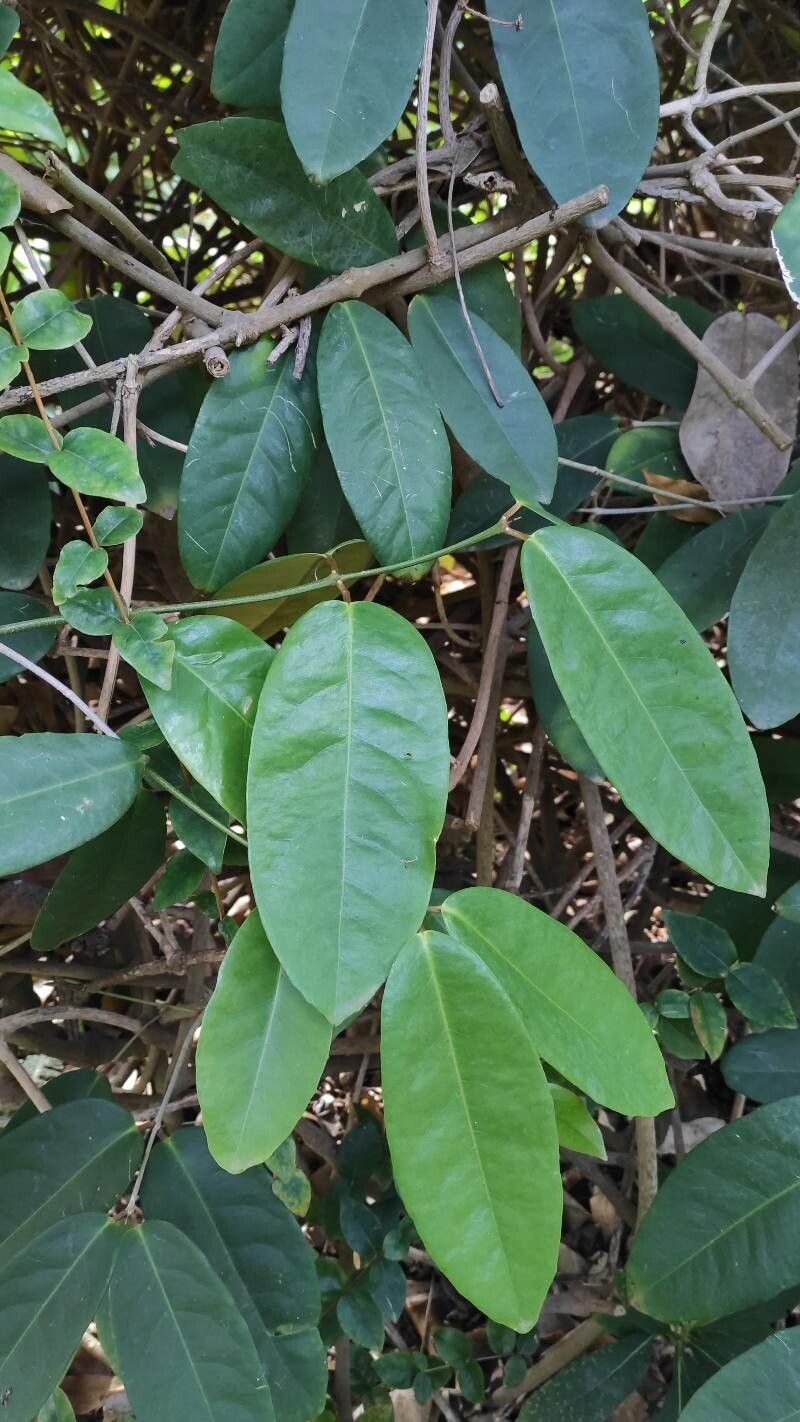
Red wing has strong disease resistance and is typically not susceptible to many diseases. In terms of care, this plant is fairly low maintenance. When planted outdoors it needs little watering, and larger plants usually do not require pruning. Smaller plants, however, should be pruned after they finish blooming. Red wing is suitable for anyone with an outdoor area, such as a garden or a deck, and does not demand much gardening experience.
How to keep Heteropterys Glabra.
Light
Red wing prefers a bright, sun-filled environment to promote healthy growth. Its natural habitat is characterized by sun-drenched landscapes. Excessive sunlight generally doesn't harm it, whereas insufficient light can result in stunted growth and poor health.
Water
The Red Wing plant thrives in conditions similar to the tropics, where moisture is consistently available. Although it can withstand drought, it still needs to be watered every 2-3 weeks, with some drying of the soil between waterings. It grows best outdoors, as this allows it to take advantage of natural rainfall and a growing season that mimics the wet-dry climate cycles found in its native habitat.
Temperature
Red wing comes from tropical areas, where the climate is generally warm and humid. Consequently, it is well suited to high temperatures and humidity. It does not tolerate sudden temperature changes and prefers a steady temperature environment, so avoiding indoor temperature fluctuations is important. It typically cannot withstand cold and needs warmer conditions for growth. If the surrounding temperature falls too low, the plant may stop growing or even die.
Fertilizer
The best time to fertilize a Red wing is in early spring, when it comes out of dormancy. This encourages overall growth and the development of flowers. Fertilization improves the foliage, stems, and branches, and encourages flowers that are larger, more vivid, and longer-lasting. It helps move nutrients from the roots to the flowers and strengthens the plant's health and resistance to disease.
Pruning
Red Wing flourishes with late spring pruning that focuses on removing dead or weak branches to promote growth. Shaping the plant through trimming enhances both air circulation and light exposure. Periodic thinning helps prevent crowding and disease, while post-flowering cuts boost blooms for the next season, improving the plant's overall vitality and appearance.
Botanical profile.
- Plant Type
- Shrub
- Life Cycle
- Perennial
- Genus
- Heteropterys
- Family
- Malpighiaceae
- Hardiness Zone
- 9-11
- Mature Height
- 1.22 m to 4.57 m
- Mature Spread
- 61 cm to 91 cm
- Leaf Color
- Green, Red
- Leaf Type
- Evergreen, Deciduous
- Flower Color
- Yellow, White, Gold
- Flower Size
- 1.02 cm to 1.52 cm
- Bloom Time
- Summer, Early fall, Mid fall
- Planting Time
- Spring, Summer
- Harvest Time
- Late summer, Fall, Early winter
- Native Area
- Brazil
Reader questions.
What should I do if I give too much or too little water to my Red wing?
Outdoor plants, especially newly planted ones or seedlings, are often at risk of not being watered enough. It is important to continue watering them adequately for a few months when they are small or newly planted. This is because once the roots are established, they can usually rely on rain for moisture. If you have Red wing plants in pots, overwatering is more likely to happen. If you accidentally overwater your Red wing, you should take immediate action to address the situation. First, stop watering the plant to minimize the impact of overwatering. Then, remove the Red wing plant from its pot to check its roots. If the roots do not show signs of root rot, you can return the plant to its pot. However, if there are signs of root rot, trim any affected roots and consider applying a fungicide to prevent further damage. Finally, repot the Red wing plant in well-draining soil. On the other hand, if your Red wing is underwatered, simply increase the frequency of watering. Underwatering can be easily resolved, as the plant's leaves will droop, dry out, and fall off, but they will quickly recover when properly watered. Therefore, adjust your watering schedule as soon as you notice underwatering.
Why do I have to put fertilizer on my Red wing?
Fertilizing your Red wing is important for several reasons. Firstly, it will help your Red wing produce beautiful blooms. One of the best times to fertilize is in early spring to ensure excellent flowers during that season. Secondly, fertilizer provides your Red wing with extra energy that it can store in the ground during dormant growth phases. By giving your Red wing additional nutrients during fall planting or late spring, it can retain more energy for when active growth resumes.
How many hours of sunlight does a Red wing need each day to grow healthy?
To promote healthy growth, it is important to ensure that Red wing receives a minimum of 3-6 hours of sunlight per day. It is worth noting that this is the minimum requirement, as most plants that can tolerate partial sun can also thrive in full sun. However, these plants are more adaptable since they require less sunlight for photosynthesis than plants that specifically need full sun or partial shade.
How many times should I water my Red wing?
If you live in an area with a good amount of rainfall, most outdoor plants can just rely on that natural rainfall for their water needs. However, if your area doesn't get much rain, you'll need to water your plants every two weeks in the spring and fall. In the summer, when it's hotter and plants need more water, you'll need to water them more frequently. In the winter, when plant growth slows down and water needs decrease, you can water them less or even not at all. If you have a young or newly planted Red wing plant, it's important to water it more often to help it establish and grow. For potted plants, there are two main methods you can use to determine when to water your Red wing. The first is to follow a set watering schedule, such as watering once a week or every other week. However, this method doesn't take into account the specific growing conditions of your Red wing. The other option is to check the moisture of the soil. Ideally, you should wait until the top two to four inches of soil have completely dried out before watering again. This method allows you to adjust the watering frequency based on the season and the plant's water needs.
When should I fertilize my Red wing plant?
To effectively fertilize Red wing, timing is crucial. Avoid fertilizing too early while the plant is still dormant, as the fertilizer will not be utilized effectively and may be washed away by rainwater, resulting in waste and pollution. Instead, apply the first round of fertilizer in early spring, and continue monthly applications until early summer.
What kind of sunlight does Red wing require?
To ensure optimal performance and health of red wing plants, it is recommended to provide them with full or part sun exposure. Specifically, they thrive when exposed to direct morning light. However, during summer, protecting them from the intense afternoon sun is crucial. This is especially important in temperate environments, as excessive hot afternoon sun can burn the leaves and negatively impact the plant's appearance and overall health.
How much water does my Red wing plant need?
To water your Red wing, you don't always need a lot of water. If only a few inches of soil have dried since your last watering, give it about five to ten ounces of water each time. You can also base the amount of water on the soil moisture. Make note of how many inches of soil have dried between waterings. To ensure your Red wing gets enough moisture, water enough to moisten all the dry soil layers since the last watering. If more than half of the soil is dry, give more water until it drains from the pot's holes. If your Red wing is outdoors and gets plenty of rain, it may not need additional watering. When it's young or getting established, give it 1-2 inches of rain per week. As it grows, it can rely on rainwater unless there's a prolonged dry spell, then water it fully to prevent stress.
When is it best not to put fertilizer on my Red wing?
To ensure optimal growth for Red wing, it is important to consider a few factors when fertilizing. Firstly, avoid using a fertilizer with excess nitrogen as this can result in an abundance of leaves but few blooms. Opt for a fertilizer that has a lower nitrogen level compared to other nutrients. Secondly, refrain from fertilizing Red wing during late autumn, as this can lead to excessive growth right before winter. Furthermore, it is advisable not to fertilize during hot and dry periods, as dry soil does not effectively deliver fertilizer and can stimulate growth that requires additional water. It is best to apply fertilizer earlier in the season when temperatures are cooler. Lastly, be cautious of nearby plants or lawns that have been fertilized, as Red wing can absorb the fertilizer and unintentionally receive a double dose.
Can sunlight harm the Red wing? How can we keep the Red wing safe from the sun and heat?
Red wing plants that are grown indoors can be at risk of damage from direct sunlight when they are moved outdoors. To prevent sunburn from excessive exposure, it is best to gradually move the pots from a shaded area to a brighter spot. However, even plants that are accustomed to the summer sun can still be harmed by extreme heat. During a heatwave, it is crucial to keep the soil consistently moist to help the plants tolerate high levels of heat. In order to protect the sensitive Red wing plants during extreme weather events, it is advisable to either move the plants in containers to areas with afternoon shade or to set up a shade cloth to provide some cover.
How do I know if I am giving enough water to my Red wing?
The Red wing plant is more commonly affected by overwatering, and there are clear signs to watch out for. An overwatered Red wing will typically have yellowing leaves, and it might even shed some of its leaves. Overwatering can also cause the overall structure of the plant to shrink and can lead to root rot. On the contrary, an underwatered Red wing will also start to droop and exhibit brown or brittle leaves. Regardless of whether you notice signs of overwatering or underwatering, it's important to take action and revive the health of your Red wing.
What kind of fertilizer does my Red wing plant require?
For optimal growth of your Red wing, it is recommended to use a fertilizer that provides a balanced mix of the main plant nutrients, with slightly higher amounts of phosphorus. Another option is to enhance the soil by incorporating organic materials like compost, worm castings, and manure. Experienced gardeners often supplement with water-soluble fertilizers containing phosphorus when flower buds start to appear. This promotes better flower development, leading to larger and longer-lasting blooms. Fertilizers can be found in various forms, but liquid and powdered fertilizers are particularly beneficial for Red wing. Regardless of the type, remember to dilute the fertilizer and apply it while watering your Red wing.
Should I keep Red wing out of the sun?
Red wing thrives with bright morning sun and some full sun exposure. However, the harsh midday sun of summer can be overwhelming. If you plant it in the ground, the summer sun gradually increases, allowing Red wing to adapt. But if it's in a pot and has been indoors or in a protected area, sudden exposure to intense direct summer sun can cause damage. To protect it from the afternoon sun, place or plant it in an area shaded at midday by taller trees, plants, a building, or a landscape feature.