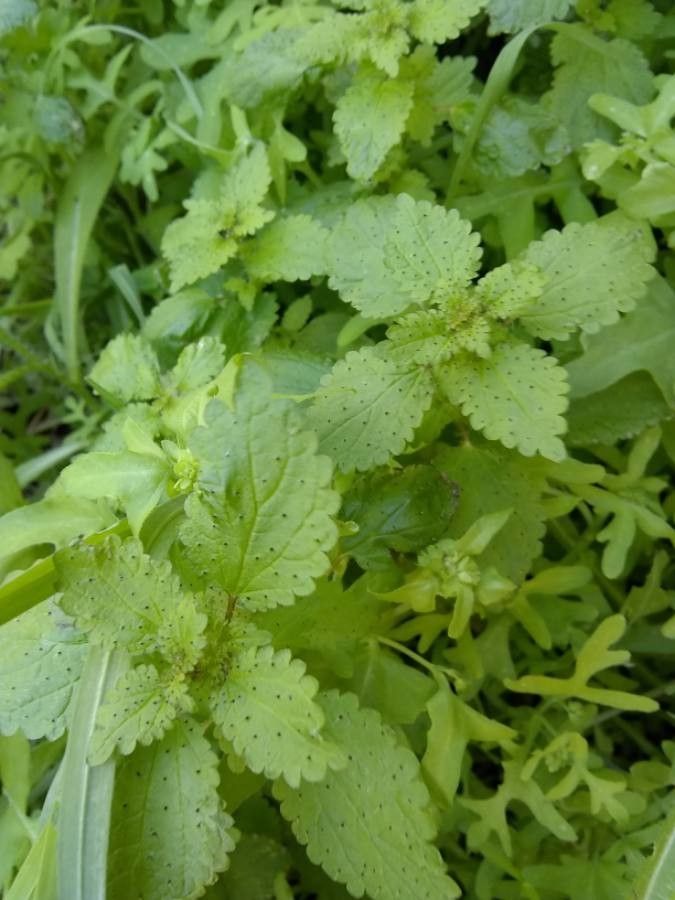
Hesperocnide tenella, commonly known as the western nettle or stinging nettle, is a perennial herbaceous plant that belongs to the Urticaceae family. Native to western North America, this plant thrives in various habitats, including grasslands, chaparral, and oak woodlands.
The western nettle can grow up to 1 meter tall and features a branching stem adorned with small, greenish-white flowers. Its heart-shaped leaves have serrated edges and are covered in stinging hairs that can irritate the skin upon contact.
Native American tribes have utilized Hesperocnide tenella for medicinal purposes, such as treating arthritis pain and skin conditions. Additionally, it serves as a crucial food source for a variety of wildlife species, including deer, rabbits, birds, and insects.
Despite its stinging hairs, which necessitate the use of protective gear or gloves when handling or harvesting for medicinal purposes, Hesperocnide tenella plays an essential role in the ecosystem by providing nourishment for wildlife species.
Western nettle has strong disease resistance and is generally not prone to illnesses. Still, it can be affected by pests and diseases present in its environment. Such infections are typically mild. Regarding care, the plant needs a moderate level of maintenance. It should be pruned regularly to keep a neat appearance and support healthy growth. Applying fertilizer can also encourage flowering. Western nettle is appropriate for anyone with outdoor space, like a garden or patio, and does not demand extensive caregiving experience. It may need more attention when kept indoors.
How to keep Hesperocnide Tenella.
Light
Western nettle comes from habitats with dappled light, like forest understories or rocky spots that offer natural shade. It grows well in partial sun but can also tolerate full sun conditions.
Water
The western nettle thrives in environments similar to its native habitat, which offer regular moisture. To maintain its water balance, it needs to be watered weekly. During its growth season, it requires even more water to ensure optimal foliage development.
Temperature
Western nettle can tolerate a wide range of temperatures, but its distribution may still be constrained by different combinations of moisture and heat. It grows best in warm summer conditions with adequate rainfall or watering. Prolonged stretches of cloudy, rainy weather and extended high temperatures can increase the chance of Western nettle dying. In winter, appropriate protection from cold can raise the plant's survival rate.
Fertilizer
Western nettle responds well to regular, dilute fertilizer applications to encourage healthy leaf development. Fertilize about once a month during the summer. Nitrogen is essential for foliage, and providing nitrogen-rich sources helps Western nettle prosper.
Pruning
The Western nettle thrives in shaded, moist environments and should be pruned from early to late spring. To encourage healthy growth, remove dead stems and thin out dense areas to improve air circulation and light exposure. Proper pruning helps manage its spread and ensures the plant's overall vigor. For detailed techniques, consult horticultural guides.
Botanical profile.
- Plant Type
- Herb
- Life Cycle
- Annual
- Genus
- Hesperocnide
- Family
- Urticaceae
- Hardiness Zone
- 8-10
- Mature Height
- 30 cm to 61 cm
- Mature Spread
- 15 cm to 30 cm
- Leaf Color
- Light Green, Green
- Leaf Type
- Deciduous
- Flower Color
- White
- Flower Size
- 0.13 cm
- Bloom Time
- Early spring, Mid spring
- Planting Time
- Spring, Summer, Autumn
- Harvest Time
- Late spring, Early summer
- Native Area
- Mexico