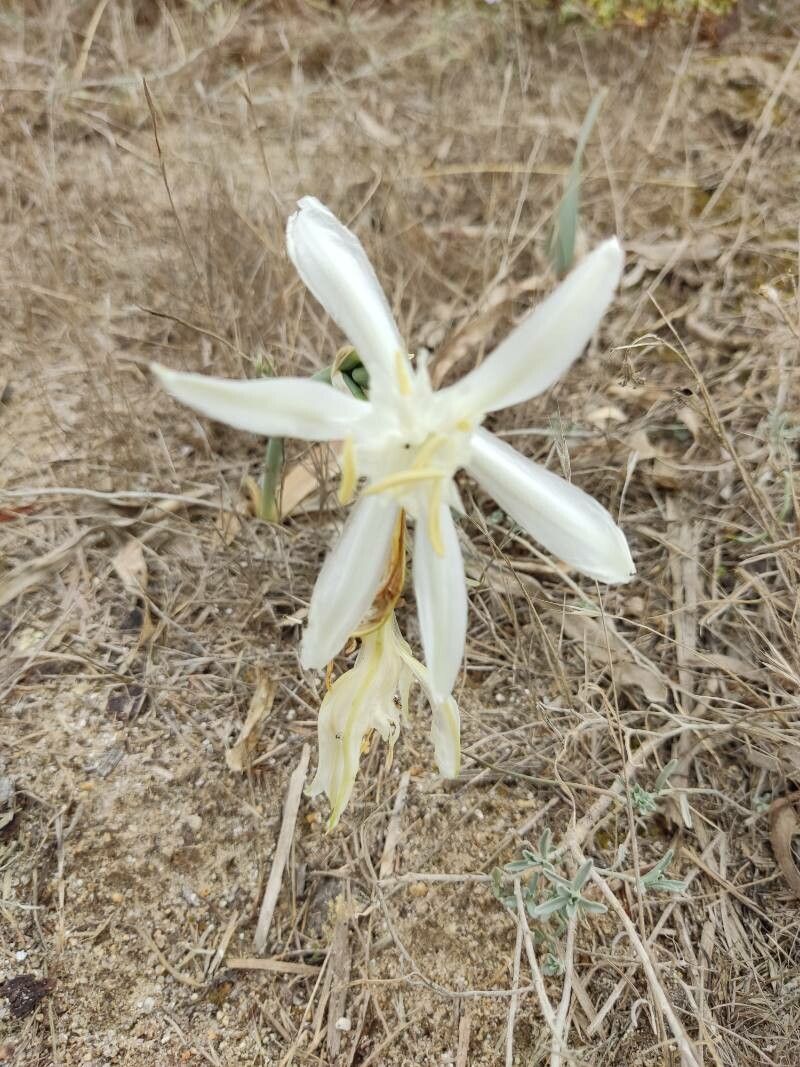
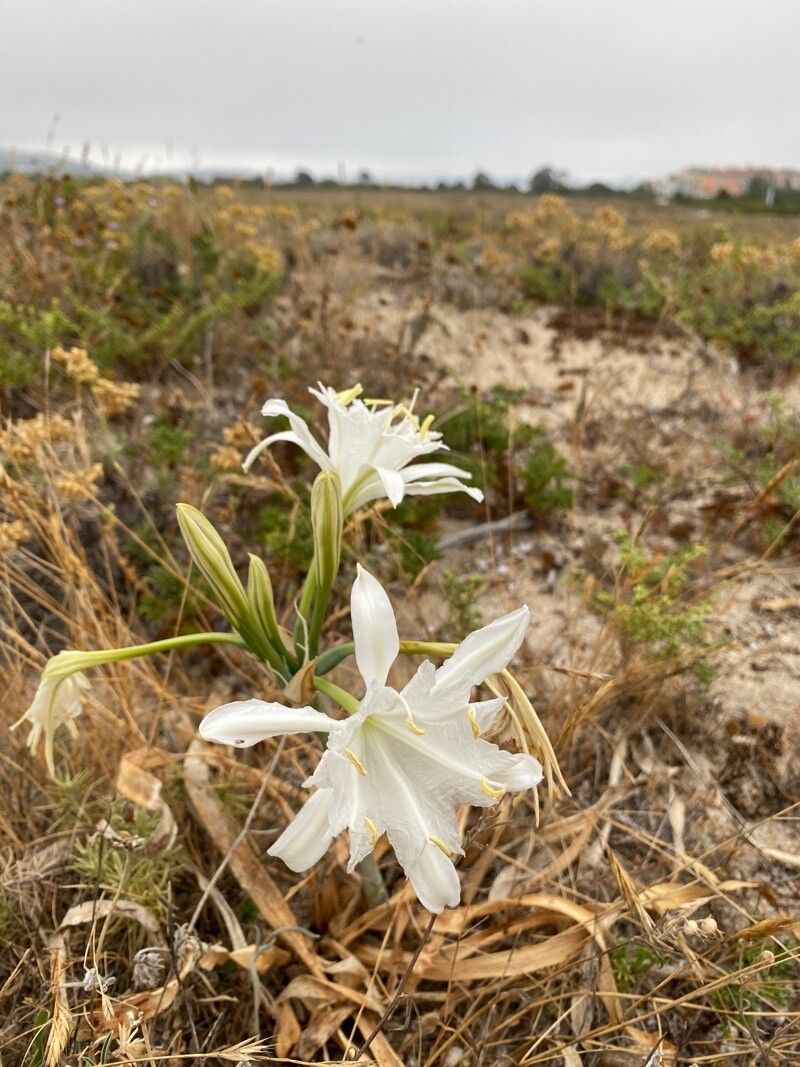
Hesperocallis is a genus of flowering plants that includes a single species, Hesperocallis undulata, known as the desert lily or ajo lily. It is found in the desert areas of southwestern North America, in Northwestern Mexico, California, and Arizona. The plant grows in Mojave Desert and Sonoran Desert habitats.
Desert ajo lily has strong disease resistance and is generally not prone to illnesses. However, it can be vulnerable to pests and diseases present in its environment. These infections are usually not serious. Regarding care, this plant requires moderate maintenance. It should be pruned regularly to maintain a good appearance and healthy growth. Fertilizing can also help encourage flowering. Desert ajo lily is suitable for anyone with outdoor space, such as a garden or patio, and does not require much care experience. It may need more attention when grown indoors.
How to keep Hesperocallis Undulata.
Light
The desert ajo lily prefers being in full sunlight, similar to the open conditions of its native habitat. Sunlight supports its healthy growth and overall vigor. Yet extended periods without sun or excessive sun exposure can be harmful.
Water
The desert ajo lily is well adapted to arid environments and thrives with minimal moisture. It is highly drought-tolerant and requires only infrequent watering, ideally just once a week. This plant prefers full sun exposure and well-draining soil, making it perfect for outdoor growth to prevent root rot.
Temperature
Desert ajo lily is native to hot, arid regions where temperatures typically fall between 59 and 100.4°F (15 to 38℃). It thrives with abundant sun exposure and stable conditions within that temperature range. Seasonal adjustments may include providing shaded cover during excessive summer heat.
Fertilizer
For Desert ajo lily, the primary time to apply fertilizer is in early spring when the flowers are forming. The correct fertilizer promotes better blooms and helps the Desert ajo lily produce attractive flowers. Fertilizing in early spring ensures excellent flowers during the season and supplies energy for dormant growth phases.
Pruning
The desert ajo lily features wavy-edged leaves and fragrant white flowers. To maintain its health, perform minimal pruning in early spring. Simply remove any dead foliage, and avoid heavy pruning. Pruning after the flowering period supports bulb development and helps reduce the risk of disease, thereby enhancing the plant's overall vitality.
Botanical profile.
- Plant Type
- Herb
- Life Cycle
- Perennial
- Genus
- Hesperocallis
- Family
- Asparagaceae
- Hardiness Zone
- 8-11
- Mature Height
- 1.83 m
- Mature Spread
- 30 cm to 61 cm
- Leaf Color
- Green, Light Green
- Leaf Type
- Deciduous
- Flower Color
- White, Green
- Flower Size
- 5.08 cm to 7.62 cm
- Bloom Time
- Early spring, Mid spring
- Planting Time
- Spring, Summer
- Harvest Time
- Late spring, Early summer
- Native Area
- Mexico
Other names.
Reader questions.
How should I water my Desert ajo lily?
When watering the Desert ajo lily, it is important to use filtered water that is at room temperature. Tap water may contain harmful particles that can negatively affect the plant's health. The ideal temperature for watering is room temperature or slightly warmer, as the Desert ajo lily is accustomed to warm environments and cold water can be a shock to its system. Avoid overhead watering as it can cause problems with the foliage. Instead, gently apply filtered room temperature water directly to the soil until it is completely saturated. This method of soaking the soil is beneficial because it keeps the roots moist and helps them spread and absorb the necessary nutrients.
What are the sunlight requirements for the Desert ajo lily?
The Desert ajo lily, or Hesperocallis undulata, thrives best when exposed to full sun, requiring above 6 hours of sunlight daily. Such exposure is akin to its native desert habitats where the sun's rays encourage healthy development. It's essential to watch the movement of sunlight through your garden to find spots that offer a balance of light and shade, ensuring the plant's well-being. In cases of inadequate natural light, especially for indoor plants, artificial lighting can be a beneficial supplement. LED lights, for example, can be adjusted to provide the specific wavelengths your plant needs, with full sun plants needing 30-50W/sq ft, partial sun 20-30W/sq ft, and full shade plants 10-20W/sq ft. The artificial light source should be positioned 12-36 inches above the plant for 8-12 hours per day to mimic natural daylight conditions.
What is the native climate of the Desert ajo lily?
The Desert ajo lily, known botanically as Hesperocallis undulata, is native to hot, arid climates. It thrives in temperatures ranging from 59 to 100.4°F (15 to 38°C), enjoying substantial sun exposure. To maintain its health during extreme summer heat, it may require shaded cover. The Desert ajo lily also shows some cold tolerance, generally withstanding temperatures down to -5°C without needing extra protection. However, if temperatures are expected to drop below -5°C, temporary cold protection measures such as covering the plant with plastic, fabric, or other materials should be implemented until the temperature rises again.
What should I do if I give my Desert ajo lily too much water or too little water?
Overwatering is a more common issue than underwatering for the health of your Desert ajo lily. When the plant gets too much water, its stems and leaves may wilt and turn yellow. Overwatering for a long time can result in diseases like root rot, mold, and mildew, which can kill the plant. Underwatering is less likely, but it can still happen. In such cases, the leaves may become brittle and brown. It's important to notice signs of overwatering early on. Diseases like root rot may not be reversible if not addressed soon. Reduce watering and check the soil if you suspect overwatering. Replace poorly-draining soil with a loose, well-draining potting mix. If the signs indicate underwatering, water more regularly until they go away.
What are the signs of improper lighting for Desert ajo lily?
When a Desert ajo lily is not receiving the proper amount of light, several symptoms might manifest, indicating light deficiency or overexposure. Symptoms of inadequate light include smaller new leaves, leggy or sparse growth, faster leaf drop, slower or no growth, and paler new leaves. Overexposure symptoms include chlorosis, where leaves lose their green color, sunscald with damaged leaf and stem tissue, leaf curling as a defense against excessive sunlight, wilting due to increased water loss, and leaf scorching characterized by brown, dry, and crispy leaf edges. These symptoms highlight the plant's struggle to adapt to its lighting conditions, emphasizing the need for optimal sunlight exposure for health and growth.
How does the Desert ajo lily react to low temperatures?
The Desert ajo lily has a moderate tolerance to low temperatures but thrives best when the temperature is maintained above 15°C. During the winter season, it's crucial to keep the plant above -5°C to avoid damage. When temperatures fall below -10°C, the leaves of the Desert ajo lily may droop and, in severe cases, wilt and fall off. To address frost damage, it's advisable to trim off frost-impacted parts and take preventive measures against future cold spells. This includes wrapping the plant with insulating materials, such as non-woven fabric or cloth, and constructing a wind barrier to shield it from cold winds.
How many times per week should I water my Desert ajo lily?
If your Desert ajo lily is in a pot, the best way to determine if it needs water is to check the soil with your finger. If the top two to three inches of soil are dry, it's time to water it. For Desert ajo lilies planted in the ground outdoors, you can use the same method. Once the first few inches of soil have dried out, it's time to water. During spring and early fall, watering once a week is often sufficient. However, during extremely hot weather, watering may need to be increased to two or more times per week. It's worth noting that mature, well-established Desert ajo lilies have a remarkable ability to tolerate drought.
How can I address lighting issues for my Desert ajo lily?
Addressing lighting issues for your Desert ajo lily involves both prevention and intervention strategies to ensure it receives the appropriate amount of sunlight, whether grown indoors or outdoors. Indoors, aim to gradually move your plant to a sunnier location, allowing for a minimum of 6 hours of direct sunlight per day, preferably by a south-facing window. The use of artificial light, like desk lamps or professional grow lights, for at least 8 hours a day can supplement natural light. For outdoor plants, gradually acclimate your plant to sunnier spots to avoid sunburn. Reducing nearby obstructions that shade your plant, through pruning or transplanting, ensures ample sunlight. For ground plants, consider transplanting during their dormant period to a location with better sunlight and drainage. It's important to note that while parts of the plant damaged by insufficient light may not recover, new growth can be healthy with improved lighting conditions.
What should be done if the Desert ajo lily experiences high temperatures?
In the summer, it's important to ensure the Desert ajo lily is not exposed to temperatures above 38°C. If the temperature surpasses 43°C, the plant may exhibit signs of stress such as lighter leaf color, dry and withered leaf tips, curling leaves, and increased susceptibility to sunburn. To mitigate these issues, affected parts of the plant should be trimmed away. Moving the plant to a shaded area or using a shade cloth can protect it from the harsh midday and afternoon sun. Additionally, maintaining soil moisture by watering in the morning and evening can help keep the plant healthy during high temperature periods.
How much water does my Desert ajo lily require?
When watering your Desert ajo lily, don't be hesitant to use a generous amount of water. Wait until the top two to three inches of soil are dry, then thoroughly soak the soil. Make sure to add enough water so that it flows out of the drainage holes at the bottom of the pot. If you don't see any excess water draining, you may not have watered enough. Be cautious, though, not to let water accumulate in the soil, as this can harm the plant. Additionally, if water isn't draining properly, it could be a sign of soil that doesn't drain well, which is bad for the plant's health. If the plant is outside, about 1 inch of rain per week is sufficient.
How should I water my Desert ajo lily as it grows?
The water needs of the Desert ajo lily can vary depending on its growth stages. In the first few years or after transplanting, it will require more water than usual. During these stages, the plant will focus on sprouting new roots to support future growth, and these roots benefit from slightly higher moisture levels. As the plant matures, it will require less water. Another stage that may require increased watering is during the bloom period, as flower development relies on a significant amount of moisture.
How should I water my Desert ajo lily throughout the year?
The Desert ajo lily has higher water needs in the hottest months, such as during the peak of summer. Depending on how quickly the soil becomes dry, you may need to water it more than once per week. On the other hand, in winter, the plant goes into a dormant phase and requires much less water than usual. In fact, you may not need to water it at all during winter. If you do choose to water it, you should only do so about once per month. Overwatering during this time can increase the plant's chances of getting sick.