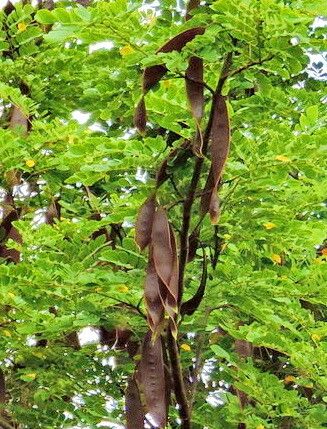
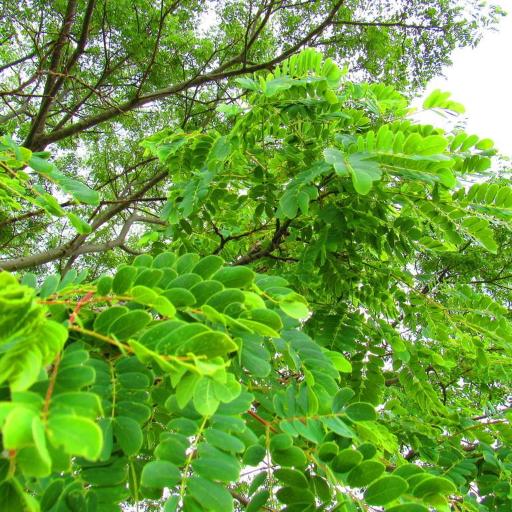
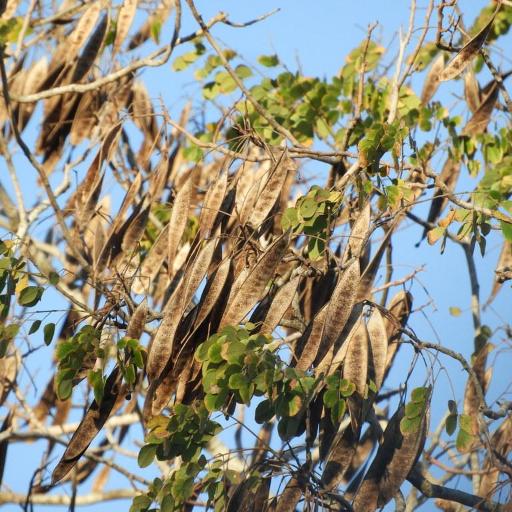
Hesperalbizia is a genus of flowering plants in the family Fabaceae. It belongs to the mimosoid clade of the subfamily Caesalpinioideae. The only species is Hesperalbizia occidentalis. It is native to Mexico and is known by the common name palo escopeta.
Hesperalbizia occidentalis is disease-resistant and generally not susceptible to illnesses. Regarding care, this plant is fairly low-maintenance. Outdoors it needs only light watering, and larger specimens typically do not require pruning. Smaller plants, however, should be pruned after they finish blooming. Hesperalbizia occidentalist is appropriate for anyone with an outdoor area, such as a garden or deck, and does not demand extensive gardening experience.
How to keep Hesperalbizia Occidentalis.
Light
Hesperalbizia occidentalis is native to open habitats, such as sunny meadows and forest margins, which supply abundant light. It does best in Full Sun but can also tolerate Partial Sun, showing good adaptability to different sunlight conditions.
Temperature
Hesperalbizia occidentalis comes from tropical regions, where the climate is generally warm and humid. As a result, it is well adapted to high temperatures and humidity. It does not tolerate sudden temperature changes and prefers a stable temperature environment, so it is important to avoid temperature fluctuations indoors. It usually cannot withstand cold temperatures and requires higher temperatures for growth. If the ambient temperature drops too low, the plant may stop growing or even die.
Fertilizer
The best time to fertilize a Hesperalbizia occidentalis is in early spring, as it breaks dormancy. This supports overall growth and the development of flowers. Fertilizing improves the foliage, stems, and branches, while encouraging flowers that are large, vibrant, and long-lasting. It helps move nutrients from the roots to the blooms and enhances the plant's health and resistance to disease.
Pruning
Hesperalbizia occidentalis features fern-like leaves and small, fragrant flowers. To maintain its health and appearance, prune it in early spring. Remove any dead or damaged branches and thin out crowded areas to improve air circulation. Be sure to use sanitized tools to ensure safety and prevent disease. Regular pruning promotes healthier growth and more abundant flowering, as recommended by reputable horticultural sources.
Botanical profile.
- Plant Type
- Tree
- Life Cycle
- Perennial
- Genus
- Hesperalbizia
- Family
- Fabaceae
- Hardiness Zone
- 9-11
- Mature Height
- 10.06 m to 14.94 m
- Mature Spread
- 7.92 m to 11.89 m
- Leaf Color
- Green, Dark Green
- Leaf Type
- Deciduous
- Flower Size
- 2.03 cm to 3.05 cm
- Bloom Time
- Late spring, Early summer, Mid summer
- Planting Time
- Spring, Summer
- Harvest Time
- Mid summer, Late summer, Early fall
- Native Area
- Mexico