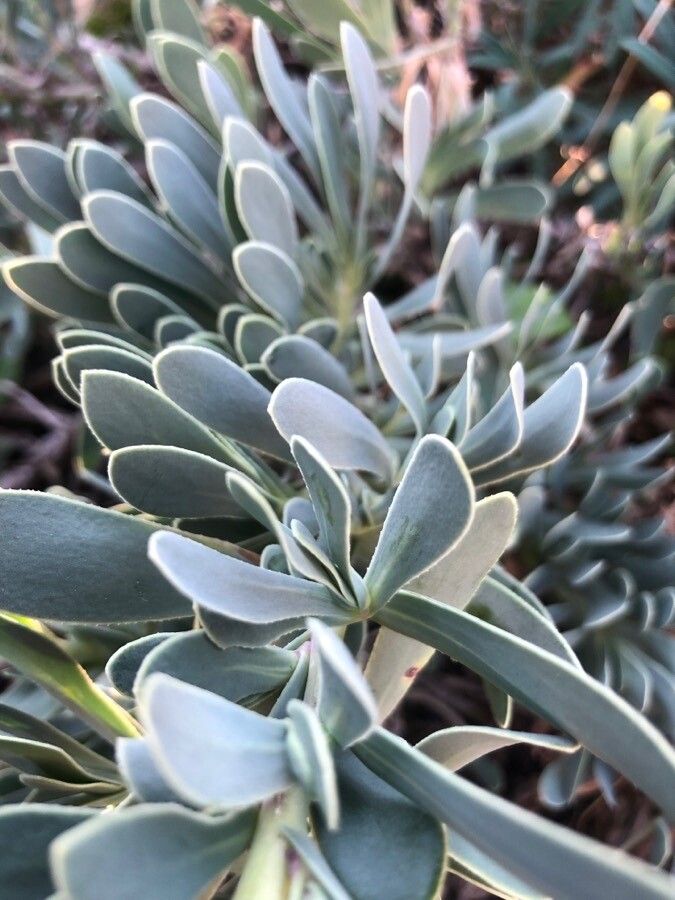
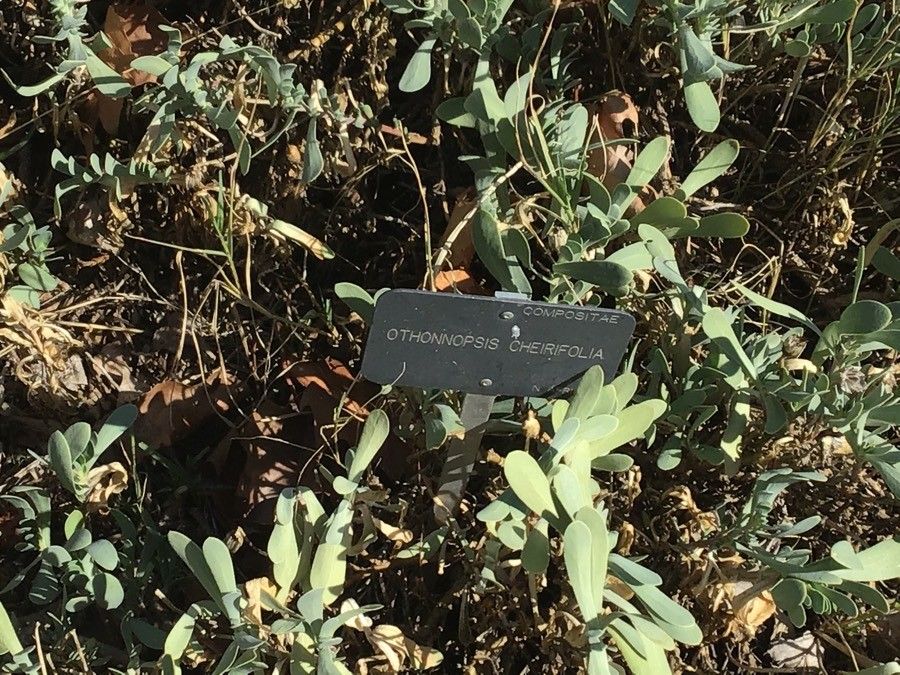
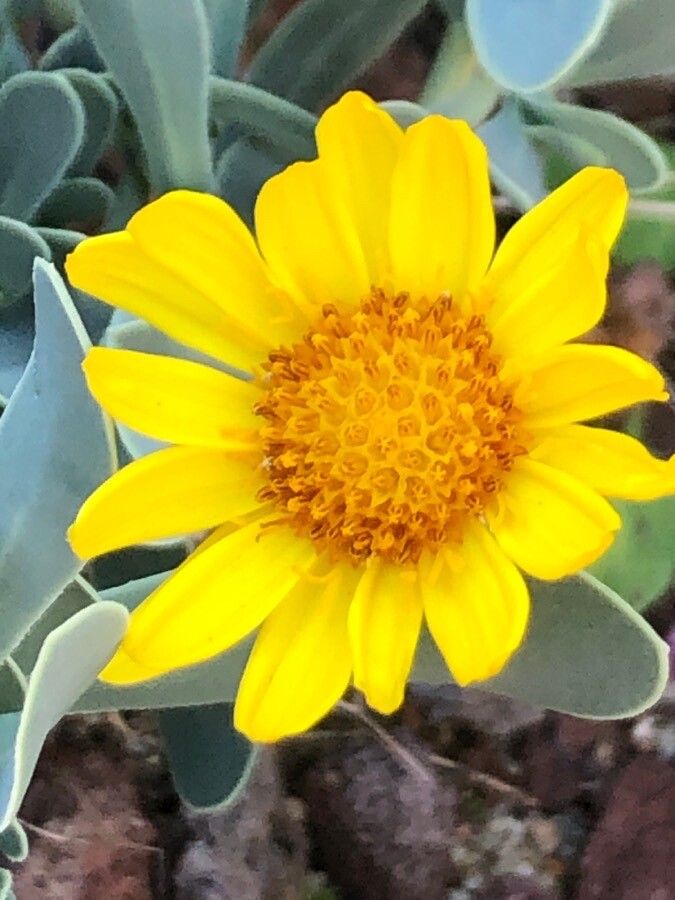
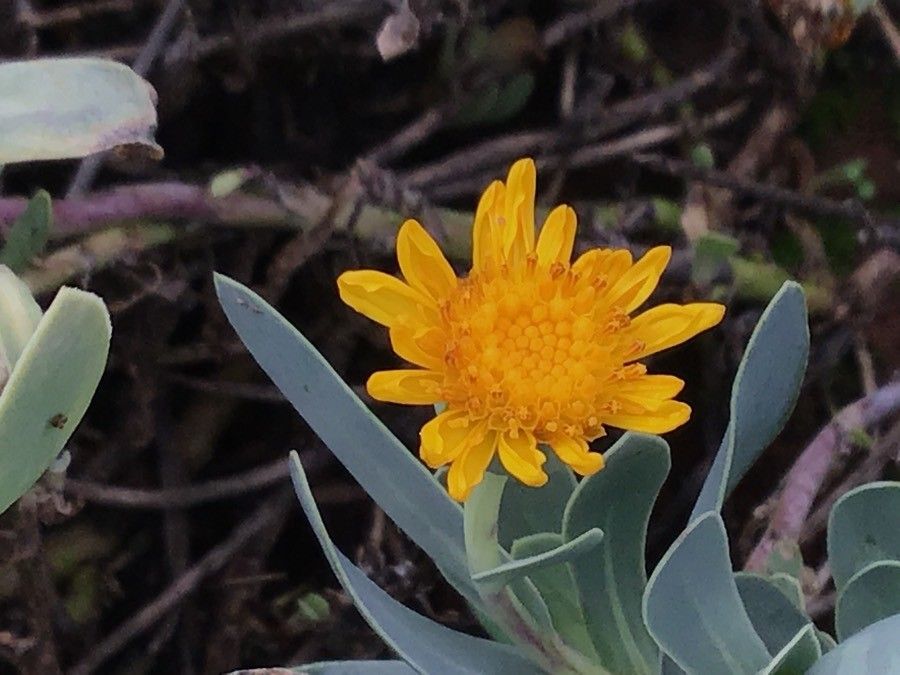
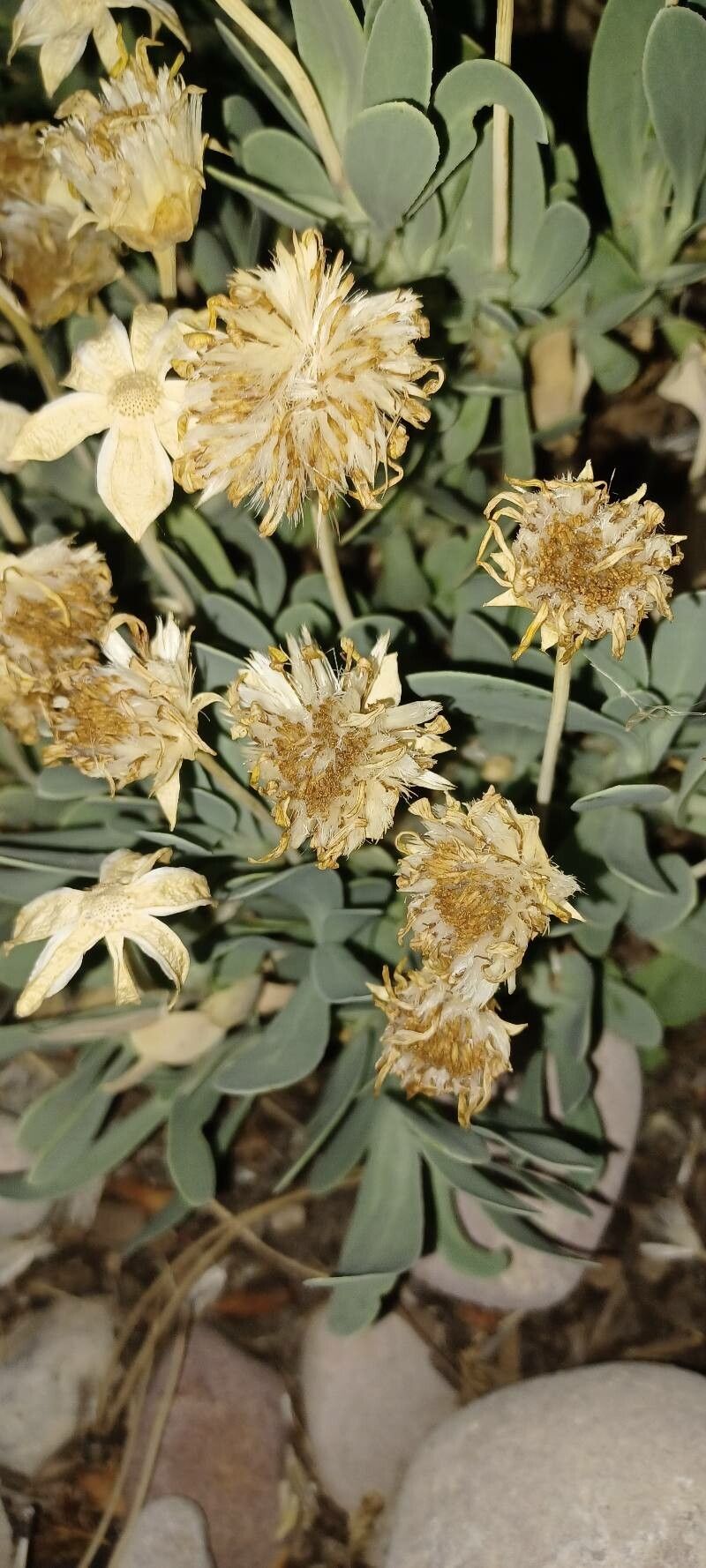
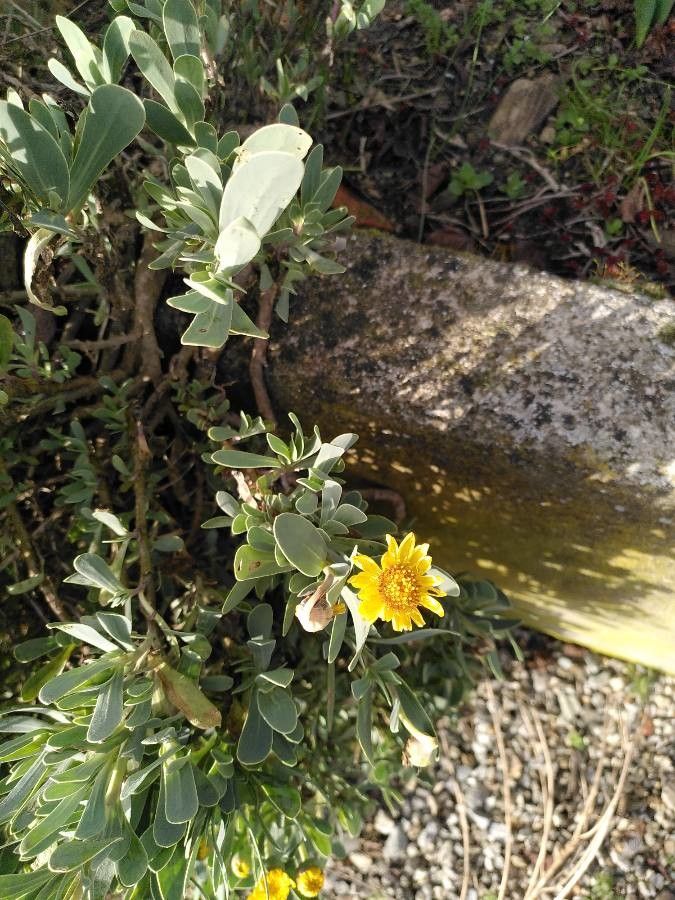
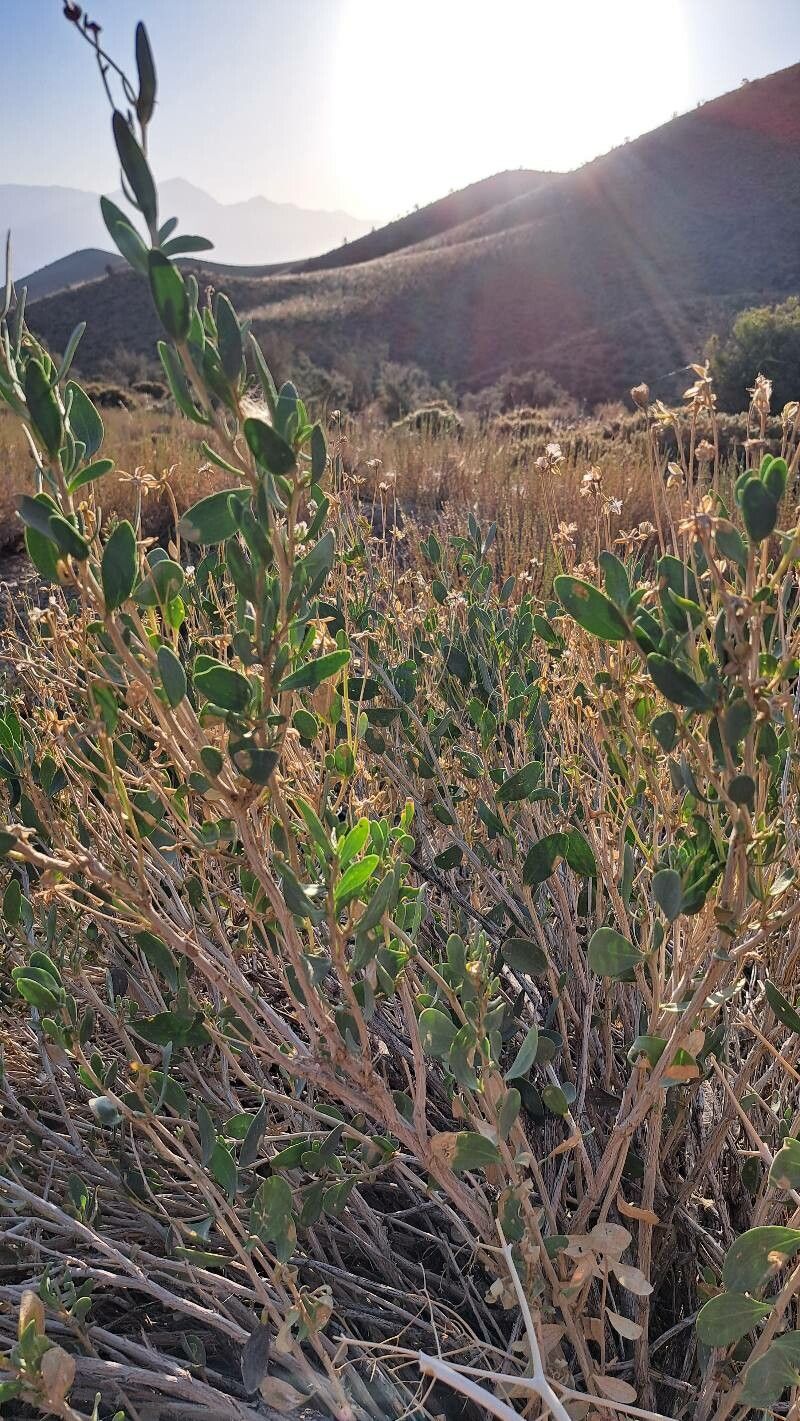
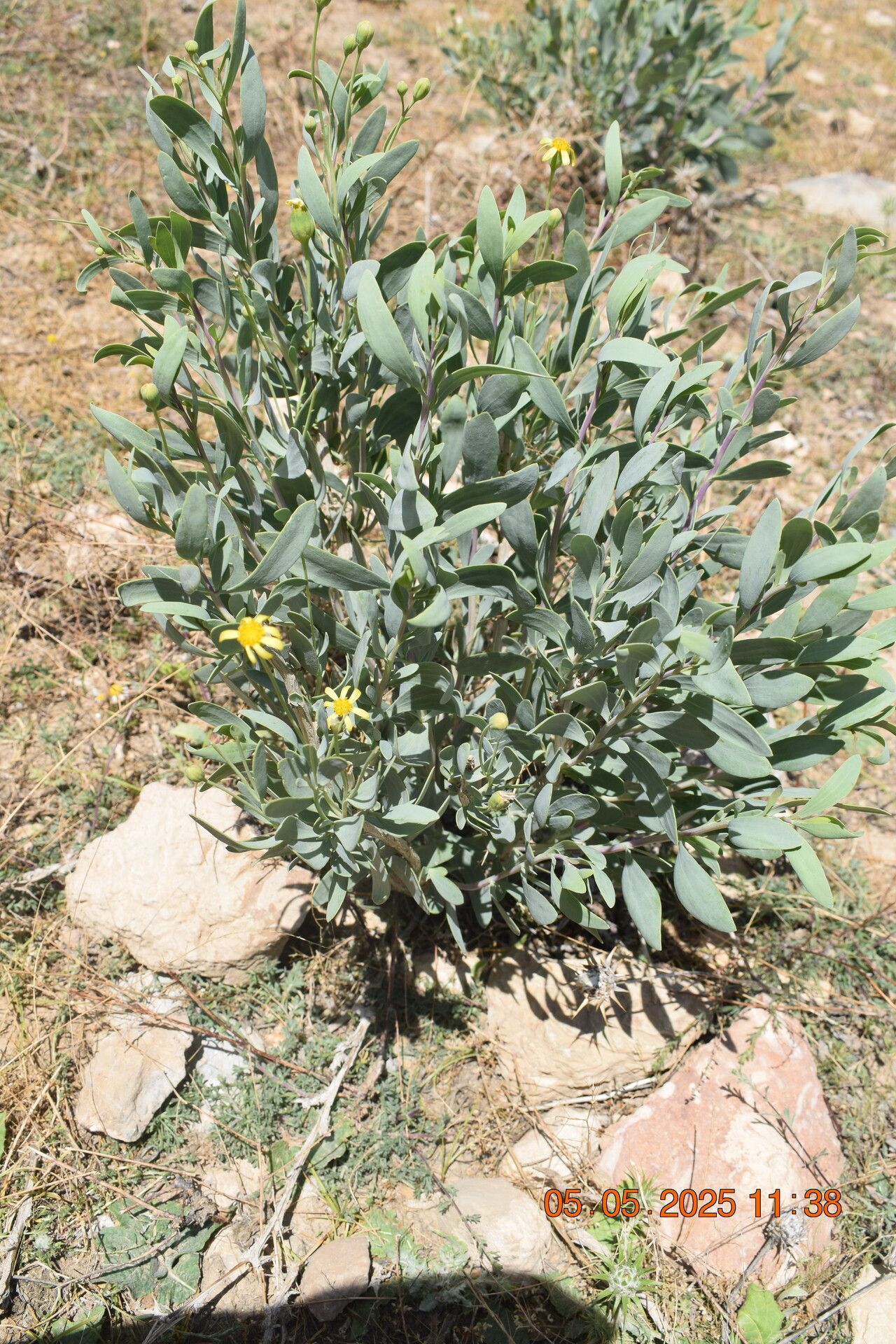
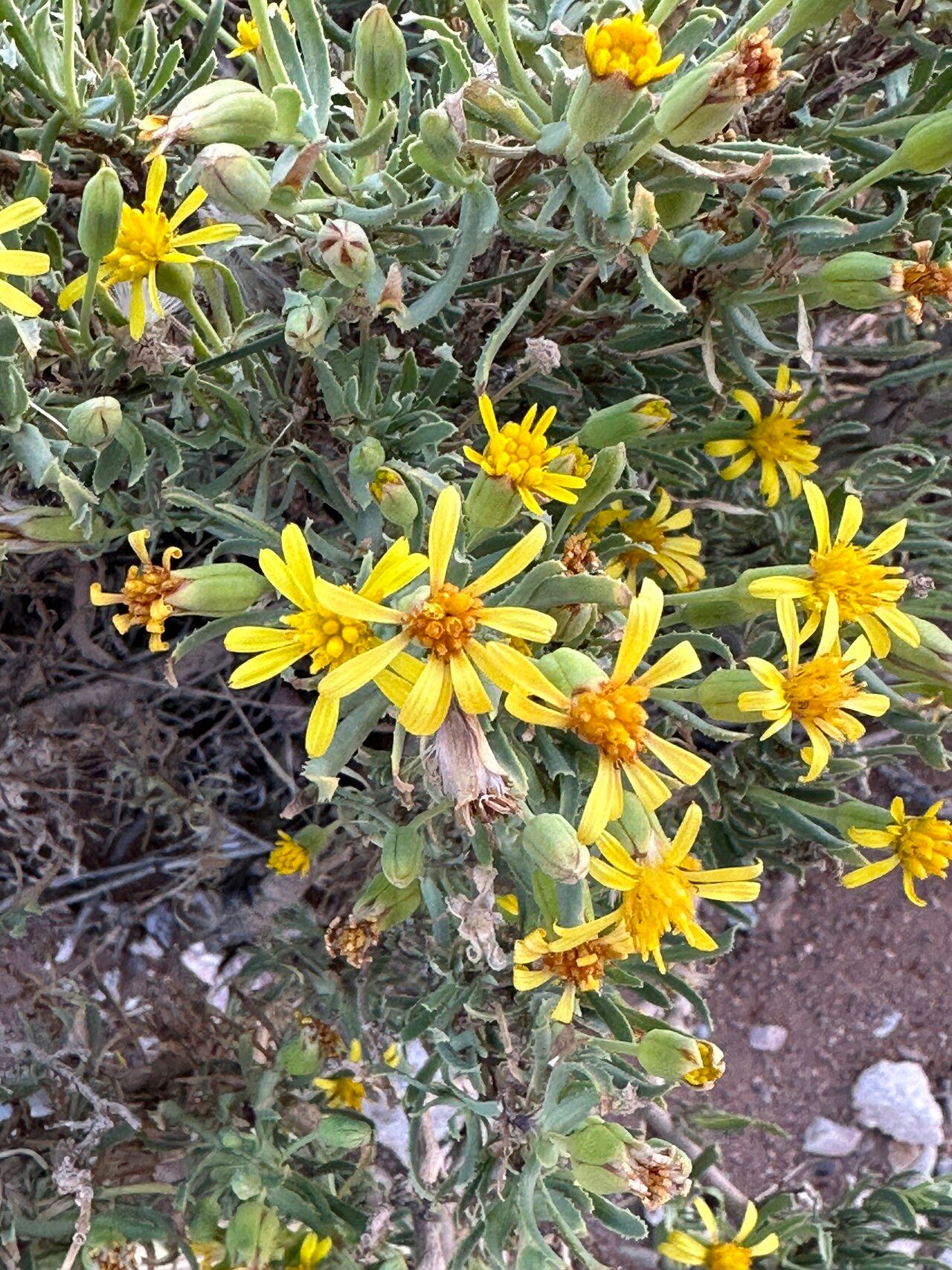
Hertia cheirifolia, commonly known as the Moroccan false fennel, is a small perennial herb that belongs to the Asteraceae family. It is native to North Africa and can be found in Morocco, Algeria, and Tunisia. This plant grows up to 30 cm in height and features a woody stem with small, gray-green leaves.
The yellow flowers of Hertia cheirifolia bloom from May to August. It thrives in dry habitats such as rocky slopes or sandy soils with good drainage, and it is tolerant of drought conditions.
In traditional medicine, Hertia cheirifolia has been used for its medicinal properties, including the treatment of digestive disorders like stomach pain and bloating. It also has anti-inflammatory properties that can help alleviate pain caused by arthritis or rheumatism.
Overall, Hertia cheirifolia is an intriguing plant with medicinal uses that have been recognized for centuries by traditional healers in North Africa. Its unique appearance makes it an attractive addition to any garden or landscape design project, and its hardiness ensures that it can withstand harsh conditions, including droughts and rocky soils.
Hertia cheirifolia demonstrates strong resistance to disease and is typically not susceptible to illnesses. With respect to care, this plant is fairly low-maintenance. When grown outdoors it needs only minimal watering, and larger specimens usually do not require pruning. Smaller plants, however, should be trimmed after they finish blooming. Hertia cheirifoliat is well suited for anyone with an outdoor area, such as a garden or deck, and does not call for extensive plant-care experience.
How to keep Hertia Cheirifolia.
Light
Hertia cheirifolia comes from open habitats, such as sunlit meadows and forest margins, which provide abundant light. It thrives in Full Sun but can also tolerate Partial Sun, adapting well to a range of sunlight conditions.
Temperature
Hertia cheirifolia is highly adaptable to different climatic conditions, whether facing hot summers or cold winters. Nevertheless, it has an optimal temperature range for growth. If temperatures get too high, the plant is susceptible to heat and humidity stress, which can be fatal. In areas where temperatures approach the lower limit of its cold tolerance, providing insulation is important to protect the plant.
Fertilizer
Fertilize your Hertia cheirifolia in early spring to encourage healthy growth. Regular feeding boosts overall health, leading to vigorous growth, better tolerance of harsh conditions, and increased resistance to pests and diseases. Keep a consistent fertilization schedule for your Hertia cheirifolia to maintain vivid, deeply colored foliage and a lush appearance.
Pruning
Hertia cheirifolia is a hardy perennial known for its vibrant yellow flowers. To improve air circulation, encourage new growth, and maintain its shape, prune any dead branches in early spring. Regular pruning helps keep the plant healthy and vigorous, extending its blooming period and ensuring robust, attractive growth throughout the season.
Pot & Repot
When repotting Hertia cheirifolia, select a pot 1–2 inches (2.5–5.1 cm) larger that provides ample drainage. Use a well-draining potting mix. Repot in spring or fall, making sure the root ball sits slightly below the rim of the flower pot. Water thoroughly after repotting and position the plant in a warm spot with indirect sunlight.
Botanical profile.
- Plant Type
- Shrub
- Life Cycle
- Perennial
- Genus
- Hertia
- Family
- Asteraceae
- Hardiness Zone
- 8-11
- Mature Height
- 30 cm
- Mature Spread
- 61 cm
- Leaf Color
- Gray, Light Gray
- Leaf Type
- Semi-evergreen
- Flower Size
- 3.05 cm to 4.06 cm
- Bloom Time
- Early spring, Mid spring
- Planting Time
- Spring, Summer, Autumn
- Harvest Time
- Late spring, Early summer
- Native Area
- Tunisia, Algeria
Other names.