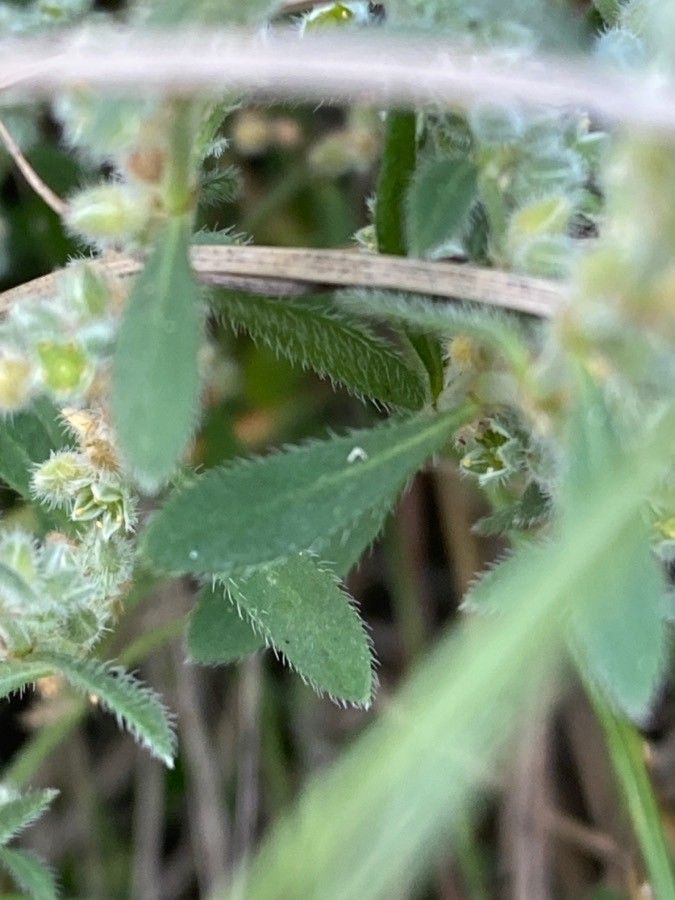
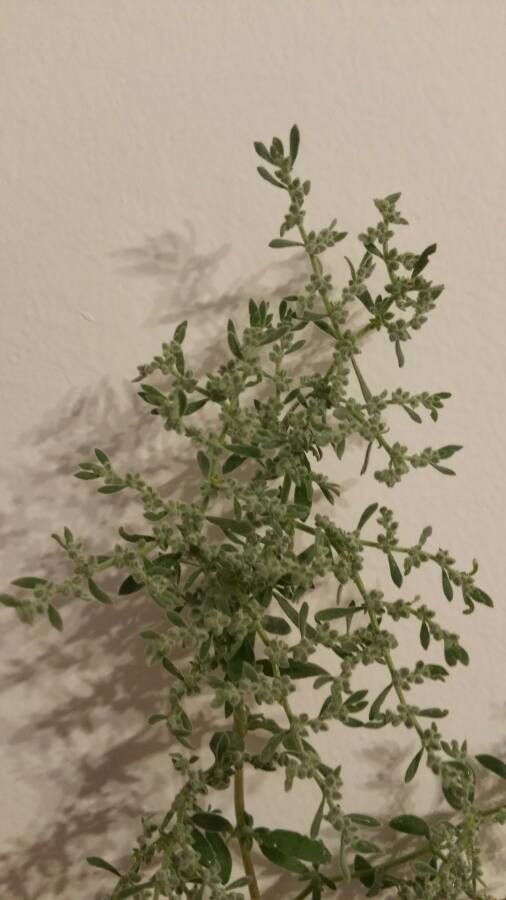
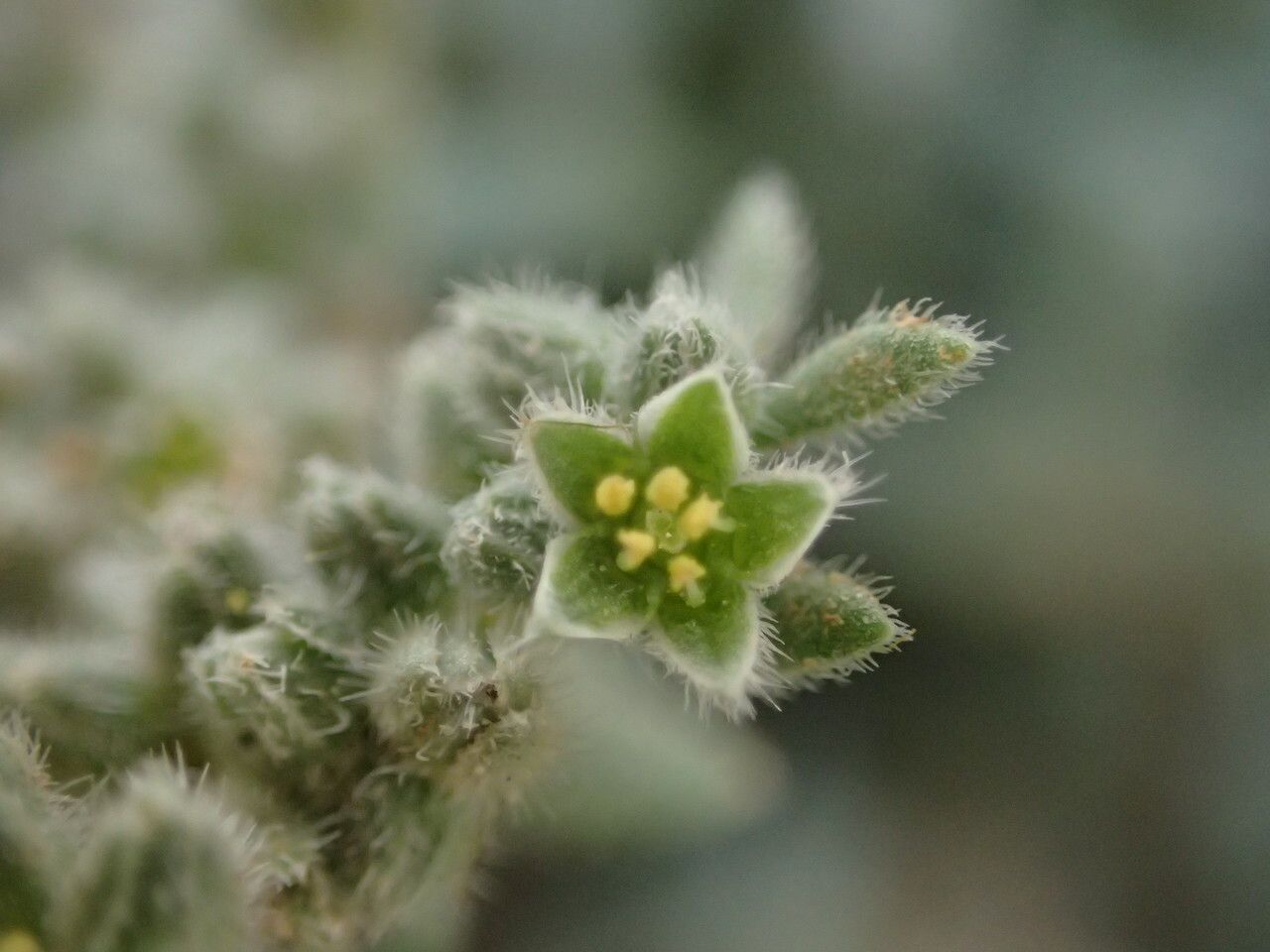
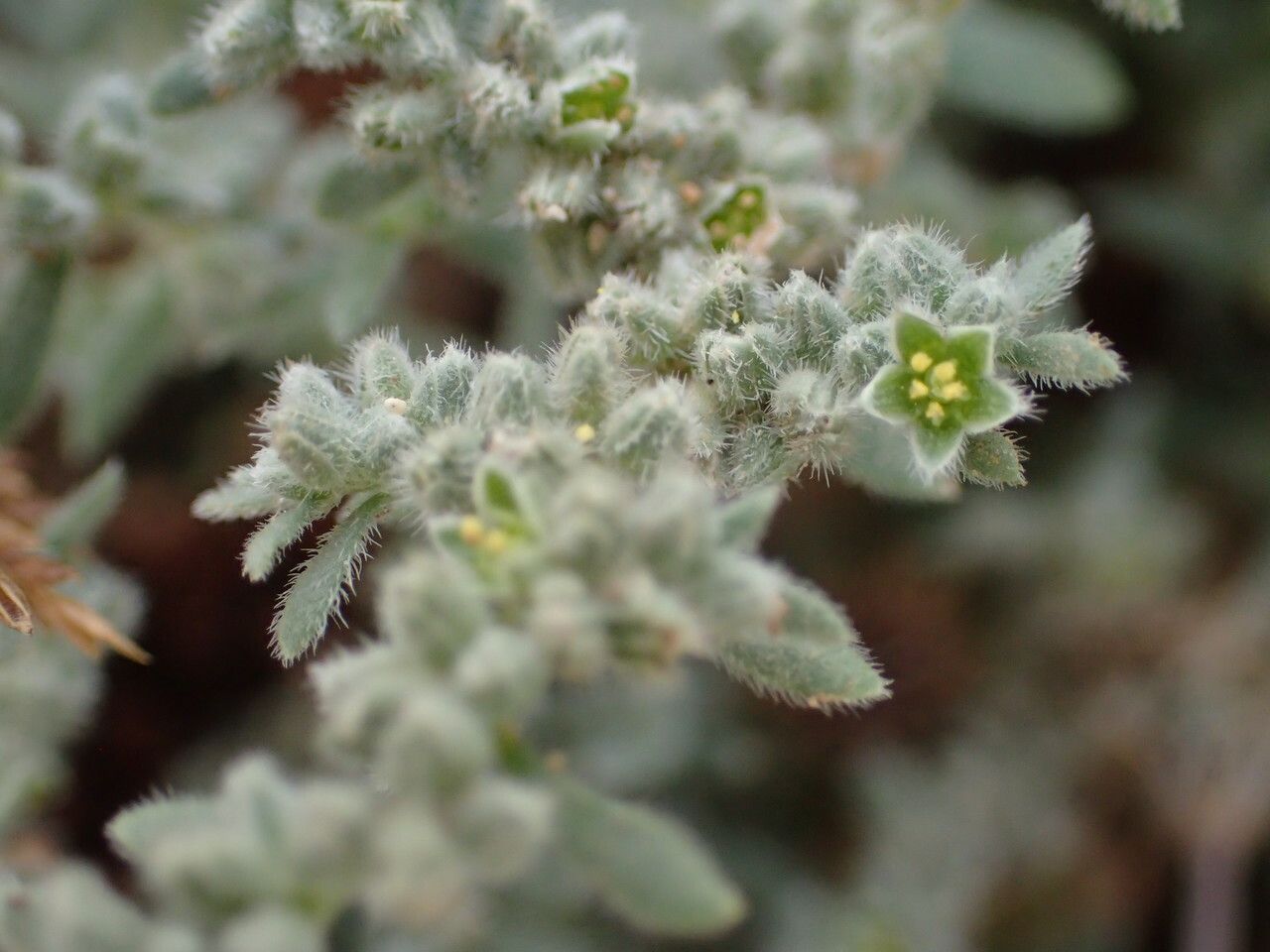
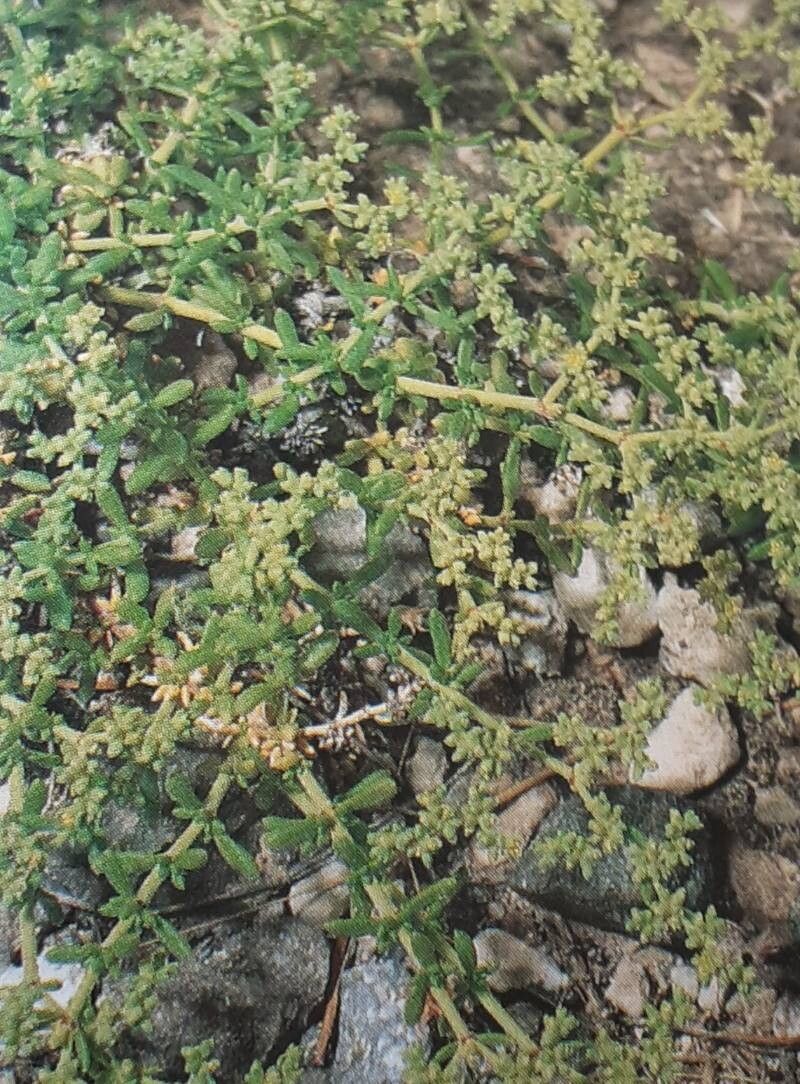
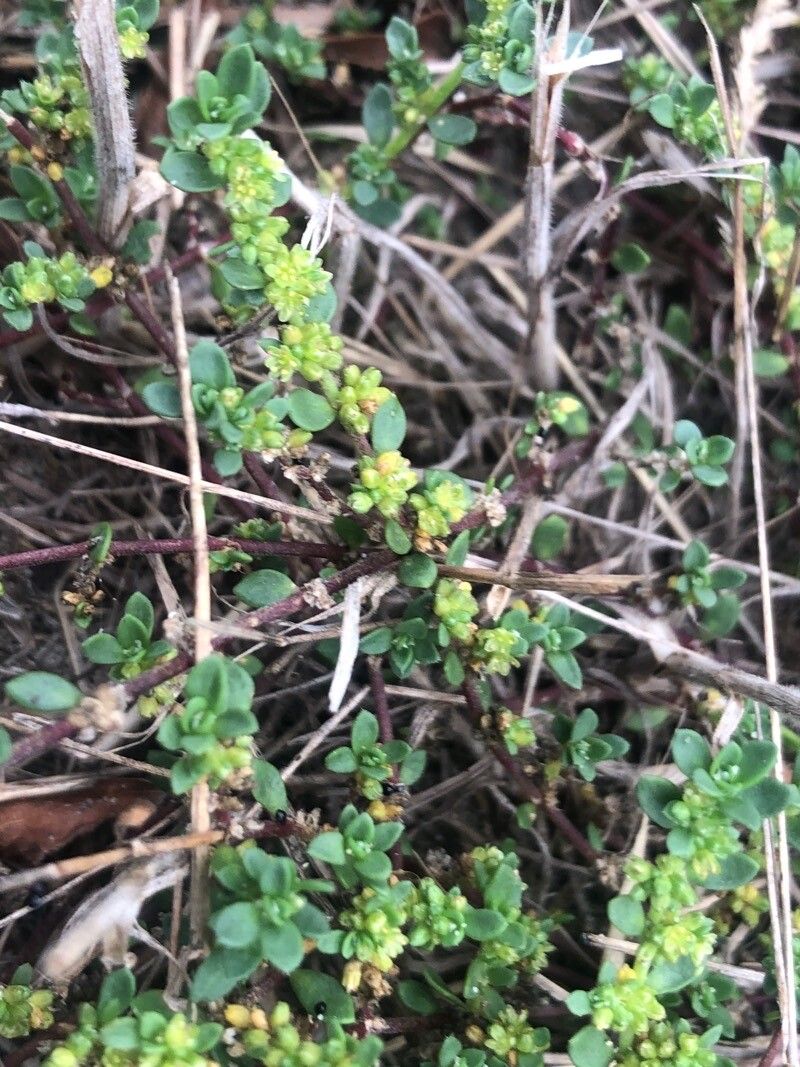
Gray rupturewort shows good resistance to disease and is usually not prone to illnesses. Nevertheless, it can be affected by pests and diseases present in its surroundings. These problems are typically mild. In terms of care, the plant requires moderate maintenance. It should be pruned regularly to keep a neat appearance and healthy growth. Fertilizing can also encourage flowering. Gray rupturewort is well suited to anyone with an outdoor space, such as a garden or patio, and does not need extensive care experience. It may demand more attention when grown indoors.
How to keep Herniaria Incana.
Light
Gray rupturewort occurs naturally in settings like forest understories or rocky areas, where it is exposed to natural shade. It favors partial sun but can tolerate full sun or full shade, showing its versatile and hardy nature.
Water
Gray rupturewort is well-suited to arid environments and requires minimal watering, usually about once a week. It thrives in well-draining soil to prevent root rot. Although it is hardy outdoors and adaptable to various climates, it is important to ensure proper drainage to manage excess rainfall.
Temperature
Gray rupturewort can tolerate a wide range of temperatures, but its distribution may still be restricted by different combinations of moisture and heat. It performs best in warm summer climates with sufficient rainfall or irrigation. Extended periods of cloudy, rainy weather, as well as prolonged high temperatures, can raise the chance of Gray rupturewort dying. In winter, proper protection from cold can increase the plant’s survival rate.
Fertilizer
One fertilizer application in spring is generally adequate for Gray rupturewort, although multiple feedings can maximize growth. Apply fertilizer roughly once every month to month and a half. Fertilization improves leaf appearance and function, helping maintain even color and a healthy texture. It also promotes root development and enhances nutrient uptake for long-term plant health.
Pruning
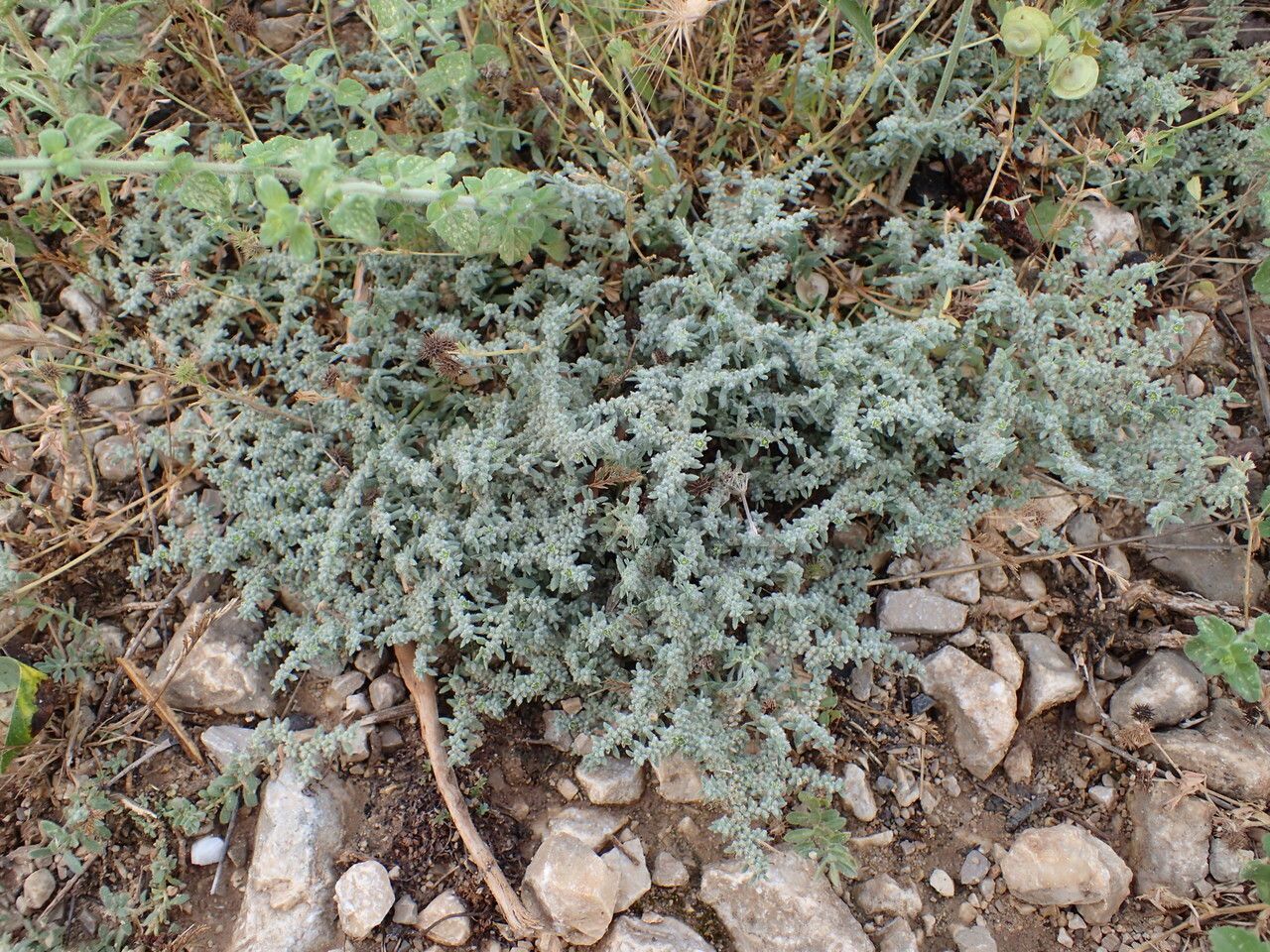
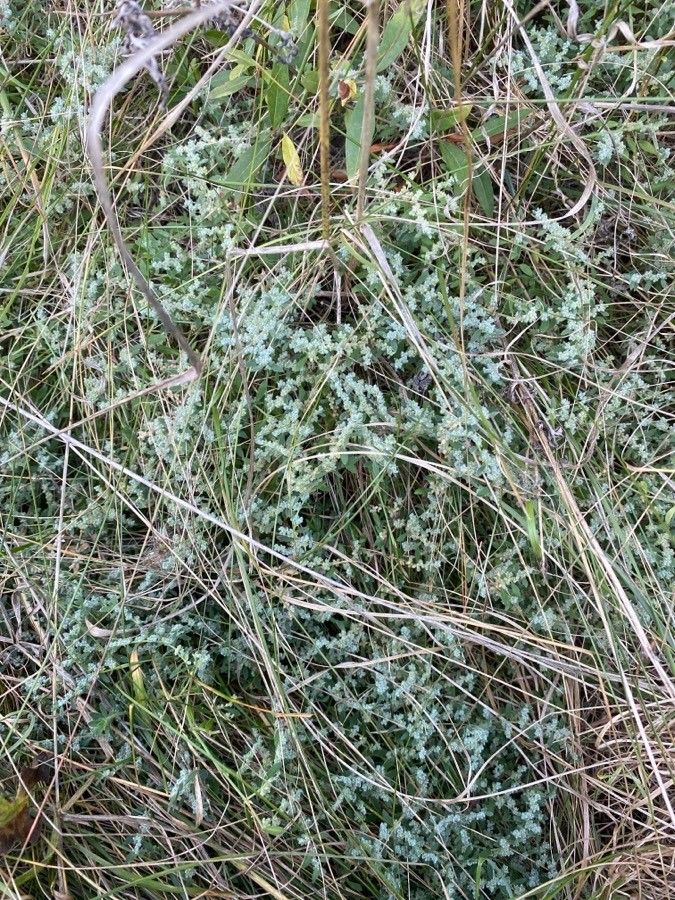
Gray rupturewort is a low-growing, mat-forming plant that is ideal for ground cover. To promote a denser and more attractive shape, prune the plant from early to late spring. Be sure to remove any dead stems, as this helps prevent legginess, improves airflow, and reduces the risk of disease. Always use clean, sharp tools to ensure effective pruning.
Botanical profile.
- Plant Type
- Herb
- Life Cycle
- Perennial
- Genus
- Herniaria
- Family
- Caryophyllaceae
- Hardiness Zone
- 5-9
- Mature Height
- 10 cm to 25 cm
- Mature Spread
- 10 cm to 30 cm
- Leaf Color
- Gray, Light Gray
- Leaf Type
- Semi-evergreen
- Flower Color
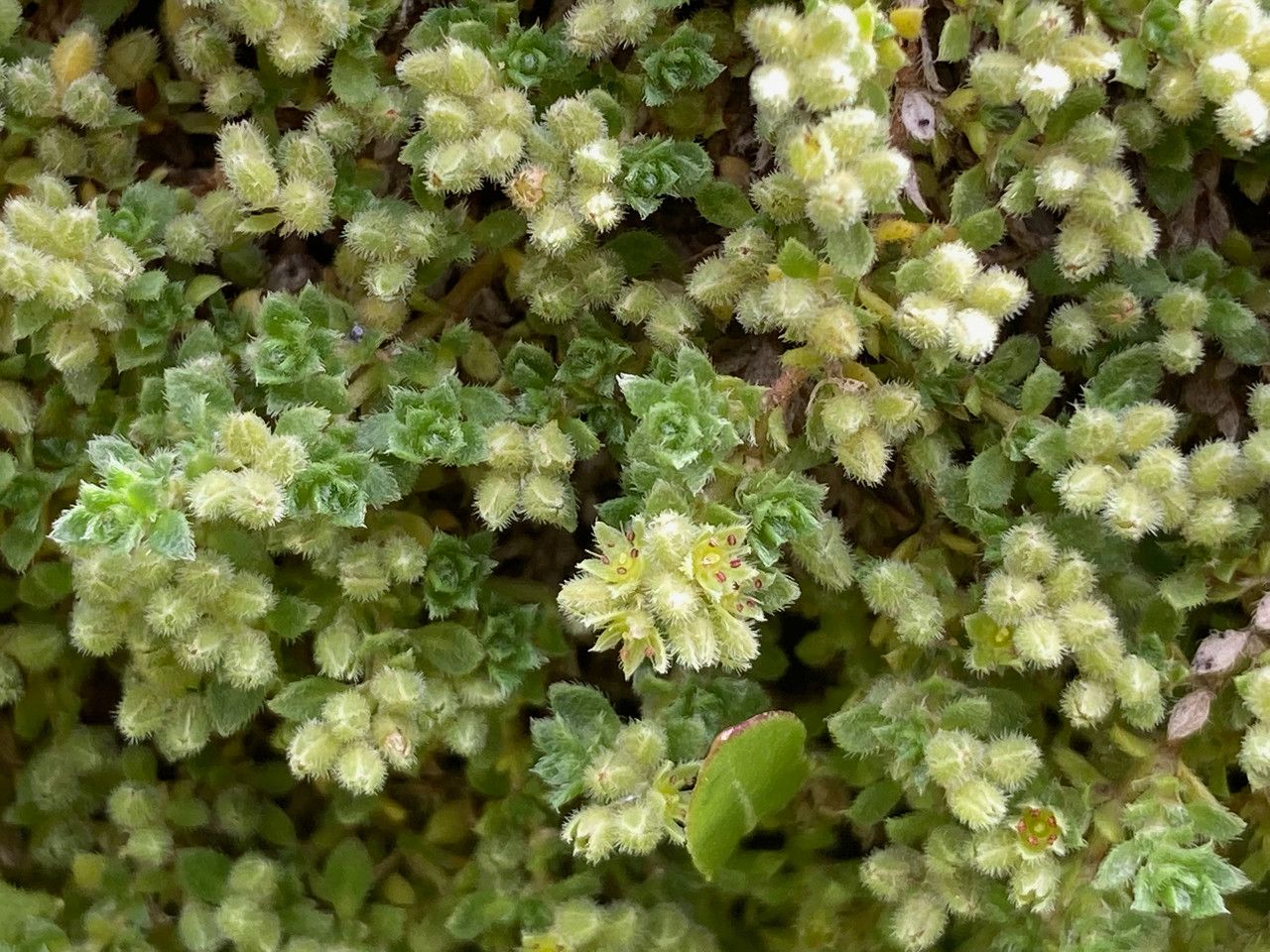
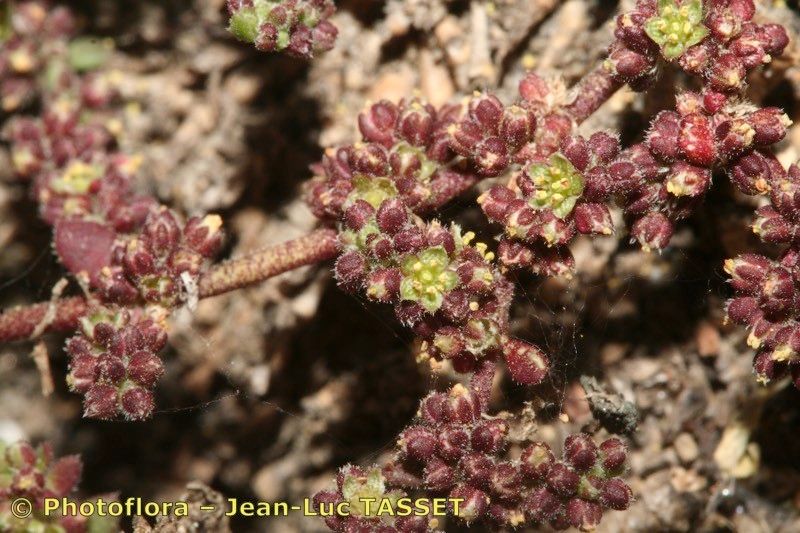
- Green
- Flower Size
- 0.15 cm to 0.20 cm
- Bloom Time
- Summer
- Planting Time
- Spring, Summer
- Harvest Time
- Late summer, Early fall, Mid fall
- Native Area
- Turkey, Slovakia, Montenegro, Bulgaria, Armenia, Poland, Greece, Croatia, Ukraine, Lebanon, Russia, Serbia, Hungary, Syria, Italy, Iran, Albania, Azerbaijan, Algeria, Romania, Turkmenistan, France
Other names.
Reader questions.
What are the sunlight requirements for Gray rupturewort?
Gray rupturewort thrives in partial sun, requiring about 3-6 hours of sunlight daily. It can also tolerate full shade, making it adaptable to various growing environments such as forest understories or rocky areas. Full sunlight exposure is above 6 hours a day. It's essential to observe how sunlight moves through your garden to choose the best spots that provide a balance of light and shade, ensuring the optimal growth and happiness of your plants.
How does artificial lighting support Gray rupturewort growth indoors?
When natural sunlight is insufficient, especially during winter or in less sunny spaces, artificial lighting can significantly benefit Gray rupturewort's growth. Indoor plants can thrive under artificial lights, which can be adjusted to provide the specific wavelengths of light that the plants need. For indoor plant care, LED lights are recommended because they can offer a customizable spectrum. Depending on the plant's sunlight needs, the required artificial light intensity varies: full sun plants need 30-50W/sq ft, partial sun plants 20-30W/sq ft, and full shade plants 10-20W/sq ft. The light source should be placed 12-36 inches above the plant to mimic natural sunlight and kept on for 8-12 hours per day to simulate natural daylight hours.
What symptoms indicate insufficient light for Gray rupturewort?
When Gray rupturewort experiences low light conditions, several symptoms may appear indicating light deficiency. These include small, new leaves growing smaller than the previous ones, leggy or sparse growth where the space between leaves or stems elongates, leading to a weak appearance, faster leaf drop as the plant sheds older leaves early to conserve resources, slower or halted growth, lighter-colored new leaves indicating a lack of chlorophyll, and various issues like chlorosis, sunscald, leaf curling, wilting, and leaf scorching from either too much or too little light.
What are the solutions for Gray rupturewort suffering from light deficiency?
To address light deficiency in Gray rupturewort, gradually acclimatize the plant to more sunlight by relocating it to sunnier spots each week, aiming for 3-6 hours of direct sunlight daily. If the plant is too large or not easily movable, consider supplementing with artificial light, keeping a lamp on for at least 8 hours a day, or investing in professional plant grow lights. For outdoor gardening, avoid sudden changes in light exposure to prevent sunburn. Removing obstructions that block sunlight and transplanting smaller plants during their dormant period to sunnier locations with good drainage can also help in maximizing the plant's light exposure and health.