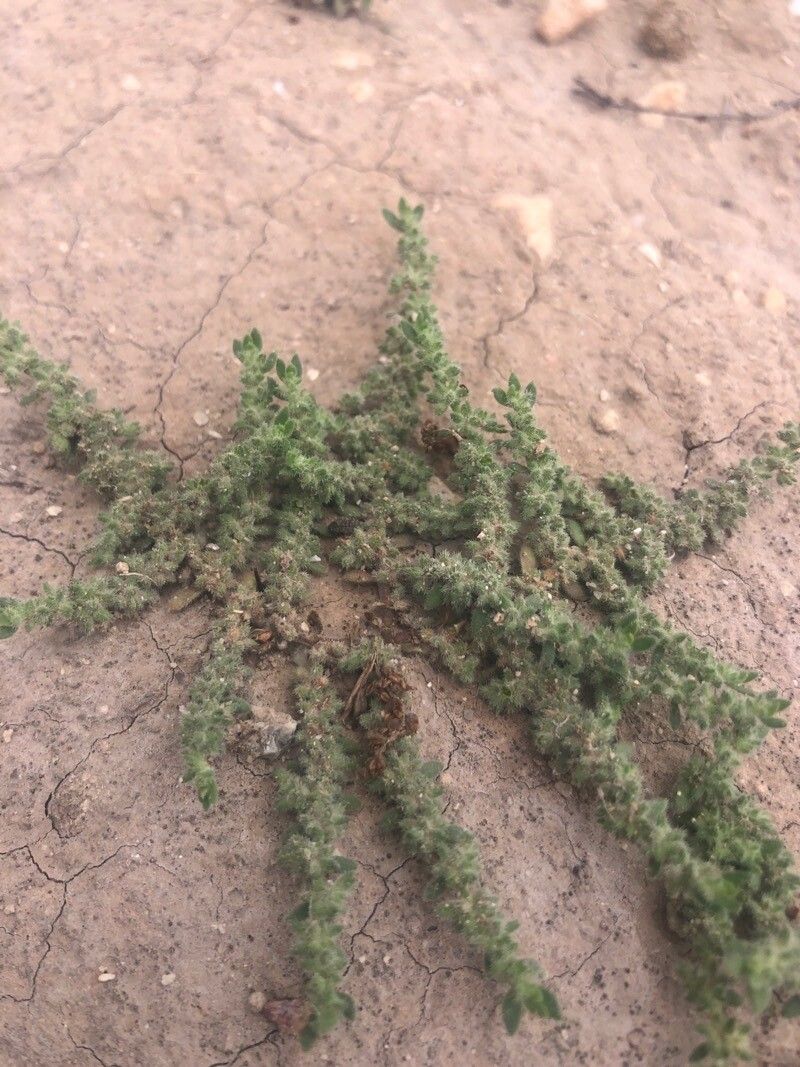
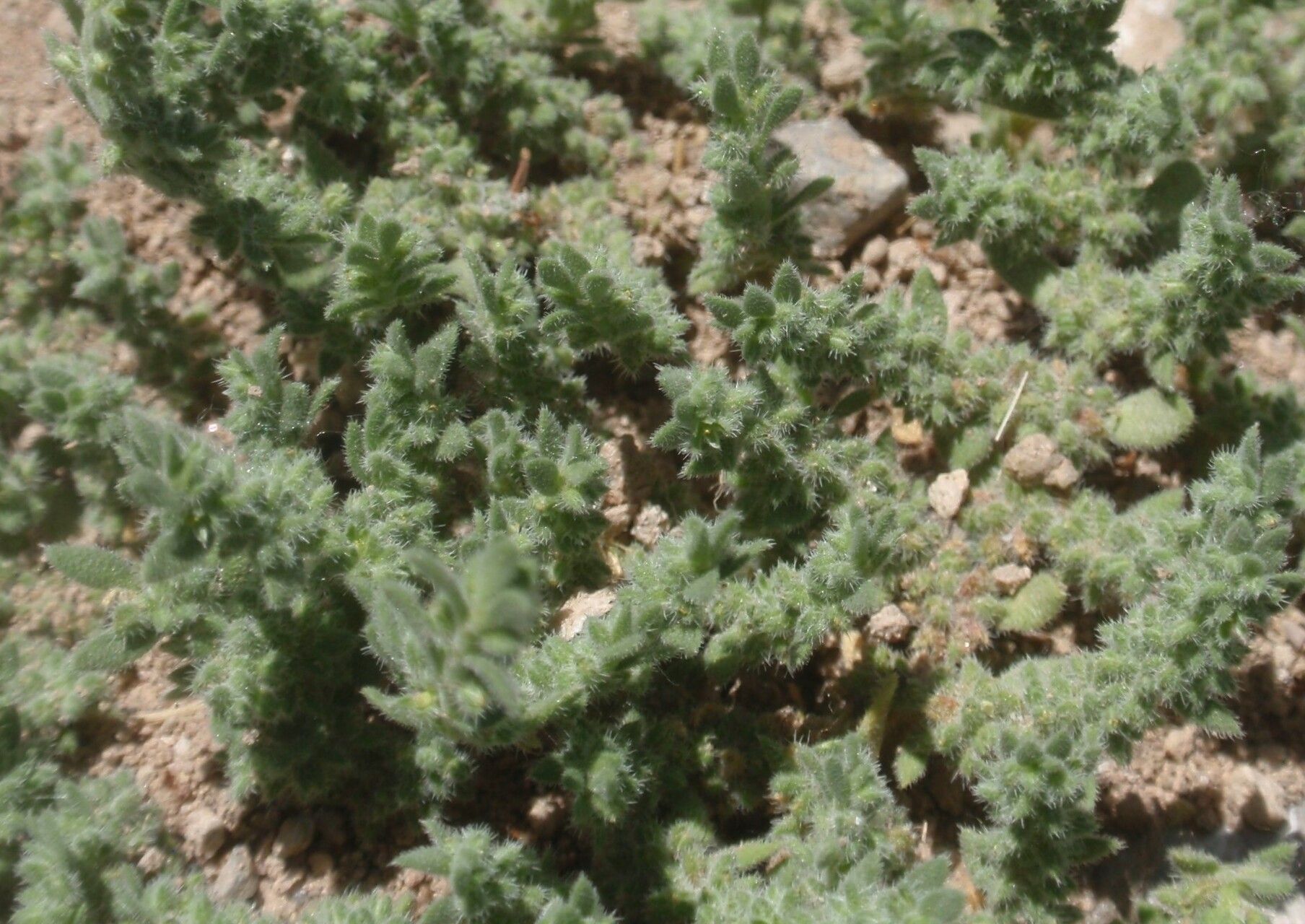
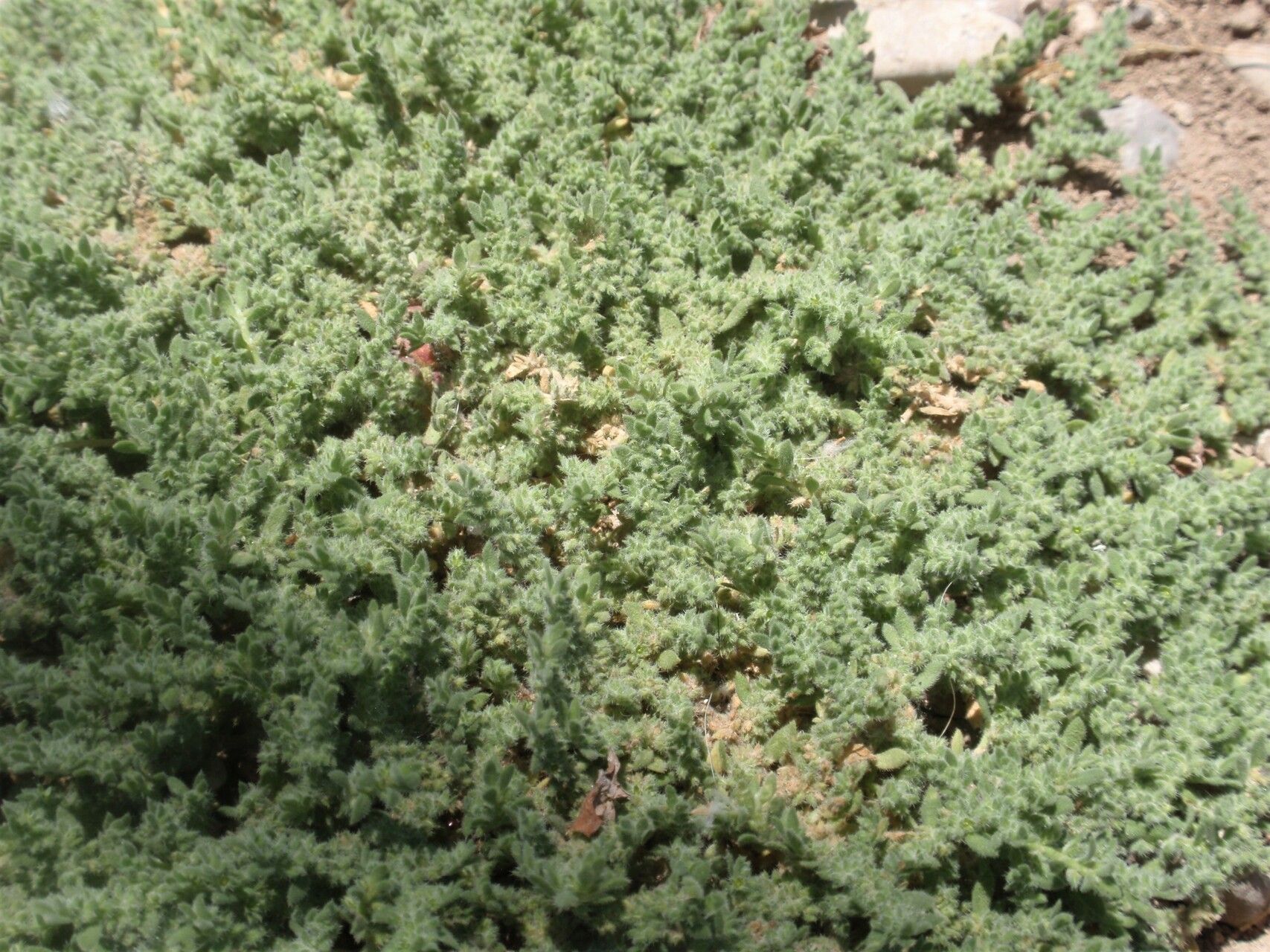
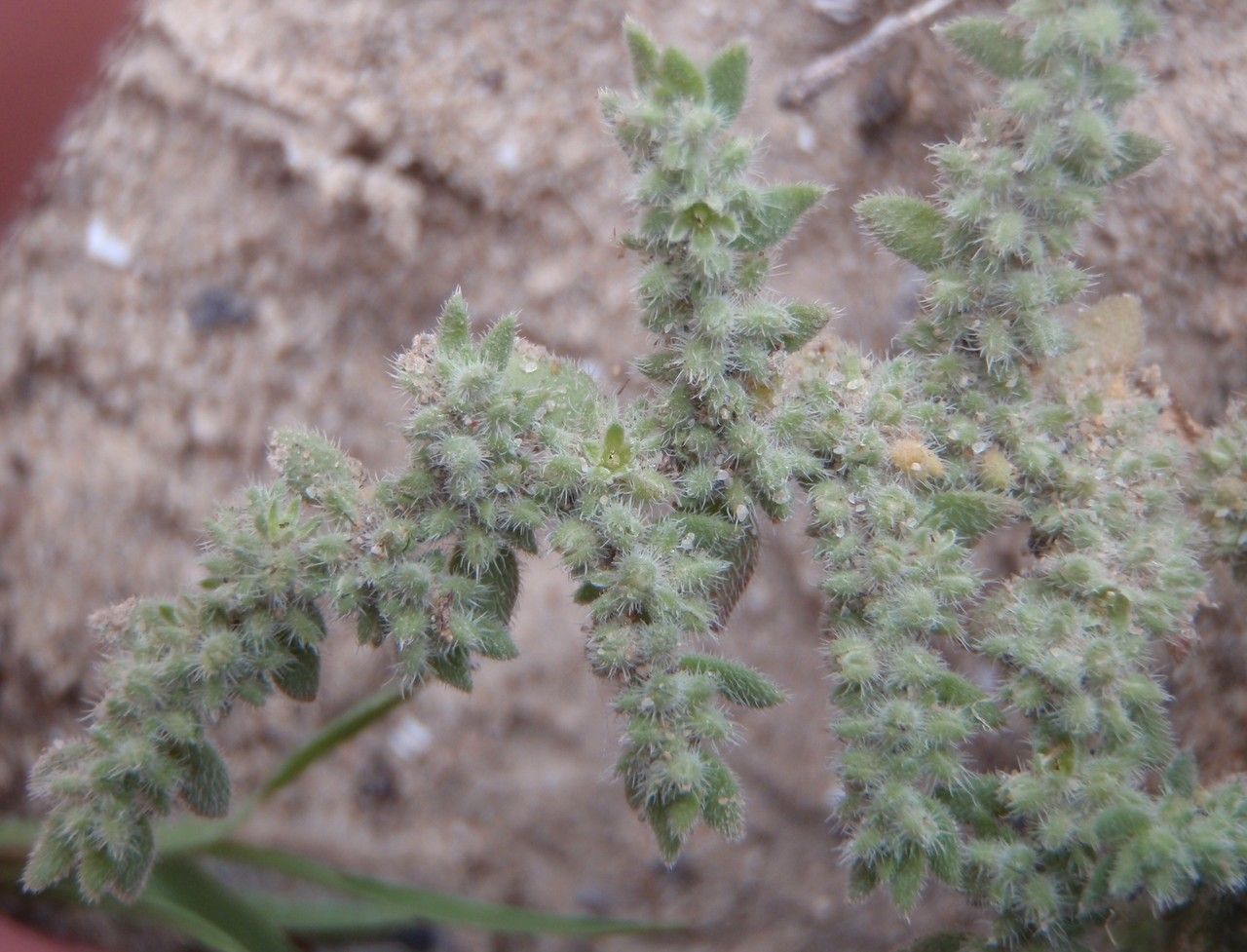
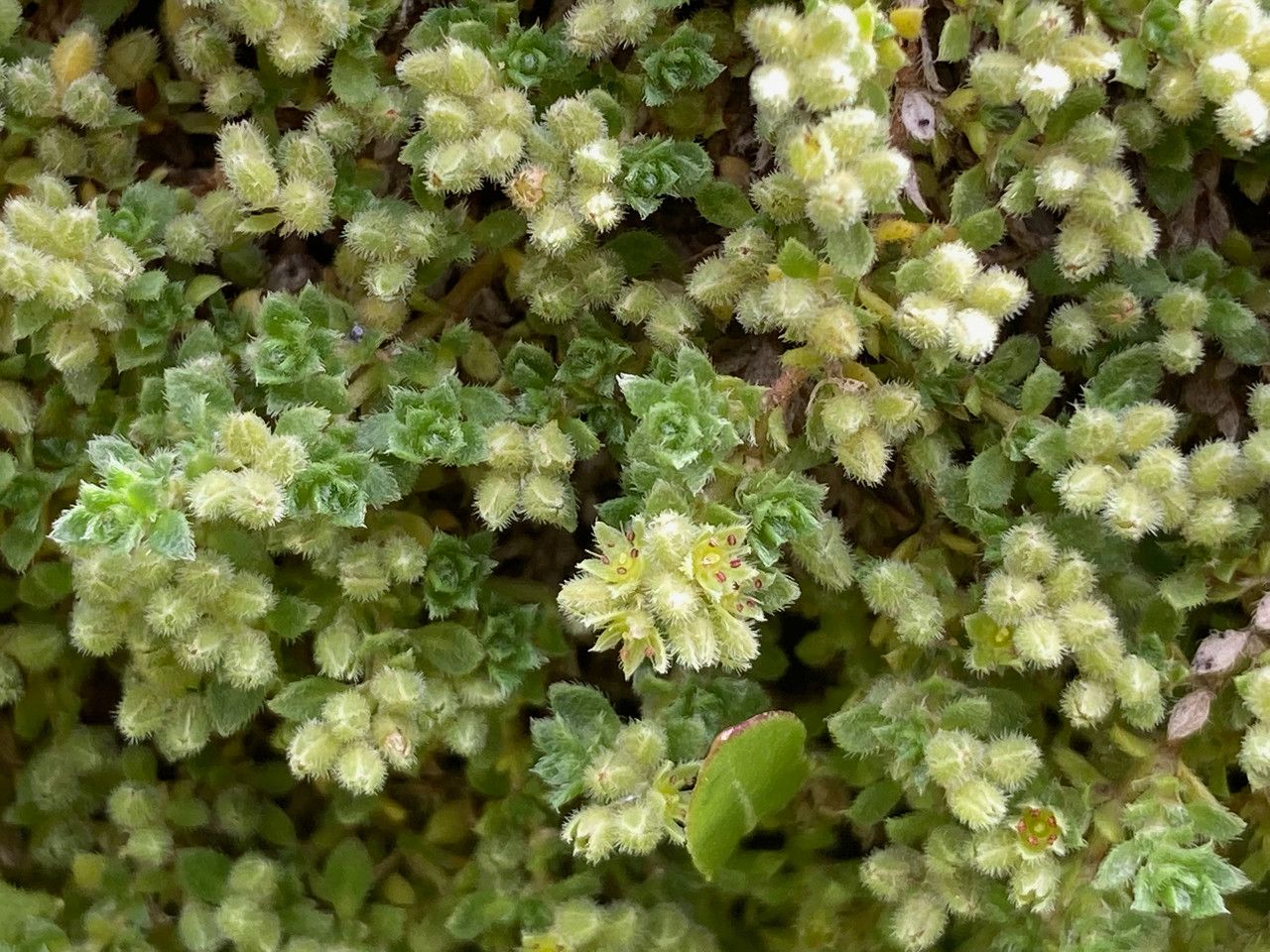
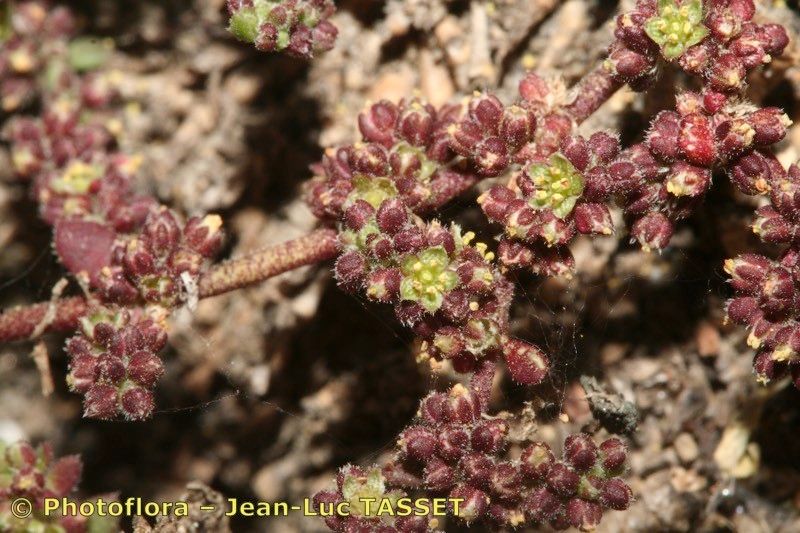
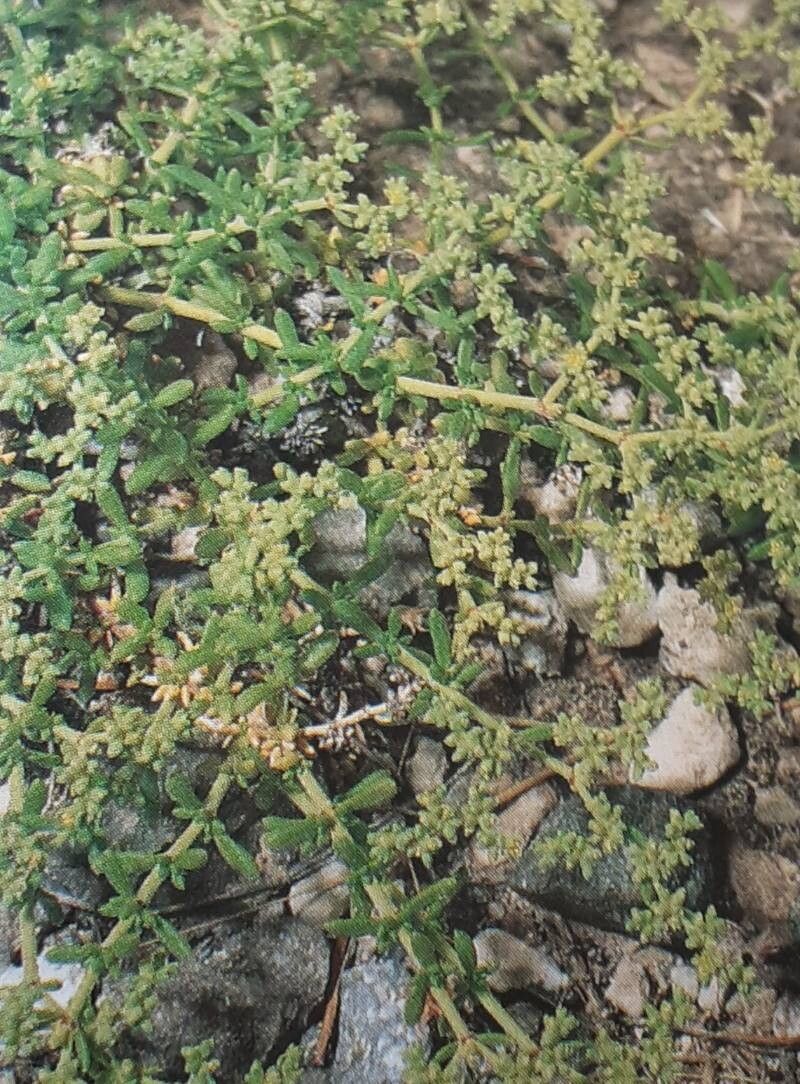
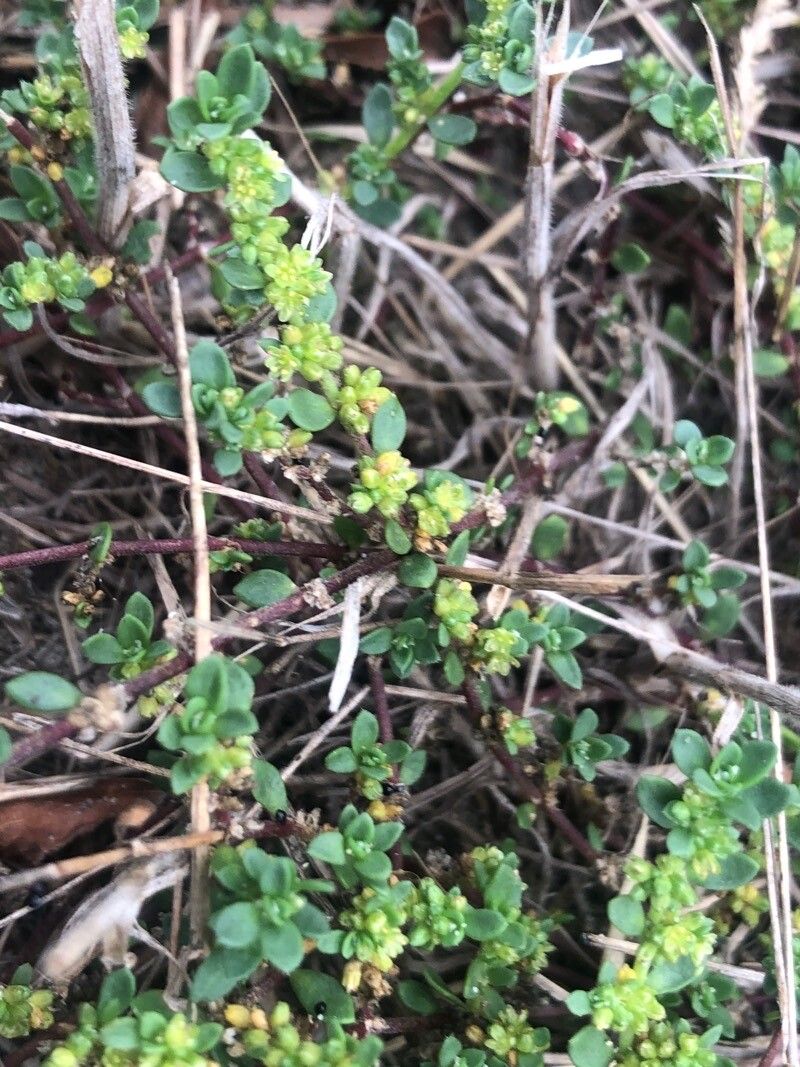
Herniaria cinerea is a species of herb in the family Caryophyllaceae (carpetweeds).
Hairy rupturewort shows strong resistance to diseases and is typically not very susceptible to them. Still, it can be affected by pests and illnesses present nearby. Such problems are generally mild. Regarding care, the plant needs a moderate amount of attention. It should be pruned on a regular basis to preserve its appearance and support healthy growth. Applying fertilizer can also encourage more flowering. Hairy rupturewort is appropriate for anyone who has an outdoor area, like a garden or patio, and does not demand extensive gardening experience. If grown indoors, it may need a higher level of care.
How to keep Herniaria Cinerea.
Light
Hairy rupturewort is a perennial, herbaceous plant that prefers sunny conditions and originates in open habitats, commonly occurring in meadows and grasslands. It favors full sun but is also able to tolerate partial sun.
Temperature
Hairy rupturewort can tolerate a wide span of temperatures, but its range may still be constrained by various combinations of moisture and heat. It does best in warm summer conditions with sufficient rainfall or watering. Long stretches of cloudy, rainy weather or extended high heat can raise the likelihood of Hairy rupturewort dying. During winter, appropriate protection from cold can increase the plant’s chances of survival.
Fertilizer
A single fertilizer application in spring is typically enough for Hairy rupturewort, though additional feedings can maximize growth. Feed it once every month to a month and a half. Fertilizing improves leaf appearance and function, encouraging even color and a healthy texture. It also promotes root growth and nutrient uptake for the plant's long-term health.
Pruning
Hairy rupturewort is a low-growing, mat-forming plant that benefits from light pruning from early to late spring to improve its shape and encourage growth. Regularly trimming spent flowers and removing damaged leaves helps prevent disease and promotes denser foliage, enhancing the plant's overall appearance and health. For specific care instructions, consult local guidelines.
Botanical profile.
- Plant Type
- Herb
- Life Cycle
- Perennial
- Genus
- Herniaria
- Family
- Caryophyllaceae
- Hardiness Zone
- 6-9
- Mature Height
- 5 cm to 15 cm
- Mature Spread
- 10 cm to 30 cm
- Leaf Color
- Gray, Light Gray
- Leaf Type
- Semi-evergreen
- Flower Size
- 0.10 cm to 0.20 cm
- Bloom Time
- Mid spring, Late spring, Early summer
- Planting Time
- Spring, Autumn
- Harvest Time
- Summer
Other names.