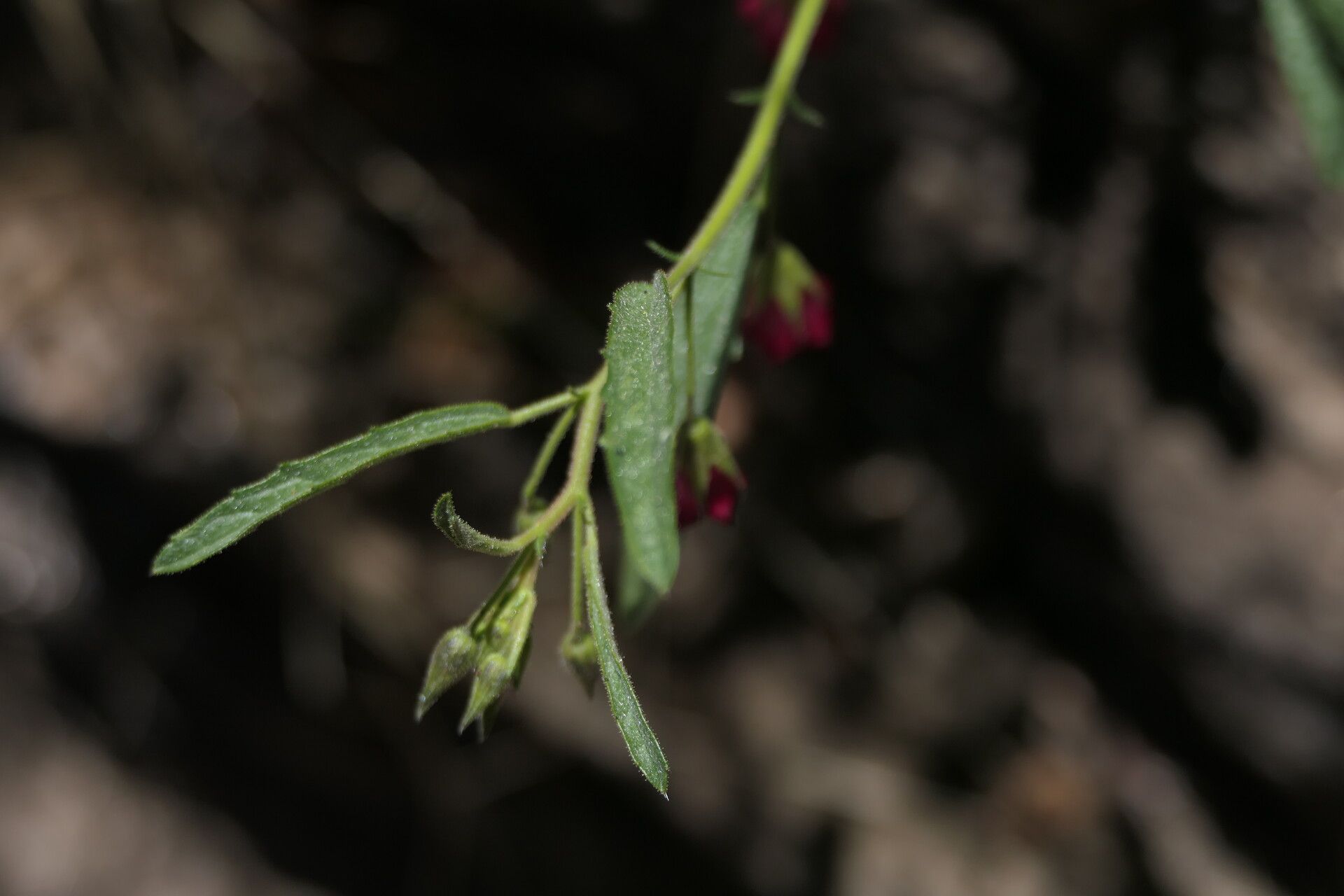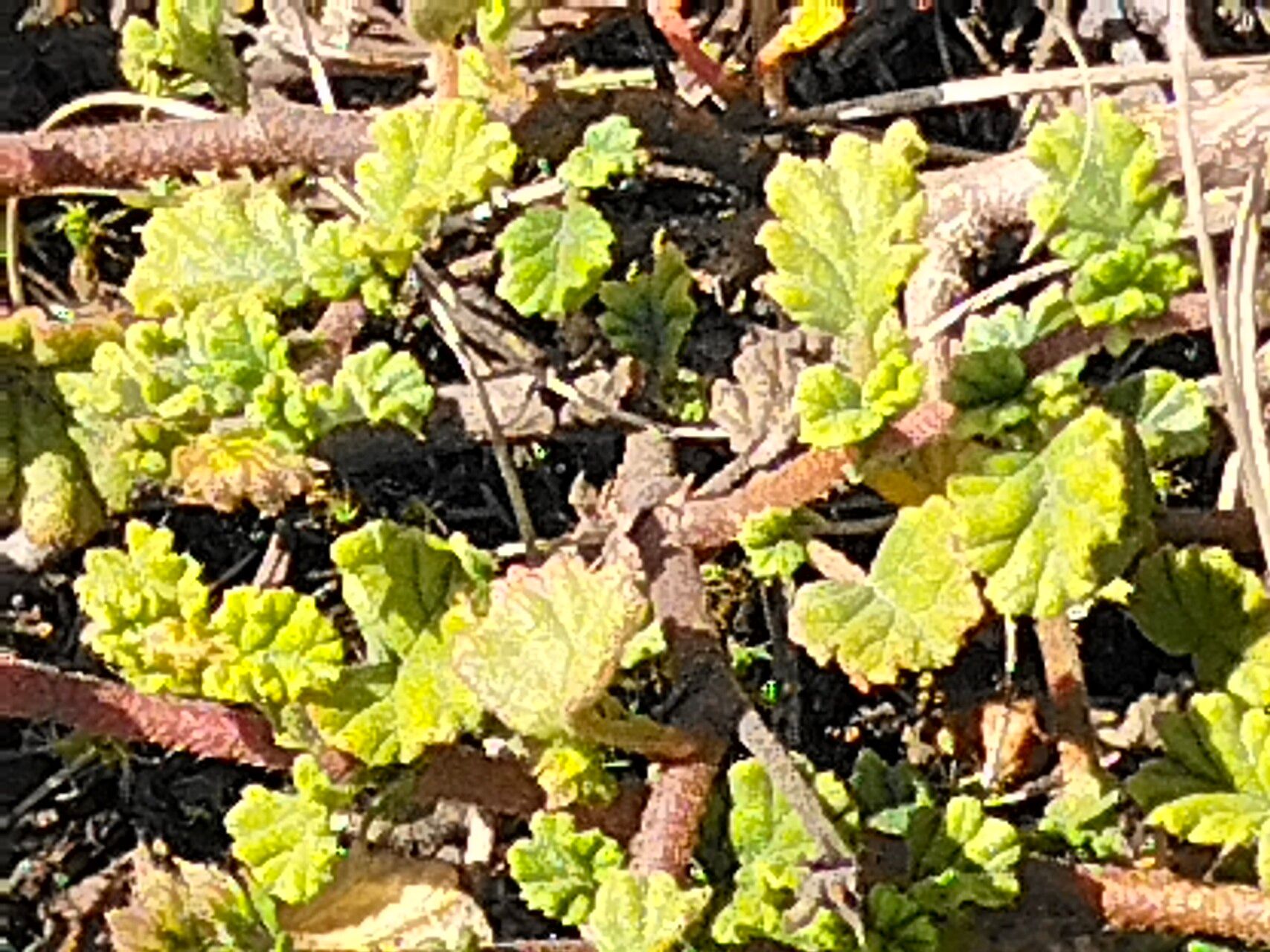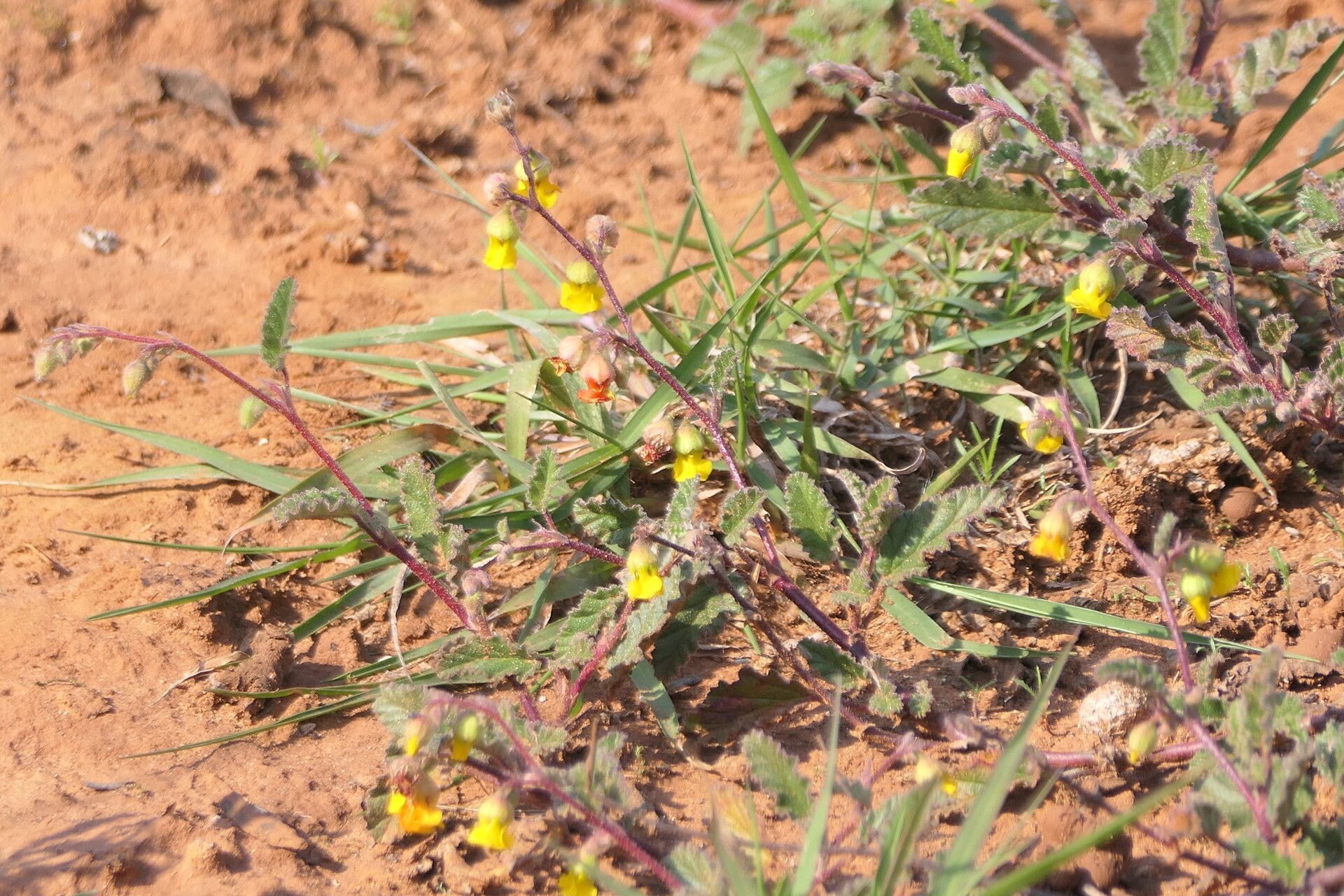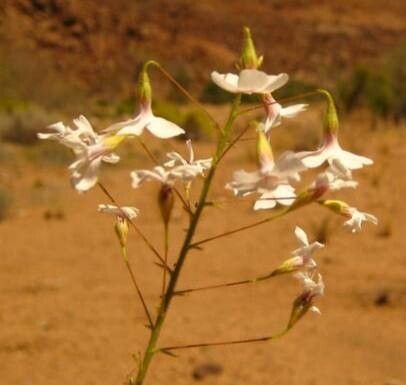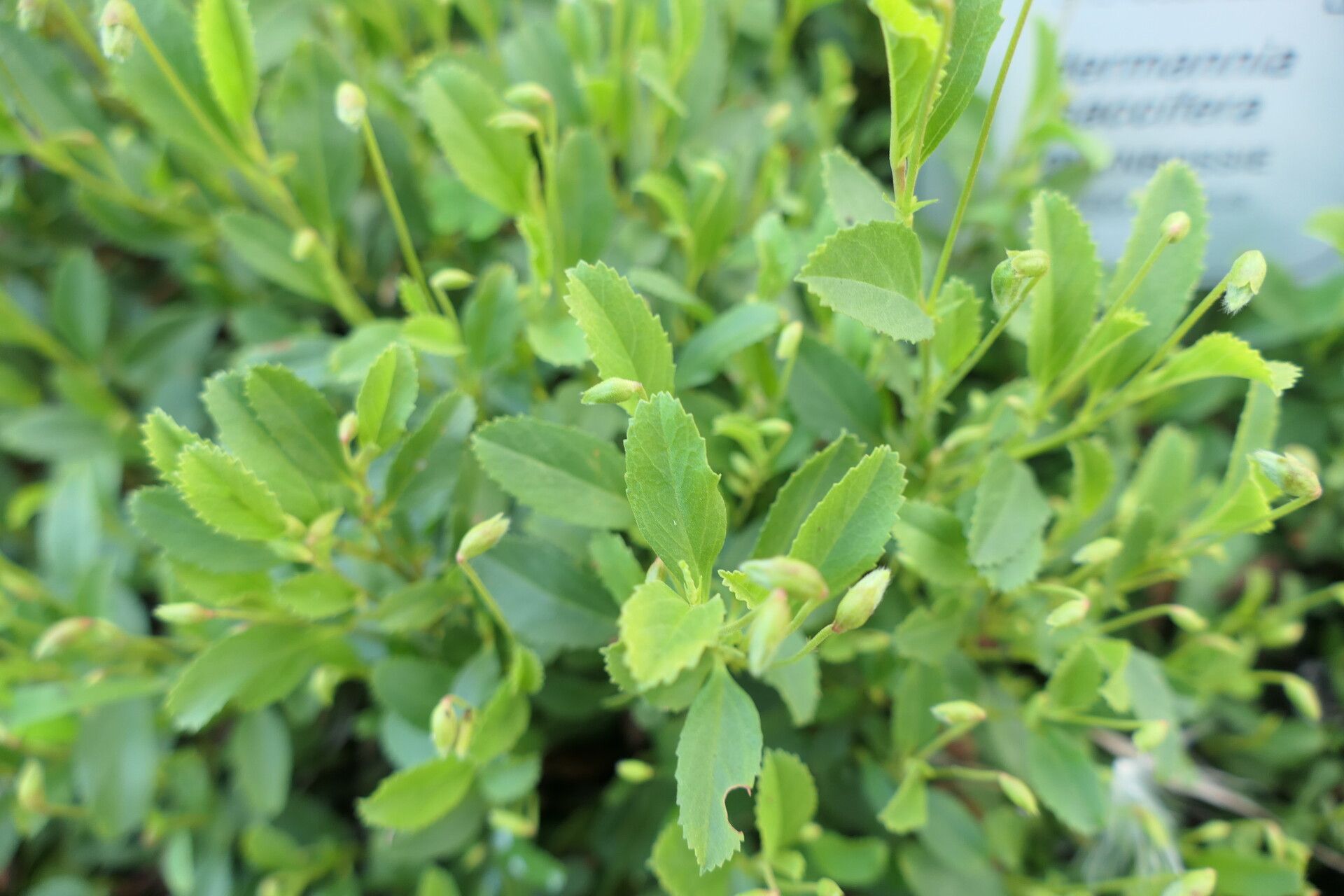
The cumin bush has good disease resistance and generally does not develop many diseases. However, it can be vulnerable to pests and diseases present in its environment; these infections are typically mild. In terms of care, the plant requires a moderate level of maintenance. It should be pruned regularly to keep a tidy appearance and support healthy growth. Fertilizing can also help encourage flowering. The cumin bush is suitable for anyone with outdoor space, such as a garden or patio, and does not need extensive care experience. It may demand more attention if grown indoors.
How to keep Hermannia Saccifera.
Light
The cumin bush typically thrives in natural habitats like forest underbrush or rocky terrains where it is naturally shaded. It generally prefers partial sunlight, however, its hardy and adaptable nature allows it to thrive in both full sunlight and complete shade.
Temperature
The Cumin bush is capable of adjusting to diverse temperature ranges, yet its spread could potentially be restricted by various combinations of humidity and thermal conditions. It flourishes optimally in temperate climates during the summer, given sufficient precipitation or irrigation. Extended spells of overcast and wet weather, in conjunction with extended high temperatures, may raise the chances of the Cumin bush perishing. During the colder months, taking measures to safeguard against the chill can enhance the plant's chance of survival.
Fertilizer
The optimal period to feed a Cumin bush is during the early spring as it is transitioning from dormancy to active growth. This process supplies essential nutrients required for robust growth. Despite the Cumin bush's relatively modest fertilization requirements, yearly fertilization can boost its longevity and encourage superior, more durable blooms.
Pruning
The cumin bush is a low-growing shrub known for its aromatic leaves and bright flowers. To keep it in good shape, remove damaged branches, and promote dense growth, it's best to prune it in early spring. Proper pruning improves air circulation and light penetration, which boosts the overall health of the plant and supports its vibrant appearance.
Botanical profile.
- Plant Type
- Herb
- Life Cycle
- Perennial
- Genus
- Hermannia
- Family
- Malvaceae
- Hardiness Zone
- 9-11
- Mature Height
- 30 cm to 61 cm
- Mature Spread
- 40 cm to 76 cm
- Leaf Color
- Green, Olive Drab
- Leaf Type
- Deciduous
- Flower Color
- Yellow
- Flower Size
- 1.02 cm to 2.03 cm
- Bloom Time
- Early fall, Mid fall
- Planting Time
- Summer, Autumn
- Harvest Time
- Late fall, Early winter
- Native Area
- South Africa