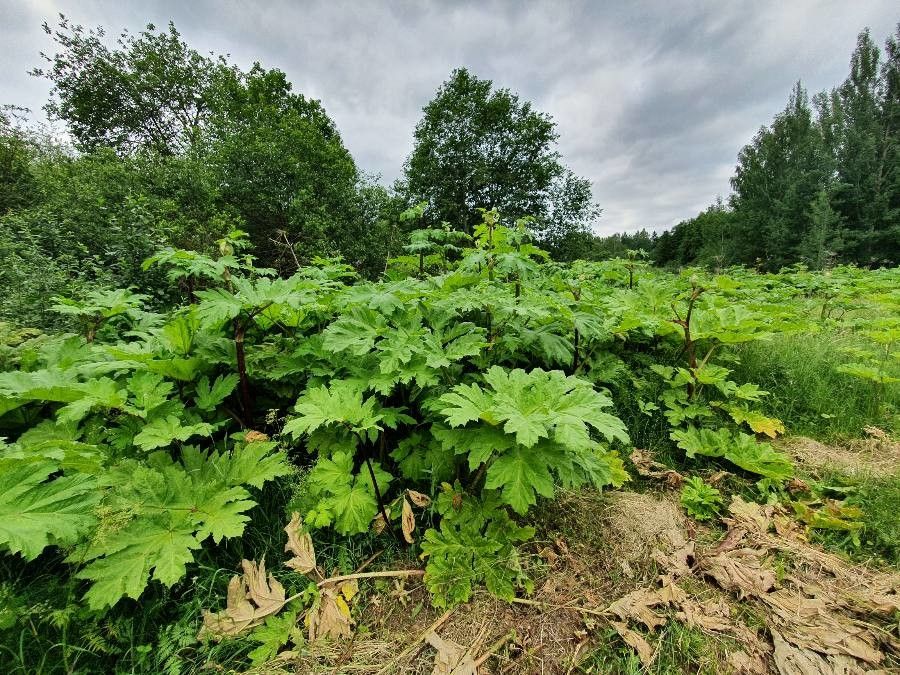
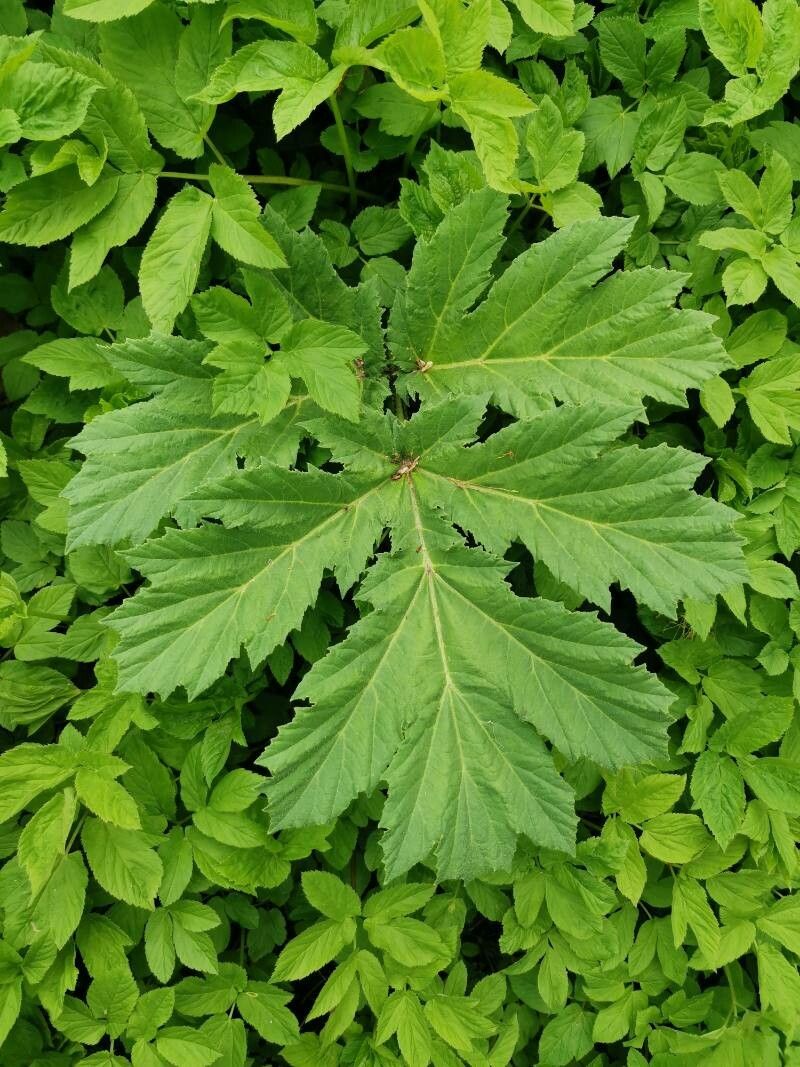
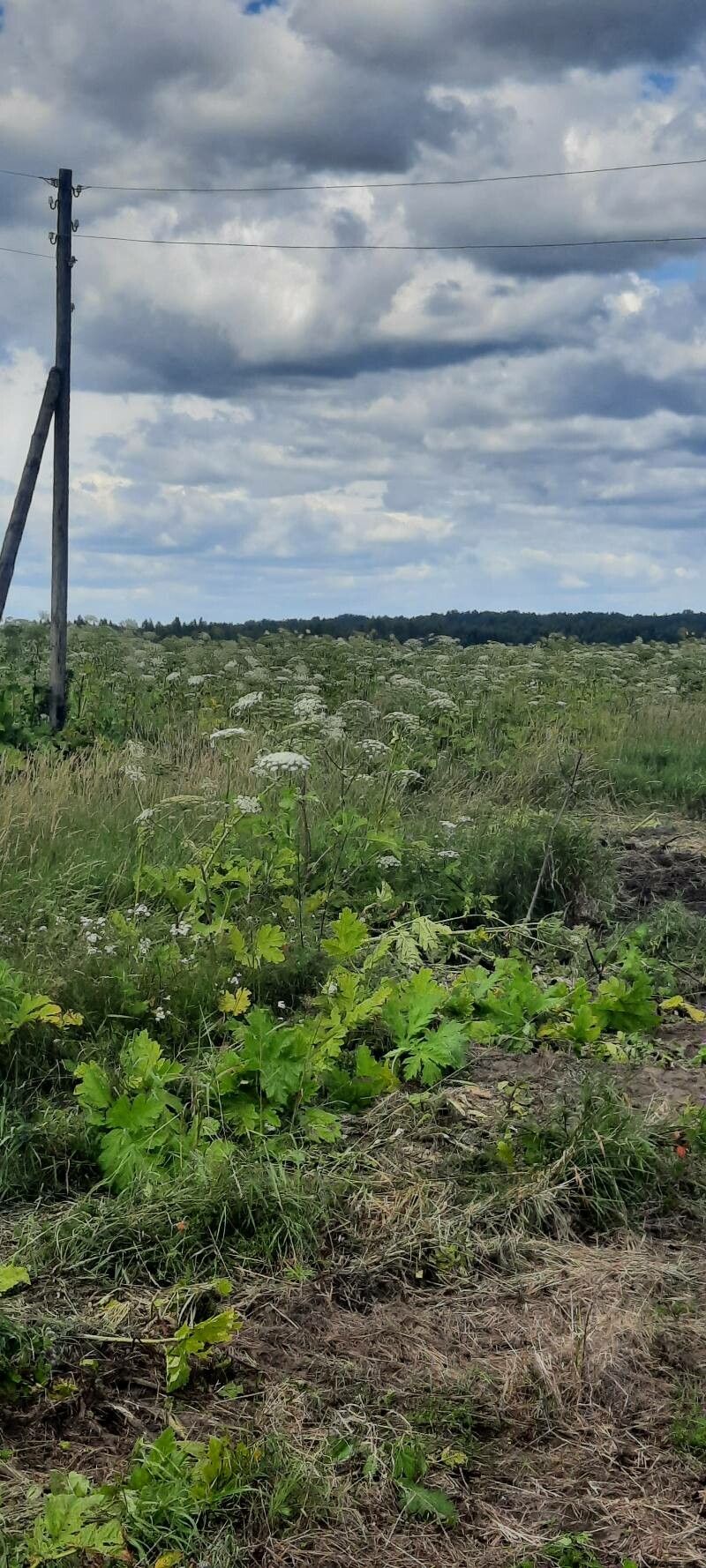
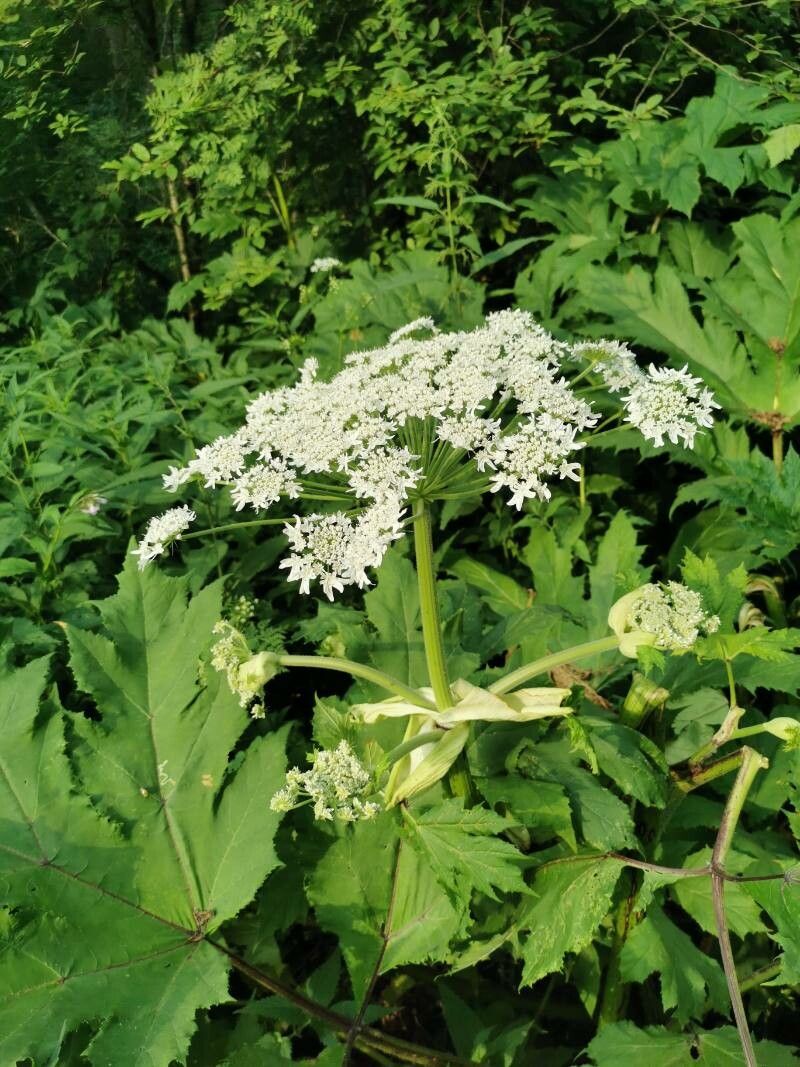
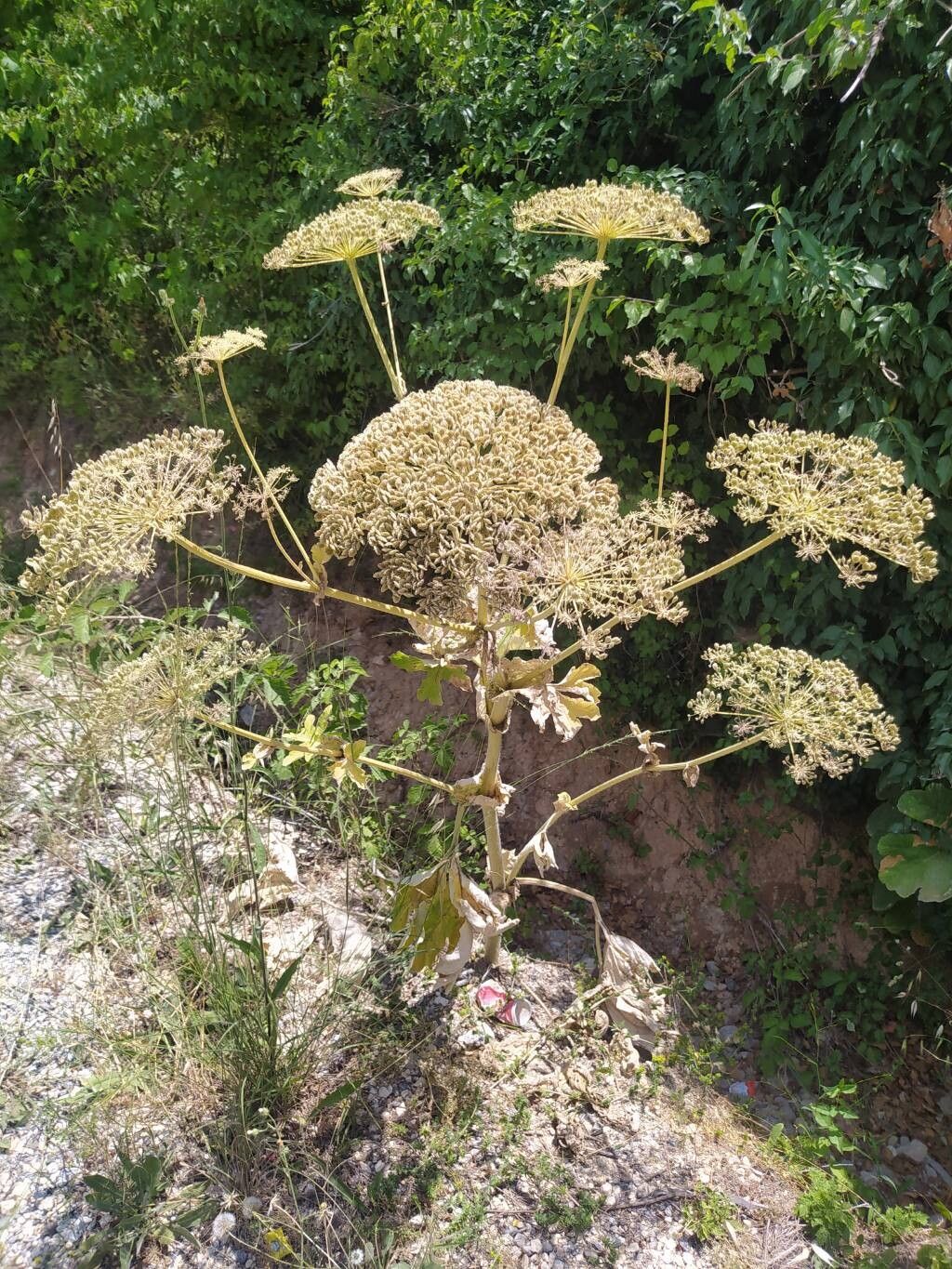
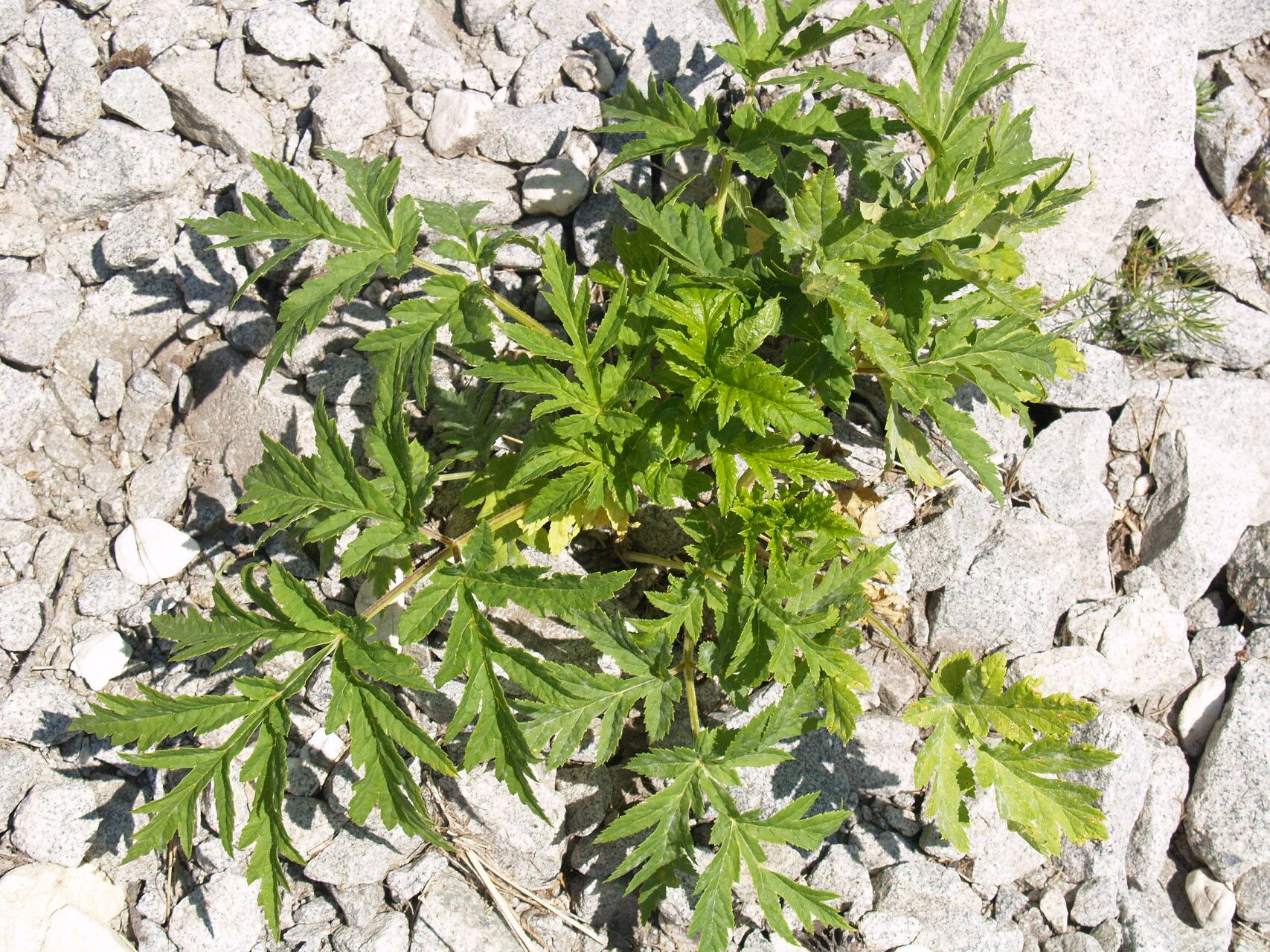
Heracleum sosnowskyi, commonly known as Sosnowsky's hogweed, is a highly invasive plant species native to the Caucasus region of Eurasia. Introduced to Europe in the 20th century as an ornamental plant, it has since become a significant ecological threat due to its rapid growth and ability to outcompete native vegetation.
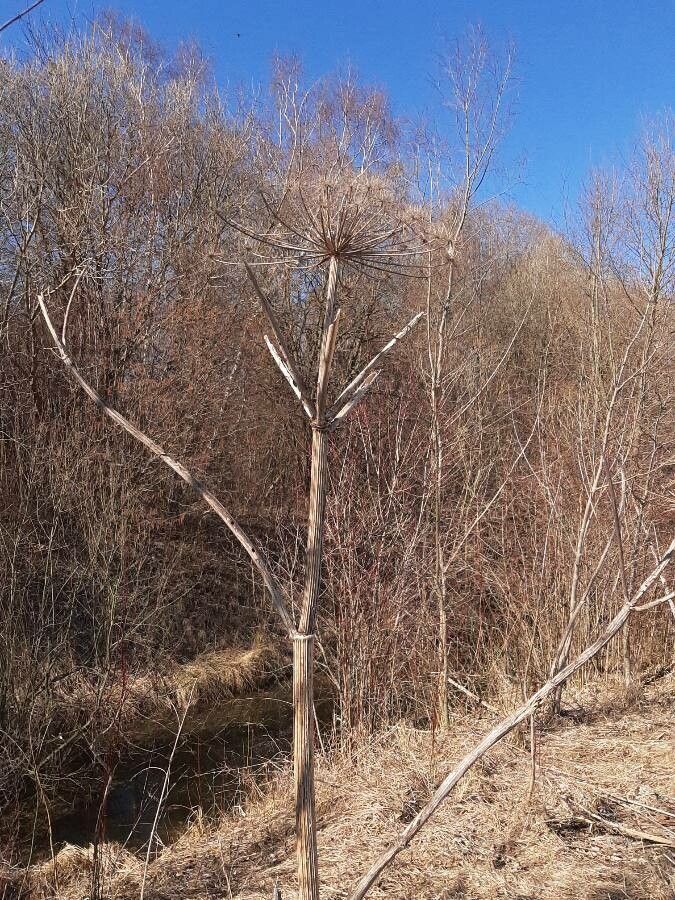
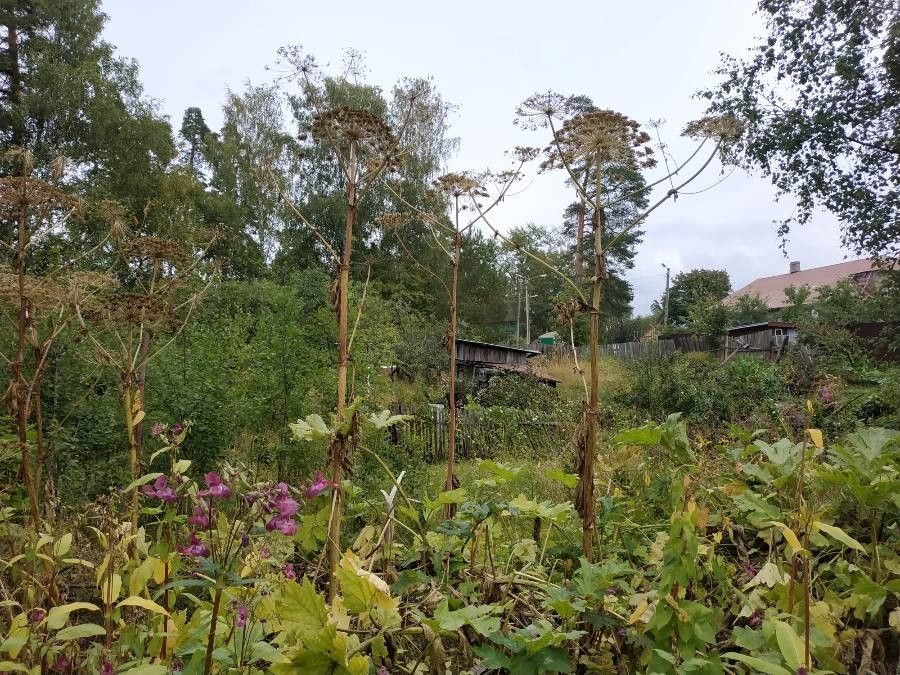
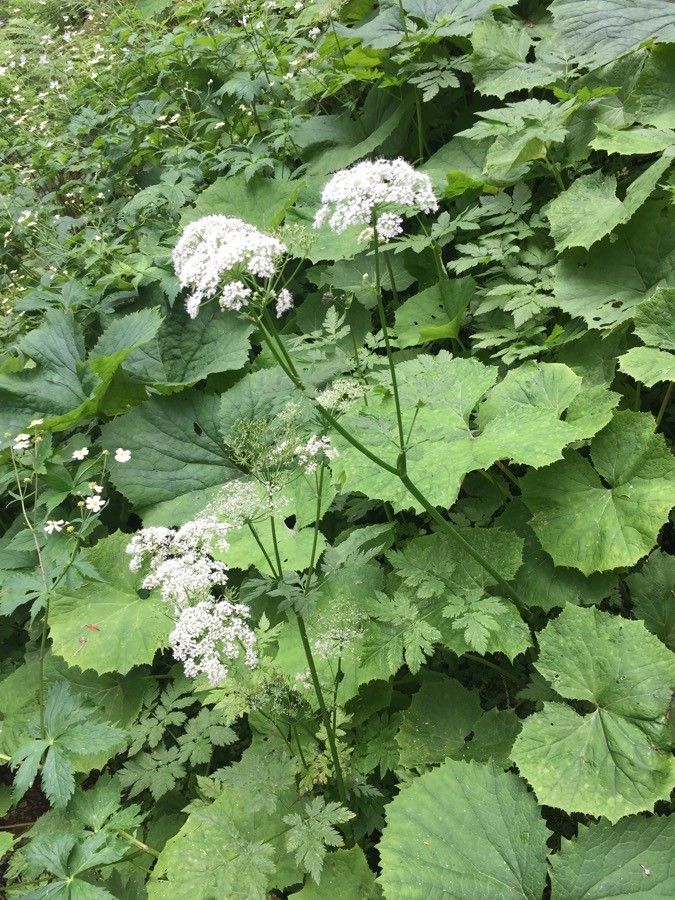
Sosnowsky's hogweed can grow up to 5 meters tall and features large, umbrella-like flower heads that can reach up to 1 meter in diameter. The plant produces toxic sap that can cause severe skin burns and blisters when exposed to sunlight.
The spread of Sosnowsky's hogweed is facilitated by its ability to produce large quantities of seeds that are easily dispersed by wind or water. Additionally, it has a deep taproot system that allows it to survive drought conditions, making manual removal challenging.
Efforts to control this invasive species are being made in many affected regions, including Europe and North America, through measures such as herbicide application and mechanical removal. However, its aggressive nature and high reproductive capacity have made eradication efforts difficult, with limited success so far.
Overall, Heracleum sosnowskyi poses significant ecological risks to invaded areas by displacing native vegetation and leading to a loss of biodiversity, which could have long-term impacts on ecosystem functioning.
Sosnowsky's hogweed is fairly disease-resistant and typically does not suffer from many illnesses. Still, it can be affected by pests and diseases present in its environment. Such infections are generally mild. Regarding maintenance, this plant needs a moderate level of care. Regular pruning is necessary to keep it looking good and to support healthy growth. Applying fertilizer can also encourage flowering. Sosnowsky's hogweed is appropriate for anyone who has outdoor space, like a garden or a patio, and it doesn't demand extensive gardening experience. When kept indoors, it may need more attention.
How to keep Heracleum Sosnowskyi.
Light
Sosnowsky's hogweed is a perennial herbaceous plant that prefers sunny conditions and originates in open habitats, often thriving in meadows and grasslands. It favors full sun but can also tolerate partial sun.
Temperature
Sosnowsky's hogweed can tolerate a wide range of temperatures, though its distribution may still be constrained by various combinations of moisture and heat. It does best in warm summer conditions with sufficient rainfall or watering. Extended stretches of cloudy, rainy weather, as well as prolonged high temperatures, can raise the likelihood of the plant dying. In winter, adequate protection from cold can improve its survival rate.
Fertilizer
Usually one fertilization in spring is enough for Sosnowsky's hogweed, but several feedings can boost growth to its fullest. Feed about once every month to a month and a half. Fertilizing improves the leaves' appearance and function, supporting uniform color and a healthy texture. It also encourages root development and nutrient uptake for the plant's long-term health.
Pruning
To effectively manage Sosnowsky's hogweed, it is essential to prune it carefully in early spring. This helps control its height and prevents it from spreading seeds. Make sure to remove any dead stems and flower heads before the seeds have a chance to develop. This will prevent the plant from self-seeding. Consistent pruning encourages healthy growth and significantly reduces the risk of this invasive species spreading.
Botanical profile.
- Plant Type
- Herb
- Life Cycle
- Perennial
- Genus
- Heracleum
- Family
- Apiaceae
- Hardiness Zone
- 3-8
- Mature Height
- 2.13 m to 3.96 m
- Mature Spread
- 0.91 m to 2.13 m
- Leaf Color
- Dark Green
- Leaf Type
- Deciduous
- Flower Size
- 15.24 cm to 25.40 cm
- Bloom Time
- Early summer, Mid summer
- Planting Time
- Spring, Summer
- Harvest Time
- Late summer, Early fall
- Native Area
- Turkey, Armenia, Azerbaijan
Other names.