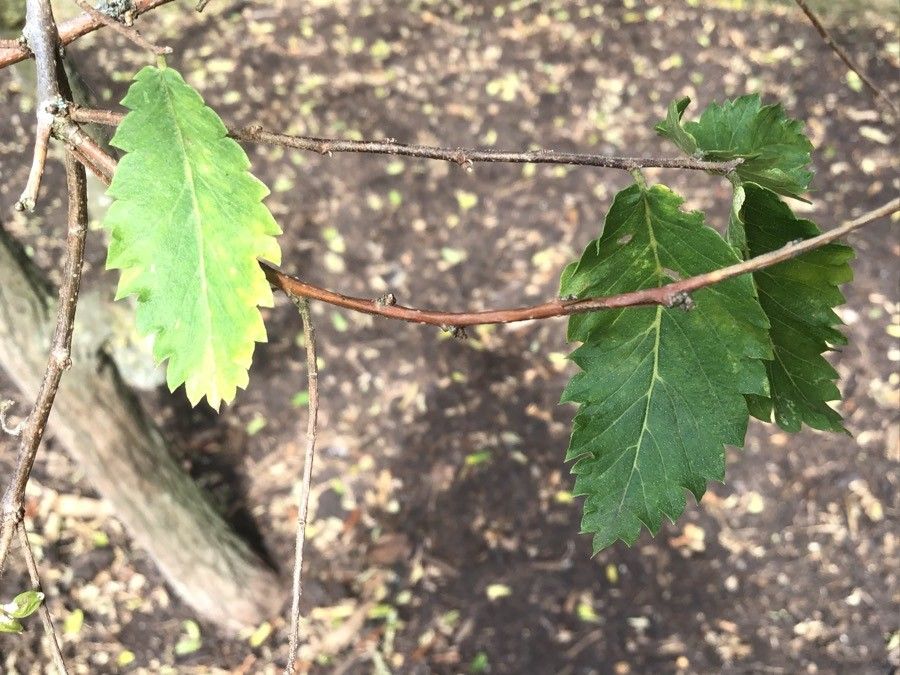
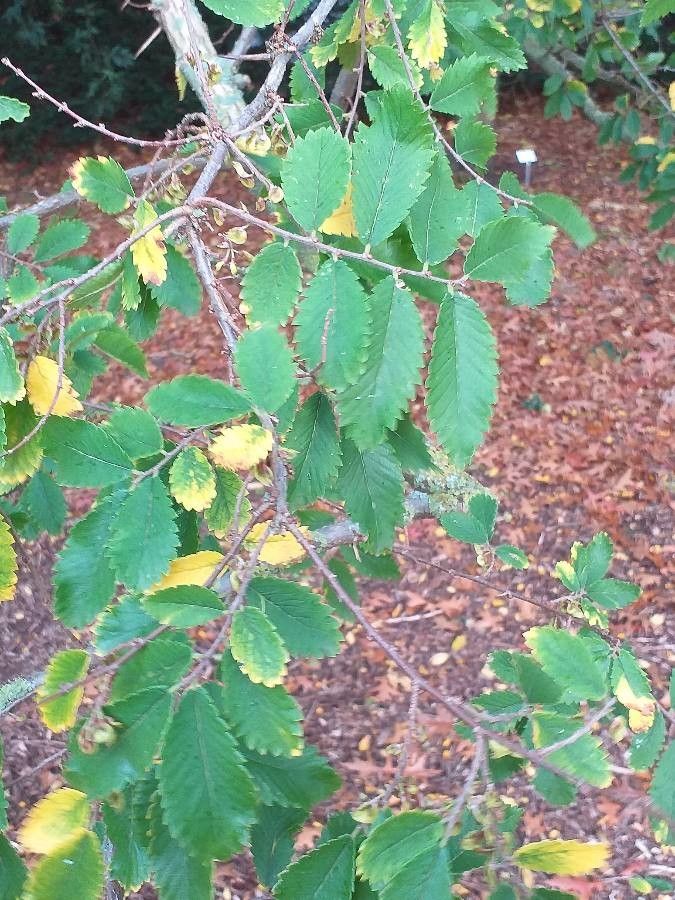
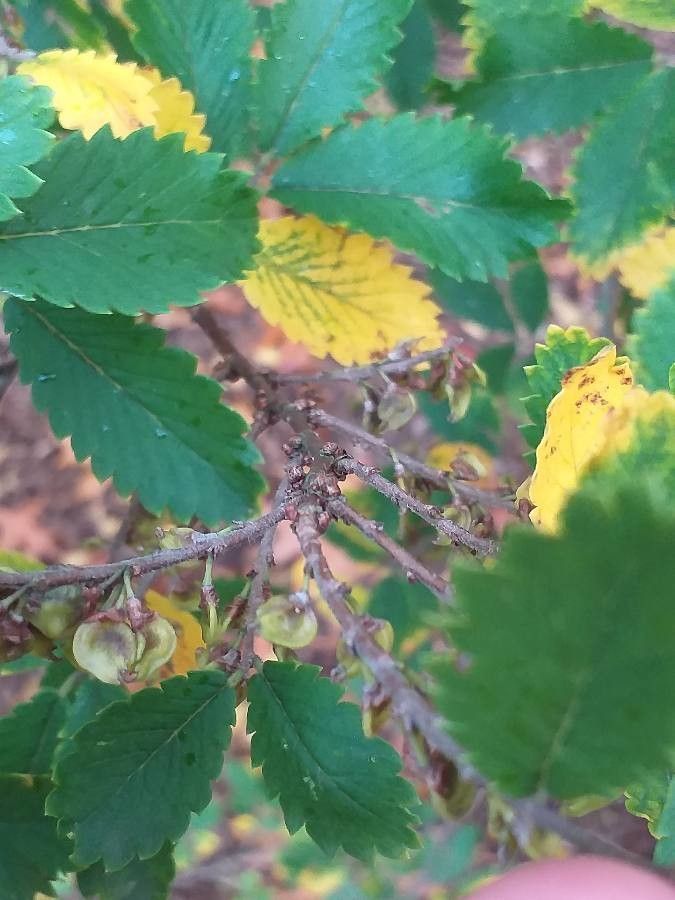
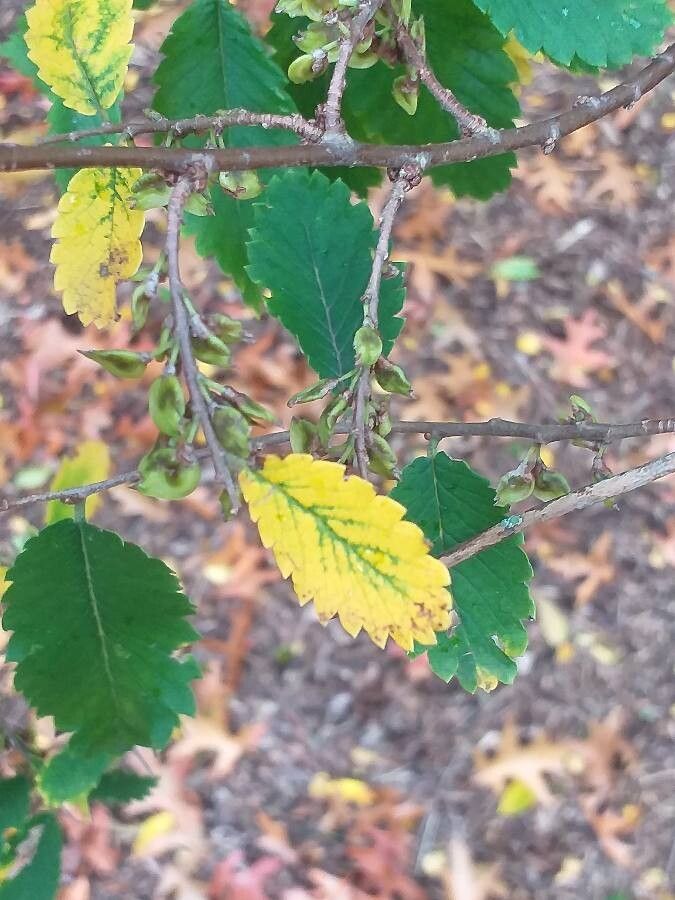
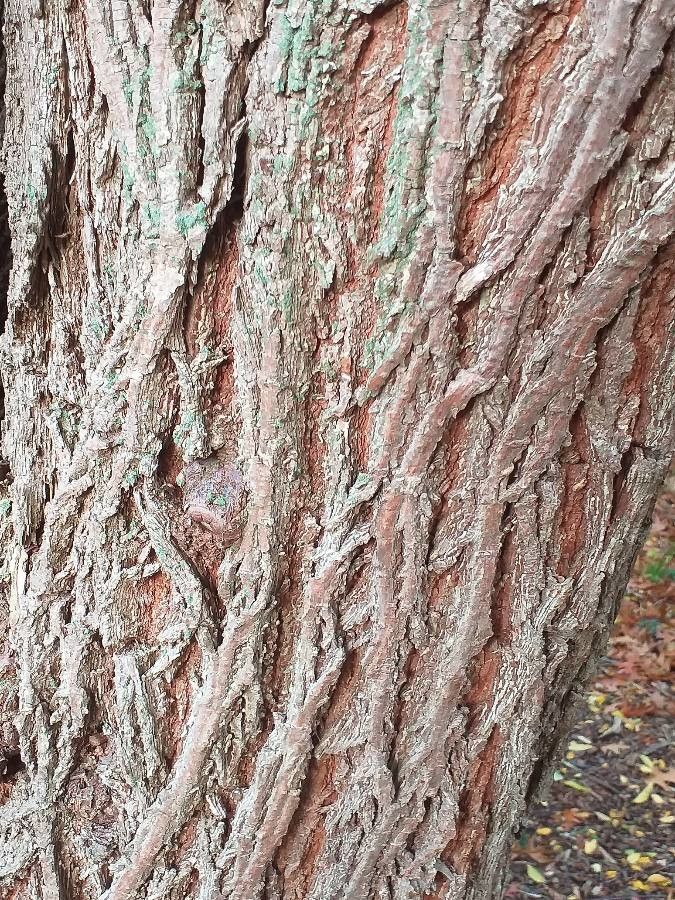
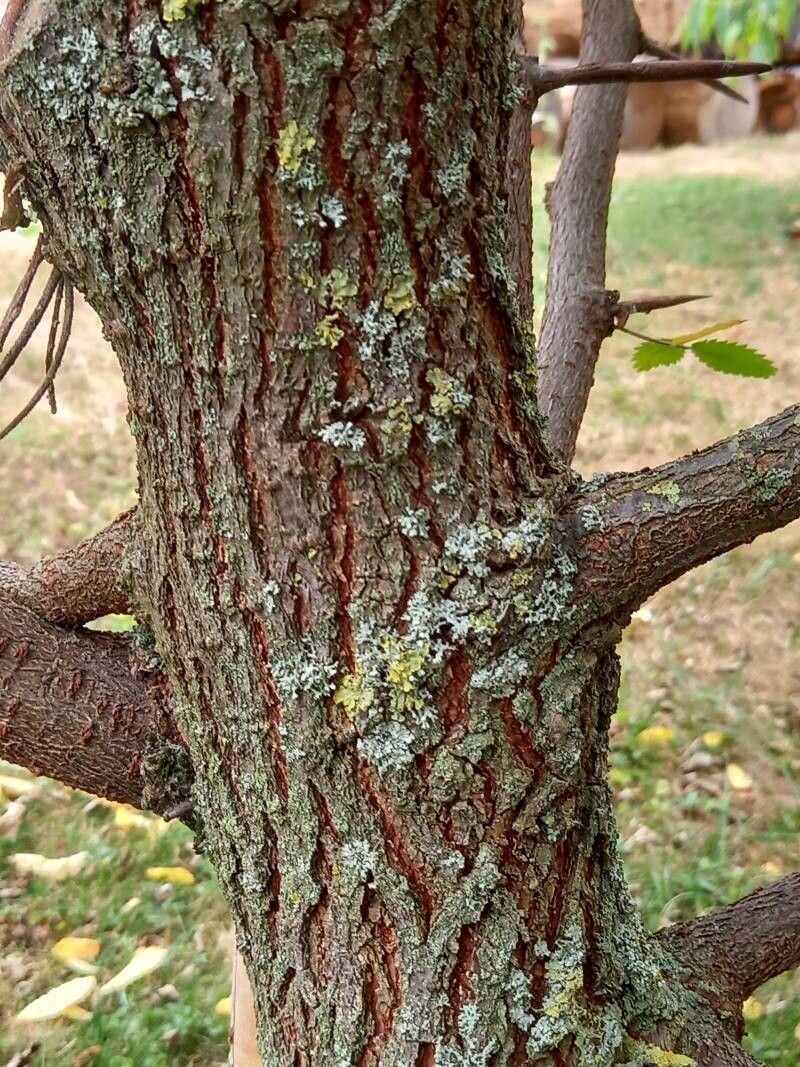
Hemiptelea is a genus of flowering plants belonging to the family Ulmaceae. It contains a single species, Hemiptelea davidii, a tree native to China and Korea.
Hemiptelea is highly resistant to disease and typically not susceptible to illnesses. Regarding care, this plant is fairly low-maintenance. When grown outdoors it needs minimal watering, and larger specimens usually do not require pruning. Smaller plants, however, should be pruned after they have finished blooming. Hemiptelea is suitable for anyone with outdoor space, such as a garden or deck, and does not demand extensive care experience.
How to keep Hemiptelea Davidii.
Light
Hemiptelea comes from open habitats, like sunny meadows and forest edges, which provide abundant light. It performs best in Full Sun but can also tolerate Partial Sun, adapting well to a range of sunlight conditions.
Water
Hemiptelea is a drought-tolerant plant that originates from arid regions. It thrives with minimal moisture, making it ideal to water the plant every 2 to 3 weeks, allowing the soil to dry out between waterings. During the colder months, when the plant goes dormant, its water needs decrease significantly, demonstrating its adaptation to seasonal changes.
Temperature
In its native habitat, Hemiptelea grows best when temperatures are between 32 and 90 °F (0 to 32 ℃). Although it can tolerate seasonal fluctuations, keeping temperatures within this range encourages optimal growth.
Fertilizer
Apply fertilizer to your Hemiptelea in early spring to encourage healthy growth. Fertilizing regularly boosts its overall health, producing vigorous growth, greater tolerance to harsh conditions, and improved resistance to diseases and pests. Keep a consistent fertilization schedule for your Hemiptelea to maintain foliage that is vibrant, richly colored, and lush in appearance.
Pruning
Hemiptelea trees are known for their unique bark and slender, arching branches. It's important to prune them in early spring. This involves removing any dead or diseased wood and thinning out crowded areas to improve air circulation. Regular pruning encourages healthy growth, maximizes the potential for flowering, and maintains an attractive shape while helping to prevent disease.
Botanical profile.
- Plant Type
- Tree
- Life Cycle
- Perennial
- Genus
- Hemiptelea
- Family
- Ulmaceae
- Hardiness Zone
- 3-7
- Mature Height
- 10.06 m
- Mature Spread
- 4.57 m to 9.14 m
- Leaf Color
- Dark Green, Forest Green
- Leaf Type
- Deciduous
- Flower Color
- Yellow, Green
- Flower Size
- 0.25 cm to 0.51 cm
- Bloom Time
- Early spring, Mid spring
- Planting Time
- Spring, Summer
- Harvest Time
- Early summer, Mid summer
- Native Area
- Koppen, South Korea, China
Other names.
Reader questions.
What are the optimal temperature conditions for Hemiptelea?
Hemiptelea, also known as Hemiptelea davidii, thrives best within a temperature range of 32 to 90°F (0 to 32°C), which is typical for its native environment. While it is well-adapted to seasonal changes, maintaining temperatures within this range enables optimal growth. Moreover, Hemiptelea is exceptionally cold-tolerant and doesn't require special frost protection during winter. Nonetheless, it is beneficial to water the plant generously before the first freeze in autumn, ensuring the soil remains moist and enters a frozen state to prevent drought and water scarcity during the cold months.
How does Hemiptelea react to extremely low temperatures?
Despite its high tolerance for cold, Hemiptelea can be affected at winter temperatures below -35°C (-31°F). In such extreme cold, the plant may not display immediate distress; however, by spring, its branches could become brittle and dry, failing to produce new shoots. The recommended solution for this issue is to prune away any dead branches in the spring that haven't developed new leaves, helping the plant to conserve energy for healthy growth.
What should I do if Hemiptelea is exposed to high temperatures?
Hemiptelea is not tolerant of high temperatures, particularly when the mercury climbs above 32°C (90°F). Exposure to such heat can lead to significant leaf drop, and in severe cases, the plant may wither and die. If your Hemiptelea suffers from heat stress, it's advised to trim away sunburned and dried parts of the plant. Relocating the plant to a shaded area or utilizing a shade cloth during the peak sun hours can protect it. Additionally, watering the plant during the cooler morning and evening hours can help maintain soil moisture, vital for the plant's survival in hot conditions.