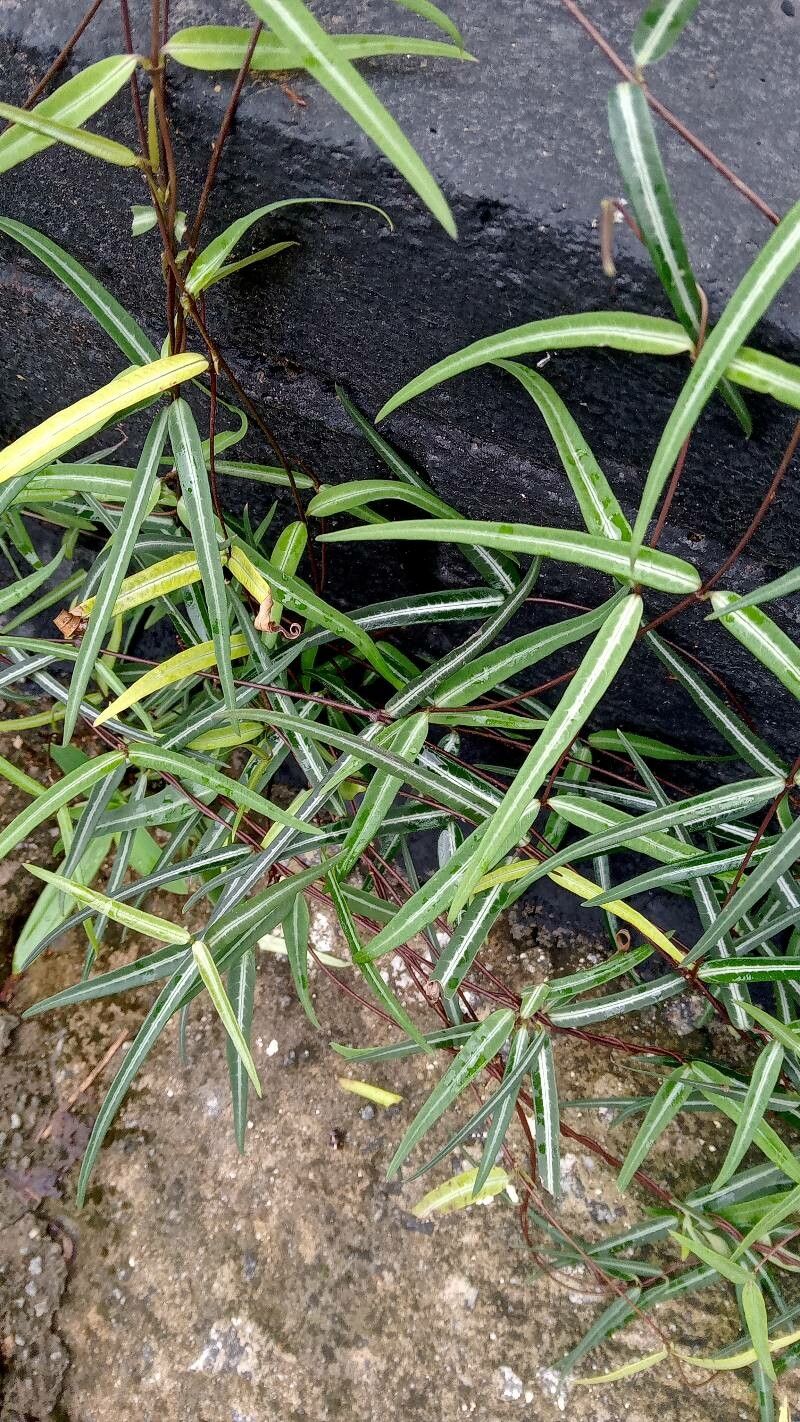
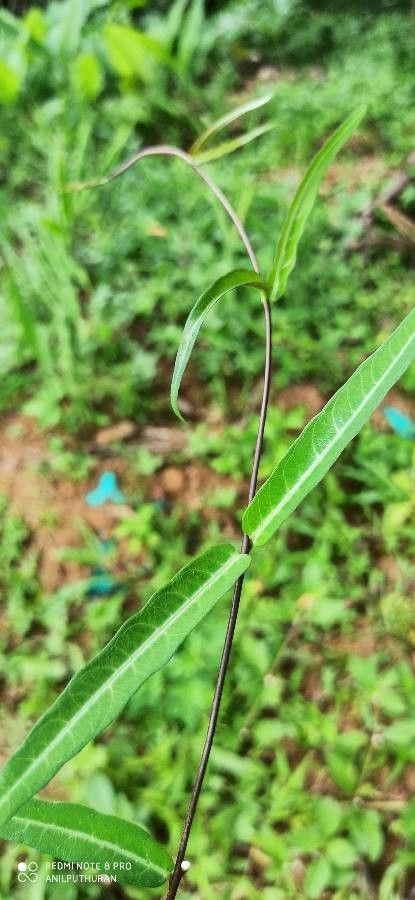
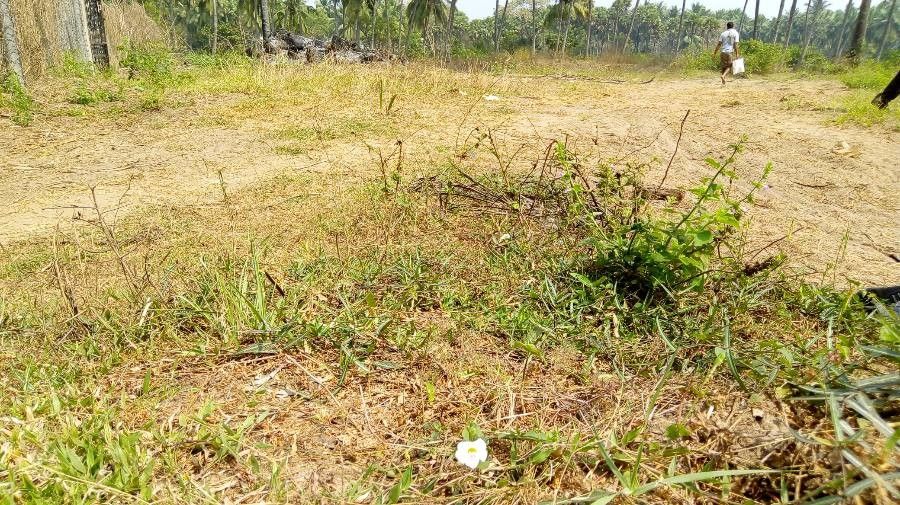
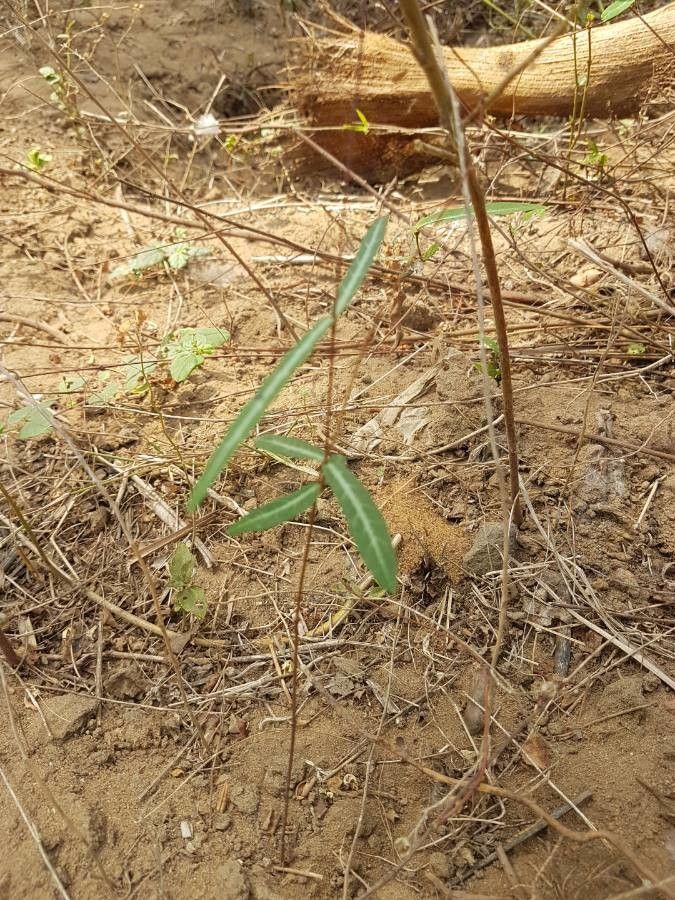
Hemidesmus indicus, Indian sarsaparilla is a species of plant found in South Asia. It occurs over the greater part of India, from the upper Gangetic plain eastwards to Assam and in some places in central, western and South India. The root is a substitute for sarsaparilla (the dried root of the tropical species of Smilax, Smilacaceae; in India Smilax aspera L., and Smilax ovalifolia Roxb.). It should be distinguished from Mexican Sarsaparilla Smilax aristolochiifolia Mill. and Jamaican Sarsaparilla Smilax ornata Hook.f..
Indian sarsaparilla is fairly resistant to disease and normally does not get many illnesses. However, it can be vulnerable to pests and diseases found in its environment. These problems are usually minor. For care, the plant needs moderate maintenance. It should be pruned regularly to maintain a neat appearance and promote healthy growth. Fertilizing can also help encourage flowering. Indian sarsaparilla is suitable for people with outdoor areas like a garden or patio and does not require extensive gardening experience. It may need more attention when grown indoors.
How to keep Hemidesmus Indicus.
Light
Indian sarsaparilla is native to habitats such as forest understories or rocky areas, where it grows in natural shade. It prefers partial sun but can tolerate full sun or full shade, reflecting its adaptable and hardy nature.
Temperature
Indian sarsaparilla comes from tropical areas, where the climate is usually warm and humid. Consequently, it is well adapted to high heat and humidity. It does not tolerate sudden temperature changes and prefers a consistent temperature, so it's important to prevent temperature fluctuations indoors. It generally cannot withstand cold and needs warmer conditions to grow. If the surrounding temperature falls too low, the plant may stop growing or even die.
Fertilizer
Correct fertilization is essential for the health and appearance of Indian sarsaparilla. Fertilize Indian sarsaparilla during the summer, repeating the application monthly throughout the season. Nutrients supply the energy for growth and help maintain the plant’s parts. Fertilization improves Indian sarsaparilla’s floral display, ensuring the best blooms.
Botanical profile.
- Plant Type
- Herb
- Life Cycle
- Perennial
- Genus
- Hemidesmus
- Family
- Apocynaceae
- Hardiness Zone
- 9-11
- Mature Height
- 0.91 m to 2.13 m
- Mature Spread
- 49 cm to 91 cm
- Leaf Color
- Dark Green
- Leaf Type
- Evergreen
- Flower Color
- Lavender
- Flower Size
- 1.02 cm to 1.52 cm
- Bloom Time
- Summer
- Planting Time
- Autumn
- Harvest Time
- Late summer, Early fall, Mid fall
- Native Area
- Nepal, Sri Lanka, India, Malaysia, Cambodia, Vietnam, Pakistan, Laos
Other names.