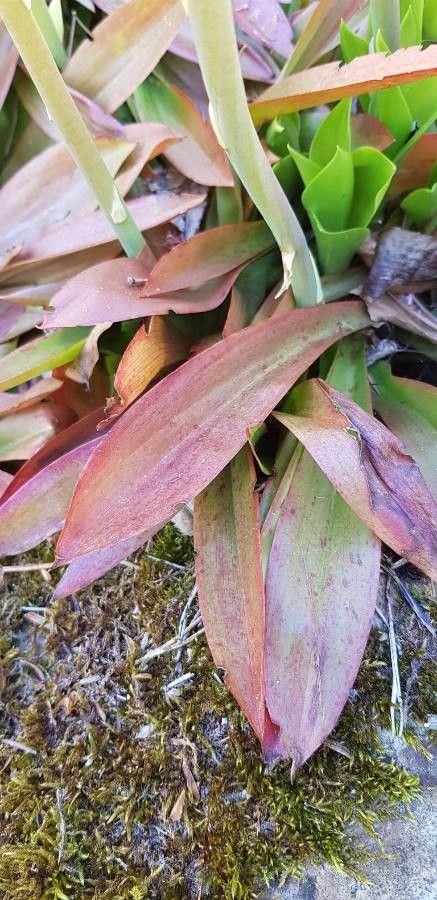
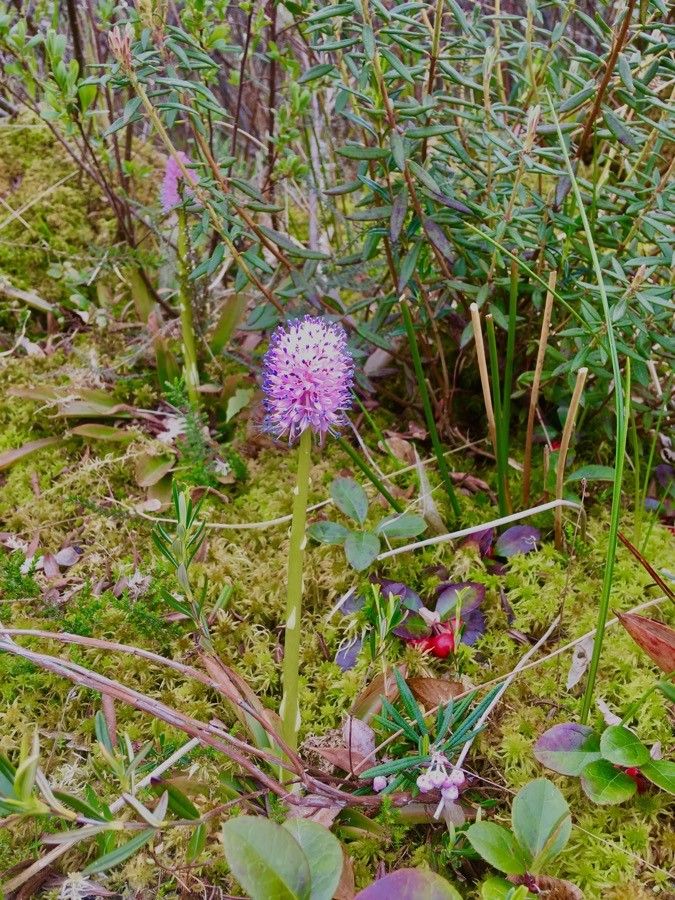
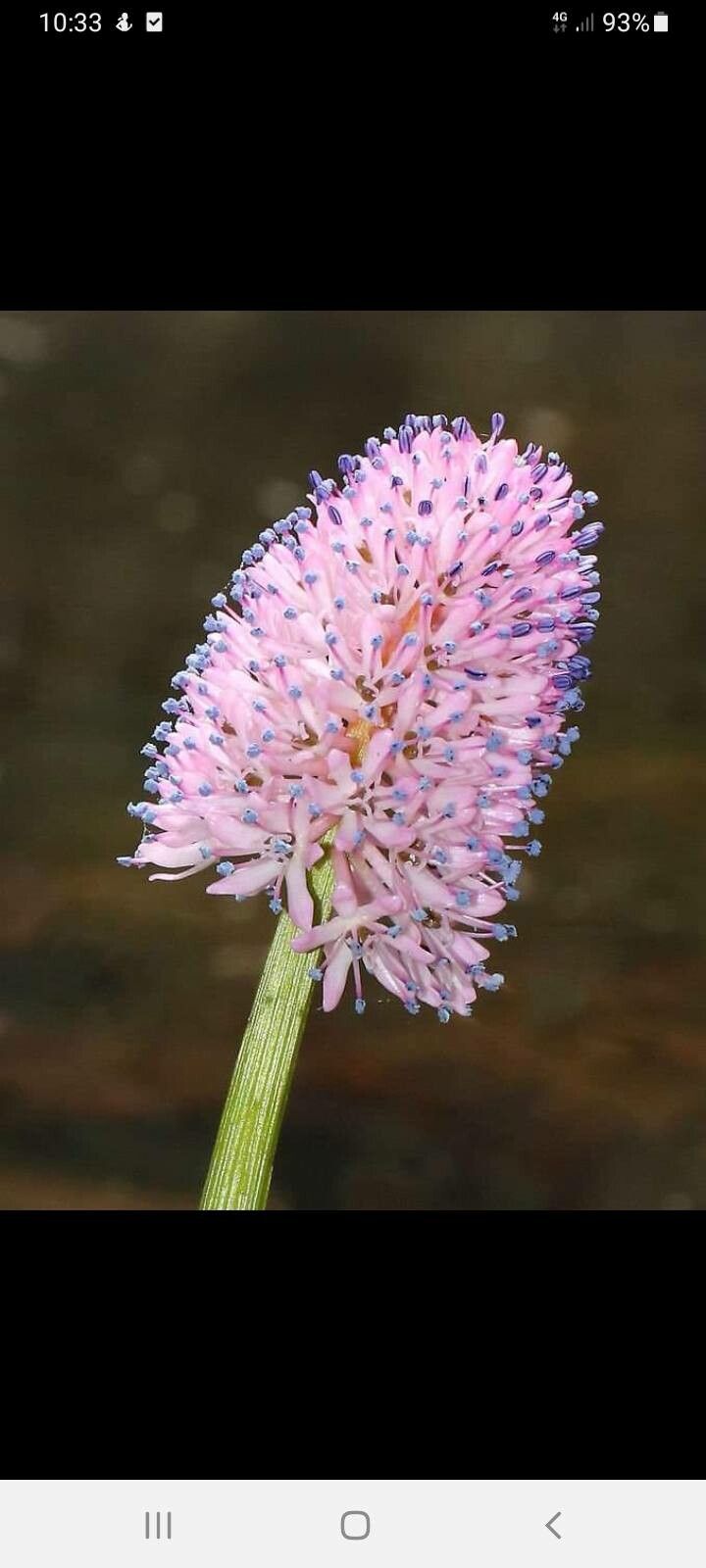
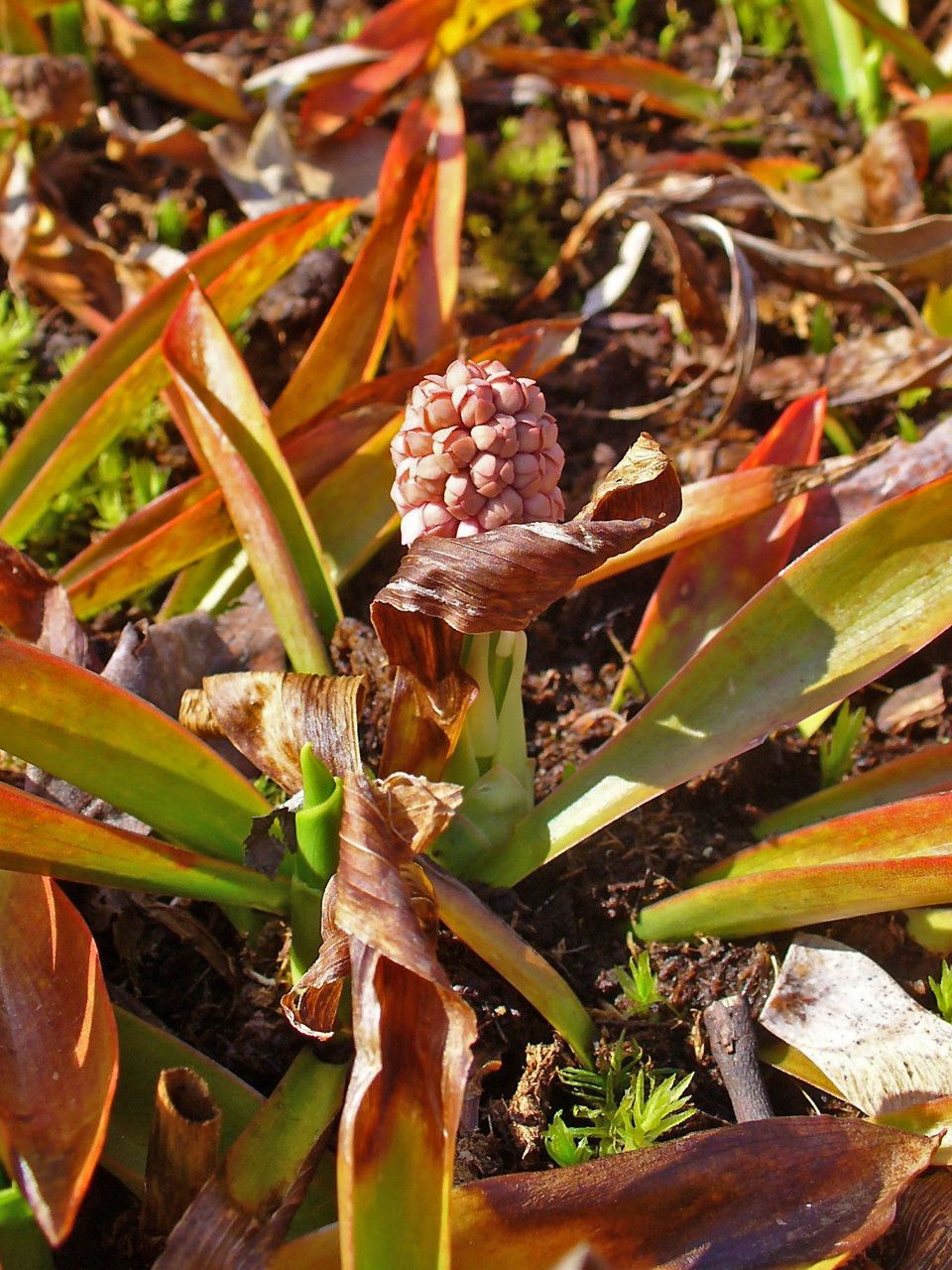
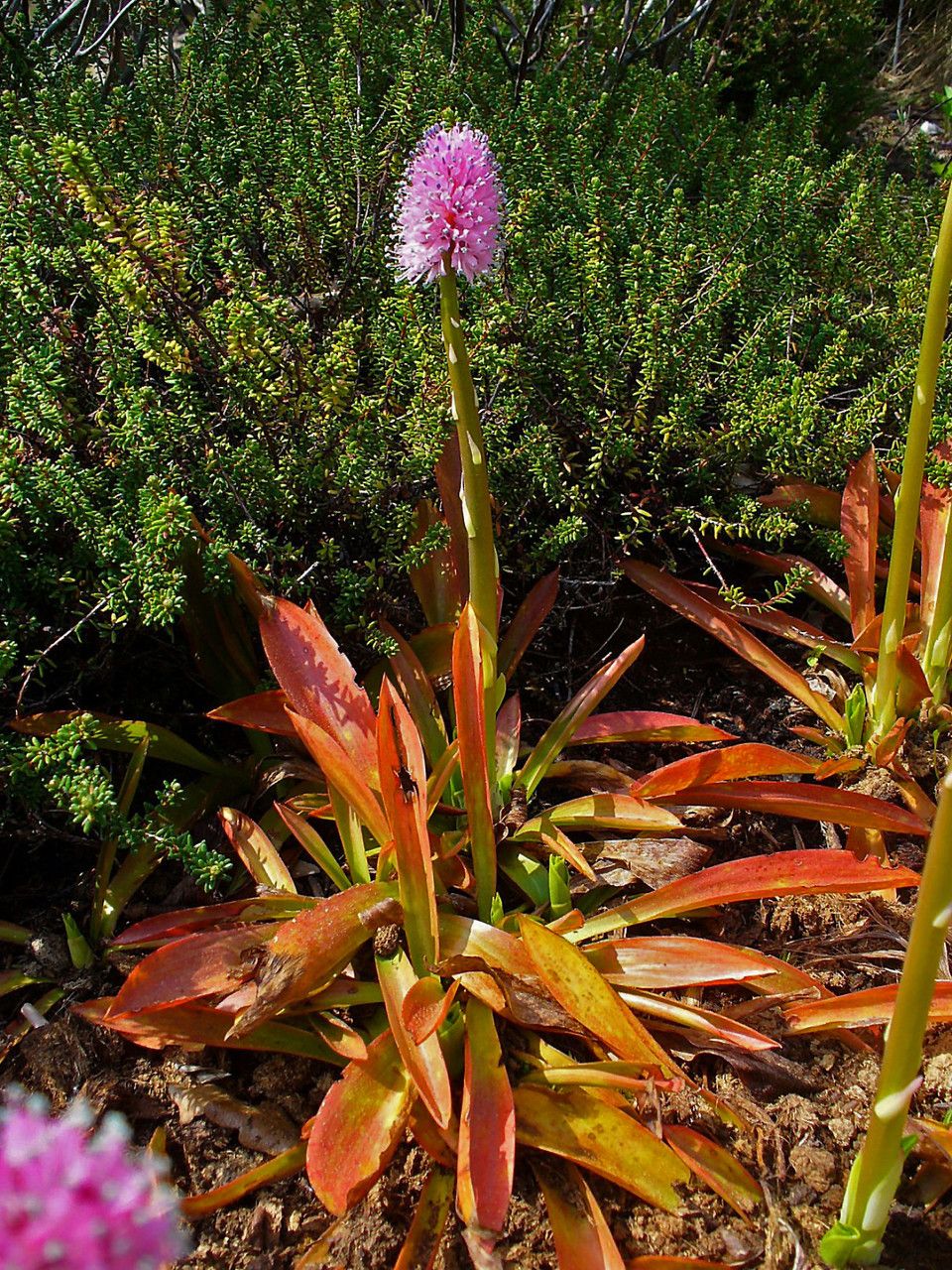
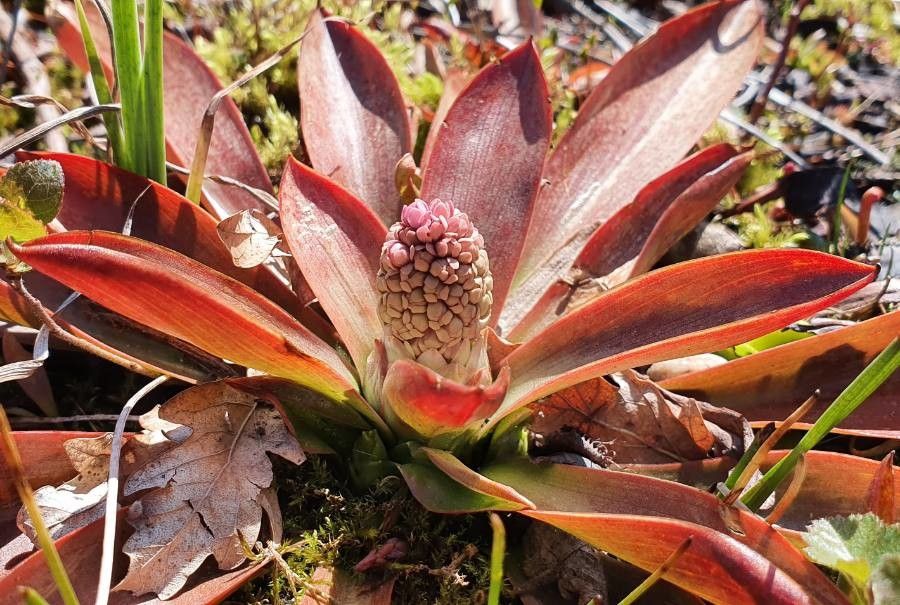
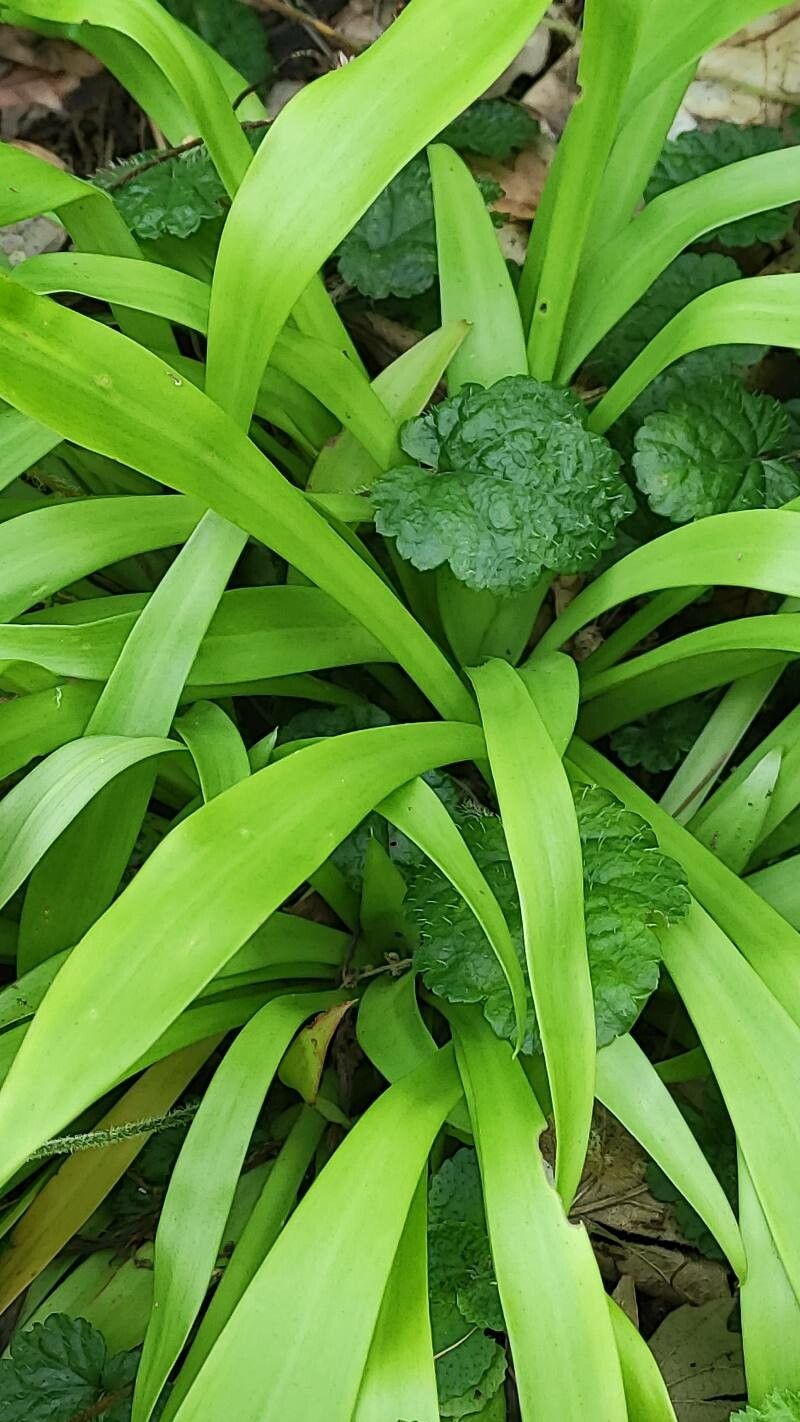
Helonias bullata, commonly known as Swamp Pink or False Unicorn Root, is a perennial herbaceous plant native to the eastern United States. It typically thrives in wetlands and swamps, reaching heights of up to 2 feet. The plant forms a basal rosette of dark green, lance-shaped leaves that can grow up to 12 inches long. In the spring, it produces tall spikes adorned with pink flowers clustered at the top. These fragrant flowers have six petals each. The Swamp Pink is crucial for wildlife, providing habitat for various species such as birds, insects, amphibians, and reptiles. Additionally, it holds medicinal value; Native Americans traditionally used it to treat various ailments, including menstrual cramps. Unfortunately, Helonias bullata is considered endangered due to habitat loss caused by human activities, such as development and the drainage of wetlands where it naturally grows. Conservation efforts have been initiated by various organizations, including the U.S. Fish and Wildlife Service, which has listed this species under its Endangered Species Act (ESA) protection program since 1988. Overall, Helonias bullata is an ecologically significant plant with cultural importance that necessitates dedicated conservation efforts from all stakeholders, including government agencies like the U.S. Fish and Wildlife Service and private organizations such as land trusts and conservation groups. These collective efforts are vital to protecting this valuable resource from extinction due to human activities threatening its existence today.
Swamp pink has strong resistance to disease and is generally not prone to illnesses. Still, it can be affected by pests and diseases present in its surroundings, though such infections are typically mild. In terms of care, this plant needs moderate maintenance. It should be pruned regularly to preserve a neat appearance and support healthy growth. Applying fertilizer can also encourage flowering. Swamp pink is appropriate for anyone with outdoor space, like a garden or patio, and does not require extensive gardening experience. It may need more attention when grown indoors.
How to keep Helonias Bullata.
Light
Swamp pink naturally occurs in habitats like forest understories or rocky sites, where it gets natural shade. It prefers partial sun but can tolerate full sun or full shade, showing its adaptable and hardy character.
Water
Native to wetlands, swamp pink thrives in moist soil and needs watering every 1-2 weeks to stay healthy. As an herbaceous perennial, its growth and blooming are closely tied to water availability, with particularly vigorous flourishing during the rainy season.
Temperature
Swamp pink can tolerate a wide range of temperatures, but its distribution may still be restricted by particular combinations of moisture and heat. It grows best in warm summer climates with adequate rainfall or watering. Extended periods of cloudy, rainy weather, as well as prolonged high temperatures, can raise the chance of Swamp pink dying. In winter, protecting it properly from the cold can increase the plant's survival rate.
Fertilizer
Early spring, when the Swamp pink is coming out of dormancy and starting active growth, is the best time to fertilize. Fertilizing supplies essential nutrients for healthy growth. Although Swamp pink has fairly low fertilizer requirements, annual feeding can improve its survival and encourage better, longer-lasting flowers.
Pruning
Swamp pink, a plant that flourishes in wetlands, produces vibrant pink flowers. To ensure its healthy growth, it's important to prune the plant in early spring. During this time, remove any dead leaves and cut back old stems, taking care to avoid cutting the green stems. This practice enhances air circulation, allows more light to penetrate, and reduces the risk of disease.
Botanical profile.
- Plant Type
- Herb
- Life Cycle
- Perennial
- Genus
- Helonias
- Family
- Melanthiaceae
- Hardiness Zone
- 3-9
- Mature Height
- 91 cm
- Mature Spread
- 30 cm to 46 cm
- Leaf Color
- Green, Blue
- Leaf Type
- Evergreen
- Flower Color
- Pink
- Flower Size
- 2.54 cm
- Bloom Time
- Early spring, Mid spring
- Planting Time
- Spring, Summer, Autumn
- Harvest Time
- Late spring, Early summer, Mid summer
Other names.
Reader questions.
How should I water my Swamp pink plant to keep it healthy?
To properly water the Swamp pink, it's best to use filtered water at room temperature. Tap water may contain harmful particles that can affect the plant's health. Since the Swamp pink thrives in warm environments, it's important to avoid using cold water as it can be a shock to its system. Another thing to keep in mind is to avoid overhead watering, which can cause issues with the foliage. Instead, gradually apply filtered room temperature water to the soil until it's completely soaked. This method helps moisten the roots and allows them to spread through the soil and absorb the necessary nutrients.
Why is it important to fertilize my Swamp pink plant?
To keep your Swamp pink thriving, fertilization plays a crucial role. The leaves of the Swamp pink form the bulk of its structure, and proper fertilization ensures that these leaves remain vibrant and functional. By fertilizing, you not only maintain leaf color and texture but also support the growth of new roots and the vitality of existing ones. This means that fertilization not only keeps your plant healthy in the present but also improves its ability to absorb nutrients from the soil in the long run.
How much sunlight does Swamp pink need to grow?
To ensure optimal growth, Swamp pink thrives with 3-6 hours of direct sunlight every day. However, it is important to provide some shade during the hottest periods to avoid sun damage. Ideally, morning sunlight is best, but Swamp pink can also tolerate some afternoon sun if temperatures are not excessively high. To achieve the ideal balance of sunlight, consider planting Swamp pink in a partially sunny area, such as beneath a tree or on the east side of a building.
What should I do if I give my Swamp pink plant too much or too little water?
Overwatering is a more common issue for Swamp pink and can lead to wilting, yellowing leaves, and diseases like root rot, mold, and mildew. Underwatering is less common, but can cause brittle, brown leaves. It's important to recognize the signs of overwatering early and reduce watering immediately. If the soil drains poorly, replace it with a well-draining mix. If underwatering is the issue, water more regularly until the signs improve.
When should I fertilize my Swamp pink plant?
If you choose to grow Swamp pink outdoors, you'll notice new growth in early spring. This signals that it's time to begin fertilization. Typically, a single application of fertilizer is enough for the plant to thrive. However, if you want to maximize growth, you can feed it multiple times during spring and early summer, about once every month to a month and a half.
What happens if Swamp pink doesn't get enough sunlight?
To avoid sun damage, it is important to provide some shade for Swamp pink, especially during the hottest parts of the day. If this plant is exposed to too much direct sunlight, you may observe its leaves turning yellow, drying out, or even getting burned. Additionally, it may wilt or become stunted. Consider using a shade cloth or planting Swamp pink near taller plants that can naturally provide some shade.
How frequently should I give water to my Swamp pink plant?
If your Swamp pink plant is in a pot, the most precise way to determine if it needs water is by checking the soil with your finger. If the first two to three inches of soil are dry, it is time to water the plant. Similarly, if you grow your Swamp pink outdoors in the ground, you can use the same method to test the soil. When the top few inches of soil have dried out, it is a sign that it needs watering. Typically, during the spring and early fall, you will need to water this plant about once a week using this method. However, in extremely hot weather, you may need to water it two or more times per week. It is worth noting that mature and well-established Swamp pink plants have a remarkable ability to withstand drought.
When should I not put fertilizer on my Swamp pink?
During the late fall and winter, your Swamp pink will go into a dormant phase and stop growing. It is important to avoid fertilizing it during this time. If you decide to fertilize it multiple times in the spring and summer, you should start reducing the amount of fertilizer as summer approaches because the Swamp pink's growth rate also slows down. In general, it is not recommended to fertilize your Swamp pink during extremely hot weather or when the soil is very dry. Fertilizing in these conditions can cause stress to the plant and lead to premature death.
What will happen if the Swamp pink plant gets too much sunlight?
Swamp pink may become tall and lanky, with sparse foliage, if it doesn't receive enough sunlight. In addition, the leaves can turn yellow or pale green, which means the plant isn't producing enough chlorophyll due to lack of sunlight. To fix this, you can move Swamp pink to a sunnier spot or prune nearby foliage to let more light reach the plant.
How much water does my Swamp pink plant need?
To properly water your Swamp pink, make sure you give it a generous amount of water. When the first two to three inches of soil are dry, it's time to water. Give the plant a thorough soaking, making sure to completely saturate the soil. You'll know you've added enough water when it starts to flow out of the drainage holes at the bottom of the pot. If you don't see any excess water draining, it means you haven't watered enough. However, be careful not to let the water accumulate inside the soil, as this can harm the plant. On the other hand, if water doesn't drain through the pot, it could be a sign of poorly draining soil, which is not good for the plant's health. Lastly, if the plant is outside, it should receive about 1 inch of rain per week.
What kind of fertilizer does my Swamp pink plant need?
Fortunately, choosing the best fertilizer for a Swamp pink is straightforward. These plants thrive on a general-purpose garden fertilizer with equal amounts of nitrogen, phosphorus, and potassium, such as a 10-10-10 ratio. Avoid fertilizers with high nitrogen content if unsure. Granular, slow-release fertilizers are recommended and easy to apply. Additionally, feeding the Swamp pink with organic soil amendments like compost can be helpful.
How do I water my Swamp pink at each stage of growth?
The water needs of the Swamp pink can vary depending on different growth stages. When your Swamp pink is in its early years or has recently been transplanted, it will require more water than usual. During these stages, the plant focuses on developing new roots for future growth, and these roots perform best with slightly higher moisture levels. However, as the plant becomes more mature, it will require less water. Another growth stage that may require additional watering is during the bloom period, as the flower development utilizes a significant amount of moisture.